Corporation Corporate Officer For Blooming Flora In Wake
Description

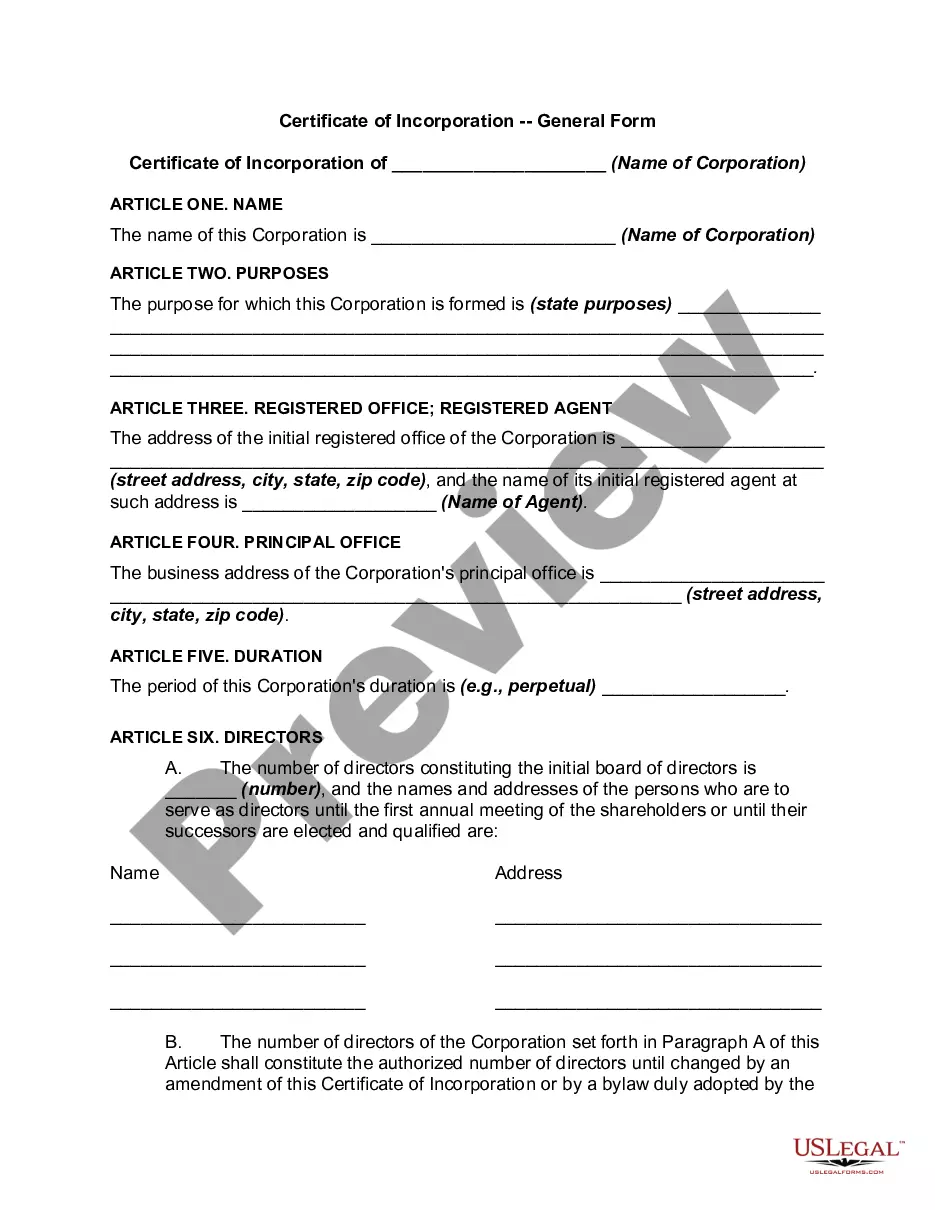
Get your form ready online
Our built-in tools help you complete, sign, share, and store your documents in one place.
Make edits, fill in missing information, and update formatting in US Legal Forms—just like you would in MS Word.
Download a copy, print it, send it by email, or mail it via USPS—whatever works best for your next step.
Sign and collect signatures with our SignNow integration. Send to multiple recipients, set reminders, and more. Go Premium to unlock E-Sign.
If this form requires notarization, complete it online through a secure video call—no need to meet a notary in person or wait for an appointment.
We protect your documents and personal data by following strict security and privacy standards.

Make edits, fill in missing information, and update formatting in US Legal Forms—just like you would in MS Word.

Download a copy, print it, send it by email, or mail it via USPS—whatever works best for your next step.

Sign and collect signatures with our SignNow integration. Send to multiple recipients, set reminders, and more. Go Premium to unlock E-Sign.

If this form requires notarization, complete it online through a secure video call—no need to meet a notary in person or wait for an appointment.

We protect your documents and personal data by following strict security and privacy standards.
Looking for another form?









Form popularity
FAQ
In US companies, officers are elected by the board of directors, and usually consist of a president and/or a chief executive officer, one or more vice presidents, a secretary, and a treasurer or chief financial officer. In larger enterprises, there may be many officers each with varying duties and responsibilities.
Most legal entities like corporations have officers and directors who, together, run the business. Directors sit on the board of directors and collectively govern and oversee the entity. In contrast, officers generally implement the board's vision and manage the day-to-day operations of the business.
The board of directors appoints the officers of a corporation ing to company bylaws. The directors determine each officer's compensation and outline detailed responsibilities in employment contracts.
In US companies, officers are elected by the board of directors, and usually consist of a president and/or a chief executive officer, one or more vice presidents, a secretary, and a treasurer or chief financial officer. In larger enterprises, there may be many officers each with varying duties and responsibilities.
Company Officer means any person authorized by the Board of Directors of organization to sign documents binding on the organization, either directly or as an officer of a general partner, manager, or other business entity with the ultimate authority to manage the business and operations of the organization.
Company Officer means any person authorized by the Board of Directors of organization to sign documents binding on the organization, either directly or as an officer of a general partner, manager, or other business entity with the ultimate authority to manage the business and operations of the organization.
Corporate officers colloquially refers to the people in a corporation that run the company's daily operations. The corporate officers are chosen by the board of directors.
Corporate officers are elected by the board of directors. Their job is to manage the daily activities of the corporation. Officers can sit on the board of directors. In fact, it is common for the CEO to also be a director.
A corporate job is a role within a structured organization. It typically involves specific responsibilities, clear hierarchies, and opportunities for career growth within the company's framework. Picture stepping into a sleek, modern building where every floor is busy with focused work.
