Corporation Corporate Officer With A Misdemeanor In Riverside
Description

Get your form ready online
Our built-in tools help you complete, sign, share, and store your documents in one place.
Make edits, fill in missing information, and update formatting in US Legal Forms—just like you would in MS Word.
Download a copy, print it, send it by email, or mail it via USPS—whatever works best for your next step.
Sign and collect signatures with our SignNow integration. Send to multiple recipients, set reminders, and more. Go Premium to unlock E-Sign.
If this form requires notarization, complete it online through a secure video call—no need to meet a notary in person or wait for an appointment.
We protect your documents and personal data by following strict security and privacy standards.

Make edits, fill in missing information, and update formatting in US Legal Forms—just like you would in MS Word.

Download a copy, print it, send it by email, or mail it via USPS—whatever works best for your next step.

Sign and collect signatures with our SignNow integration. Send to multiple recipients, set reminders, and more. Go Premium to unlock E-Sign.

If this form requires notarization, complete it online through a secure video call—no need to meet a notary in person or wait for an appointment.

We protect your documents and personal data by following strict security and privacy standards.
Looking for another form?

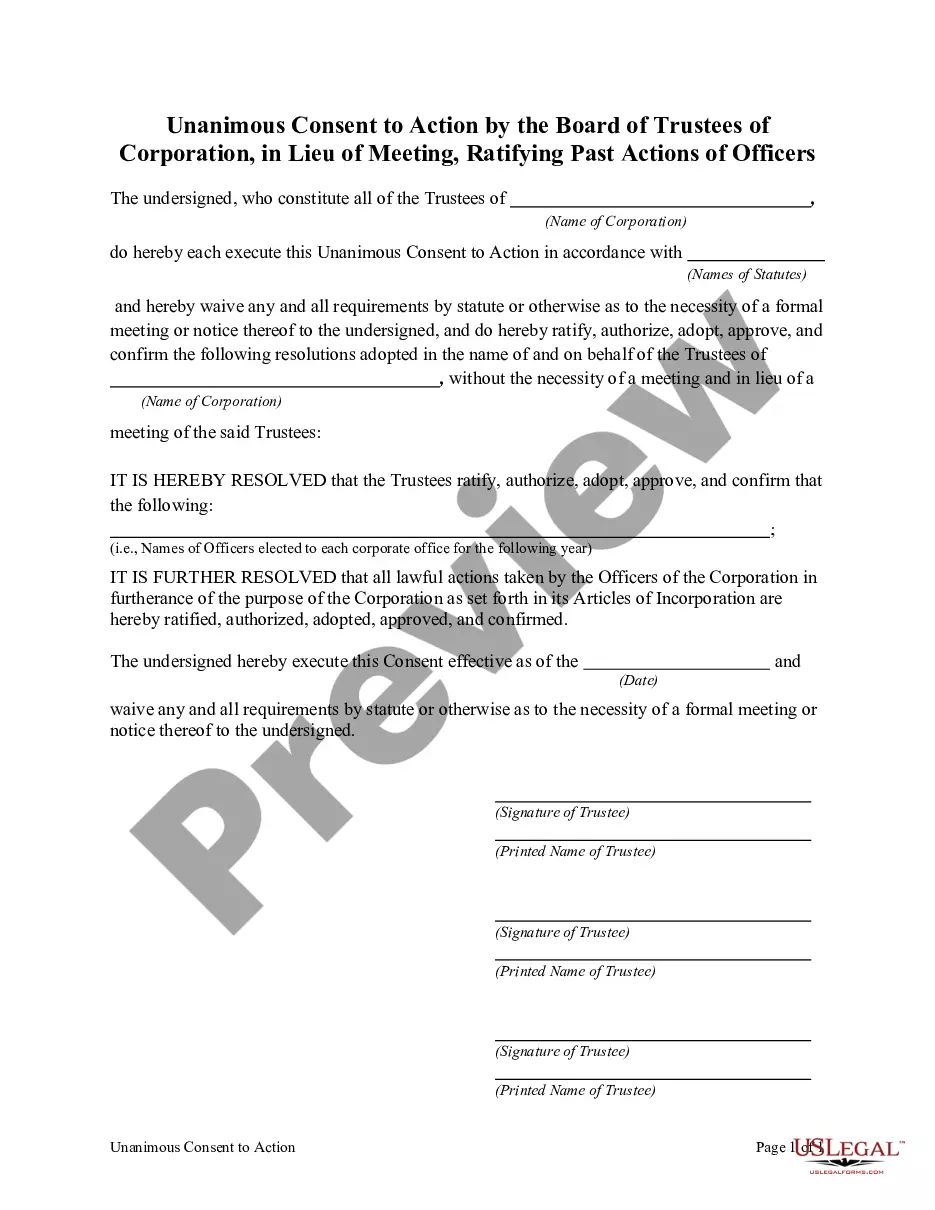
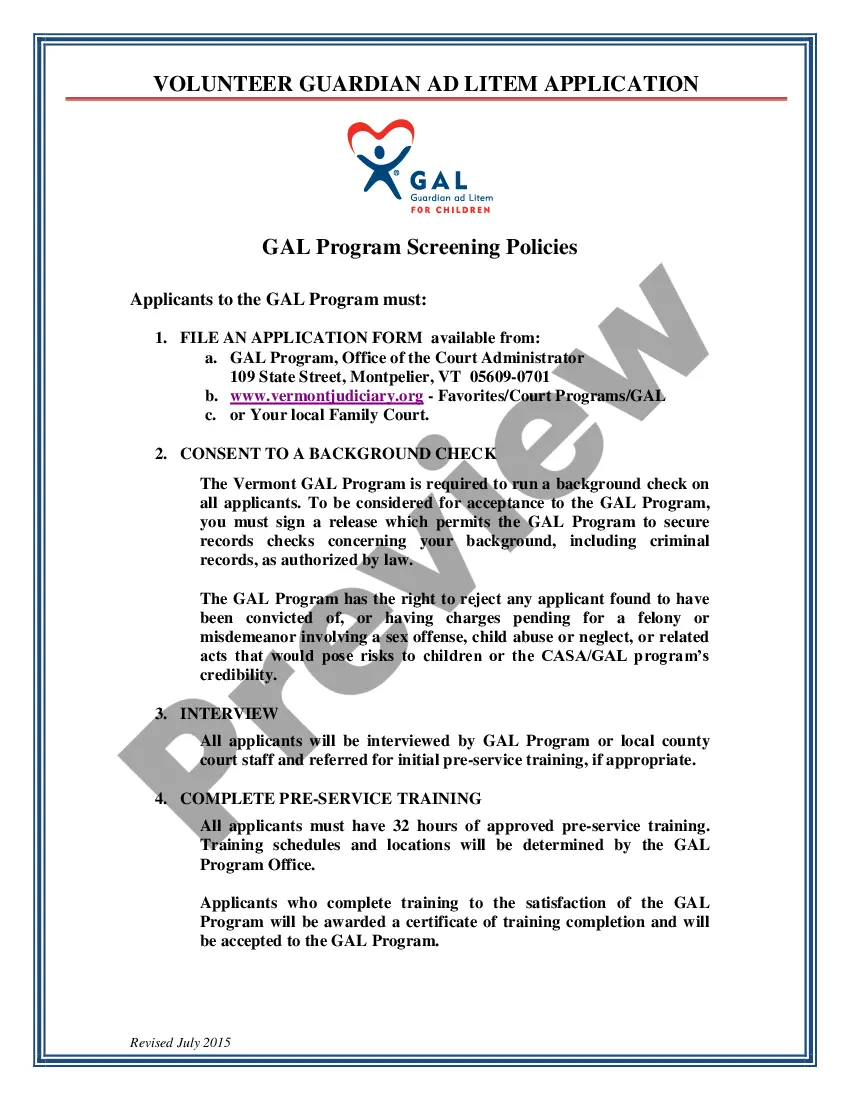
Form popularity
FAQ
Under the Supreme Court-created Responsible Corporate Officer (RCO) doctrine, a corporate officer may be found criminally liable for regulatory offenses even when he or she is unaware of and not involved in the wrongdoing if he or she is in a position of authority regarding the activities giving rise to the illegal ...
Officers' liabilities Corporate officers — like directors — must discharge their duties in good faith, with the care an ordinarily prudent person in a like position would exercise under similar circumstances, and in a manner they reasonably believe to be in the best interests of the corporation.
Corporate officers colloquially refers to the people in a corporation that run the company's daily operations. The corporate officers are chosen by the board of directors.
But there are a number of instances in which officers can be held liable for misconduct. The courts have consistently held that intentional conduct by a corporate officer will result in personal liability (see Frances T. v. Village Green Owners Association).
Corporate directors and officers may be sued for actions they took during the course of their employment. Indemnification provides financial protection by the corporation for those directors and officers against the expenses and liabilities they incurred because of those lawsuits.
Committing theft, fraud, or dishonesty as a misdemeanor may make it hard to get a banking position. Having a misdemeanor drug offense could negatively affect your chances of landing a nursing job or a position in the medical field.
Expungements in other states result in the crime being completely removed from your criminal record – it disappears completely or becomes inaccessible. In California, misdemeanor convictions will generally remain on your criminal record for life unless the conviction is remedied through a petition to dismiss.
Yes, arrests will show up on a person's background check in the Golden State. A background check typically features information about the arrest, such as the arrest date, charges filed, and whether the arrestee was detained or taken to jail. It might also show the amount of the bail.
Anyone convicted of a misdemeanor offense is normally placed on probation and subjected to several conditions imposed by the criminal court judge. This includes jail time, court fines, community service, counseling classes, alcohol or drug classes, electronic monitoring, and victim restitution.
A corporation can indeed be convicted of a crime. For example, a utility company in California was convicted of mmanslaughter few years ago.

