Corporation Corporate Officer Format In Queens
Description

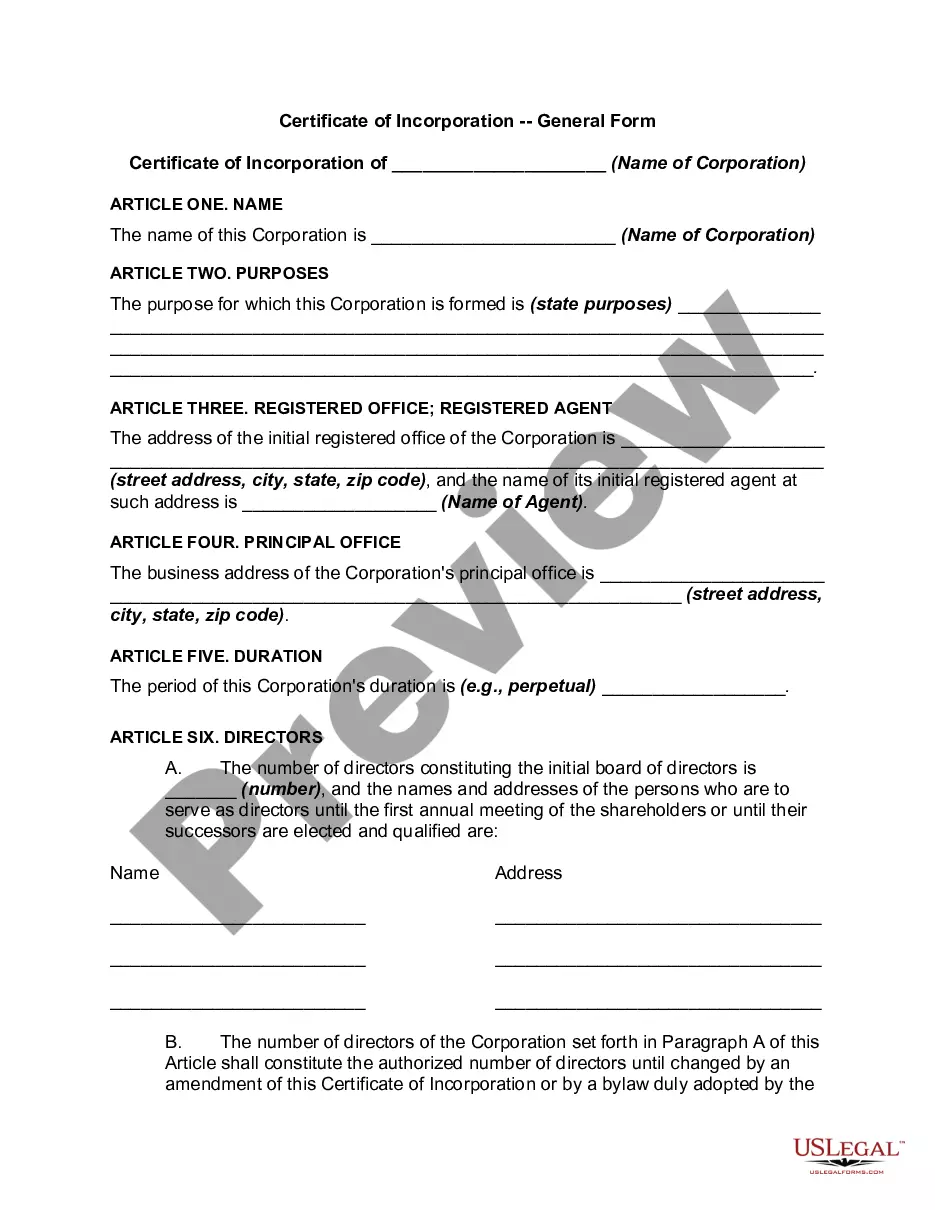
Get your form ready online
Our built-in tools help you complete, sign, share, and store your documents in one place.
Make edits, fill in missing information, and update formatting in US Legal Forms—just like you would in MS Word.
Download a copy, print it, send it by email, or mail it via USPS—whatever works best for your next step.
Sign and collect signatures with our SignNow integration. Send to multiple recipients, set reminders, and more. Go Premium to unlock E-Sign.
If this form requires notarization, complete it online through a secure video call—no need to meet a notary in person or wait for an appointment.
We protect your documents and personal data by following strict security and privacy standards.

Make edits, fill in missing information, and update formatting in US Legal Forms—just like you would in MS Word.

Download a copy, print it, send it by email, or mail it via USPS—whatever works best for your next step.

Sign and collect signatures with our SignNow integration. Send to multiple recipients, set reminders, and more. Go Premium to unlock E-Sign.

If this form requires notarization, complete it online through a secure video call—no need to meet a notary in person or wait for an appointment.

We protect your documents and personal data by following strict security and privacy standards.
Looking for another form?
Form popularity
FAQ
Courts in Georgia and California, have held officers and directors "personally liable" for wrongful acts or active conduct as well as omissions or passive conduct giving rise to personal injury or property damage, including construction defects.
How to Start an S-Corp in New York Step 1 – Choose a name. Step 2 – Choose a registered agent. Step 3 – File Articles of Organization. Step 4 – Create an operating agreement. Step 5 – Apply for an EIN. Step 6 – Meet the New York LLC publication requirement. Step 7 – Apply for S Corp status with IRS Form 2553.
Officers' liabilities Corporate officers — like directors — must discharge their duties in good faith, with the care an ordinarily prudent person in a like position would exercise under similar circumstances, and in a manner they reasonably believe to be in the best interests of the corporation.
New York Consolidated Laws, Business Corporation Law - BSC § 715. Officers. (a) The board may elect or appoint a president, one or more vice-presidents, a secretary and a treasurer, and such other officers as it may determine, or as may be provided in the by-laws.
The officers of a corporation are key management executives who carry out the daily work of the business. They're appointed by and report to the board of directors, and oversee specific business functions based on their background and expertise.
If the court allows the plaintiff to pierce the corporate veil, the owners, members and shareholders become personally liable for the company's debts. This allows creditors to use the business owners' personal assets, such as their homes, bank accounts, investments and other property.
A president is the second-in-command of a company, directly underneath the CEO. If a company doesn't have a CEO, the president holds the highest position in the organization. If the CEO is the head salesperson, the president is the head manager.
How to Start an S Corp in New York Step 1: Choose a Business Name. Step 2: Obtain EIN. Step 3: Certificate of Incorporation. Step 4: Registered Agent. Step 5: Corporate Bylaws. Step 6: Directors and Meeting Requirements. Step 7: Stock Requirements. Step 8: Biennial Statement.
Usually, the bylaws will provide for several corporate officers. The most common are the president, vice president, secretary and treasurer. The president usually makes decisions of corporate policy and operations.
Corporate officers colloquially refers to the people in a corporation that run the company's daily operations. The corporate officers are chosen by the board of directors.

