Corporation Corporate Officer Format In Ohio
Description

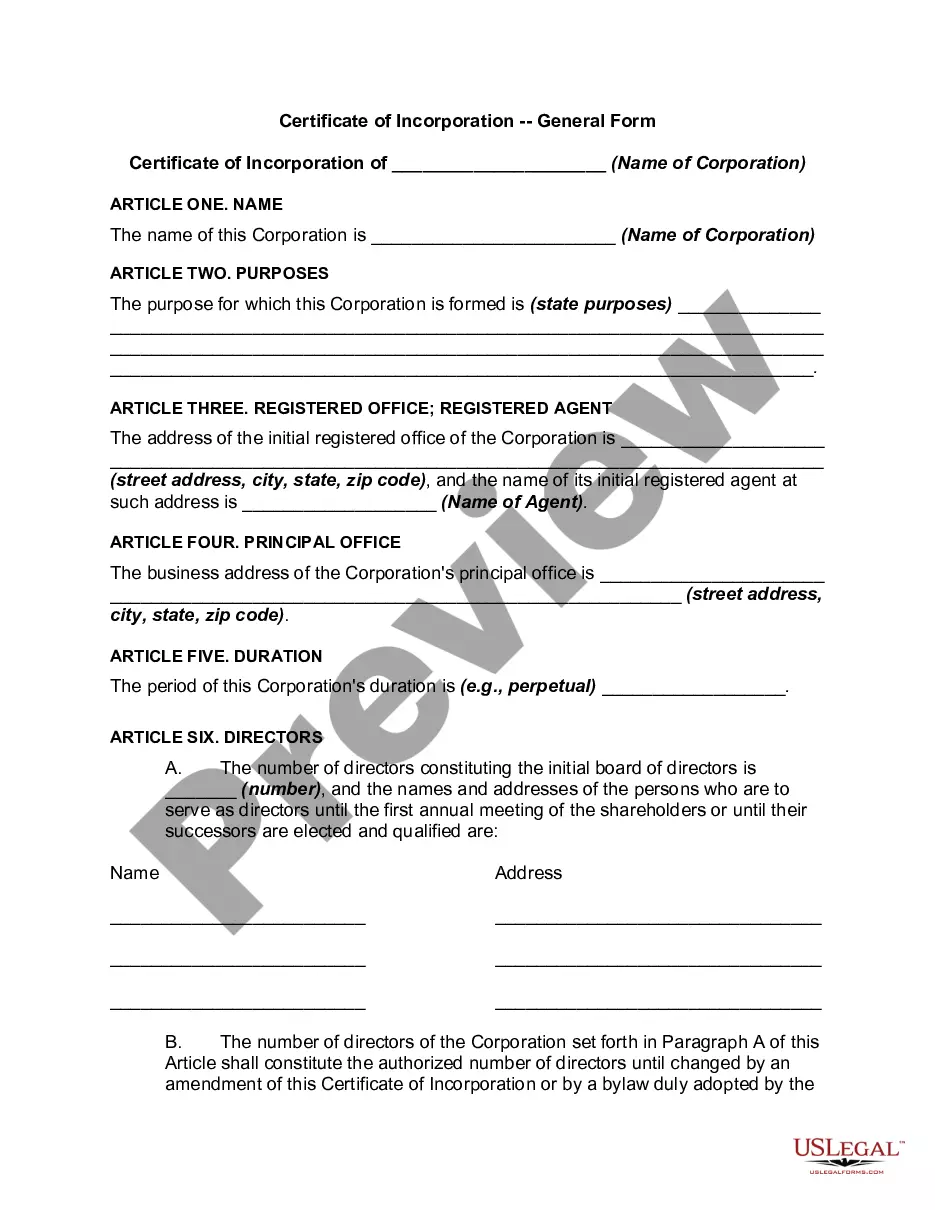
Get your form ready online
Our built-in tools help you complete, sign, share, and store your documents in one place.
Make edits, fill in missing information, and update formatting in US Legal Forms—just like you would in MS Word.
Download a copy, print it, send it by email, or mail it via USPS—whatever works best for your next step.
Sign and collect signatures with our SignNow integration. Send to multiple recipients, set reminders, and more. Go Premium to unlock E-Sign.
If this form requires notarization, complete it online through a secure video call—no need to meet a notary in person or wait for an appointment.
We protect your documents and personal data by following strict security and privacy standards.

Make edits, fill in missing information, and update formatting in US Legal Forms—just like you would in MS Word.

Download a copy, print it, send it by email, or mail it via USPS—whatever works best for your next step.

Sign and collect signatures with our SignNow integration. Send to multiple recipients, set reminders, and more. Go Premium to unlock E-Sign.

If this form requires notarization, complete it online through a secure video call—no need to meet a notary in person or wait for an appointment.

We protect your documents and personal data by following strict security and privacy standards.
Looking for another form?
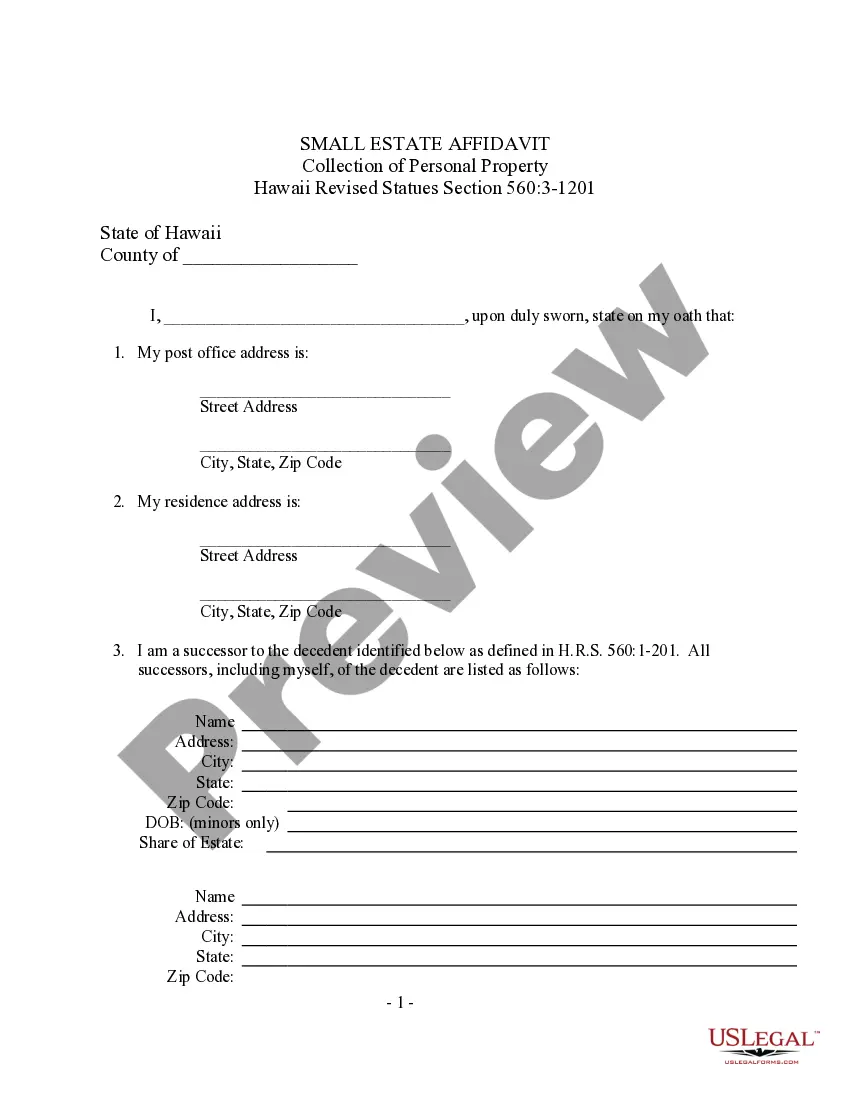

Form popularity
FAQ
Most legal entities like corporations have officers and directors who, together, run the business. Directors sit on the board of directors and collectively govern and oversee the entity. In contrast, officers generally implement the board's vision and manage the day-to-day operations of the business.
A limited liability company (LLC) is a business structure which combines elements of a corporation with those of a partnership or sole proprietorship.
(A) The officers of a corporation shall consist of a president, a secretary, a treasurer, and, if desired, one or more vice-presidents and such other officers and assistant officers as may be deemed necessary. The officers shall be elected by the directors.
Yes. Your Ohio corporate bylaws are official legal documents, which means you can use them in a court of law to prove your limited liability status, or show how your corporation functions. It also means you're subject to legal ramifications if you don't follow your bylaws.
Form an Ohio Corporation: Name Your Corporation. Designate a Registered Agent. Submit Articles of Incorporation. Get an EIN. File the BOI Report. Write Corporate Bylaws. Hold an Organizational Meeting. Open a Corporate Bank Account.
Although actual requirements can vary depending on the state, they typically involve the following: Select a state of incorporation. Choose a business name. File incorporation paperwork. Appoint a registered agent. Prepare corporate bylaws. Draft a shareholders' agreement. Hold the first board meeting. Get an EIN.
(a) A corporation shall have (1) a chairperson of the board, who may be given the title of chair of the board, chairperson of the board, chairperson, or a president or both, (2) a secretary, (3) a chief financial officer, and (4) such other officers with such titles and duties as shall be stated in the bylaws or ...
Officers are appointed by the board of directors during incorporation. The company documents the officers' positions and responsibilities in the corporation's articles, bylaws, or resolutions. It is possible for one employee to fill all positions, providing a range of services to the organization.
Officers & Directors Company Web Pages. This should be the first stop for anyone researching the executives and directors. SEC Filings. The Proxy (or DEF14A) is the annual filing that goes with the 10K that lists the officers and directors. LinkedIn. The Internet. Articles.
