Gazetted Officer Certificate For Address Proof In New York
Description

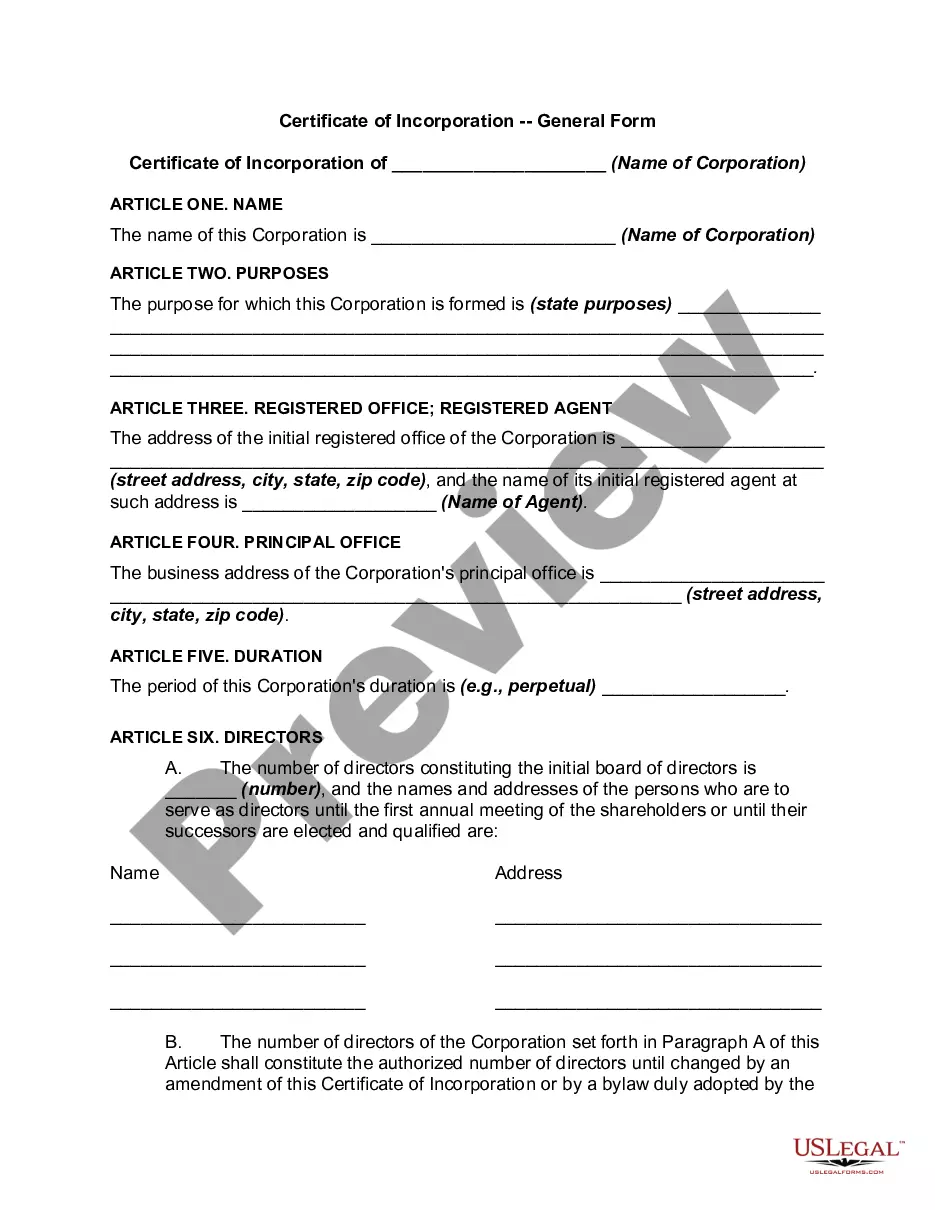
Get your form ready online
Our built-in tools help you complete, sign, share, and store your documents in one place.
Make edits, fill in missing information, and update formatting in US Legal Forms—just like you would in MS Word.
Download a copy, print it, send it by email, or mail it via USPS—whatever works best for your next step.
Sign and collect signatures with our SignNow integration. Send to multiple recipients, set reminders, and more. Go Premium to unlock E-Sign.
If this form requires notarization, complete it online through a secure video call—no need to meet a notary in person or wait for an appointment.
We protect your documents and personal data by following strict security and privacy standards.

Make edits, fill in missing information, and update formatting in US Legal Forms—just like you would in MS Word.

Download a copy, print it, send it by email, or mail it via USPS—whatever works best for your next step.

Sign and collect signatures with our SignNow integration. Send to multiple recipients, set reminders, and more. Go Premium to unlock E-Sign.

If this form requires notarization, complete it online through a secure video call—no need to meet a notary in person or wait for an appointment.

We protect your documents and personal data by following strict security and privacy standards.
Looking for another form?


Form popularity
FAQ
Examples of acceptable proof of residency are: prior year's income tax return (parents' or parent's tax return, if you are listed as a dependent) homeowner's or renter's insurance policy. driver's license or automobile registration certificate. bank statement.
Generally, you are considered a New York State resident for income tax purposes if you are domiciled in the state. For most people this is straightforward: the primary residence where you live is both your state of domicile and the state in which you are a resident for tax purposes.
You are a New York State resident if your domicile is New York State OR: you maintain a permanent place of abode in New York State for substantially all of the taxable year; and. you spend 184 days or more in New York State during the taxable year.
The requirements to be a New York City resident are the same as those needed to be a New York State resident. You are a New York City resident if: your domicile is New York City; or. you have a permanent place of abode there and you spend 184 days or more in the city.
You must apply to the Office of the City Comptroller by submitting a notarized affidavit and two proofs of identification. Acceptable forms of identification include a voter registration card and copies of both the State and City tax returns.
You must apply to the Office of the City Comptroller by submitting a notarized affidavit and two proofs of identification. Acceptable forms of identification include a voter registration card and copies of both the State and City tax returns. You can get more information on the application process.
U.S. utility bill (must include your name and address) U.S. insurance policy (in effect for more than three years) Rent receipt, from building owner or management, showing applicant's name and address. Property tax receipt.
The documents in question must be public documents issued in New York State and signed by a notary public, a County Clerk, or a State official. The necessity for an apostille or certificate of authentication is determined by the foreign country or destination.
Common examples of documents that can serve as proof of address include: Utility bills – This can be a gas, water, electricity, or telephone bill. Lease or rental agreements. Mortgage statements. Insurance policies – Homeowner's, renter's, or life insurance policies will all suffice.
Examples of acceptable proof of residency are: prior year's income tax return (parents' or parent's tax return, if you are listed as a dependent) homeowner's or renter's insurance policy. driver's license or automobile registration certificate. bank statement.

