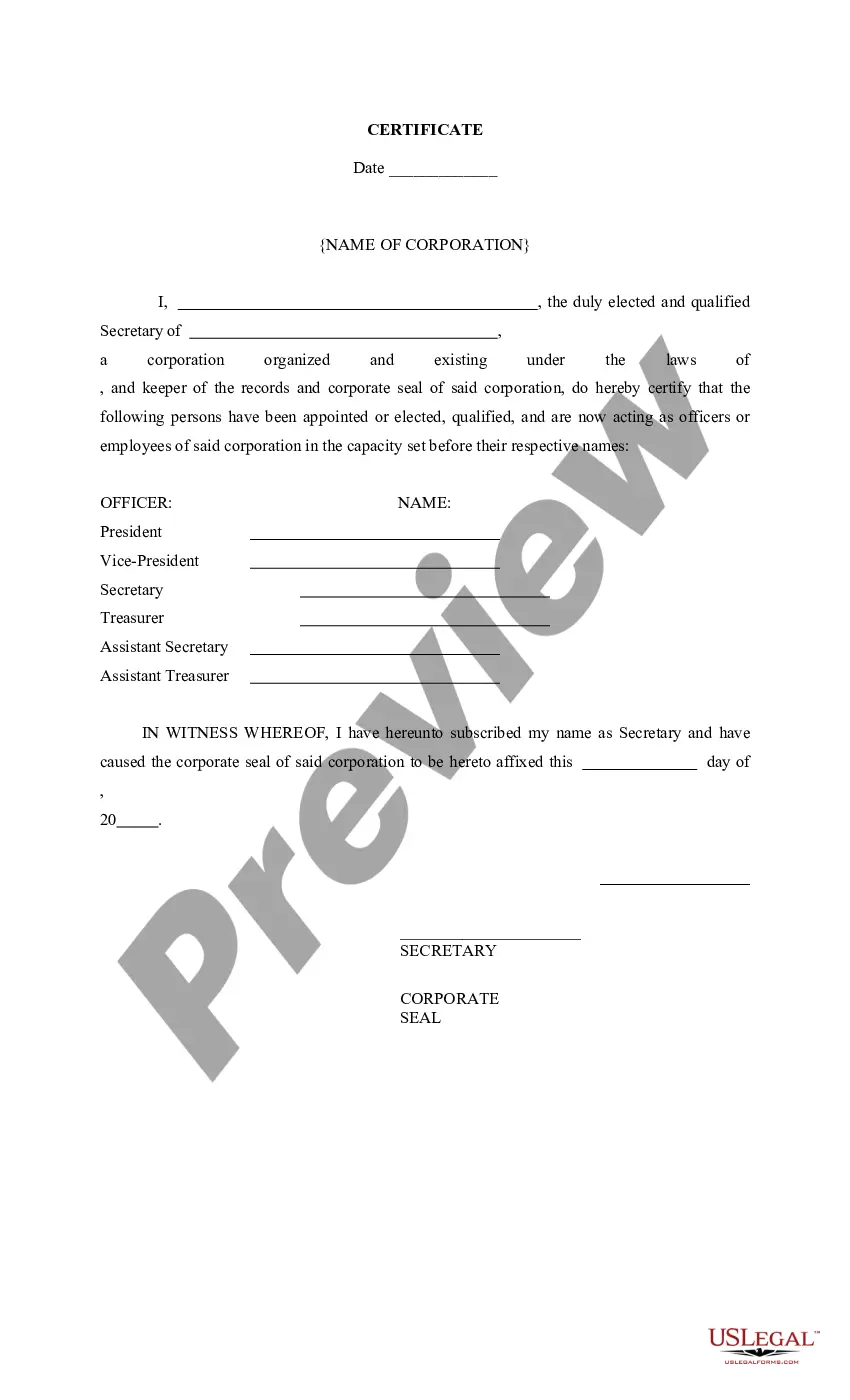
Corporation Corporate Officer For Llc In Michigan
Description
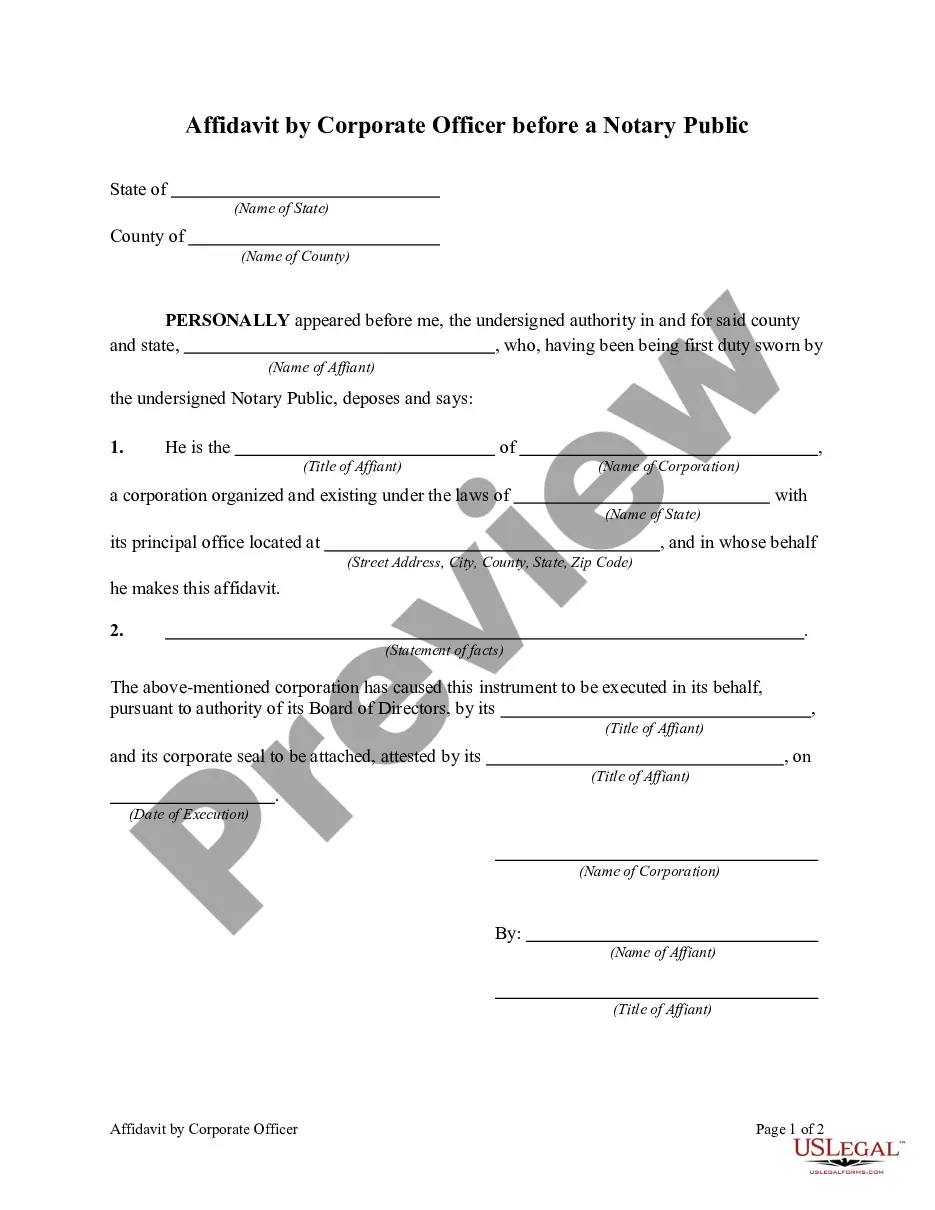
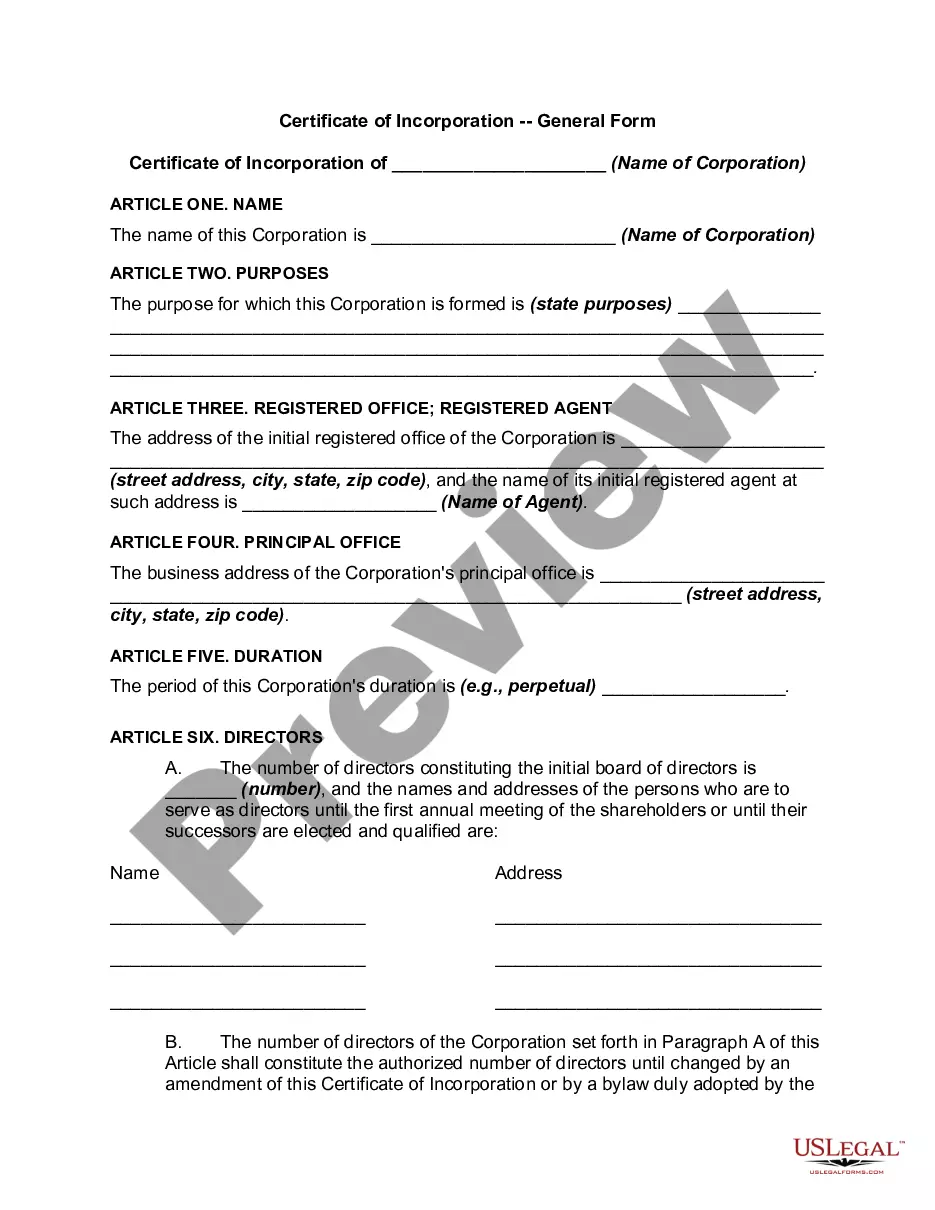
Get your form ready online
Our built-in tools help you complete, sign, share, and store your documents in one place.
Make edits, fill in missing information, and update formatting in US Legal Forms—just like you would in MS Word.
Download a copy, print it, send it by email, or mail it via USPS—whatever works best for your next step.
Sign and collect signatures with our SignNow integration. Send to multiple recipients, set reminders, and more. Go Premium to unlock E-Sign.
If this form requires notarization, complete it online through a secure video call—no need to meet a notary in person or wait for an appointment.
We protect your documents and personal data by following strict security and privacy standards.

Make edits, fill in missing information, and update formatting in US Legal Forms—just like you would in MS Word.

Download a copy, print it, send it by email, or mail it via USPS—whatever works best for your next step.

Sign and collect signatures with our SignNow integration. Send to multiple recipients, set reminders, and more. Go Premium to unlock E-Sign.

If this form requires notarization, complete it online through a secure video call—no need to meet a notary in person or wait for an appointment.

We protect your documents and personal data by following strict security and privacy standards.
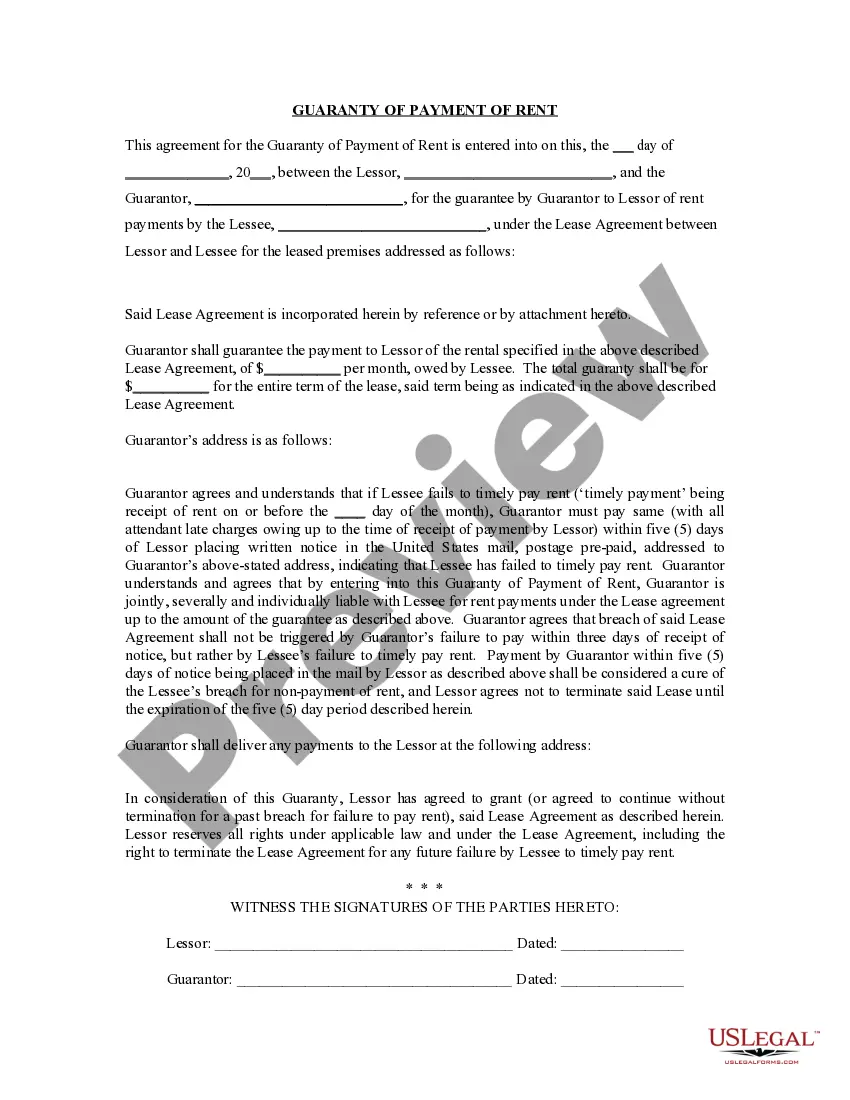
Looking for another form?
Form popularity
FAQ
The courts have consistently held that intentional conduct by a corporate officer will result in personal liability (see Frances T. v. Village Green Owners Association).
The highest title in an LLC is usually the President or Chief Executive Officer (CEO). This title signifies the top executive responsible for overseeing the entire operation of the LLC, ensuring that the company's goals and objectives are met, and providing leadership to other officers and employees.
As an LLC, your company may decide to appoint corporate officers, such as a president, vice president, or treasurer, to handle certain jobs or tasks within the company.
Shareholders: owners of the company who have exchanged assets for shares of stock. Directors: appointed by shareholders to oversee the management of the corporation. Officers: appointed by directors to manage the day-to-day activities of the company.
In LLCs, officers are roles designated to manage specific business functions. Common titles include: President or CEO: Often responsible for overall strategy and day-to-day operations. Treasurer or CFO: Manages the financial health, including budgeting, taxes, and financial reporting.
Corporate officers colloquially refers to the people in a corporation that run the company's daily operations. The corporate officers are chosen by the board of directors .
LLC Members can assign any titles they prefer to Managers or Managing-Members. While “President” is the most popular title for an LLC's top manager, “CEO” is another option that can be held by an LLC Member if they wish.
(1) The officers of a corporation shall consist of a president, secretary, treasurer, and, if desired, a chairman of the board, 1 or more vice-presidents, and such other officers as may be prescribed by the bylaws or determined by the board.
A corporate resolution is an official document adopted by a corporation's board of directors or shareholders that records a formal decision or action taken by the corporation. These resolutions serve as a key component of a corporation's governance and record-keeping practices.
There are four types of corporations: profit, nonprofit, professional service and ecclesiastical. The type of corporation you are trying to form will dictate which form you need.