Corporation Corporate Officer Forum In Fulton
Description

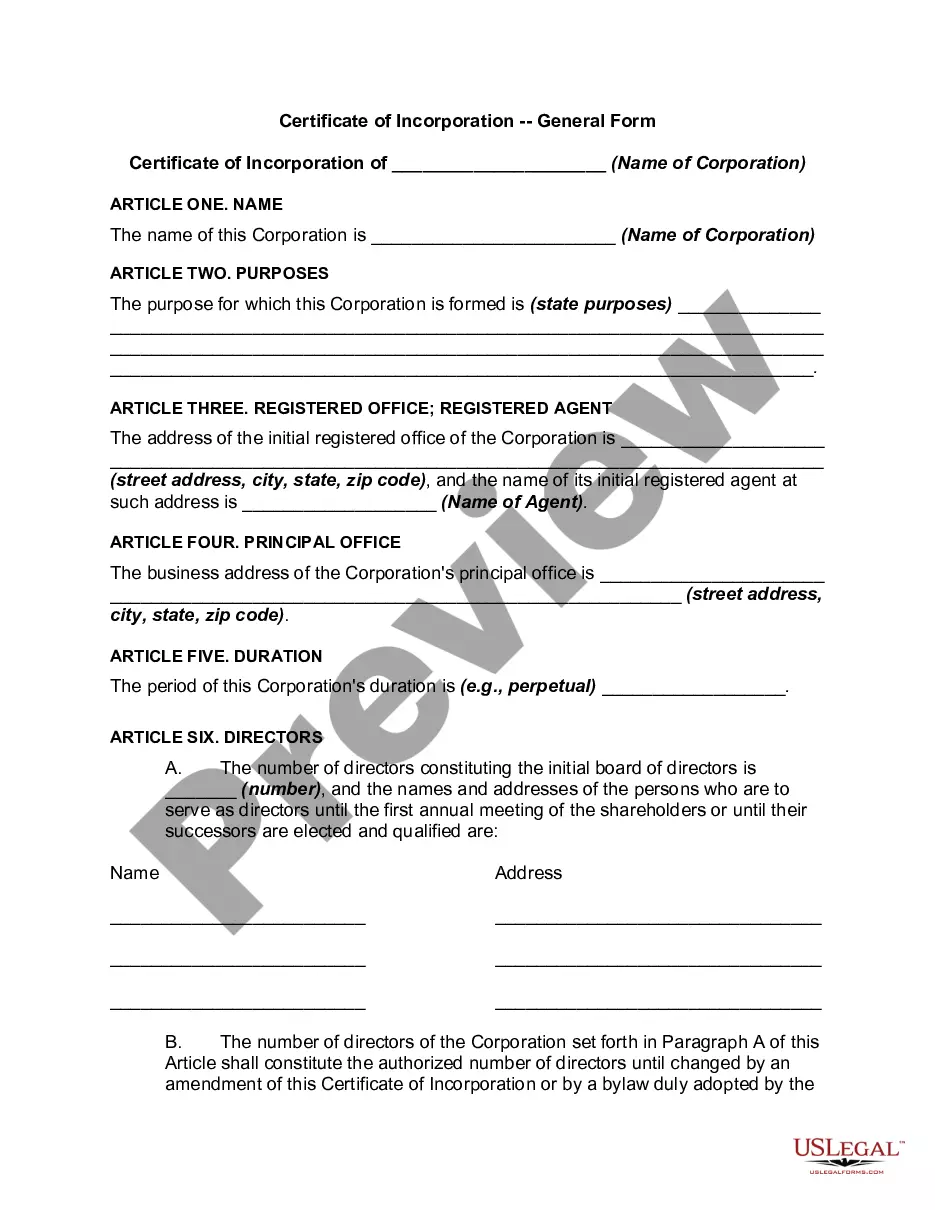
Get your form ready online
Our built-in tools help you complete, sign, share, and store your documents in one place.
Make edits, fill in missing information, and update formatting in US Legal Forms—just like you would in MS Word.
Download a copy, print it, send it by email, or mail it via USPS—whatever works best for your next step.
Sign and collect signatures with our SignNow integration. Send to multiple recipients, set reminders, and more. Go Premium to unlock E-Sign.
If this form requires notarization, complete it online through a secure video call—no need to meet a notary in person or wait for an appointment.
We protect your documents and personal data by following strict security and privacy standards.

Make edits, fill in missing information, and update formatting in US Legal Forms—just like you would in MS Word.

Download a copy, print it, send it by email, or mail it via USPS—whatever works best for your next step.

Sign and collect signatures with our SignNow integration. Send to multiple recipients, set reminders, and more. Go Premium to unlock E-Sign.

If this form requires notarization, complete it online through a secure video call—no need to meet a notary in person or wait for an appointment.

We protect your documents and personal data by following strict security and privacy standards.
Looking for another form?





Form popularity
FAQ
How do I change an officer(s) of a corporation? Officer changes are made by filing an annual registration. The registration may be filed, and changes made, online or with a paper form.
It typically takes 5-6 years to become a corporate officer: Years 1-4: Obtain a bachelor's degree in a relevant field, such as business administration or finance. Years 5-6: Gain the necessary work experience in roles related to management, strategic planning, and financial analysis.
Corporate directors and officers may be sued for actions they took during the course of their employment. Indemnification provides financial protection by the corporation for those directors and officers against the expenses and liabilities they incurred because of those lawsuits.
Company Officer means any person authorized by the Board of Directors of organization to sign documents binding on the organization, either directly or as an officer of a general partner, manager, or other business entity with the ultimate authority to manage the business and operations of the organization.
A corporate job is a role within a structured organization. It typically involves specific responsibilities, clear hierarchies, and opportunities for career growth within the company's framework. Picture stepping into a sleek, modern building where every floor is busy with focused work.
Corporate officers colloquially refers to the people in a corporation that run the company's daily operations. The corporate officers are chosen by the board of directors.
Officers are usually appointed by a corporation's board of directors ing to its internal policies. There are many corporate officer titles, such as Chief Executive Officer (CEO) and Chief Financial Officer (CFO).
As mentioned above, typically, the specific protocol for removing a corporate officer involves: Establishing just cause for removal. Reviewing corporate bylaws and any applicable contracts. Giving notice to all board members of the proposed removal. Holding a board meeting to discuss and vote on the removal.
There are sources and tools that may be helpful for finding information about officers and directors, and to a limited degree those lower on the corporate hierarchy. Company Web Pages. This should be the first stop for anyone researching the executives and directors. SEC Filings. LinkedIn. The Internet. Articles.
Shareholders: owners of the company who have exchanged assets for shares of stock. Directors: appointed by shareholders to oversee the management of the corporation. Officers: appointed by directors to manage the day-to-day activities of the company.

