Corporation Corporate Officer With No Experience In Collin
Description

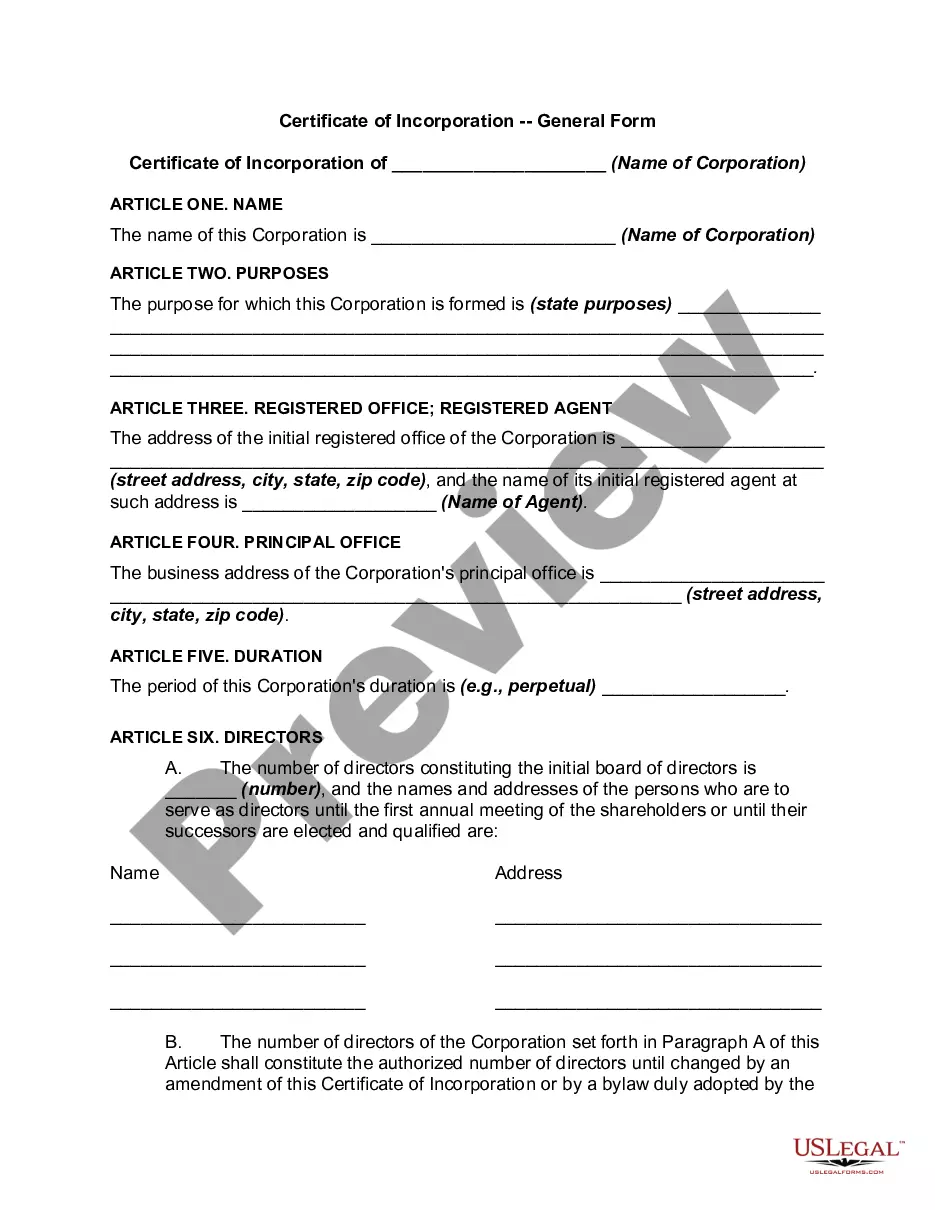
Get your form ready online
Our built-in tools help you complete, sign, share, and store your documents in one place.
Make edits, fill in missing information, and update formatting in US Legal Forms—just like you would in MS Word.
Download a copy, print it, send it by email, or mail it via USPS—whatever works best for your next step.
Sign and collect signatures with our SignNow integration. Send to multiple recipients, set reminders, and more. Go Premium to unlock E-Sign.
If this form requires notarization, complete it online through a secure video call—no need to meet a notary in person or wait for an appointment.
We protect your documents and personal data by following strict security and privacy standards.

Make edits, fill in missing information, and update formatting in US Legal Forms—just like you would in MS Word.

Download a copy, print it, send it by email, or mail it via USPS—whatever works best for your next step.

Sign and collect signatures with our SignNow integration. Send to multiple recipients, set reminders, and more. Go Premium to unlock E-Sign.

If this form requires notarization, complete it online through a secure video call—no need to meet a notary in person or wait for an appointment.

We protect your documents and personal data by following strict security and privacy standards.
Looking for another form?




Form popularity
FAQ
Corporate officers may also have an ownership interest by holding shares, meaning that they can vote at shareholders' meetings, but this is not mandatory.
Corporate officers colloquially refers to the people in a corporation that run the company's daily operations. The corporate officers are chosen by the board of directors.
In US companies, officers are elected by the board of directors, and usually consist of a president and/or a chief executive officer, one or more vice presidents, a secretary, and a treasurer or chief financial officer. In larger enterprises, there may be many officers each with varying duties and responsibilities.
Unless the corporation's Articles of Incorporation provide otherwise, a director is not required to be a shareholder of the corporation. In addition, certain jurisdictions require a director to be a Canadian resident - see below. Majority of directors must be Canadian residents. 4.
It typically takes 5-6 years to become a corporate officer: Years 1-4: Obtain a bachelor's degree in a relevant field, such as business administration or finance. Years 5-6: Gain the necessary work experience in roles related to management, strategic planning, and financial analysis.
Officers are usually appointed by a corporation's board of directors ing to its internal policies. There are many corporate officer titles, such as Chief Executive Officer (CEO) and Chief Financial Officer (CFO).
Both California and federal law say you must be an employee. There are very rare exceptions wherein a corporate officer will have a very limited and specific job within the corporation and then service the corporation as an independent consultant in other areas.
When corporate officers perform a service for the corporation and receive or are entitled to payments, those payments are considered wages. The fact that an officer is also a shareholder does not change this requirement.
The corporate officers are high-level management executives. They have responsibility for carrying out the board's initiatives and policies through their day-to-day decisions and management of the company. Unless prohibited by the corporation's bylaws or state law, officers may also be shareholders or directors.
Corporate officers are responsible for maintaining awareness of company objectives and policies, employee behavior, financial records and other important areas.

