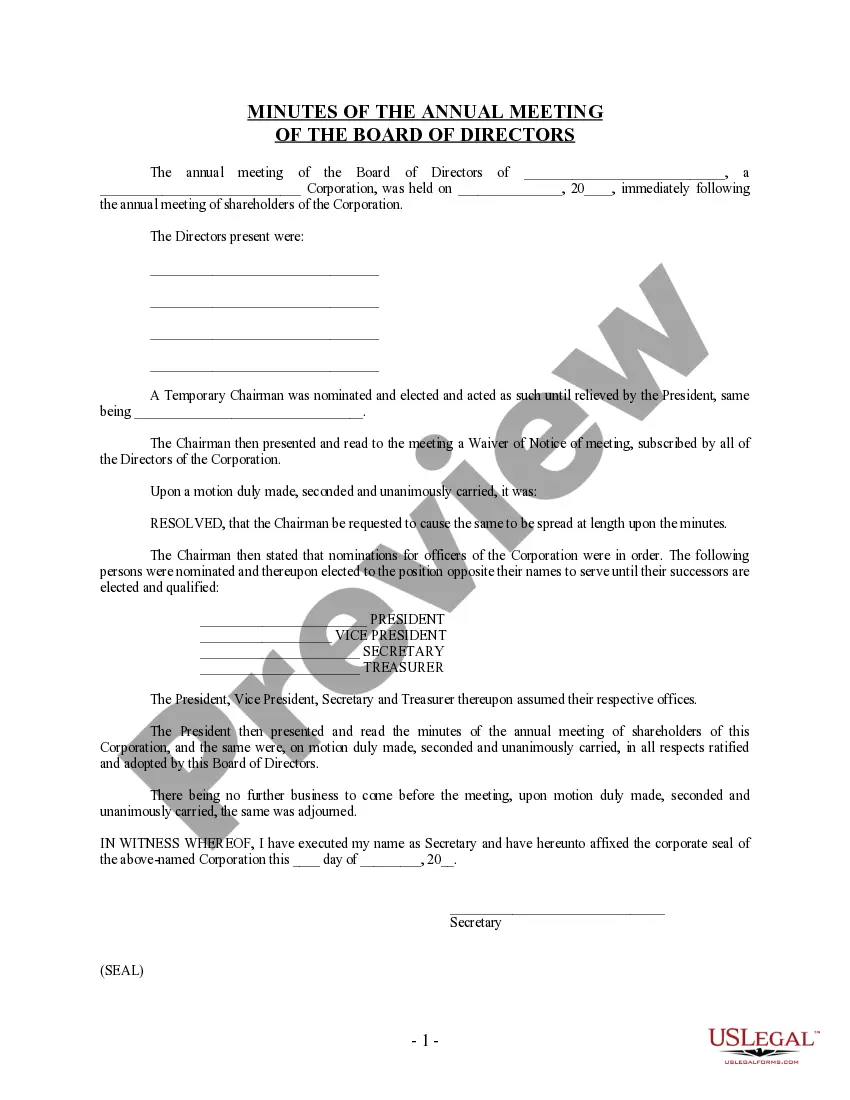
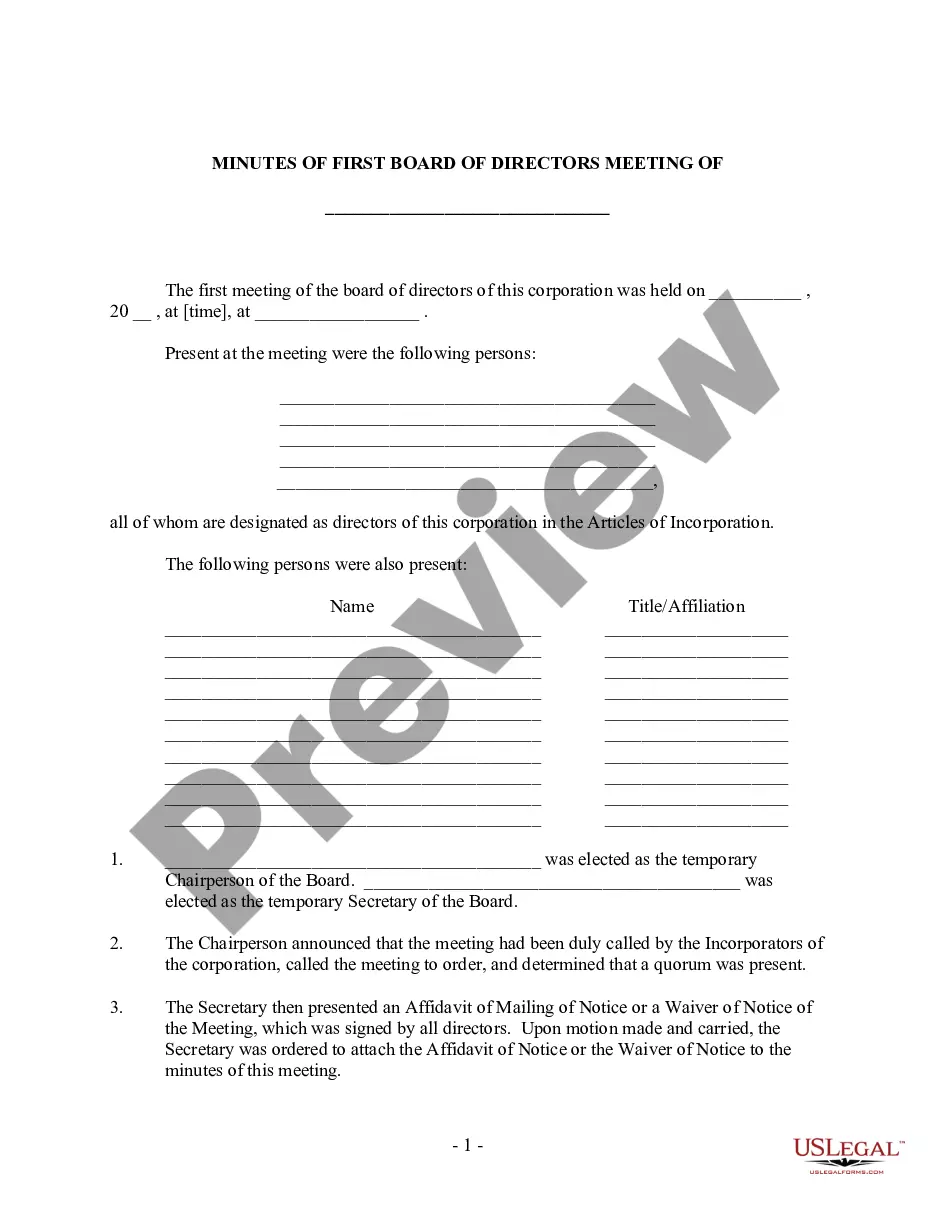
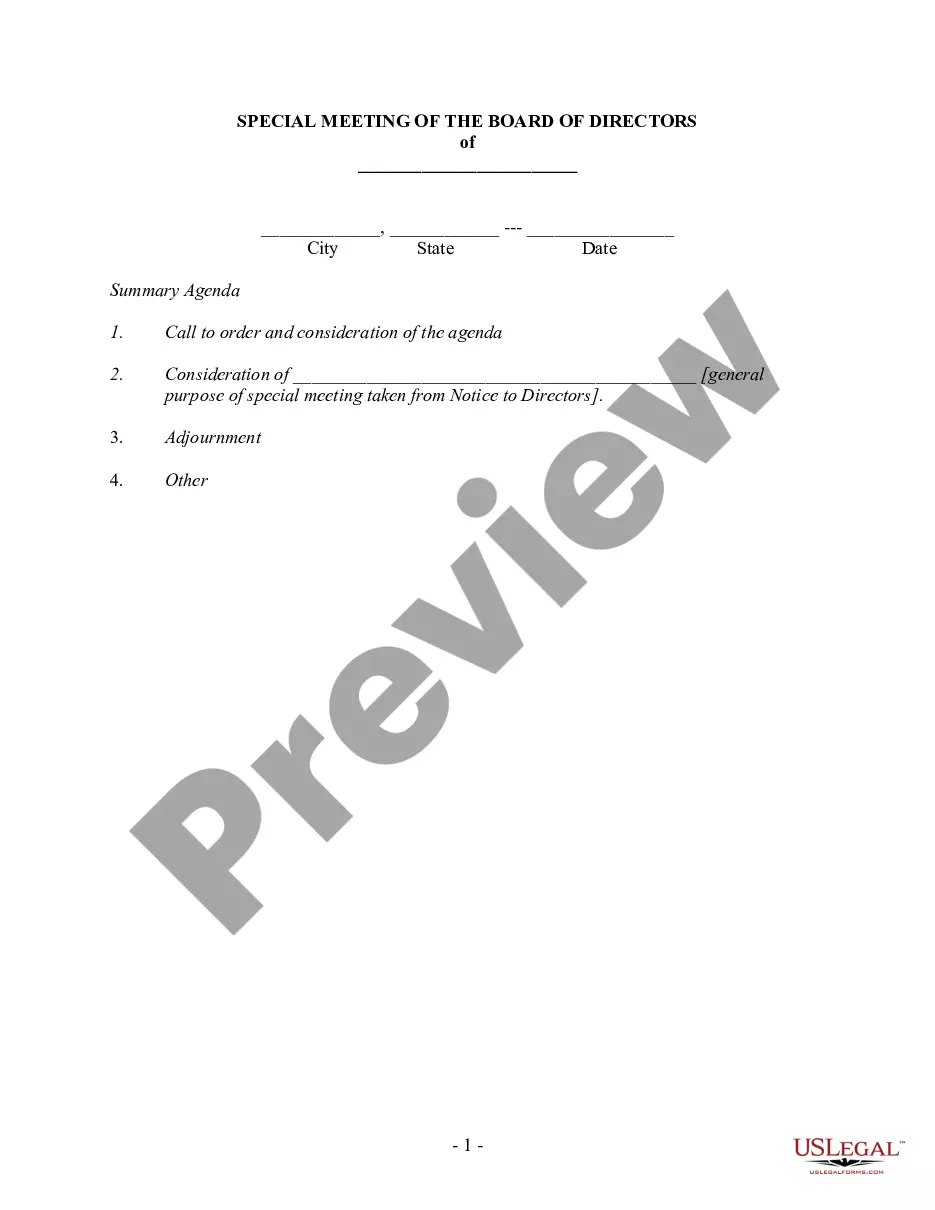
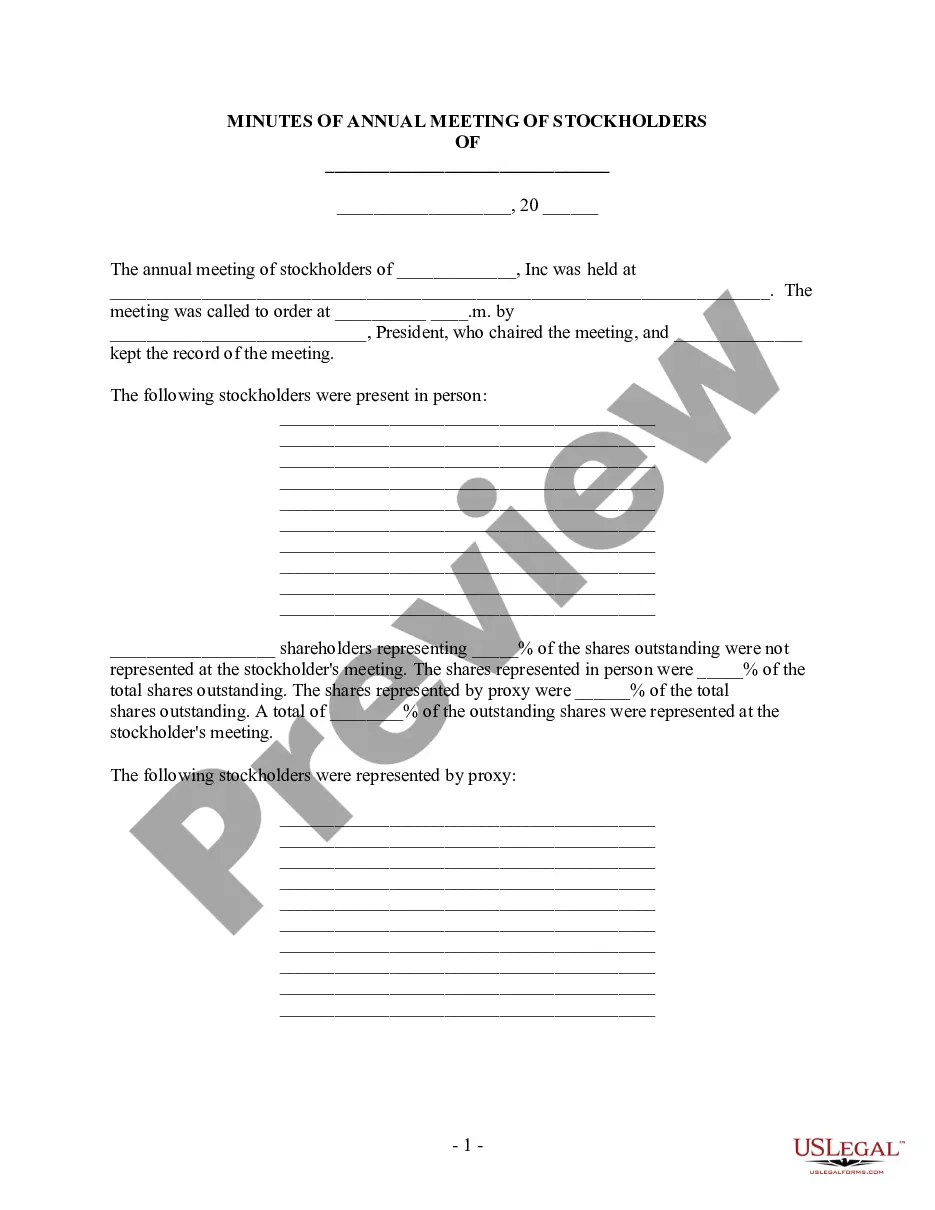
Business Meeting Format Agenda In Oakland
Description
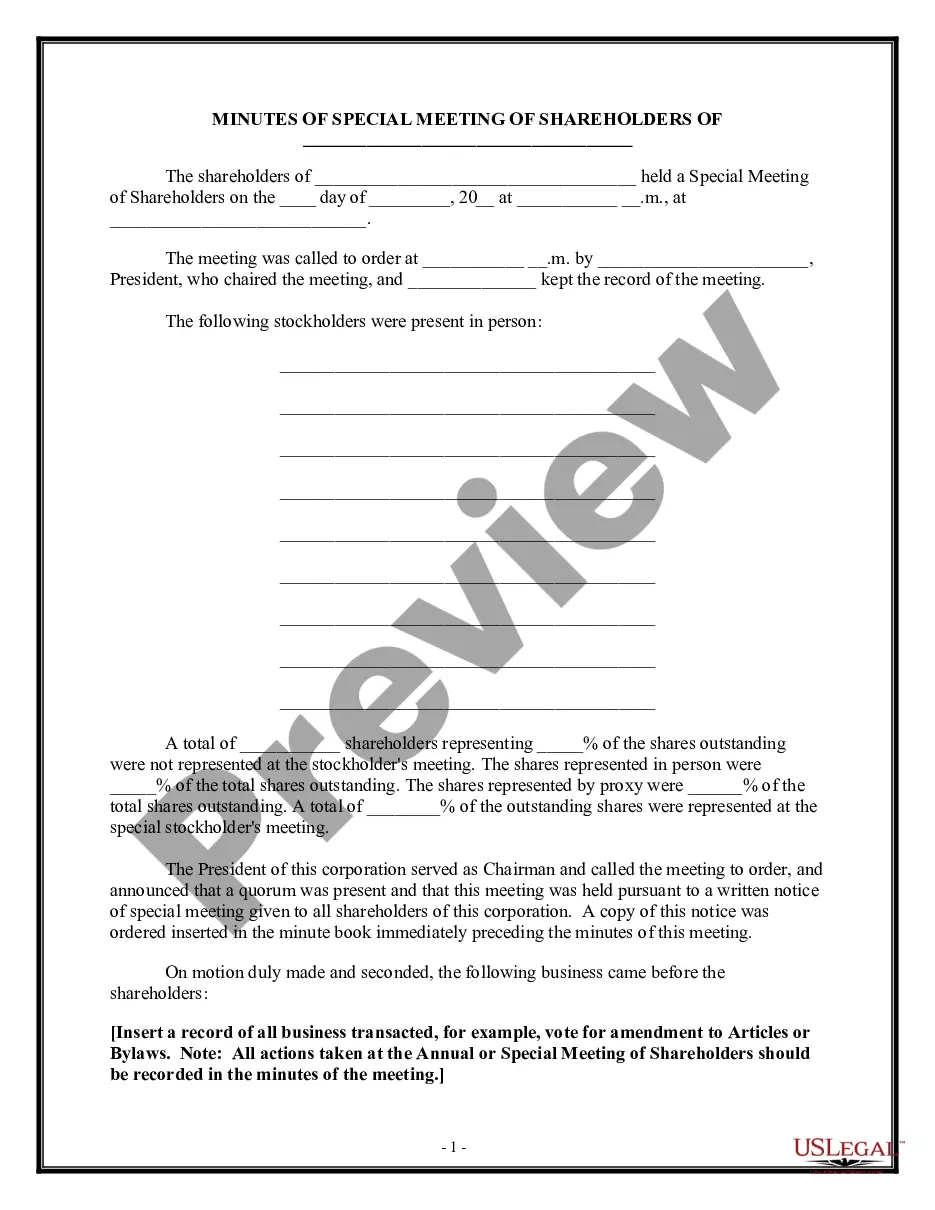
Get your form ready online
Our built-in tools help you complete, sign, share, and store your documents in one place.
Make edits, fill in missing information, and update formatting in US Legal Forms—just like you would in MS Word.
Download a copy, print it, send it by email, or mail it via USPS—whatever works best for your next step.
Sign and collect signatures with our SignNow integration. Send to multiple recipients, set reminders, and more. Go Premium to unlock E-Sign.
If this form requires notarization, complete it online through a secure video call—no need to meet a notary in person or wait for an appointment.
We protect your documents and personal data by following strict security and privacy standards.

Make edits, fill in missing information, and update formatting in US Legal Forms—just like you would in MS Word.

Download a copy, print it, send it by email, or mail it via USPS—whatever works best for your next step.

Sign and collect signatures with our SignNow integration. Send to multiple recipients, set reminders, and more. Go Premium to unlock E-Sign.

If this form requires notarization, complete it online through a secure video call—no need to meet a notary in person or wait for an appointment.

We protect your documents and personal data by following strict security and privacy standards.
Looking for another form?
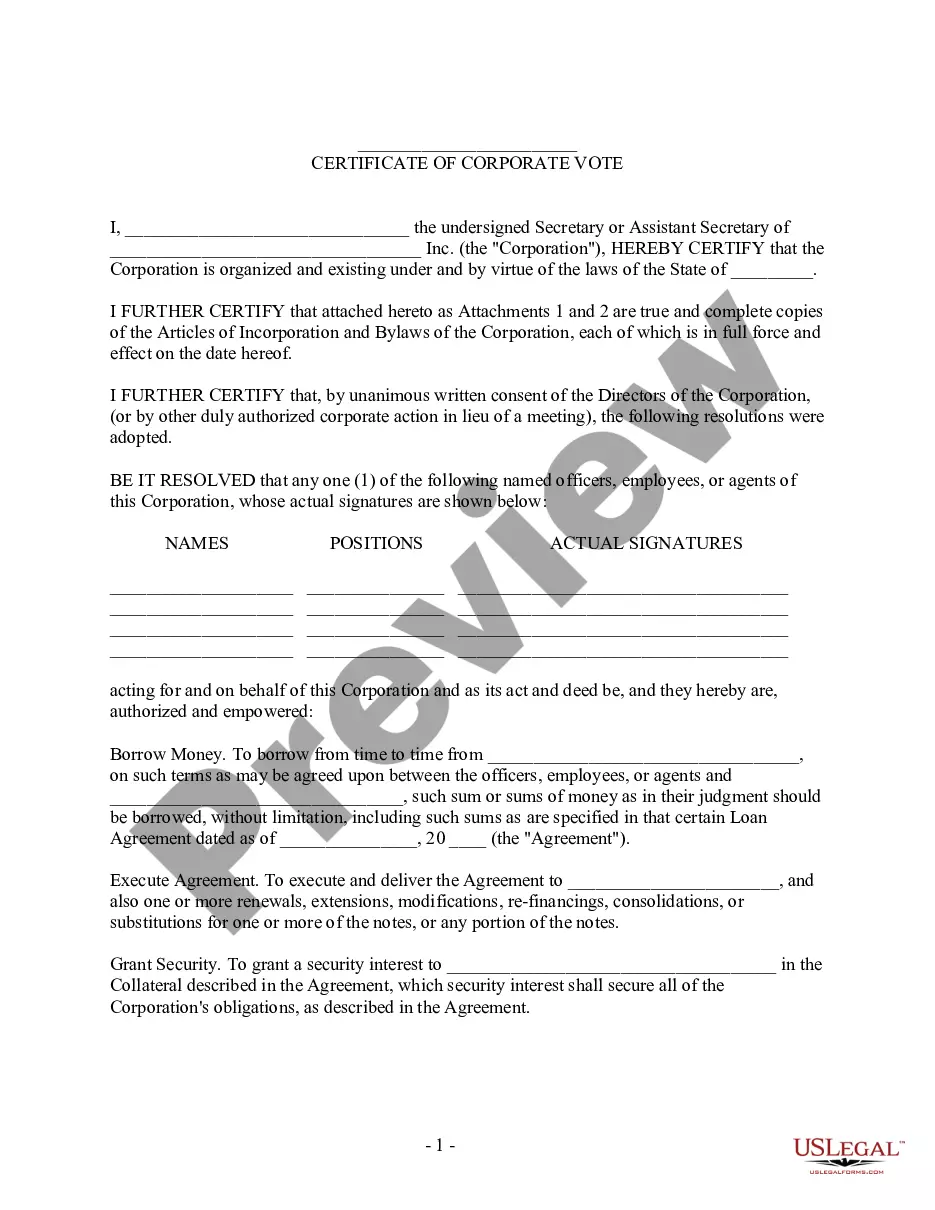

Form popularity
FAQ
Meeting agenda format: What to include Meeting goal: Explain why you're meeting and what you aim to accomplish. Date, time, and location: It may seem obvious, but don't forget the basics! ... Attendees: List everyone who should be present.
How to write a meeting agenda Clarify meeting objectives. The first step in writing a meeting agenda is to clearly define any goals. Invite participant input. Outline key questions for discussion. Define each task's purpose. Allocate time for agenda items. Assign topic facilitators. Write the meeting agenda.
Take the time to create a thoughtful agenda by following these five steps: Define the meeting's objective. Determine who needs to attend. Gather input from team members. Prioritize agenda items. Assign clear roles and responsibilities.
What is a meeting agenda? A meeting agenda is a list of topics or activities you want to cover during your meeting. The main purpose of the agenda is to give participants a clear outline of what should happen in the meeting, who will lead each task and how long each step should take.
While the subject of your meeting will influence your final agenda draft, most meeting agendas will include the following six items: Meeting participants. Meeting objectives. Agenda items. Time frames. Supporting documents. Action items.
For urgent issues, call 311 or (510) 615-5566.
Make Sure You Have These 7 Items on Your Next Meeting Agenda Meeting name. Date and time of the meeting. Specific agenda items. Amount of time for each agenda item. Name next to each agenda item. Meeting introduction. Meeting wrap-up. Learn how to run effective meetings.
Here are the five easy steps you can follow to create the right meeting agenda for your team: Establish the meeting type. State the objective of the meeting. Identify specific meeting topics. Allocate time to discuss each topic. Include a list of necessary documents.
How to write a meeting agenda in 5 steps Define the meeting's objective. When building an agenda, think about why you are having the meeting to begin with. Determine who needs to attend. Gather input from team members. Prioritize agenda items. Assign clear roles and responsibilities.