Business Meeting Format In Nassau
Description

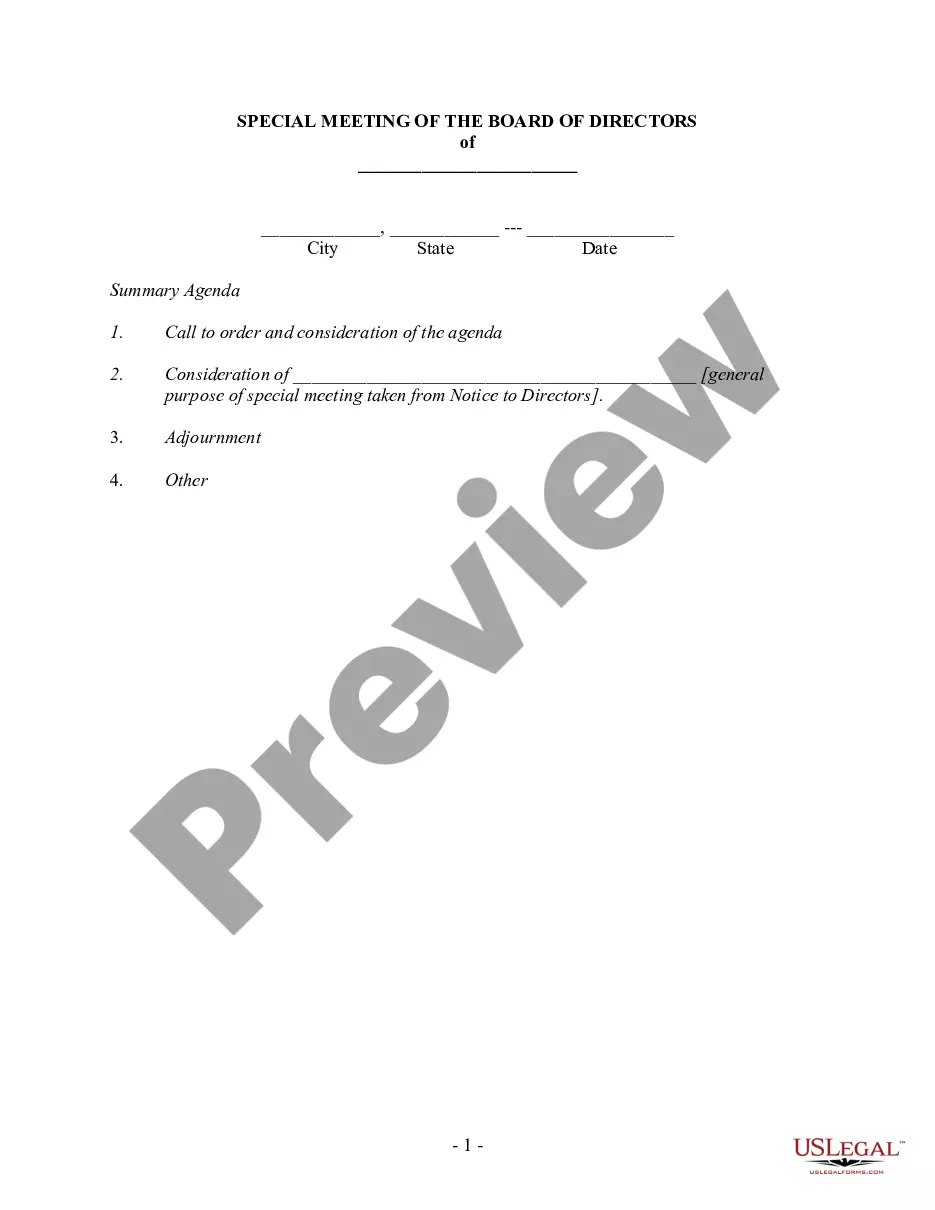


Get your form ready online
Our built-in tools help you complete, sign, share, and store your documents in one place.
Make edits, fill in missing information, and update formatting in US Legal Forms—just like you would in MS Word.
Download a copy, print it, send it by email, or mail it via USPS—whatever works best for your next step.
Sign and collect signatures with our SignNow integration. Send to multiple recipients, set reminders, and more. Go Premium to unlock E-Sign.
If this form requires notarization, complete it online through a secure video call—no need to meet a notary in person or wait for an appointment.
We protect your documents and personal data by following strict security and privacy standards.

Make edits, fill in missing information, and update formatting in US Legal Forms—just like you would in MS Word.

Download a copy, print it, send it by email, or mail it via USPS—whatever works best for your next step.

Sign and collect signatures with our SignNow integration. Send to multiple recipients, set reminders, and more. Go Premium to unlock E-Sign.

If this form requires notarization, complete it online through a secure video call—no need to meet a notary in person or wait for an appointment.

We protect your documents and personal data by following strict security and privacy standards.
Looking for another form?




Form popularity
FAQ
1 Call to order. A board meeting agenda should begin with a call to order, welcoming remarks, and the gathering's objectives. 2 Agenda adjustments. 3 Approval of previous meeting's minutes. 4 Reports. 5 Old business. 6 New business. 7 Comments and announcements. 8 Adjournment.
How to Write a Meeting Agenda? 5 Key Steps Establish the meeting type. Not informing your team about the type of meeting they'd be attending can cause a lot of confusion. State the objective of the meeting. Identify specific meeting topics. Allocate time to discuss each topic. Include a list of necessary documents.
Welcome Well, since everyone is here, we should get started. Hello, everyone. Thank you for coming today. I think we'll begin now. First I'd like to welcome you all. Thank you all for coming at such short notice. I really appreciate you all for attending today. We have a lot to cover today, so we really should begin.
Here's how to do it effectively. Clarify meeting objectives. The first step in writing a meeting agenda is to clearly define any goals. Invite participant input. Outline key questions for discussion. Define each task's purpose. Allocate time for agenda items. Assign topic facilitators. Write the meeting agenda.
Examples of opening and closing remarks for meetings include quick welcomes to attendees, announcements explaining the reason for the meeting, and conclusions that wrap up the content covered. You can use conference jokes or conference quotes as your opening or closing remarks, alongside icebreaker jokes.
At the start of each session, the host should state the purpose of the meeting, quickly review the agenda, and ask participants if they have any questions. One way leaders can learn how to address a meeting is by incorporating the IEEI framework into each group session.
Effective Facilitation Techniques to Start a Meeting as a Host Start the meeting on time. Your opening words (IEEI). Confirm the agenda. Review the ground rules. Review the parking boards. Make introductions if needed. Encourage participation. Stay on track.
4 Steps to Running an Effective Open Meeting Set Up the Room. Seat all your board members at a head table. Follow the Agenda. Keep your agenda limited to the business at hand, small items that are easily accomplished first, and controversial or complex issues next. Provide Any Necessary Handouts. Conduct the Meeting.
You can start the meeting with the classic 'Good morning/afternoon' and then thank all the attendees for joining. Here's an example: Good morning, everyone! Thank you for taking time out of your busy schedule and joining us for a discussion. Or, 'Good morning, everyone!

