Business Meeting Format In Montgomery
Description



Get your form ready online
Our built-in tools help you complete, sign, share, and store your documents in one place.
Make edits, fill in missing information, and update formatting in US Legal Forms—just like you would in MS Word.
Download a copy, print it, send it by email, or mail it via USPS—whatever works best for your next step.
Sign and collect signatures with our SignNow integration. Send to multiple recipients, set reminders, and more. Go Premium to unlock E-Sign.
If this form requires notarization, complete it online through a secure video call—no need to meet a notary in person or wait for an appointment.
We protect your documents and personal data by following strict security and privacy standards.

Make edits, fill in missing information, and update formatting in US Legal Forms—just like you would in MS Word.

Download a copy, print it, send it by email, or mail it via USPS—whatever works best for your next step.

Sign and collect signatures with our SignNow integration. Send to multiple recipients, set reminders, and more. Go Premium to unlock E-Sign.

If this form requires notarization, complete it online through a secure video call—no need to meet a notary in person or wait for an appointment.

We protect your documents and personal data by following strict security and privacy standards.
Looking for another form?







Form popularity
FAQ
How to Build an Effective Meeting Structure Define Clear Objectives: Develop an Agenda: Prioritize Agenda Items: Assign Roles and Responsibilities: Invite the Right Participants: Communicate the Purpose: Stick to the Schedule: Foster Active Participation:
Welcome Well, since everyone is here, we should get started. Hello, everyone. Thank you for coming today. I think we'll begin now. First I'd like to welcome you all. Thank you all for coming at such short notice. I really appreciate you all for attending today. We have a lot to cover today, so we really should begin.
The 4 Ps of a meeting agenda stands for Purpose, Product, People, and Process. These elements help guide the structure of a meeting, ensuring that it stays focused, efficient, and productive.
Examples of formal meetings are finance committee meetings, board of directors meetings, and annual shareholders meetings. Another type of meeting is an informal meeting, which is used to address daily operational and policy issues.
To attend meetings in person, go to the Council Hearing Room at the County Government Building, 100 Maryland Avenue, Rockville, Maryland 20850. To watch meetings online, go to the Council's YouTube page here or go to the Council's Facebook page here.
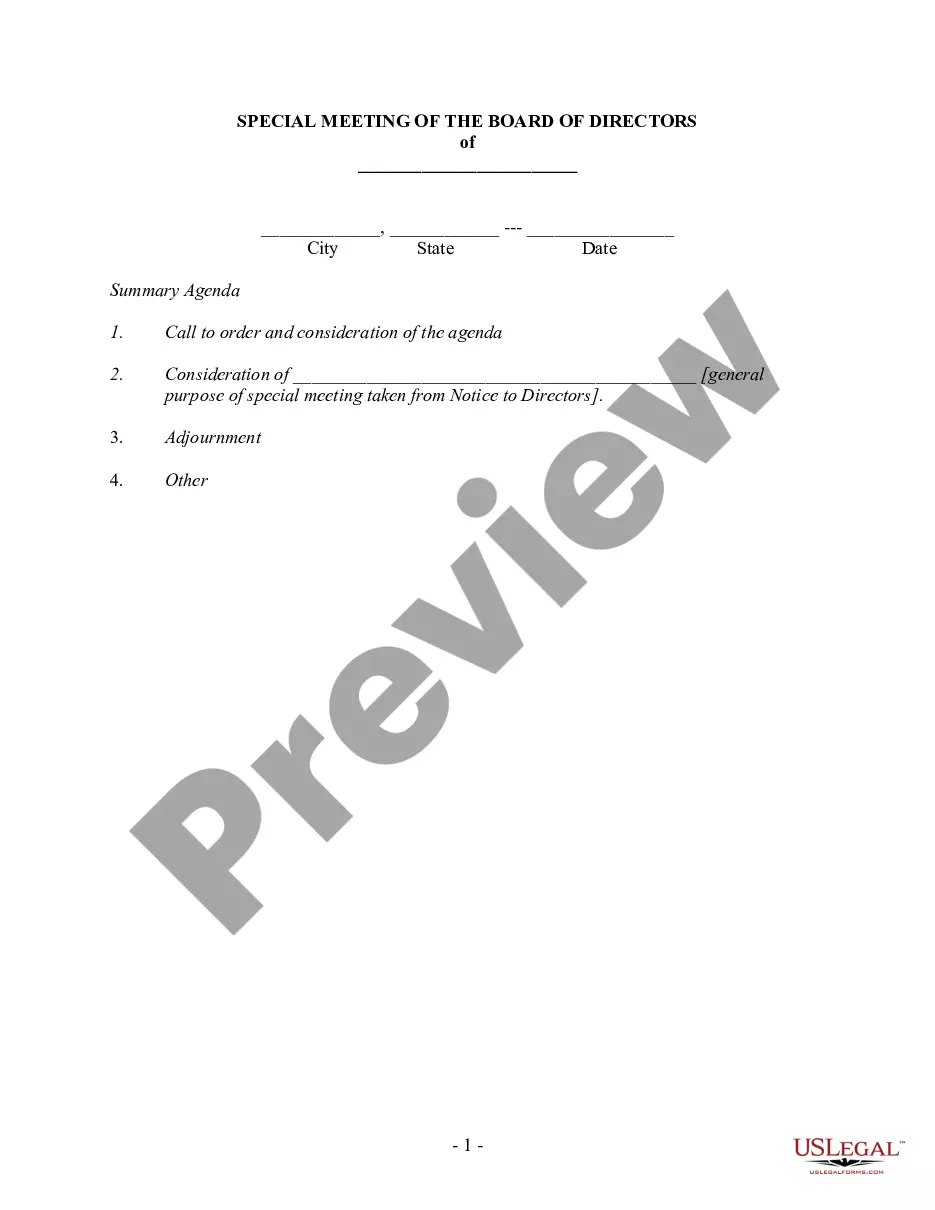
How to Write a Meeting Agenda? 5 Key Steps Establish the meeting type. Not informing your team about the type of meeting they'd be attending can cause a lot of confusion. State the objective of the meeting. Identify specific meeting topics. Allocate time to discuss each topic. Include a list of necessary documents.
How to write a meeting agenda in 5 steps Define the meeting's objective. When building an agenda, think about why you are having the meeting to begin with. Determine who needs to attend. Gather input from team members. Prioritize agenda items. Assign clear roles and responsibilities.
The structure of a business meeting is an outline of specific activities that helps a team to progress and be effective. Following a business meeting structure can help ensure that the team keeps its focus on a topic and accomplishes the objective of a meeting.
How to Write a Meeting Agenda? 5 Key Steps Establish the meeting type. Not informing your team about the type of meeting they'd be attending can cause a lot of confusion. State the objective of the meeting. Identify specific meeting topics. Allocate time to discuss each topic. Include a list of necessary documents.
7 Step Meeting Process Clarify Aim/Purpose. Assign Roles. Review Agenda. Work through Agenda. Review meeting record. Plan Next Steps and Next Agenda. Evaluate.

