Sample Letter To Client Withdrawing As Counsel In Palm Beach
Description

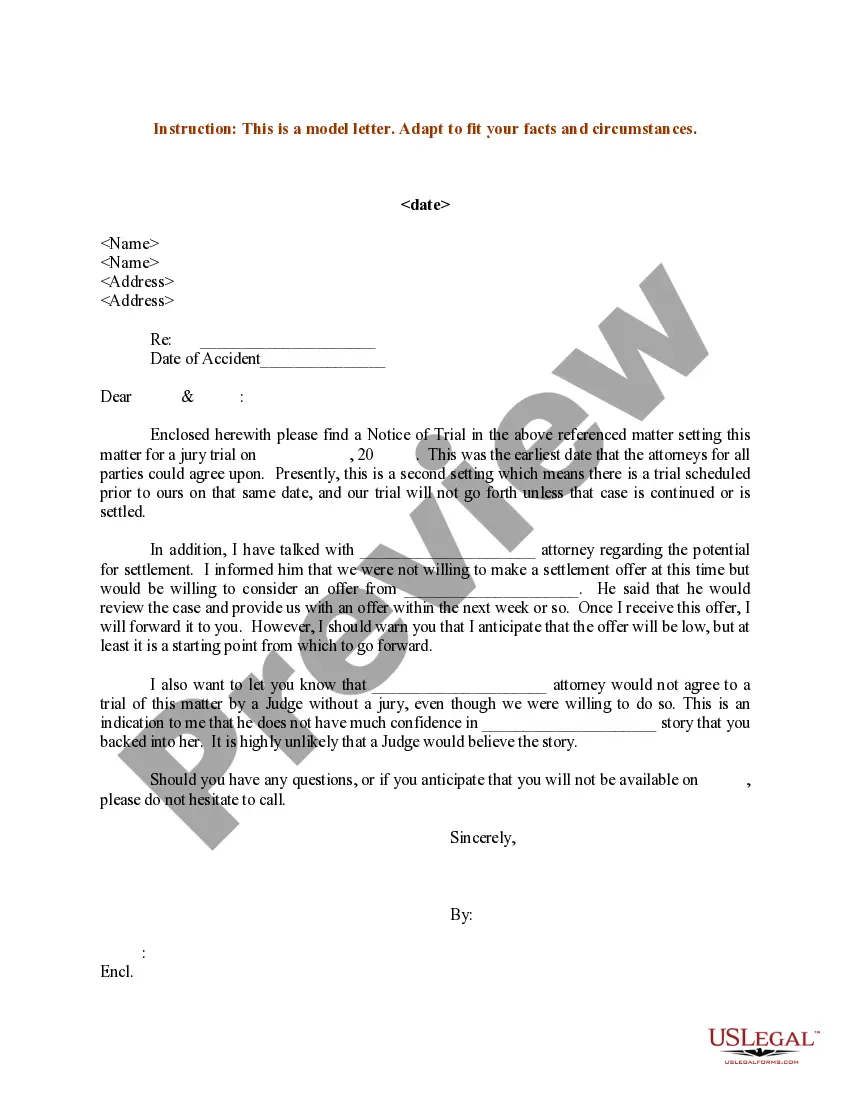
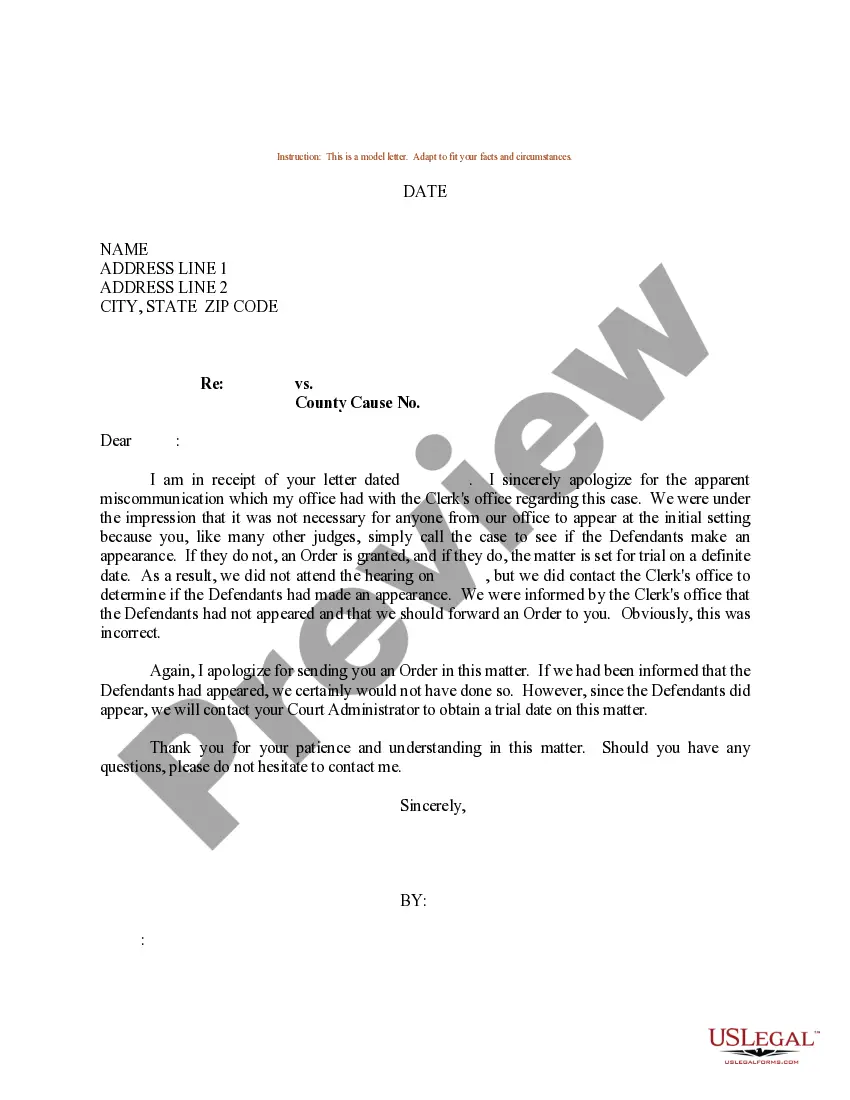
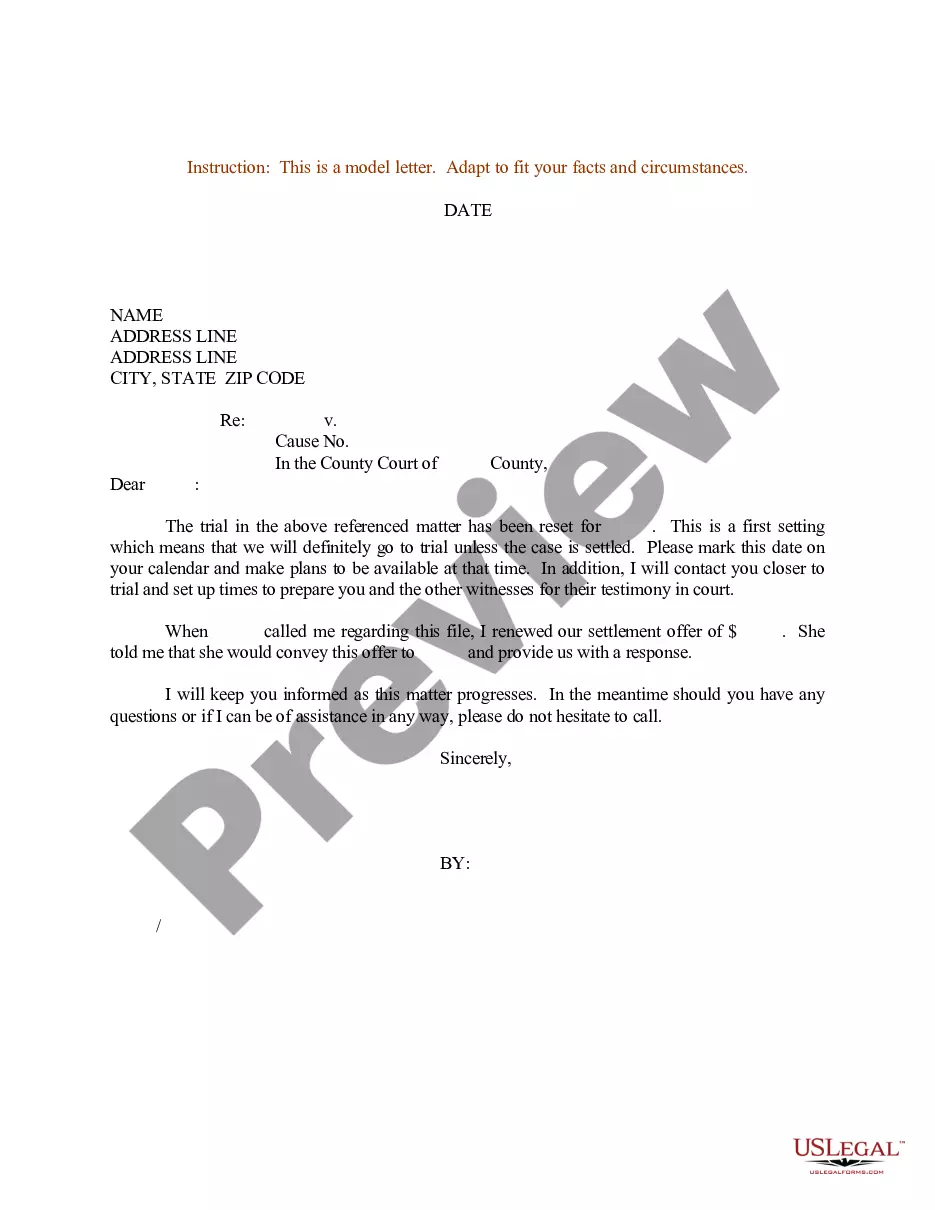
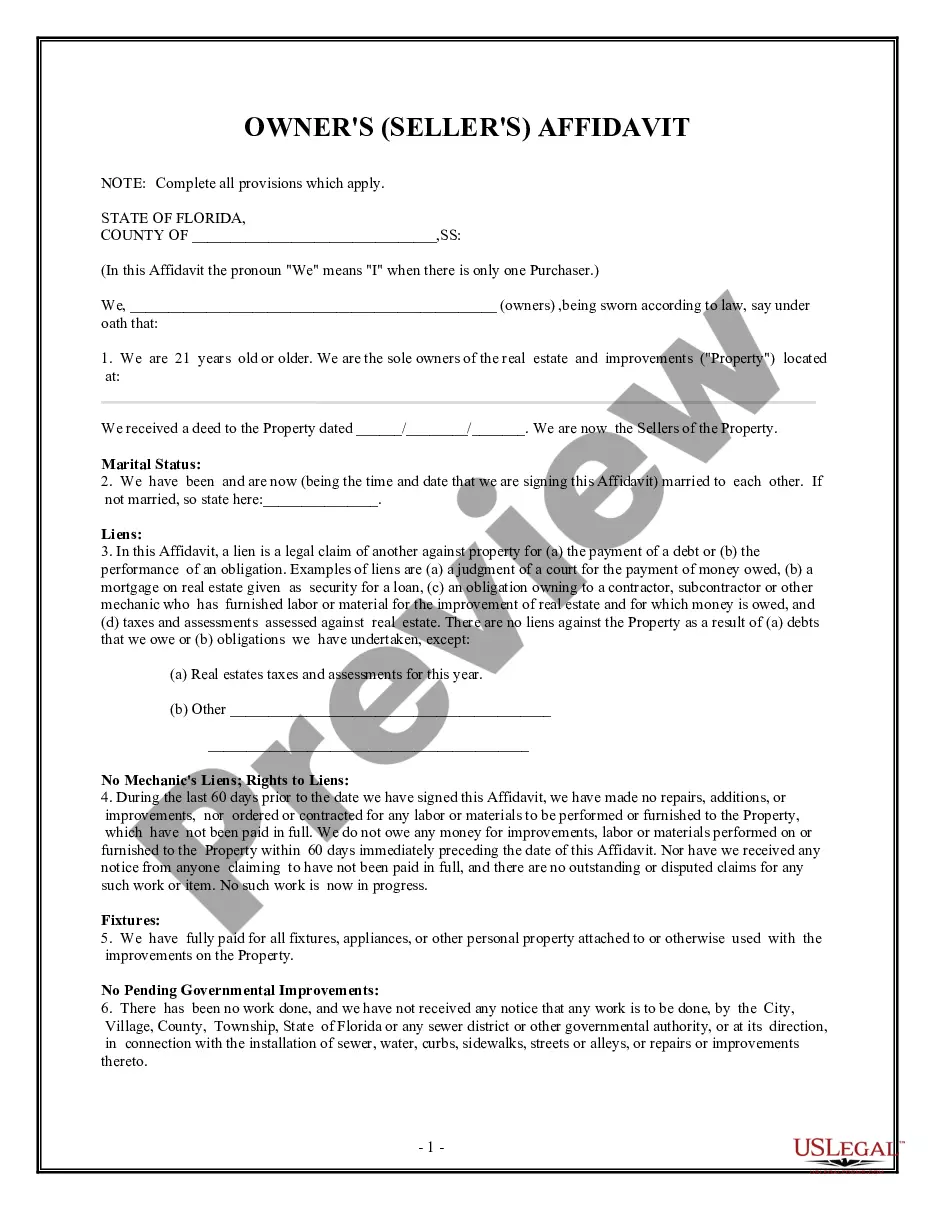
Get your form ready online
Our built-in tools help you complete, sign, share, and store your documents in one place.
Make edits, fill in missing information, and update formatting in US Legal Forms—just like you would in MS Word.
Download a copy, print it, send it by email, or mail it via USPS—whatever works best for your next step.
Sign and collect signatures with our SignNow integration. Send to multiple recipients, set reminders, and more. Go Premium to unlock E-Sign.
If this form requires notarization, complete it online through a secure video call—no need to meet a notary in person or wait for an appointment.
We protect your documents and personal data by following strict security and privacy standards.

Make edits, fill in missing information, and update formatting in US Legal Forms—just like you would in MS Word.

Download a copy, print it, send it by email, or mail it via USPS—whatever works best for your next step.

Sign and collect signatures with our SignNow integration. Send to multiple recipients, set reminders, and more. Go Premium to unlock E-Sign.

If this form requires notarization, complete it online through a secure video call—no need to meet a notary in person or wait for an appointment.

We protect your documents and personal data by following strict security and privacy standards.
Looking for another form?








Form popularity
FAQ
Conclusion. Misrepresentation can have serious implications for contractual relationships, leading to disputes and legal action. By understanding the concept of misrepresentation and its consequences, parties can take steps to mitigate risks and protect their interests when entering into contracts.
A disengagement letter is especially critical when a lawyer decides not to continue past a specific stage in a case. The lawyer should send a disengagement letter to establish that the relationship is no longer continuing, and to refer the client to another lawyer.
What should I say in my client termination letter? Clearly state the purpose of the letter at the start. Share the reason for termination (optional) ... Express your appreciation for their business. Confirm outstanding work, outstanding fees, and your termination date. Offer a recommendation (optional)
Even if the matter is not pending before a tribunal, the ethics rules of most states provide that a lawyer cannot withdraw until he or she has taken reasonable steps to avoid foreseeable prejudice to the rights of his client, such as giving notice to the client, allowing time for employment of other counsel, delivering ...
It means that the lawyer who filed the notice no longer considers themselves the party's lawyer. Unless the case is over, the proper way to withdraw is to file a Motion to Withdraw, and get and order granting the motion.
The Overarching Conclusion precisely and concisely answers the legal question and acknowledges the governing law. The Overarching Conclusion includes a because statement that precisely and concisely explains the reasons for the outcome.
Even if the matter is not pending before a tribunal, the ethics rules of most states provide that a lawyer cannot withdraw until he or she has taken reasonable steps to avoid foreseeable prejudice to the rights of his client, such as giving notice to the client, allowing time for employment of other counsel, delivering ...
The decision to decline a representation is best to communicate that declination in writing. "Non-engagement letters" should clearly inform the prospective client that the law firm will not represent the prospective client in that matter and that he or she should not rely on the lawyer for any advice or legal action.
Ceasing to act Once you have taken on a client, you should not cease to act without good reason and without providing reasonable notice. If you do need to stop acting for a client, you should explain the client's options.

