Sample Email To Client For Company Introduction In Franklin
Description

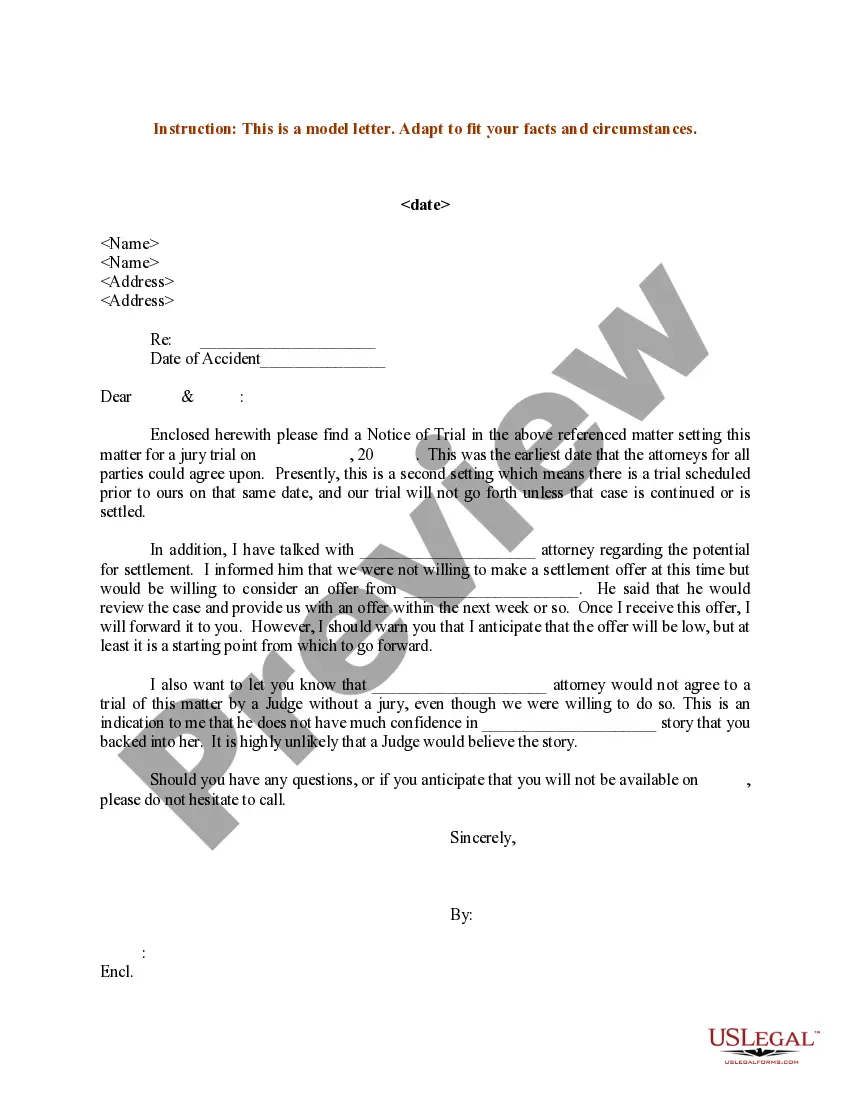
Get your form ready online
Our built-in tools help you complete, sign, share, and store your documents in one place.
Make edits, fill in missing information, and update formatting in US Legal Forms—just like you would in MS Word.
Download a copy, print it, send it by email, or mail it via USPS—whatever works best for your next step.
Sign and collect signatures with our SignNow integration. Send to multiple recipients, set reminders, and more. Go Premium to unlock E-Sign.
If this form requires notarization, complete it online through a secure video call—no need to meet a notary in person or wait for an appointment.
We protect your documents and personal data by following strict security and privacy standards.

Make edits, fill in missing information, and update formatting in US Legal Forms—just like you would in MS Word.

Download a copy, print it, send it by email, or mail it via USPS—whatever works best for your next step.

Sign and collect signatures with our SignNow integration. Send to multiple recipients, set reminders, and more. Go Premium to unlock E-Sign.

If this form requires notarization, complete it online through a secure video call—no need to meet a notary in person or wait for an appointment.

We protect your documents and personal data by following strict security and privacy standards.
Looking for another form?







Form popularity
FAQ
Format: Emails are typically formatted in block format: the entire message is left justified, single spaced except for an added space between paragraphs, with no extra indentation for paragraphs. White space (blank white space on the page) such as the extra spacing between paragraphs helps with readability!
You should start a professional email with a greeting and the name and title of the recipient (e.g., “Dear Mr. Walken”). Then, you should include an introductory line like I hope this email finds you well, followed by the body of the email.
Professional email characteristics A professional tone. An appropriate greeting. A clear and direct subject line. A concise message that states its purpose. An appropriate closing that explains what action should be taken. A sign-off.
There are five elements to consider when writing a formal email include: Subject. A subject line is what the reader sees in their inbox. Greeting. Choose a professional greeting, also called a salutation, to start with a strong impression. Opening lines and body. Closing. Signature.
Example of professional email: Thank you for meeting with me (Date) to discuss the (Position) at (Company Name). Our conversation made me even more enthusiastic about the role. It demonstrated that my skills align perfectly with your requirements. I particularly enjoyed discussing (Specific Topic).
How to write an introductory email? 8 Easy Steps Write a compelling subject line. Tailor your greeting to the situation. Make your first line about them. Explain the reason for reaching out. Provide them with value. Add a call to action. Thank them for their time. Follow-up after a while.
Here are the steps for writing an effective business introduction email template: Write a compelling subject line. Create a personalised greeting. Introduce yourself. Explain the purpose of the email. Add a call-to-action. Use a professional closing. Include your professional signature. Proofread and edit your email.
Sending an Introduction Letter or Email Introduce yourself and the name of your company. To start an introductory letter for your company. Explain what your company does and what its mission is. Expand on why you're writing your letter. Include next steps and suggest a meeting or conversation.
How to create a company presentation Talk about the company. Define the company's services. Describe the leadership and employees. Give examples of past projects. Provide reviews and testimonials. Keep it short. Use a professional design. Be passionate.
How to write an introductory email? 8 Easy Steps Write a compelling subject line. Tailor your greeting to the situation. Make your first line about them. Explain the reason for reaching out. Provide them with value. Add a call to action. Thank them for their time. Follow-up after a while.

