Sample Email To Client After Meeting In Cuyahoga
Description
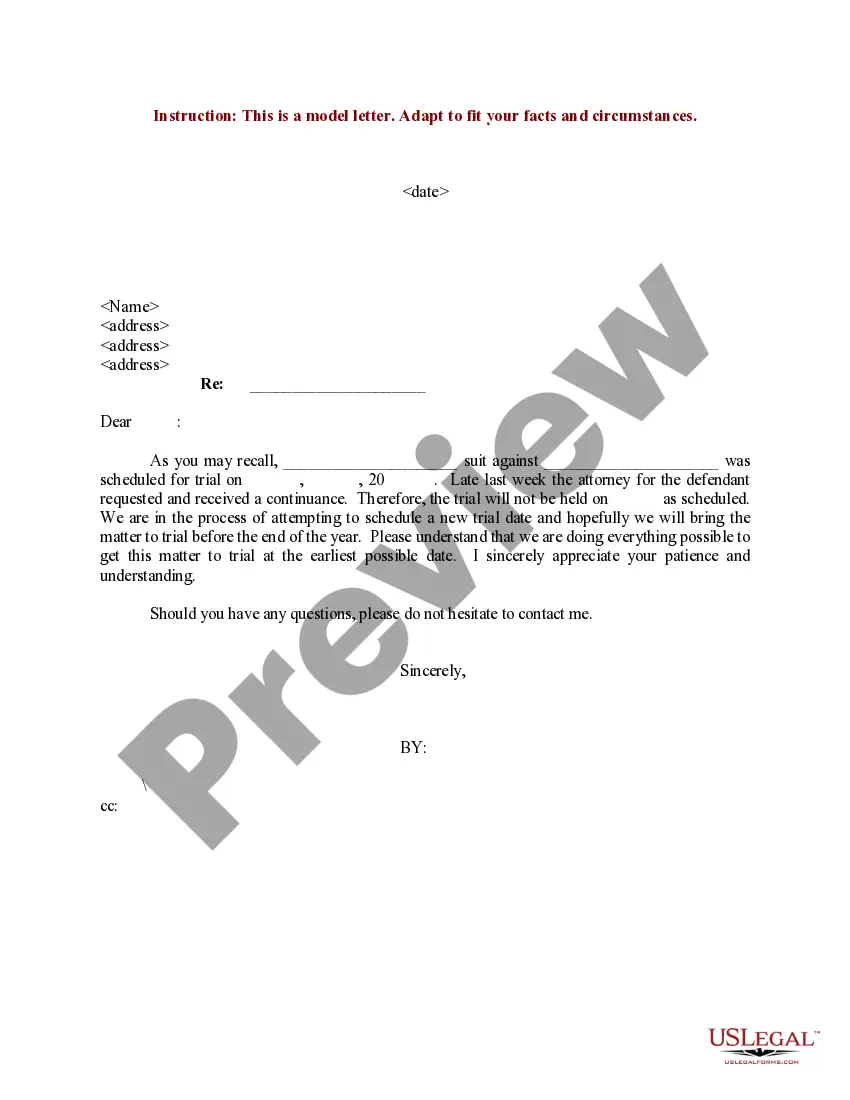
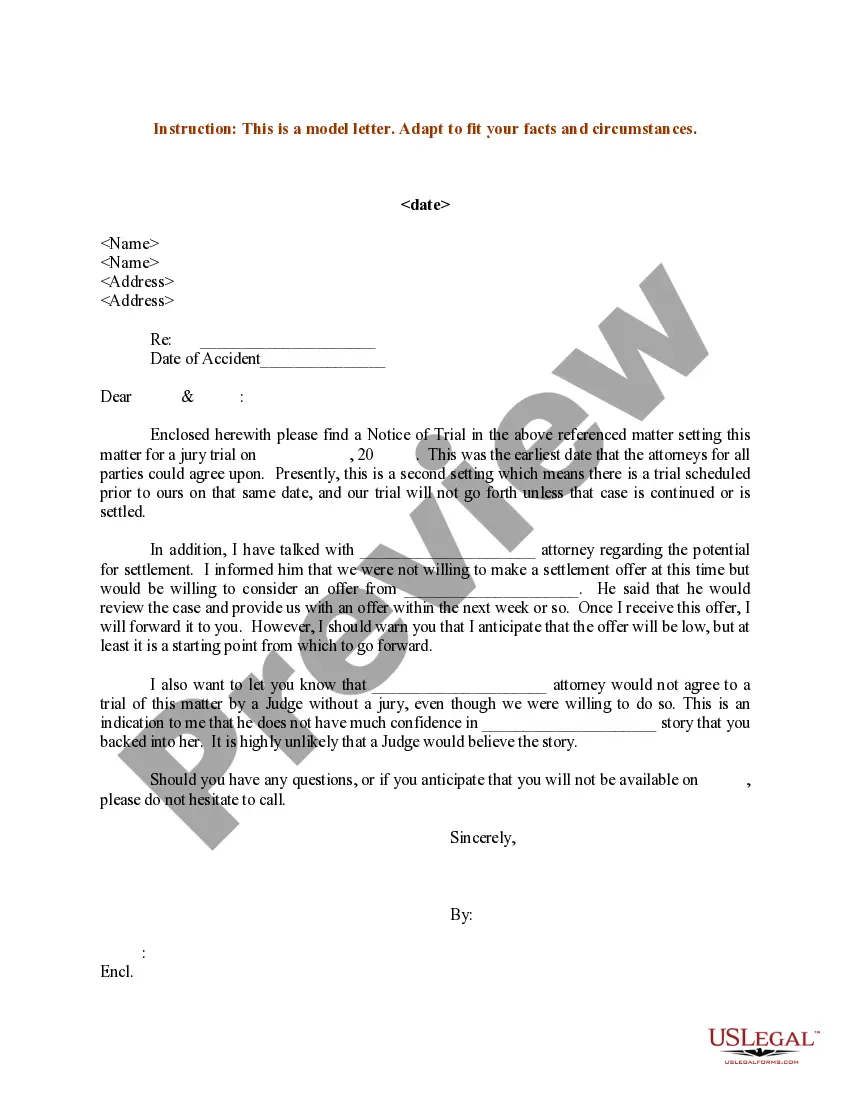
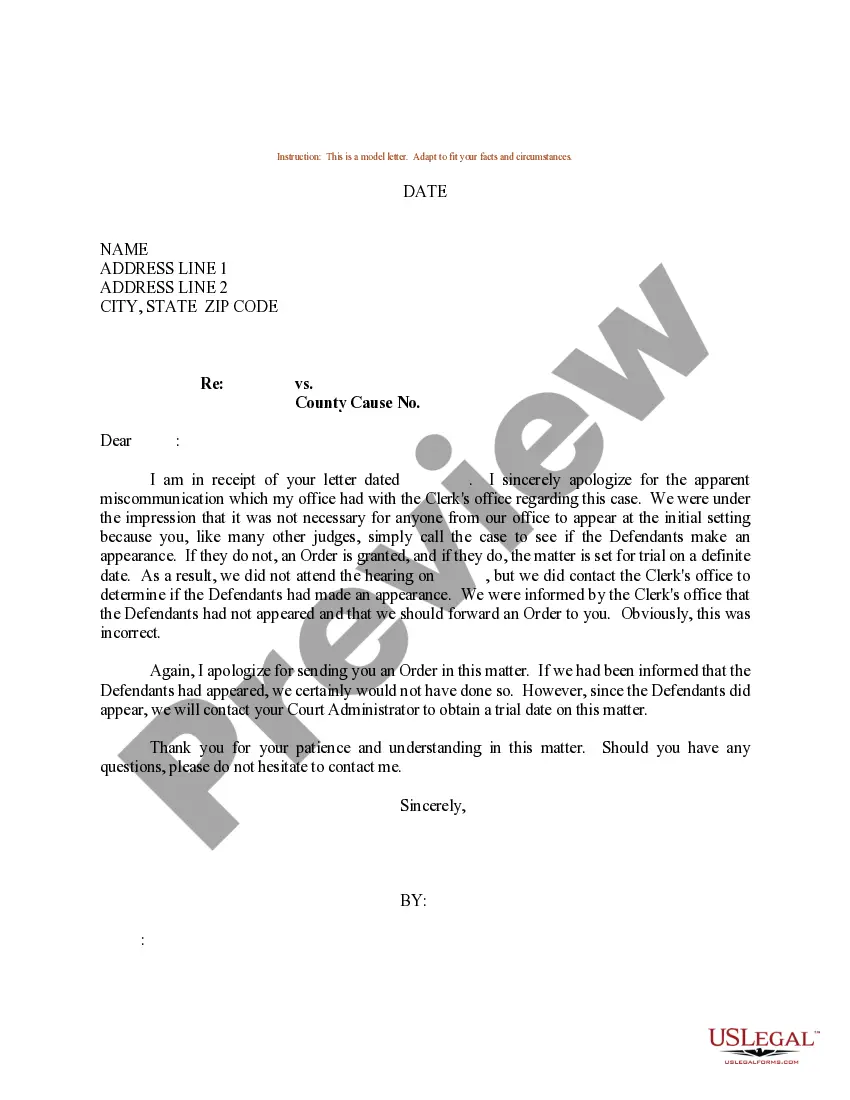
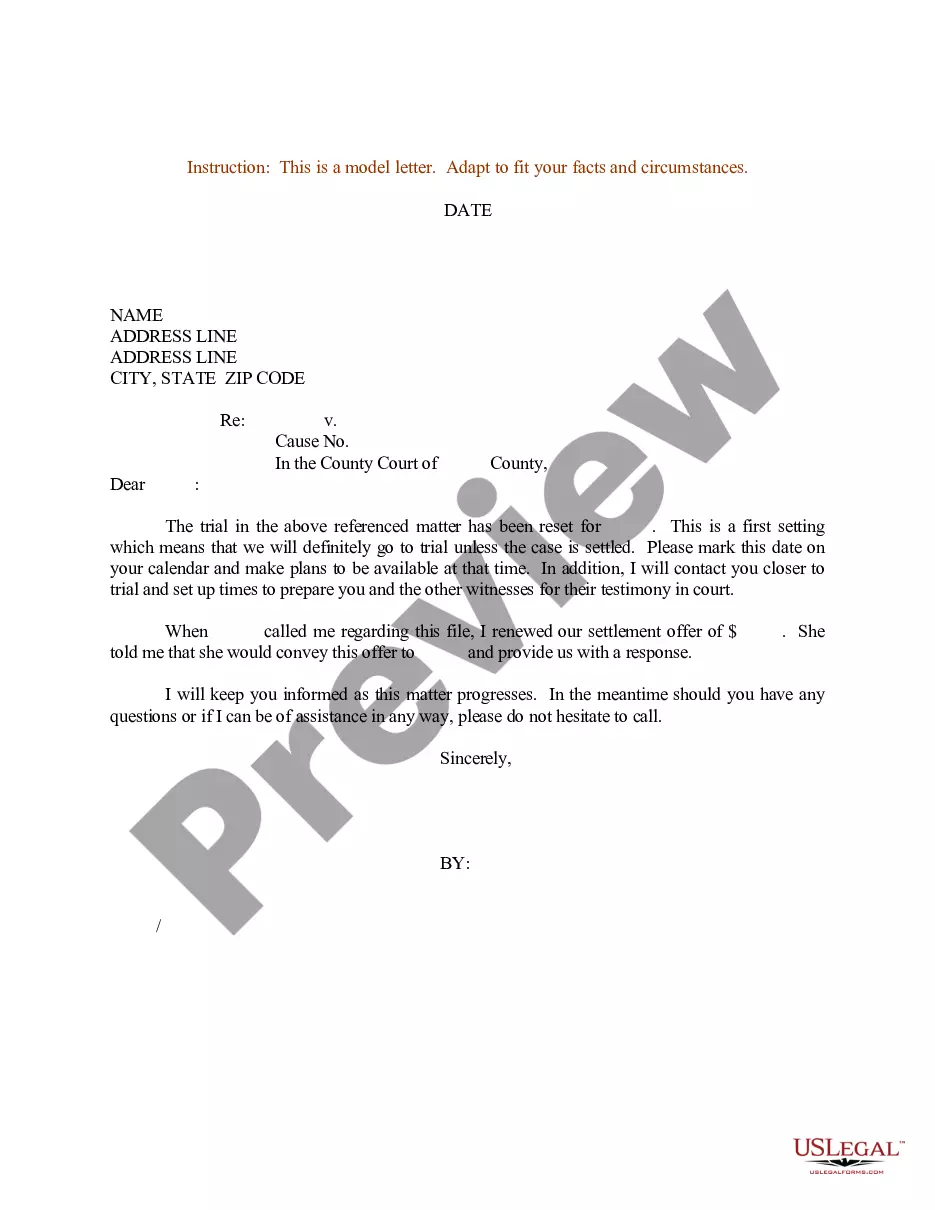
Get your form ready online
Our built-in tools help you complete, sign, share, and store your documents in one place.
Make edits, fill in missing information, and update formatting in US Legal Forms—just like you would in MS Word.
Download a copy, print it, send it by email, or mail it via USPS—whatever works best for your next step.
Sign and collect signatures with our SignNow integration. Send to multiple recipients, set reminders, and more. Go Premium to unlock E-Sign.
If this form requires notarization, complete it online through a secure video call—no need to meet a notary in person or wait for an appointment.
We protect your documents and personal data by following strict security and privacy standards.

Make edits, fill in missing information, and update formatting in US Legal Forms—just like you would in MS Word.

Download a copy, print it, send it by email, or mail it via USPS—whatever works best for your next step.

Sign and collect signatures with our SignNow integration. Send to multiple recipients, set reminders, and more. Go Premium to unlock E-Sign.

If this form requires notarization, complete it online through a secure video call—no need to meet a notary in person or wait for an appointment.

We protect your documents and personal data by following strict security and privacy standards.
Looking for another form?








Form popularity
FAQ
How to write a meeting follow-up email Show appreciation. Recap the meeting. Summarize key decisions. Add next steps. Include the next meeting date.
1 Send it within 24 hours of the meeting. Don't wait — send your follow-up email after meeting someone within 24 hours. 2 Keep it short and to the point. No one wants to read a long email. 3 Clarify and assign action items. 4 End on a positive note.
FAQ regarding meeting follow-up emails When relevant, mention key points discussed, express gratitude for their time, and outline any action points or next steps discussed during the meeting. Add your contact info and, if possible, offer the attendee a chance to book a second meeting.
Here's a proven 'sandwich' on how to write a follow-up email after meeting someone: Greeting; Quick reference to where you've met / what you've discussed; Purpose of the email/value or ideas proposed; Call to action; Thanks for your time + Sign off (preferably with an email signature).
Hi (Name), I hope this email finds you well. It was a pleasure meeting you at (event name) yesterday. I enjoyed our conversation about (topic discussed), and I'm looking forward to the possibility of staying in touch. As we discussed, (mention any specific follow-up actions or topics you discussed, if applicable).
Generally speaking, the best way to follow up is to respond in what ever manner your prospect prefers. The content of your response should be a reprisal of your discussion, highlight any agreements made (including who is responsible and when), and provide all materials you agreed to provide as a result of your meeting
How to Write a Meeting Summary Email After a Meeting Craft a Clear Subject Line. Thank People for Their Time and Effort. Summarize Key Points Covered During the Meeting. Outline Action Items, Deadlines, and Next Steps. Attach or Link to Relevant Resources and Documents. Invite People to Ask Questions or Reconvene.
Tips for your next post-meeting follow-up email Write your email subject line based on the meeting topic. Say thank you. Reaffirm next steps. Read the email more than twice. Include some level of personalization. Send your recap email in a timely manner to stay top of mind.
Take the following steps when writing a thank you email after your sales meeting: Create a subject line. Provide a personalized greeting. Express your gratitude. Recap your meeting. Answer questions. Provide a key takeaway. Conclude with your email signature. Proofread your email.
So, the next time you write a follow-up email, begin with something like “Hey David” instead of launching right into the task. If you want to sound a bit more formal, you can also say “Dear name” or “Hi name.” Just make sure to add your prospect's name, as it will help to grab their attention.

