Distributor Agreement With Company In Washington
Description

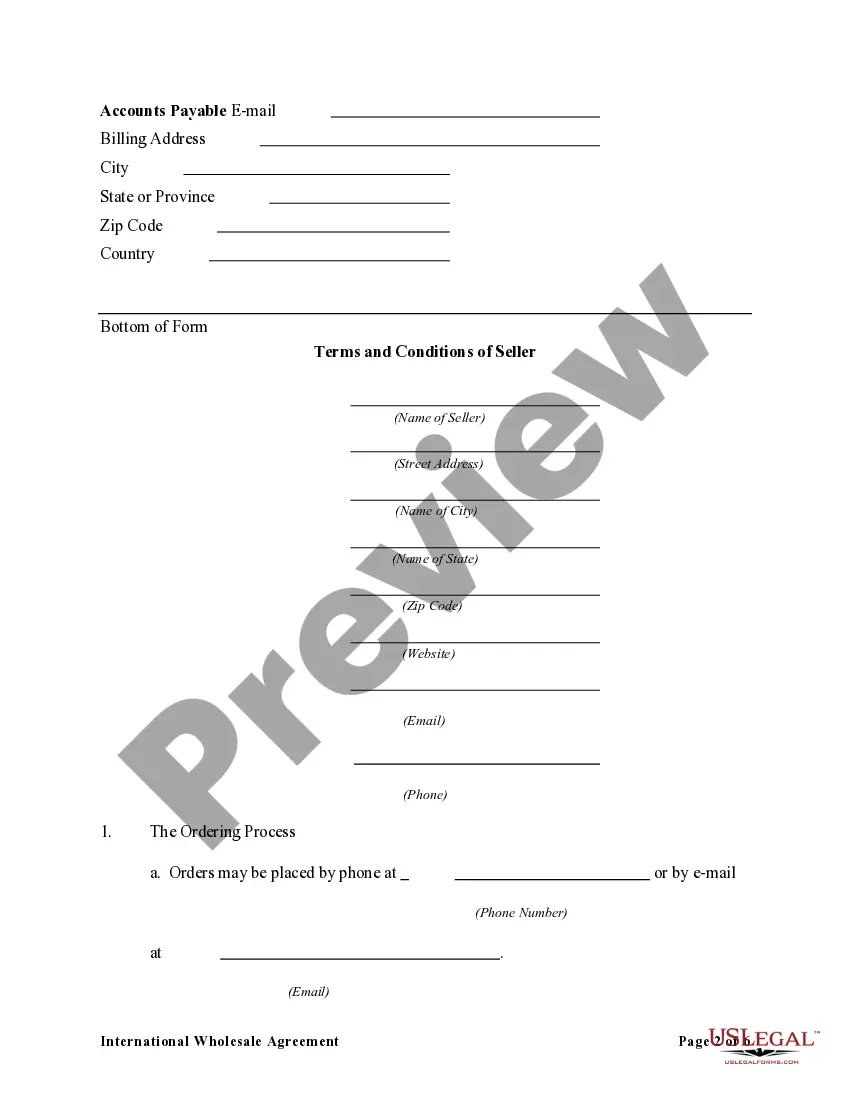
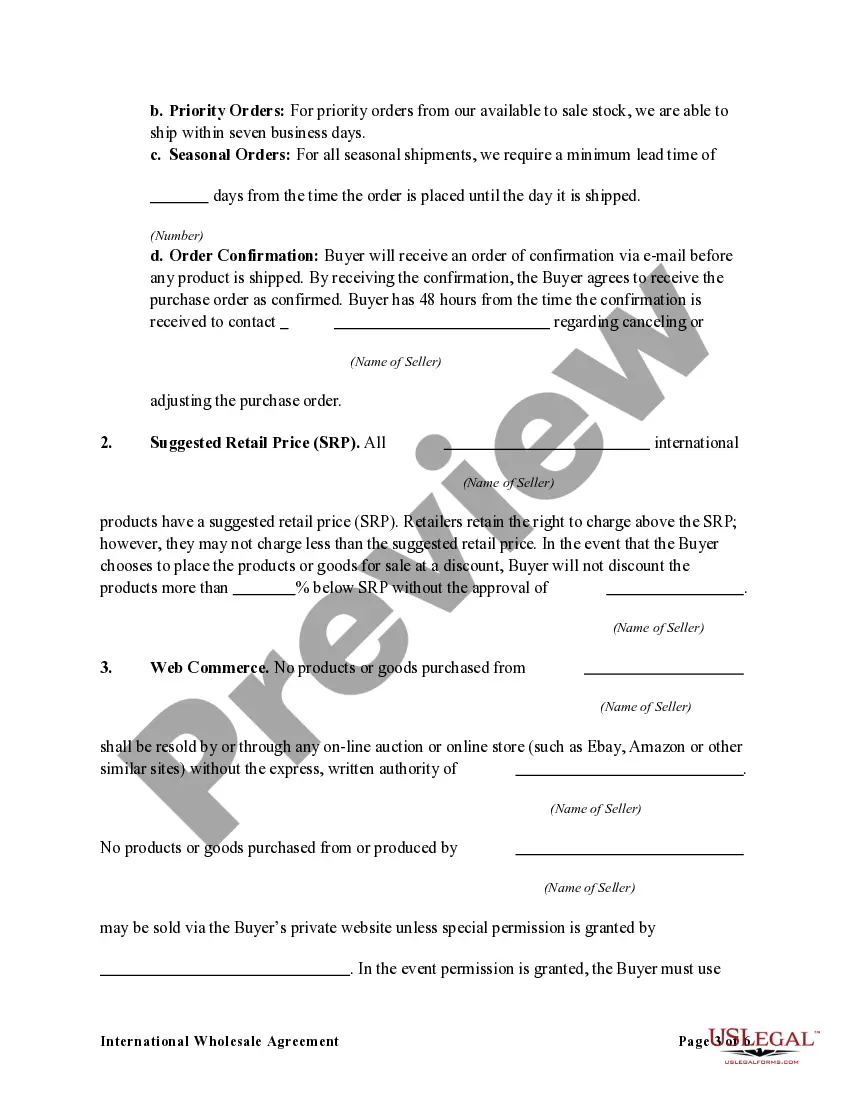
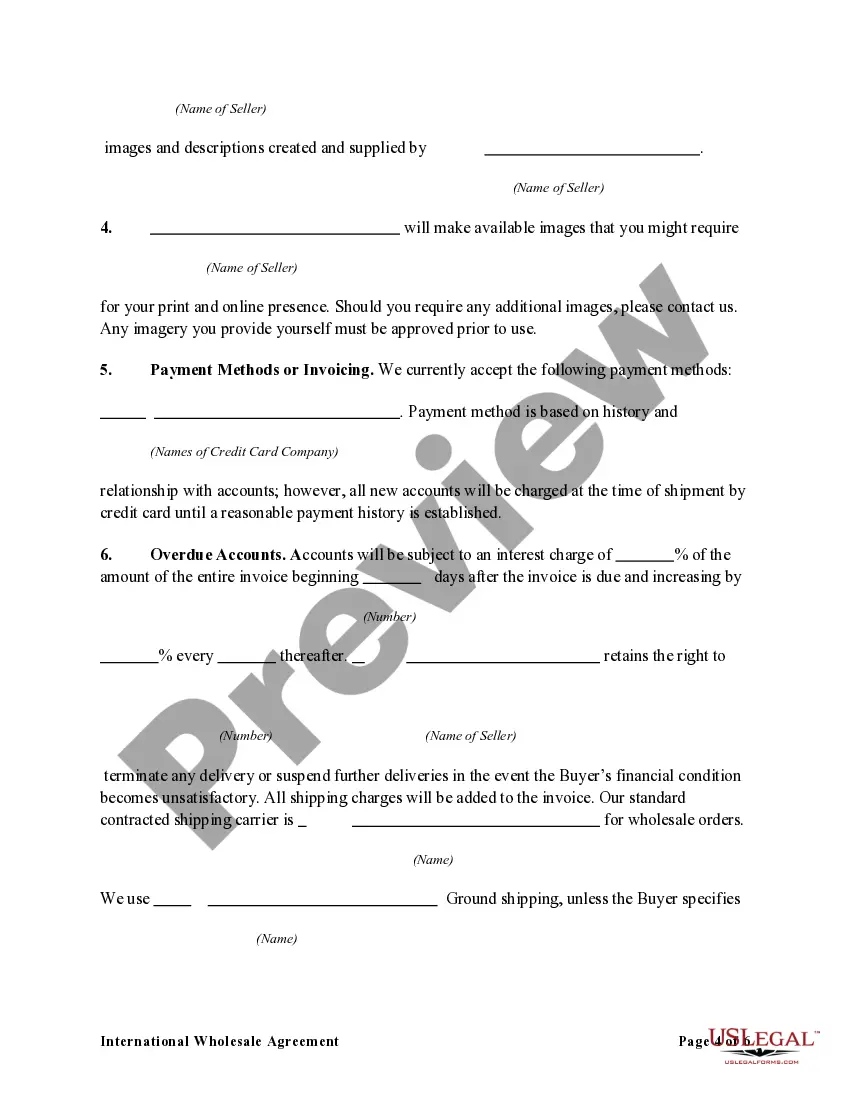
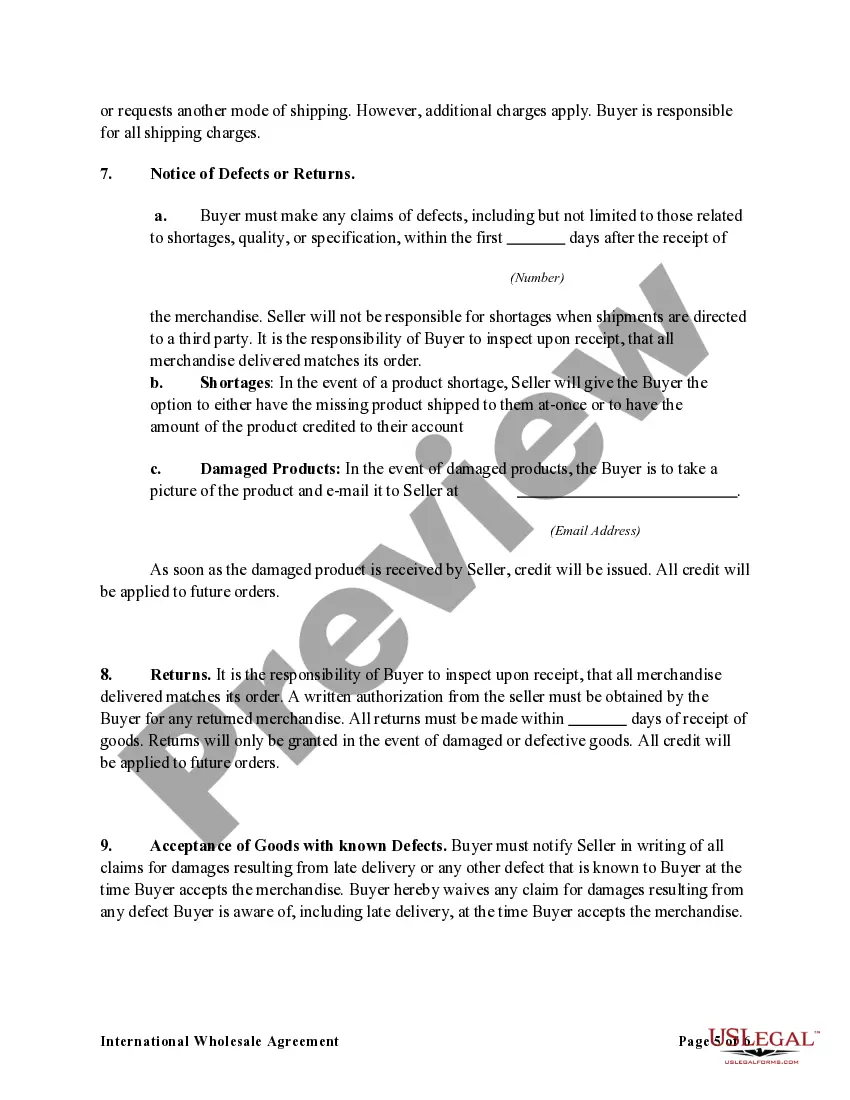
Get your form ready online
Our built-in tools help you complete, sign, share, and store your documents in one place.
Make edits, fill in missing information, and update formatting in US Legal Forms—just like you would in MS Word.
Download a copy, print it, send it by email, or mail it via USPS—whatever works best for your next step.
Sign and collect signatures with our SignNow integration. Send to multiple recipients, set reminders, and more. Go Premium to unlock E-Sign.
If this form requires notarization, complete it online through a secure video call—no need to meet a notary in person or wait for an appointment.
We protect your documents and personal data by following strict security and privacy standards.

Make edits, fill in missing information, and update formatting in US Legal Forms—just like you would in MS Word.

Download a copy, print it, send it by email, or mail it via USPS—whatever works best for your next step.

Sign and collect signatures with our SignNow integration. Send to multiple recipients, set reminders, and more. Go Premium to unlock E-Sign.

If this form requires notarization, complete it online through a secure video call—no need to meet a notary in person or wait for an appointment.

We protect your documents and personal data by following strict security and privacy standards.
Looking for another form?







Form popularity
FAQ
The Distributor Agreement should clearly set forth the duties, responsibilities and expectations of each of the parties. The Distributor Agreement should also set forth provisions related to limitations and protections that each party can understand.
A distribution agreement can help a manufacturer expand its market reach, increase its sales volume, and reduce its operational costs. However, it also involves some risks and challenges, as well as legal compliance issues in different jurisdictions.
The term for Distribution Agreements varies, with terms being anywhere from 5 to 15 years. I try to limit the term as much as possible—especially when there is no advance, or a meager one.
The agreement is usually between a manufacturer or vendor and a distributor but, in some cases, may involve two distributors or a distributor and some other channel entity.
Distributors play an important role in the distribution process by facilitating the movement of goods from producers to the final point of sale or consumption. They typically operate within specific geographic regions or industry sectors, serving as a link between manufacturers and the market.
The agreement should explicitly state the initial period during which the distributor will be engaged. In some cases, a supplier might opt for an initial trial period, during which the distributor's performance is evaluated against predefined sales targets or Key Performance Indicators (KPIs).
A distribution deal (also known as distribution contract or distribution agreement) is a legal agreement between one party and another, to handle distribution of a product. There are various forms of distribution deals. There are exclusive and non-exclusive distribution agreements.
When it comes to distribution agreements, there are four main types: exclusive, sole, non-exclusive and selective. It is important for suppliers as well as distributors to recognizse the advantages and disadvantages of each arrangement in order to pick the one that best fits their needs and objectives.
A distribution agreement, also known as a distributor agreement, is a contract between a supplying company with products to sell and another company that markets and sells the products. The distributor agrees to buy products from the supplier company and sell them to clients within certain geographical areas.
A distribution agreement is the perfect place to establish the sales goals and expectations for both parties. The manufacturer wants to ensure that the distributor will actively promote and sell its products in the designated territory or channel and generate a certain level of revenue and profit.
