Wholesale Agreement Contract Form Template In Queens
Description

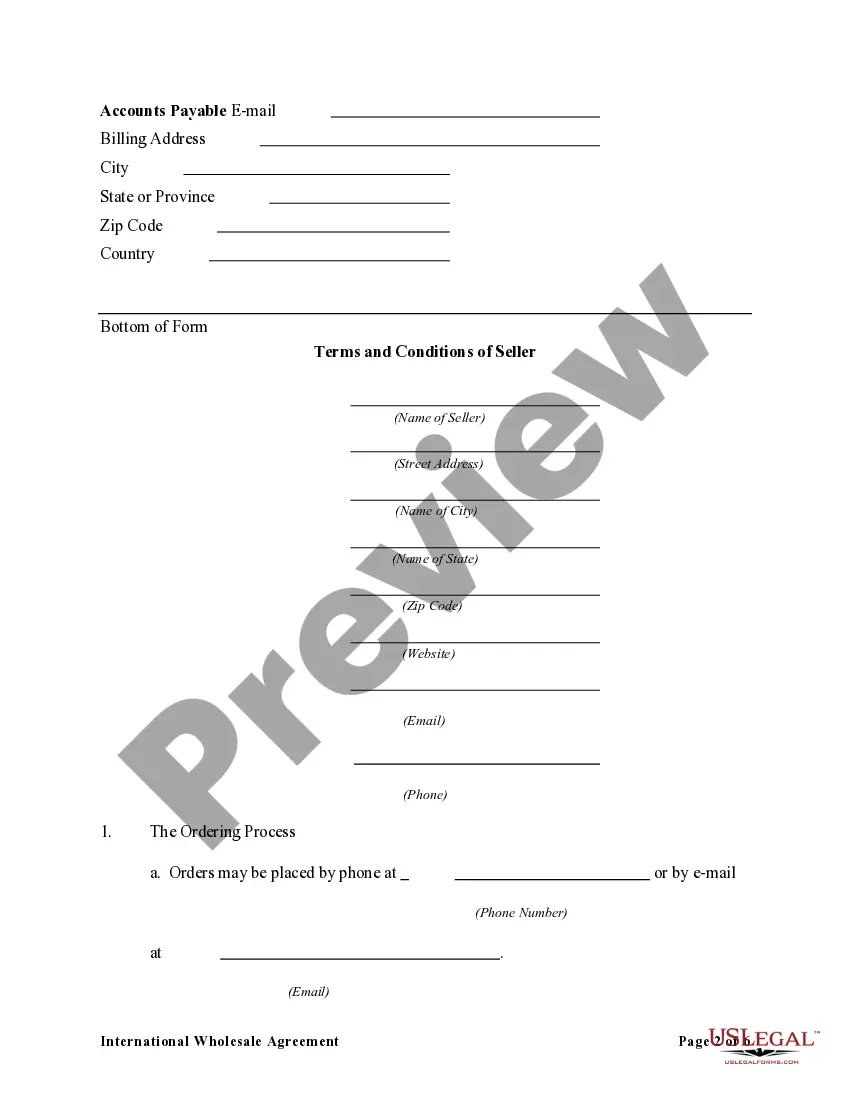
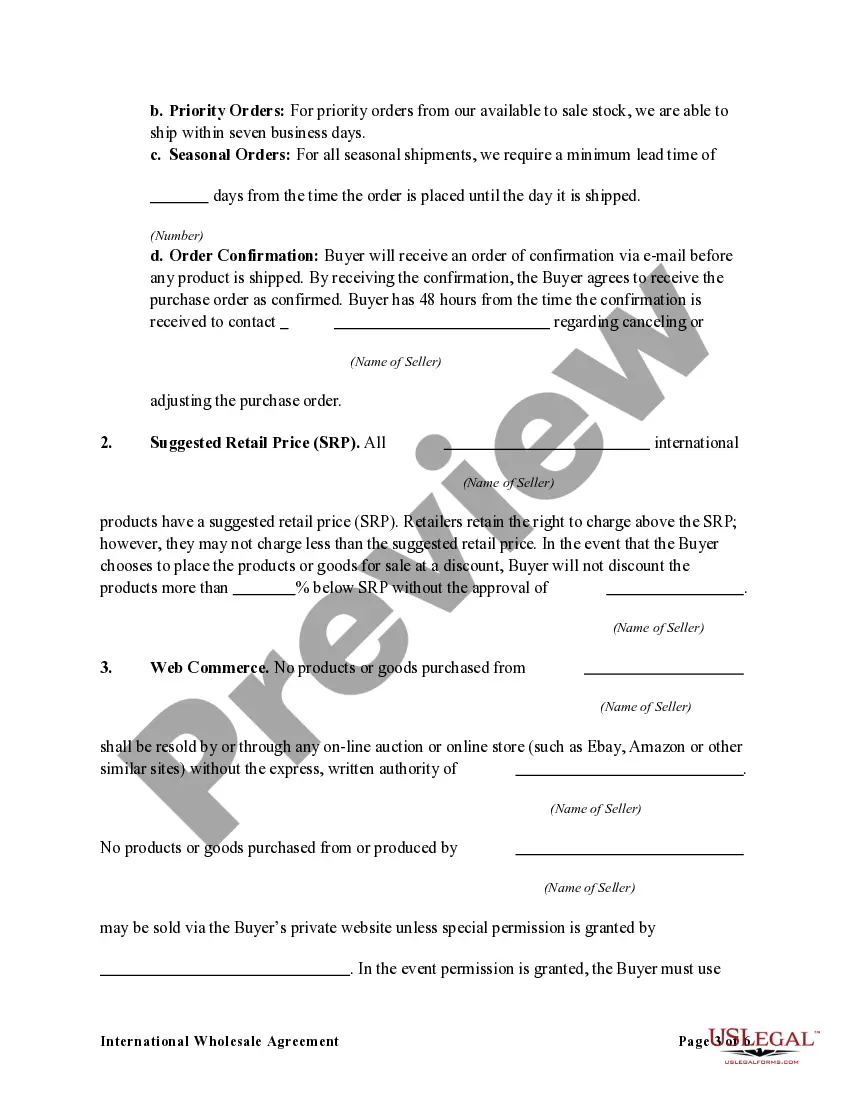
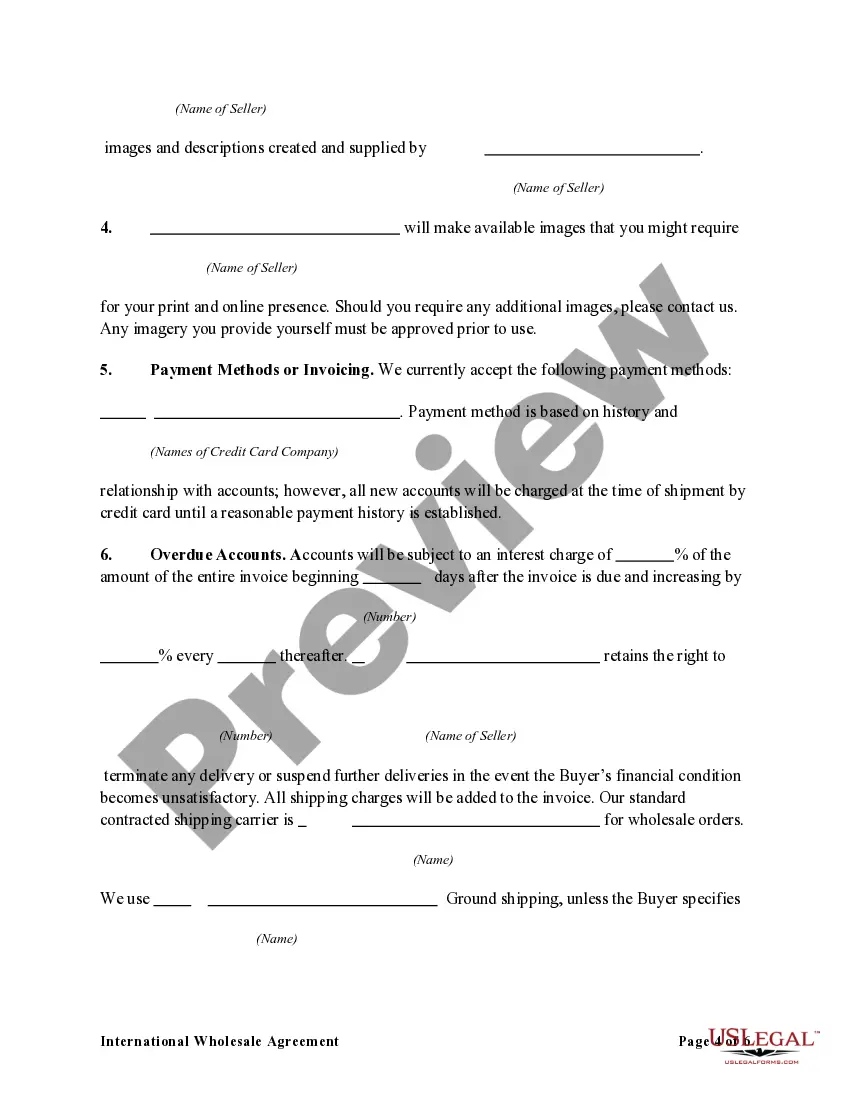
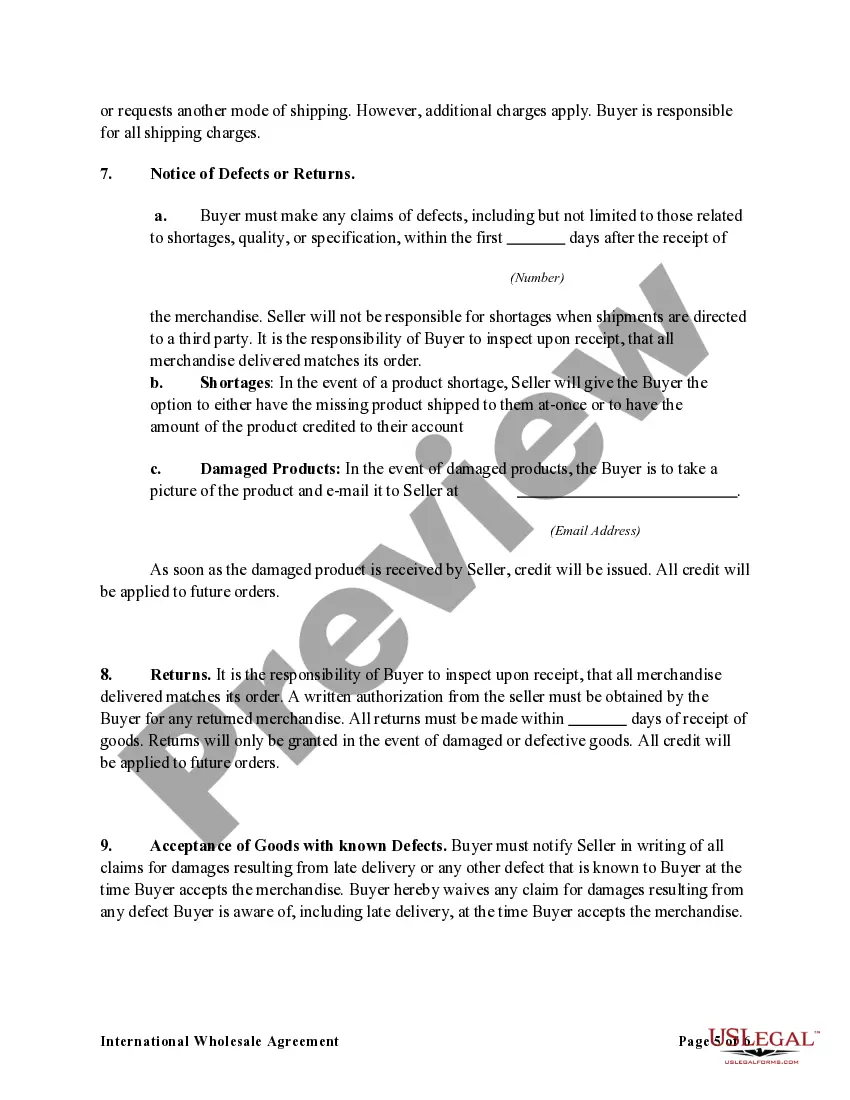
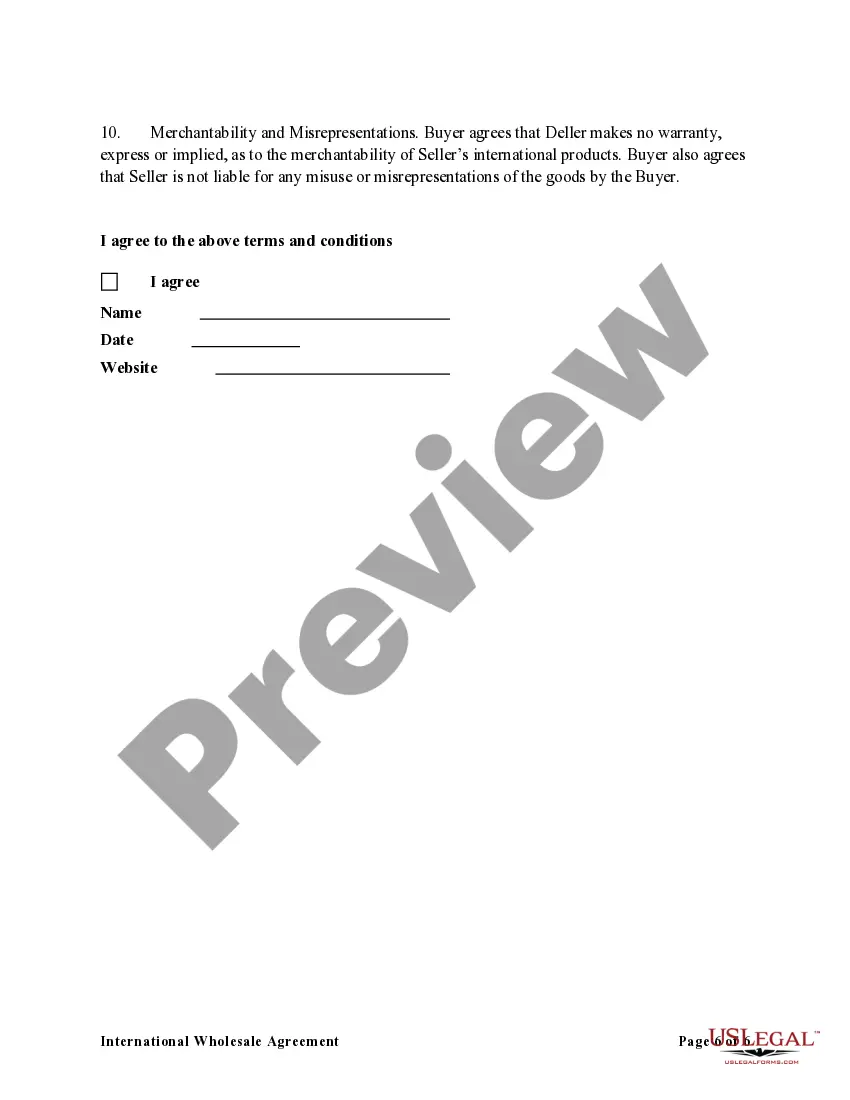
Get your form ready online
Our built-in tools help you complete, sign, share, and store your documents in one place.
Make edits, fill in missing information, and update formatting in US Legal Forms—just like you would in MS Word.
Download a copy, print it, send it by email, or mail it via USPS—whatever works best for your next step.
Sign and collect signatures with our SignNow integration. Send to multiple recipients, set reminders, and more. Go Premium to unlock E-Sign.
If this form requires notarization, complete it online through a secure video call—no need to meet a notary in person or wait for an appointment.
We protect your documents and personal data by following strict security and privacy standards.

Make edits, fill in missing information, and update formatting in US Legal Forms—just like you would in MS Word.

Download a copy, print it, send it by email, or mail it via USPS—whatever works best for your next step.

Sign and collect signatures with our SignNow integration. Send to multiple recipients, set reminders, and more. Go Premium to unlock E-Sign.

If this form requires notarization, complete it online through a secure video call—no need to meet a notary in person or wait for an appointment.

We protect your documents and personal data by following strict security and privacy standards.
Looking for another form?
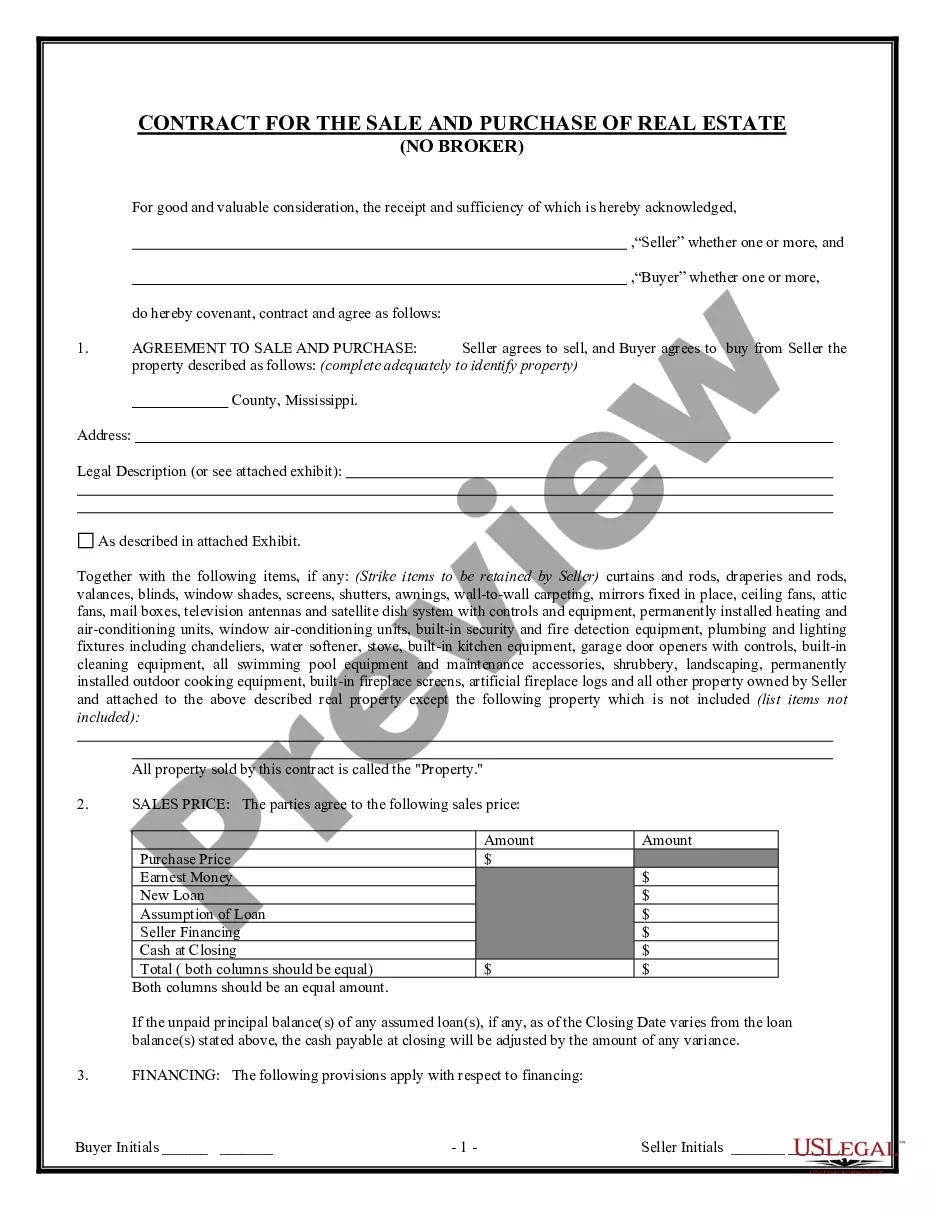









Form popularity
FAQ
Wholesale is the activity of buying and selling goods in large quantities and therefore at cheaper prices, usually to shopkeepers who then sell them to the public.
A wholesale agreement is a contract between the supplier and customer that sets out the rights and obligations of the business relationship. Typically, one party supplies wholesale goods to the other.
A wholesaler in the travel industry is a company that buys travel products and services in bulk from suppliers such as airlines or hotels at discounted rates. These products can include hotel rooms, airline tickets, rental cars, and activities like tours and excursions.
Missouri. – Missouri, with its affordable housing market and strong rental demand, is a great state for wholesaling. Cities like Kansas City and St. Louis offer plenty of opportunities to find and flip properties quickly.
Ing to Boundy (2012), typically, a written contract will include: Date of agreement. Names of parties to the agreement. Preliminary clauses. Defined terms. Main contract clauses. Schedules/appendices and signature provisions (para. 5).
The assignor must agree to assign their rights and duties under the contract to the assignee. The assignee must agree to accept, or "assume," those contractual rights and duties. The other party to the initial contract must consent to the transfer of rights and obligations to the assignee.
Here are the key elements to include in your wholesale contract template: Parties Involved: Names of the seller(s) and buyer(s), along with their signatures. Legal Description: Property description, street address, assessor parcel number (APN), and type of property.
How to write an agreement letter Title your document. Provide your personal information and the date. Include the recipient's information. Address the recipient and write your introductory paragraph. Write a detailed body. Conclude your letter with a paragraph, closing remarks, and a signature. Sign your letter.
To be legally enforceable, an agreement must contain all of the following criteria: An offer and acceptance; Certainty of terms; Consideration; An intention to create legal relations; Capacity of the parties; and, Legality of purpose.
Contracts constantly vary in length, terms, and complexity. But for an agreement to be legally valid and enforceable, several elements must be fulfilled: Legality, Capacity, Offer, Consideration, Intention, Certainty, and Acceptance.