Distribution Agreement For Medical Products In Pima
Description

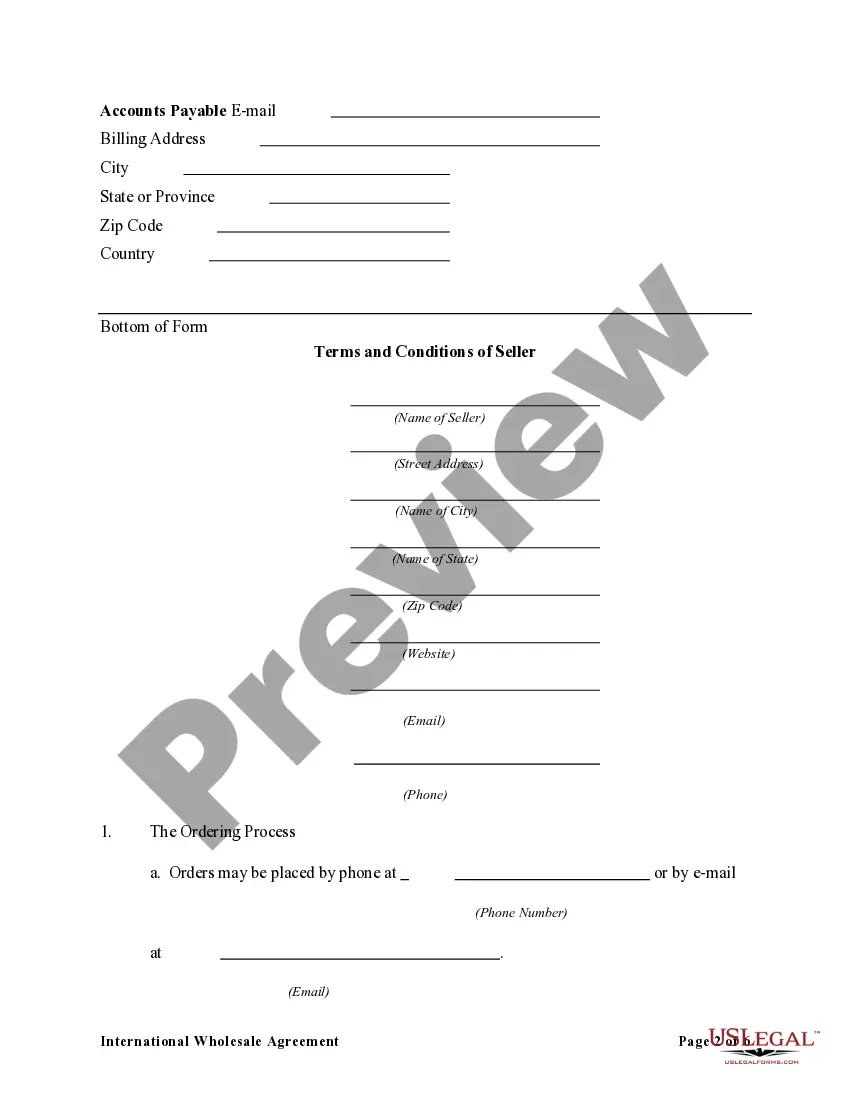
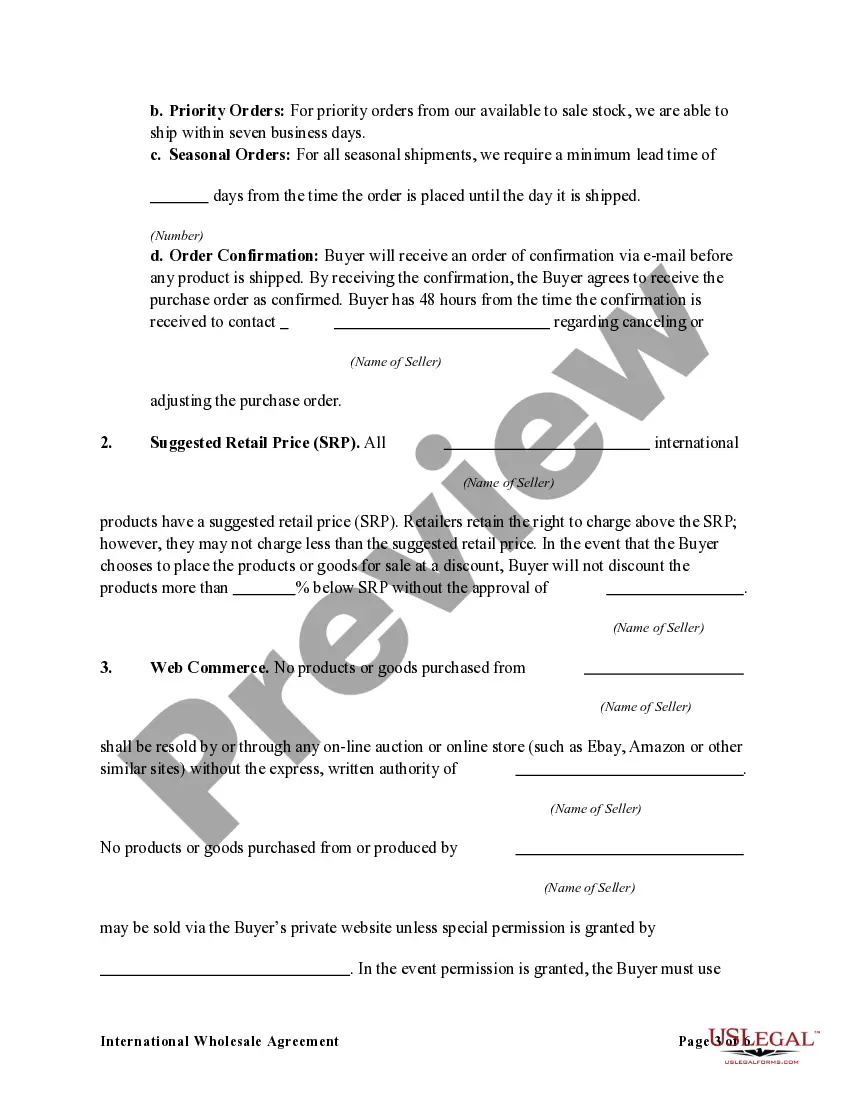
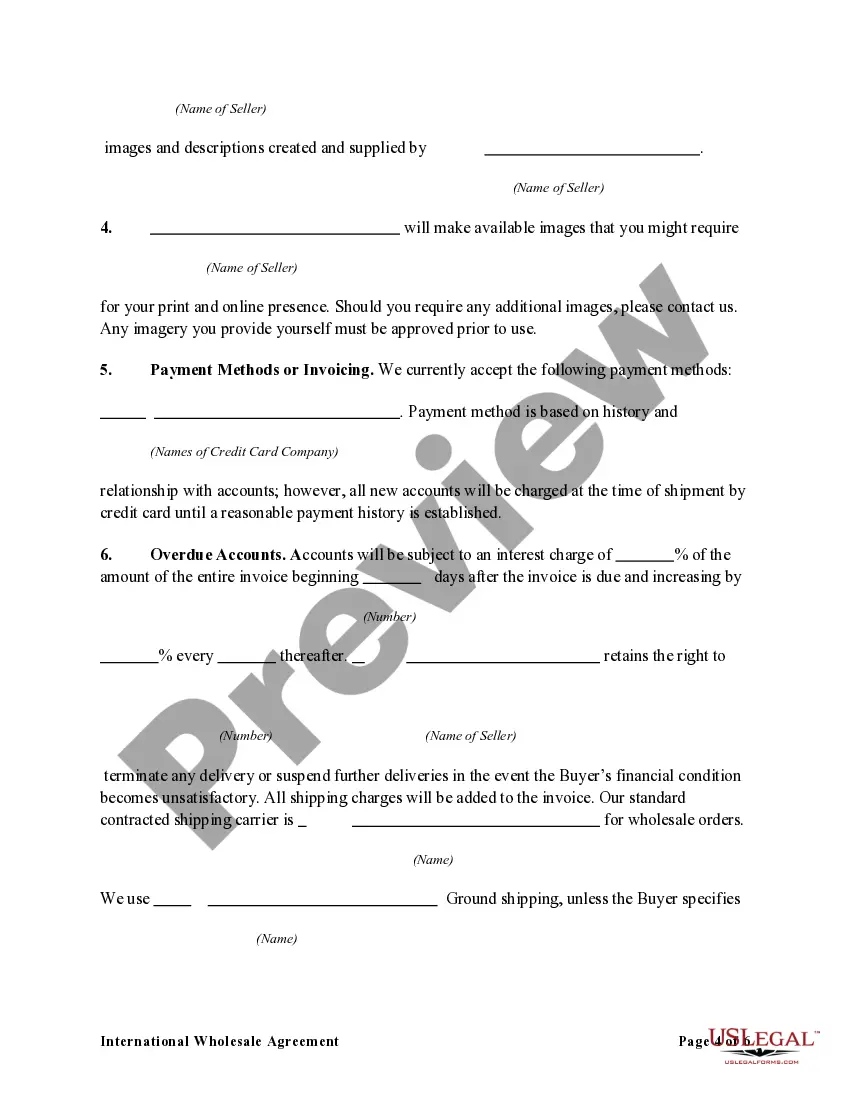
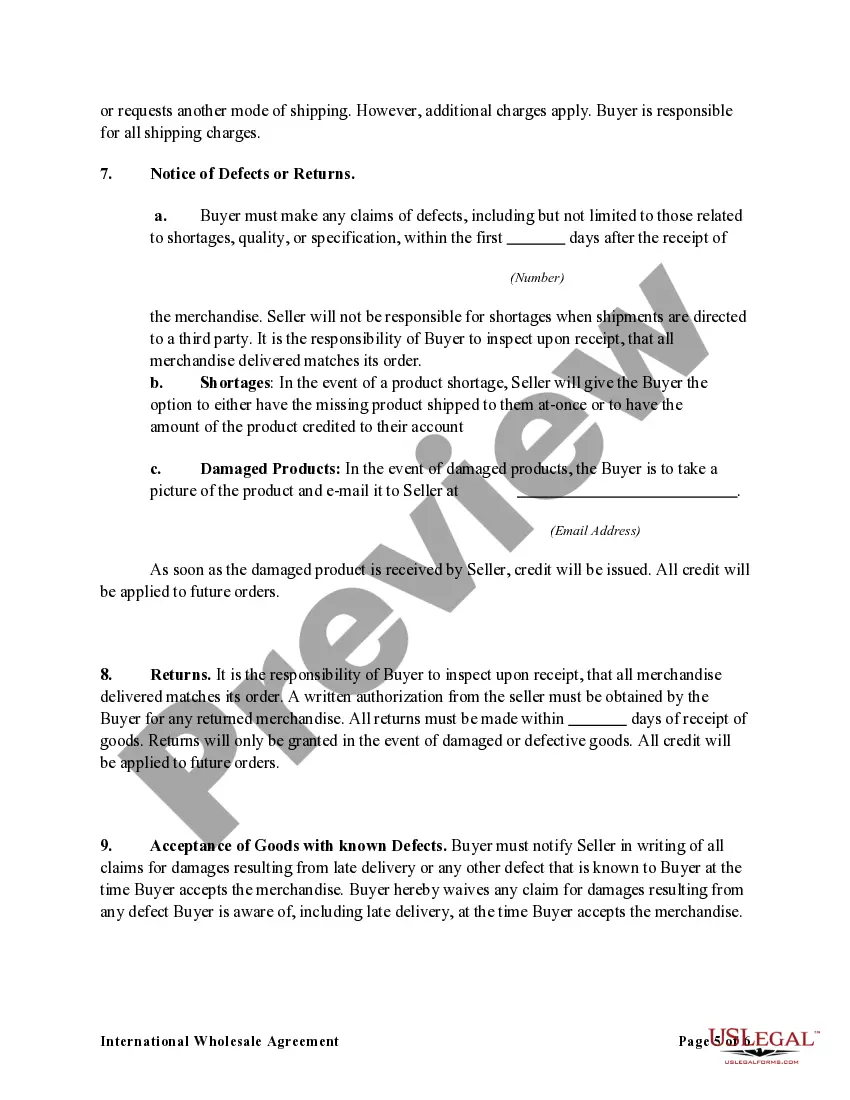
Get your form ready online
Our built-in tools help you complete, sign, share, and store your documents in one place.
Make edits, fill in missing information, and update formatting in US Legal Forms—just like you would in MS Word.
Download a copy, print it, send it by email, or mail it via USPS—whatever works best for your next step.
Sign and collect signatures with our SignNow integration. Send to multiple recipients, set reminders, and more. Go Premium to unlock E-Sign.
If this form requires notarization, complete it online through a secure video call—no need to meet a notary in person or wait for an appointment.
We protect your documents and personal data by following strict security and privacy standards.

Make edits, fill in missing information, and update formatting in US Legal Forms—just like you would in MS Word.

Download a copy, print it, send it by email, or mail it via USPS—whatever works best for your next step.

Sign and collect signatures with our SignNow integration. Send to multiple recipients, set reminders, and more. Go Premium to unlock E-Sign.

If this form requires notarization, complete it online through a secure video call—no need to meet a notary in person or wait for an appointment.

We protect your documents and personal data by following strict security and privacy standards.
Looking for another form?








Form popularity
FAQ
Six Rules for Negotiating a Better Distribution Agreement Balance. Balance in a distribution agreement ensures that neither party holds unfair power over the other. Due Diligence. Annual Termination and Semiautomatic Renewal. Comparison with Proven Industry Agreements. Four Eyes versus Two Eyes. Cause and Convenience.
Negotiating a Distributorship Agreement: Five Critical Steps to Success Execute a master agreement. Define the relevant goods subject to the agreement. Address all relevant intellectual property issues. Make sure renewal options and termination clauses allow the parties to adjust to changing market conditions.
These are the ten steps to be followed when valuing a distribution business. Analyze Financial Statements. Review Client and Supplier Contracts. Evaluate Market Position. Consider Asset Value. Assess Growth Potential. Review Industry Comparables. Calculate Earnings Multiples. Analyze Operational Efficiency.
A digital distribution deal grants the distributor the right to distribute digital copies of the music. This includes streaming, downloads, and other internet-based methods for accessing music. A physical distribution deal, on the other hand, covers physical mediums such as CDs, vinyl, or cassettes.
Examples of companies that use exclusive distribution include Apple for its high-priced and luxury products, as well as companies like Lamborghini, BMW, Rolex, and Mercedes. These companies appoint only a few distributors to cover a specific region, maintaining exclusivity in their distribution agreements.
When it comes to distribution agreements, there are four main types: exclusive, sole, non-exclusive and selective. It is important for suppliers as well as distributors to recognizse the advantages and disadvantages of each arrangement in order to pick the one that best fits their needs and objectives.
A distribution agreement is a powerful tool that defines the rules of engagement between suppliers and distributors. These agreements can not only streamline your distribution process but also shield your business from potential pitfalls.
The Default Distributor Agreement is an agreement with each of the retailers on our network that sets out the terms on which each retailer can use the network to supply electricity to its customers.
Negotiating a Distributorship Agreement: Five Critical Steps to Success Execute a master agreement. Define the relevant goods subject to the agreement. Address all relevant intellectual property issues. Make sure renewal options and termination clauses allow the parties to adjust to changing market conditions.
