Distributor Agreement With Company In Los Angeles
Description

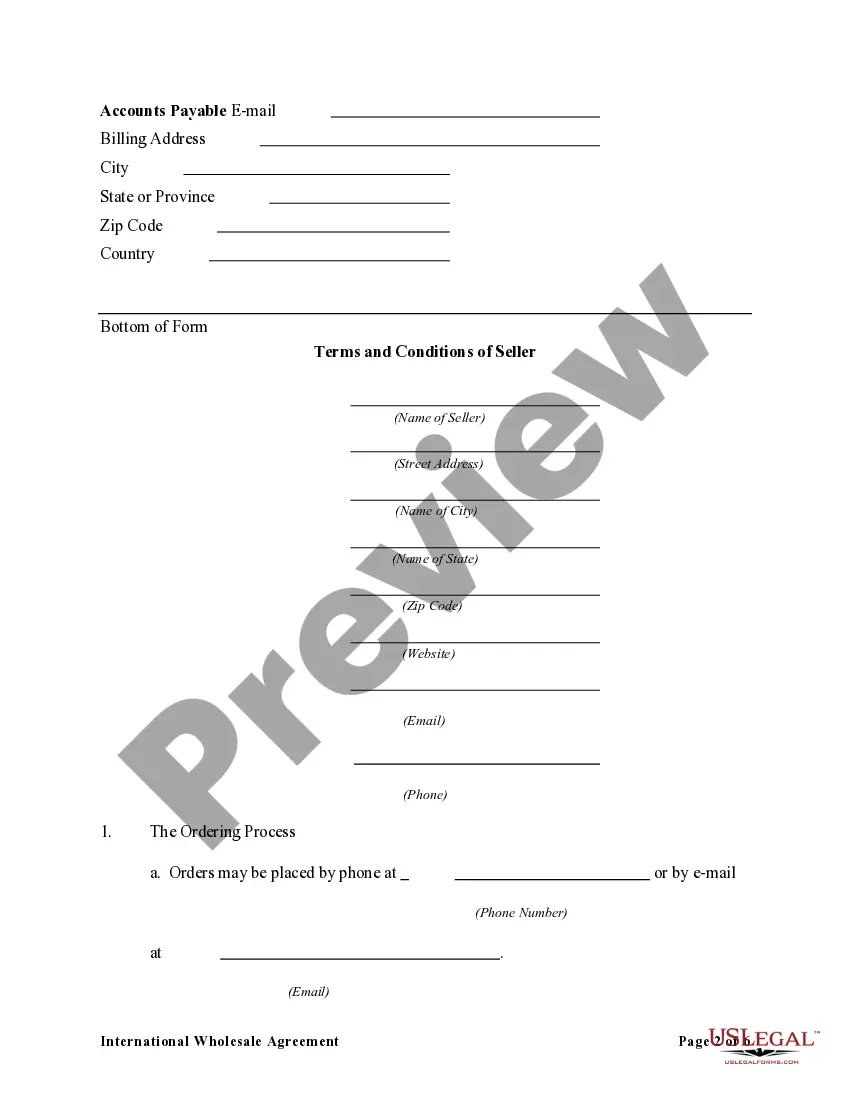
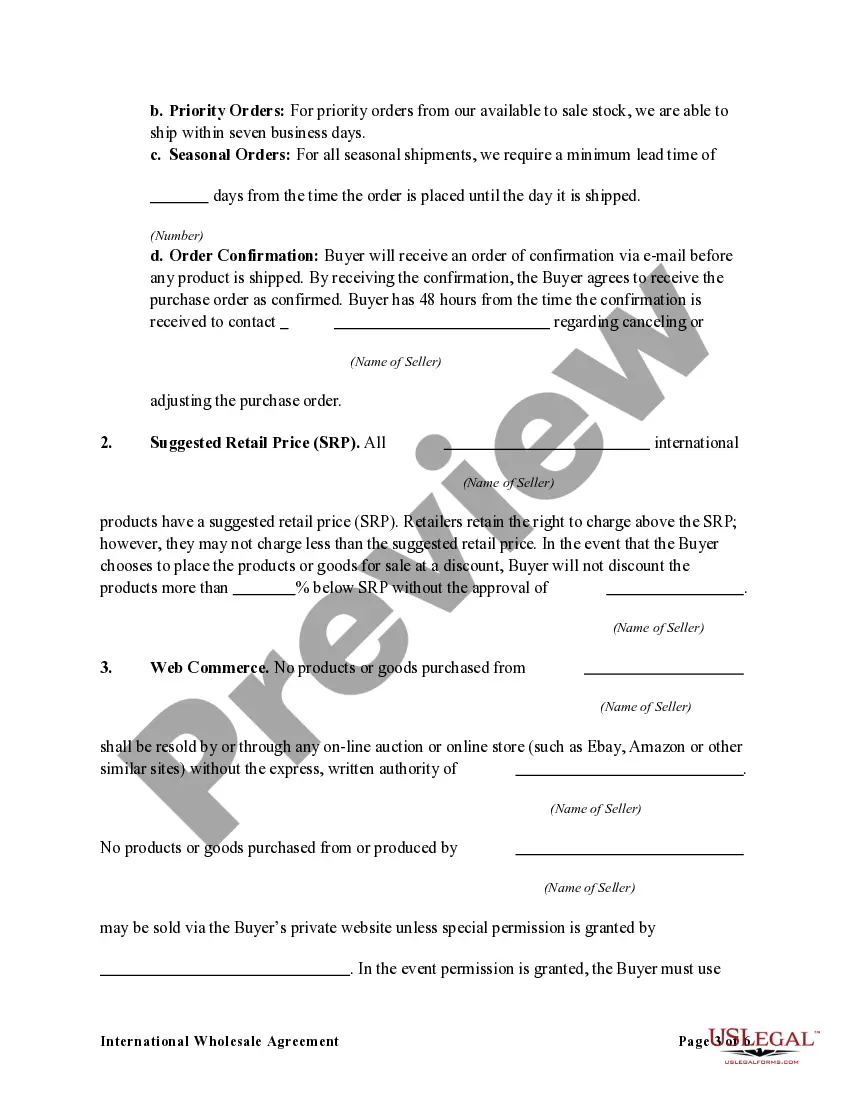
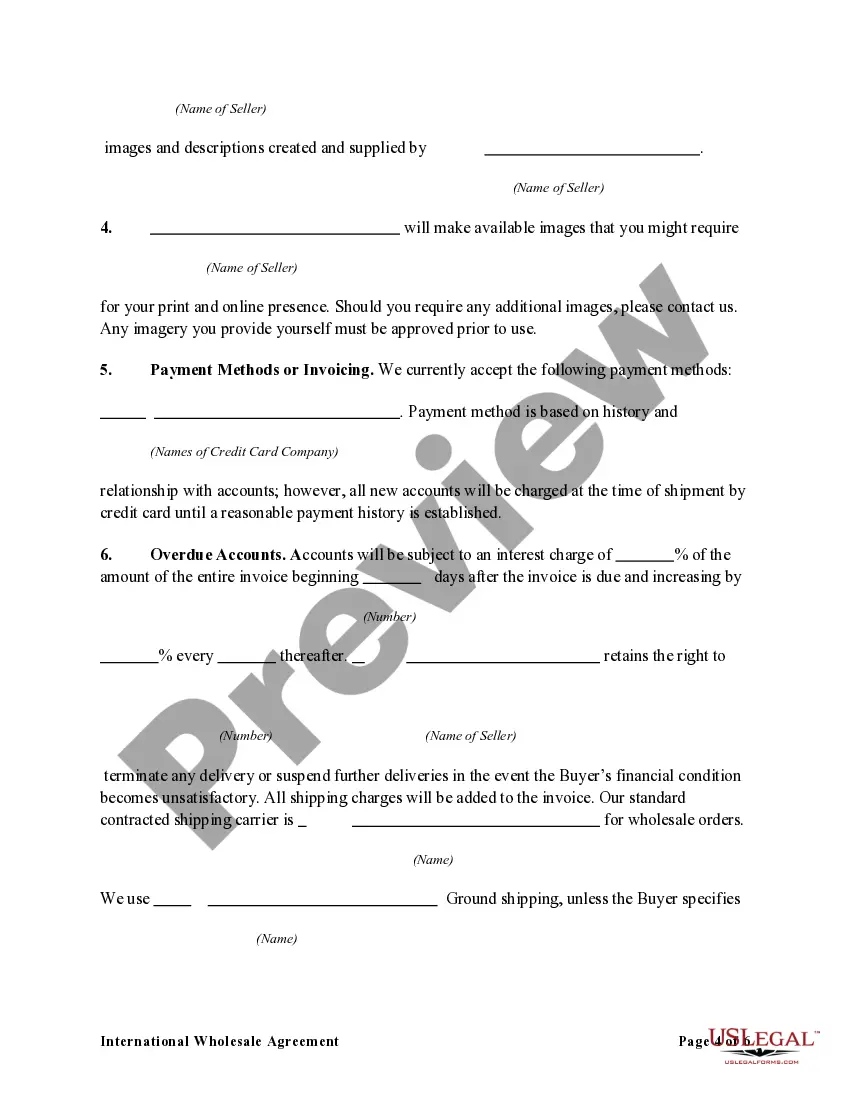
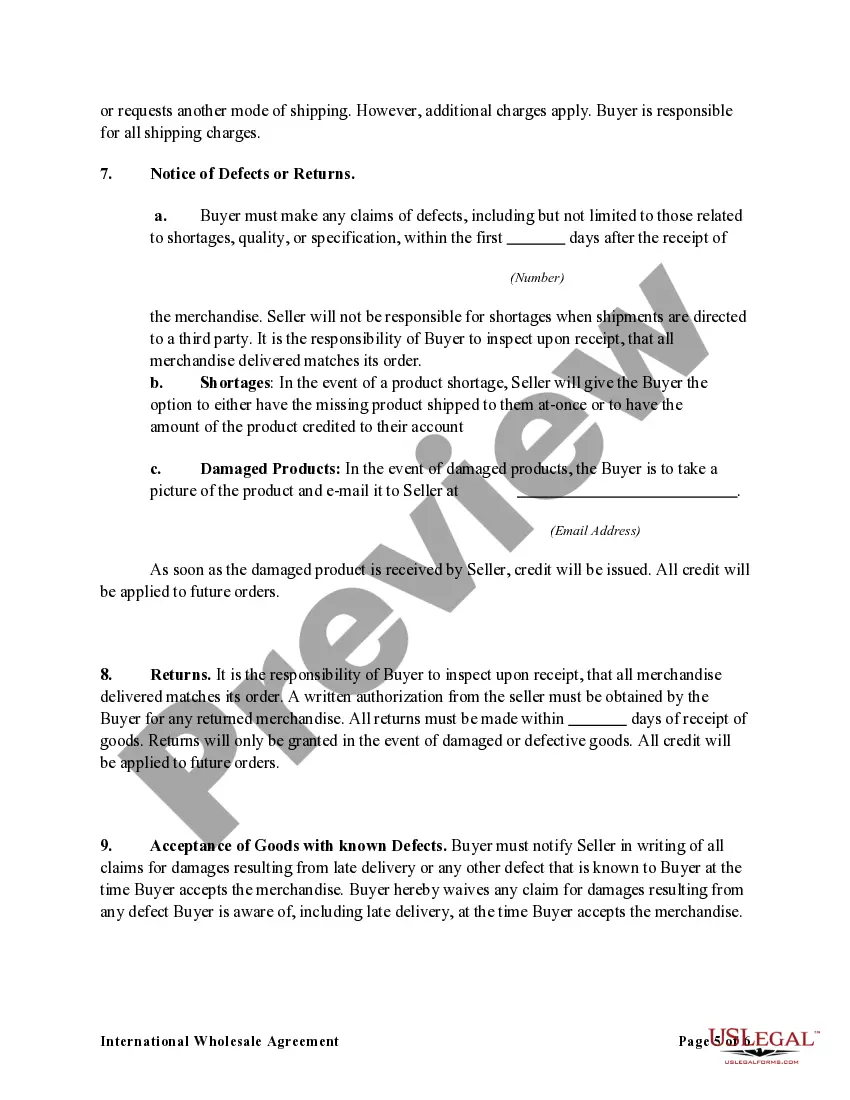
Get your form ready online
Our built-in tools help you complete, sign, share, and store your documents in one place.
Make edits, fill in missing information, and update formatting in US Legal Forms—just like you would in MS Word.
Download a copy, print it, send it by email, or mail it via USPS—whatever works best for your next step.
Sign and collect signatures with our SignNow integration. Send to multiple recipients, set reminders, and more. Go Premium to unlock E-Sign.
If this form requires notarization, complete it online through a secure video call—no need to meet a notary in person or wait for an appointment.
We protect your documents and personal data by following strict security and privacy standards.

Make edits, fill in missing information, and update formatting in US Legal Forms—just like you would in MS Word.

Download a copy, print it, send it by email, or mail it via USPS—whatever works best for your next step.

Sign and collect signatures with our SignNow integration. Send to multiple recipients, set reminders, and more. Go Premium to unlock E-Sign.

If this form requires notarization, complete it online through a secure video call—no need to meet a notary in person or wait for an appointment.

We protect your documents and personal data by following strict security and privacy standards.
Looking for another form?


Form popularity
FAQ
The agreement is usually between a manufacturer or vendor and a distributor but, in some cases, may involve two distributors or a distributor and some other channel entity.
Types of distribution policies Direct policy: You sell your products directly to the customer and by means of a simple strategy, as a single sales channel (that is, your own physical or online store). Indirect policy: You distribute your products through several intermediaries and channels.
A distribution agreement, also known as a distributor agreement, is a contract between a supplying company with products to sell and another company that markets and sells the products. The distributor agrees to buy products from the supplier company and sell them to clients within certain geographical areas.
A distribution agreement, also known as a distributor agreement, is a contract between a supplying company with products to sell and another company that markets and sells the products. The distributor agrees to buy products from the supplier company and sell them to clients within certain geographical areas.
When it comes to distribution agreements, there are four main types: exclusive, sole, non-exclusive and selective. It is important for suppliers as well as distributors to recognizse the advantages and disadvantages of each arrangement in order to pick the one that best fits their needs and objectives.
Types of agreements under Indian Contract Act, 1872 Valid agreement. Section 11 of the Indian Contract Act, 1872. Void agreement. Section 24 of the Indian Contract Act, 1872. Wagering Agreements. Contingent Agreement. Voidable agreement. Express and implied agreements. Illegal Agreements.
What Are The 5 Types Of Distribution Strategies? Indirect Distribution. As its name suggests, indirect distribution means distributing products using marketing intermediaries such as retailers or wholesalers, as Coca-Cola does. Direct Distribution. Intensive Distribution. Selective Distribution. Exclusive Distribution.
A distribution agreement is the perfect place to establish the sales goals and expectations for both parties. The manufacturer wants to ensure that the distributor will actively promote and sell its products in the designated territory or channel and generate a certain level of revenue and profit.
