Distribution Agreement For In Los Angeles
Description

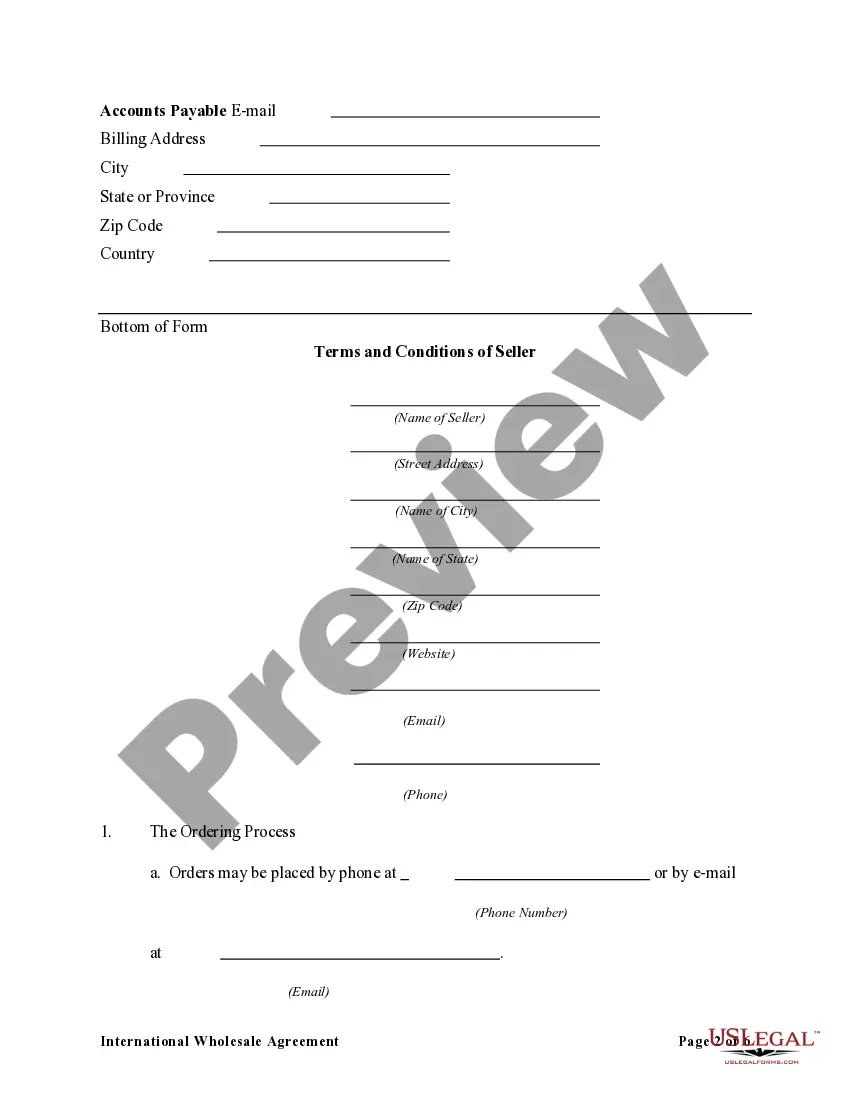
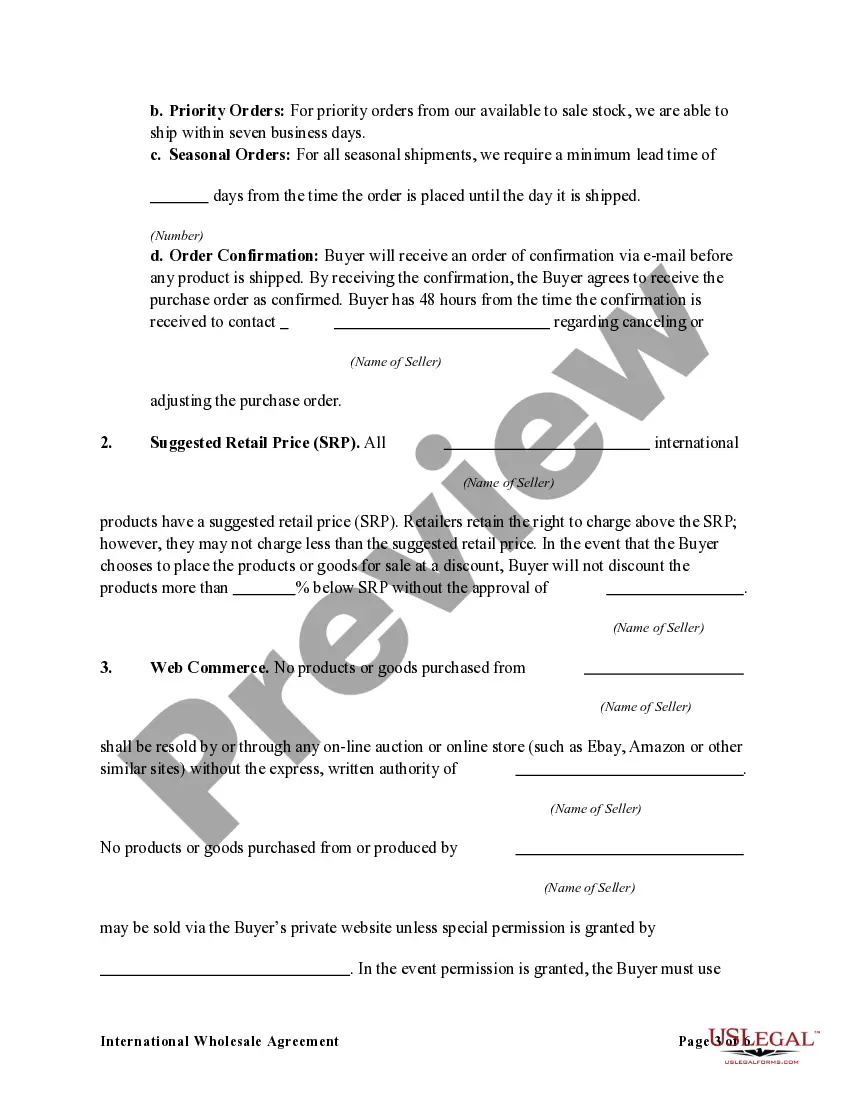
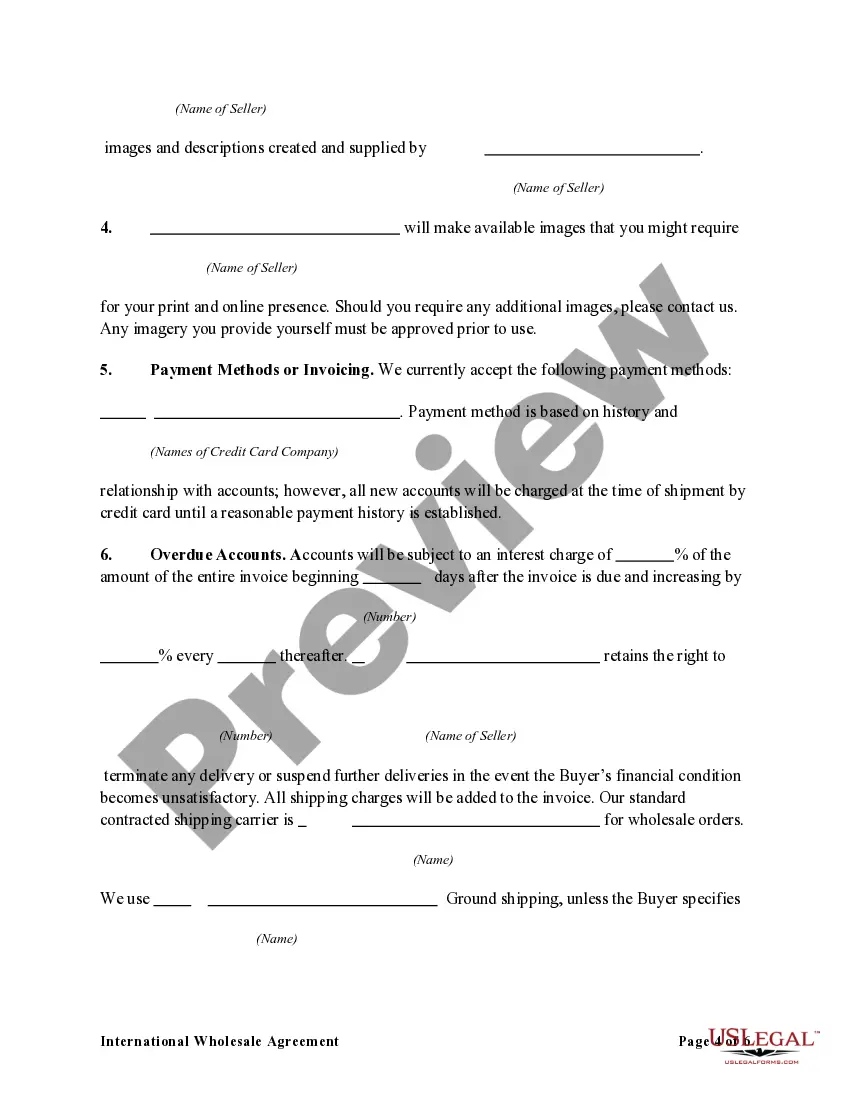
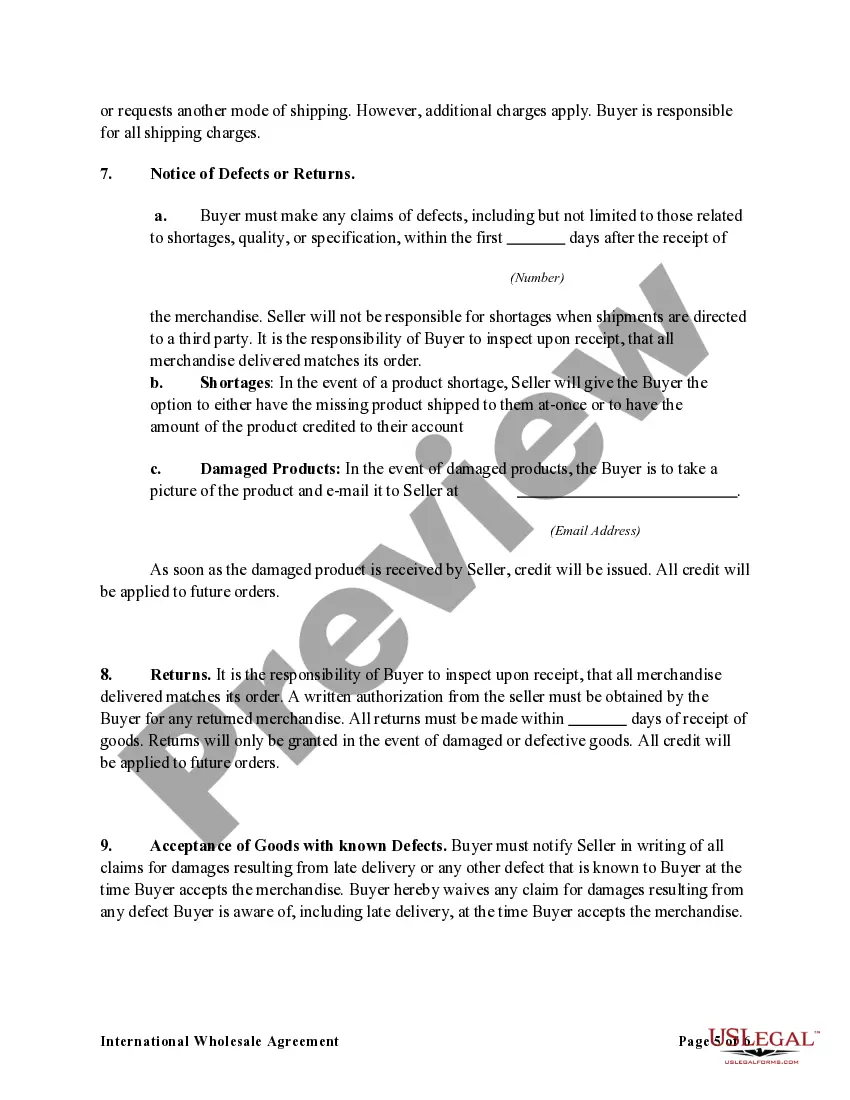
Get your form ready online
Our built-in tools help you complete, sign, share, and store your documents in one place.
Make edits, fill in missing information, and update formatting in US Legal Forms—just like you would in MS Word.
Download a copy, print it, send it by email, or mail it via USPS—whatever works best for your next step.
Sign and collect signatures with our SignNow integration. Send to multiple recipients, set reminders, and more. Go Premium to unlock E-Sign.
If this form requires notarization, complete it online through a secure video call—no need to meet a notary in person or wait for an appointment.
We protect your documents and personal data by following strict security and privacy standards.

Make edits, fill in missing information, and update formatting in US Legal Forms—just like you would in MS Word.

Download a copy, print it, send it by email, or mail it via USPS—whatever works best for your next step.

Sign and collect signatures with our SignNow integration. Send to multiple recipients, set reminders, and more. Go Premium to unlock E-Sign.

If this form requires notarization, complete it online through a secure video call—no need to meet a notary in person or wait for an appointment.

We protect your documents and personal data by following strict security and privacy standards.
Looking for another form?









Form popularity
FAQ
Typically, distribution and transportation costs for consumer packaged goods companies range from 6% to 8% of revenues (see Figure 1).
A distribution agreement, also known as a distributor agreement, is a contract between a supplying company with products to sell and another company that markets and sells the products. The distributor agrees to buy products from the supplier company and sell them to clients within certain geographical areas.
Negotiating a Distributorship Agreement: Five Critical Steps to Success Execute a master agreement. Define the relevant goods subject to the agreement. Address all relevant intellectual property issues. Make sure renewal options and termination clauses allow the parties to adjust to changing market conditions.
How to Value a Distribution Business Analyze Financial Statements. Review Client and Supplier Contracts. Evaluate Market Position. Consider Asset Value. Assess Growth Potential. Review Industry Comparables. Calculate Earnings Multiples. Analyze Operational Efficiency.
Based on market conditions, the value of the distribution rights is between 5x and 7x of gross profit.
A distribution agreement is the perfect place to establish the sales goals and expectations for both parties. The manufacturer wants to ensure that the distributor will actively promote and sell its products in the designated territory or channel and generate a certain level of revenue and profit.
Advantages of distribution A supplier will not usually suffer any liability incurred as a result of the distributor's activities, whereas under an agency relationship, the principal is liable for the acts of its agent.
A distributor typically works with multiple manufacturers and multiple downstream entities. For each manufacturer, the distributor serves as an agent that enters into an agreement with the manufacturer to sell its products to retailers, VARs or wholesalers.
A distribution agreement is a powerful tool that defines the rules of engagement between suppliers and distributors. These agreements can not only streamline your distribution process but also shield your business from potential pitfalls.
