Agreement For Wholesale In King
Description

Get your form ready online
Our built-in tools help you complete, sign, share, and store your documents in one place.
Make edits, fill in missing information, and update formatting in US Legal Forms—just like you would in MS Word.
Download a copy, print it, send it by email, or mail it via USPS—whatever works best for your next step.
Sign and collect signatures with our SignNow integration. Send to multiple recipients, set reminders, and more. Go Premium to unlock E-Sign.
If this form requires notarization, complete it online through a secure video call—no need to meet a notary in person or wait for an appointment.
We protect your documents and personal data by following strict security and privacy standards.

Make edits, fill in missing information, and update formatting in US Legal Forms—just like you would in MS Word.

Download a copy, print it, send it by email, or mail it via USPS—whatever works best for your next step.

Sign and collect signatures with our SignNow integration. Send to multiple recipients, set reminders, and more. Go Premium to unlock E-Sign.

If this form requires notarization, complete it online through a secure video call—no need to meet a notary in person or wait for an appointment.

We protect your documents and personal data by following strict security and privacy standards.
Looking for another form?






Form popularity
FAQ
The wholesalers can be classified into three types: Merchant Wholesalers. These are the most popular wholesalers used in the private label, FMCG, and agricultural industries. Full-Service Merchant Wholesalers. Full-Service Wholesalers are also known as Full-function Wholesalers. Limited-Service Merchant Wholesalers.
Yes, wholesaling is legal in California but there are more regulations for unlicensed wholesalers that you'll need to make yourself aware of.
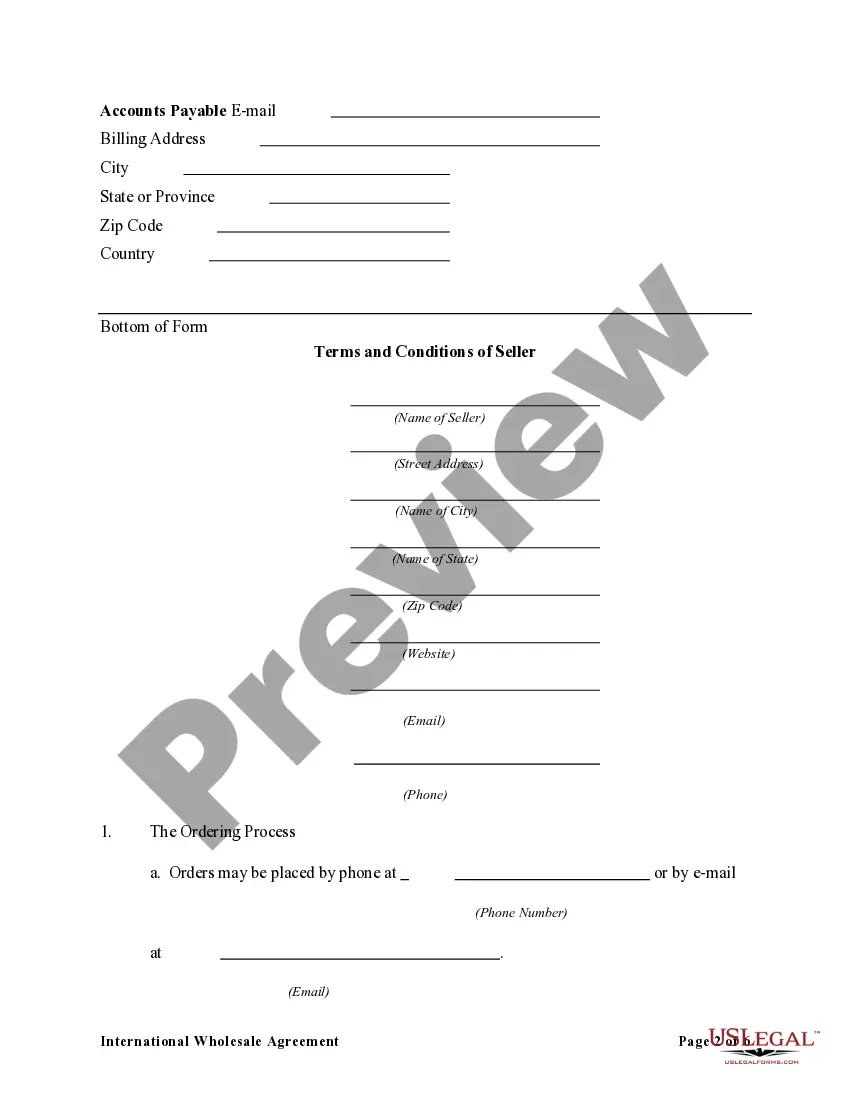
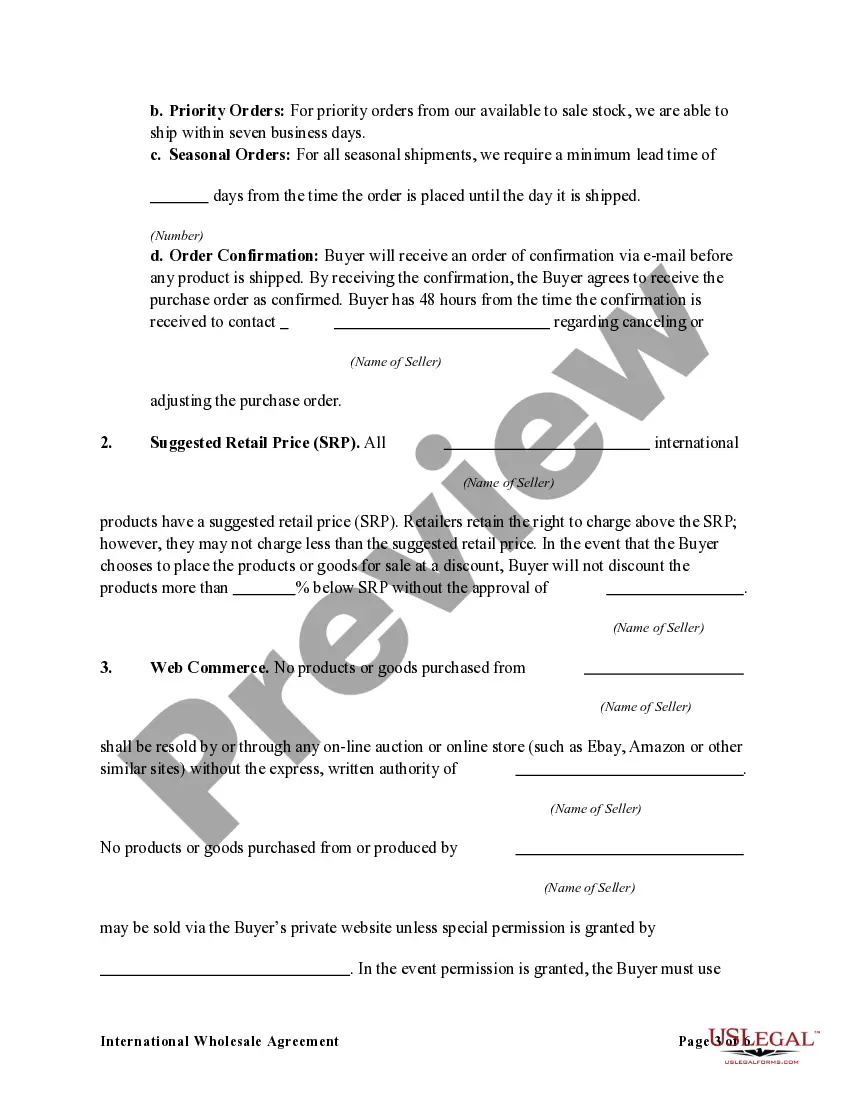
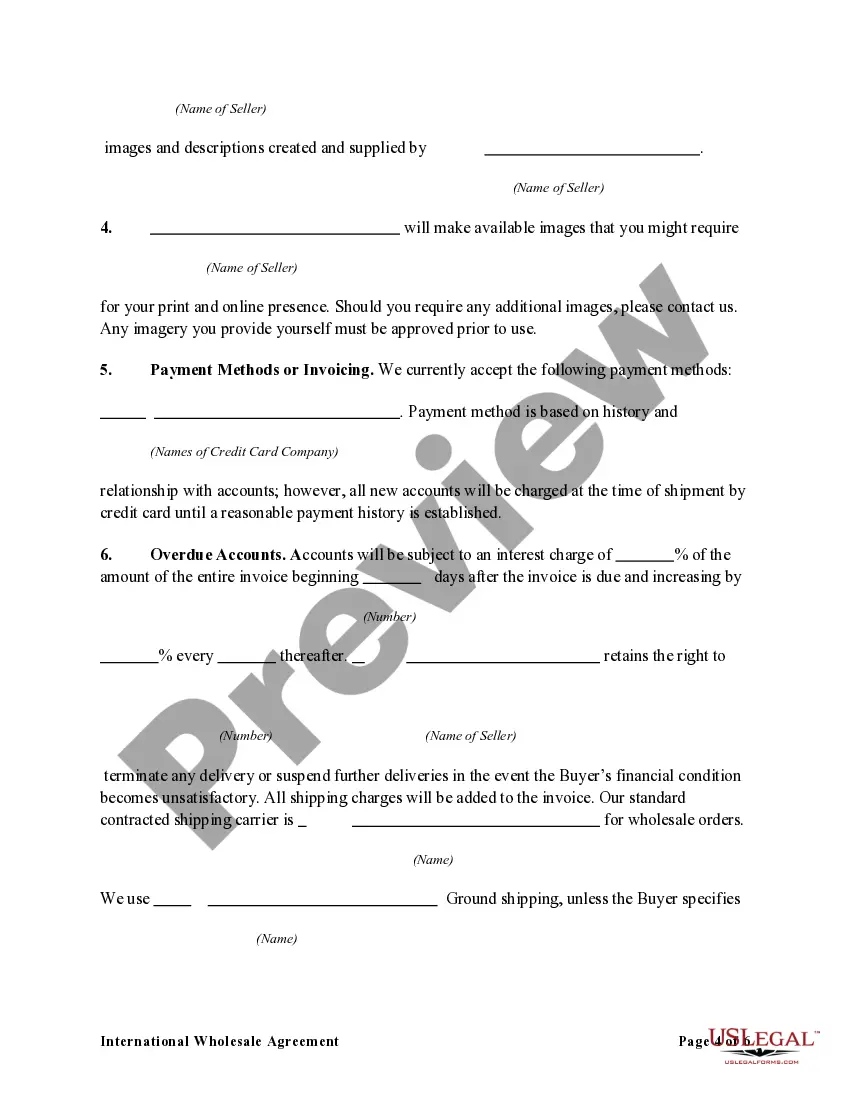
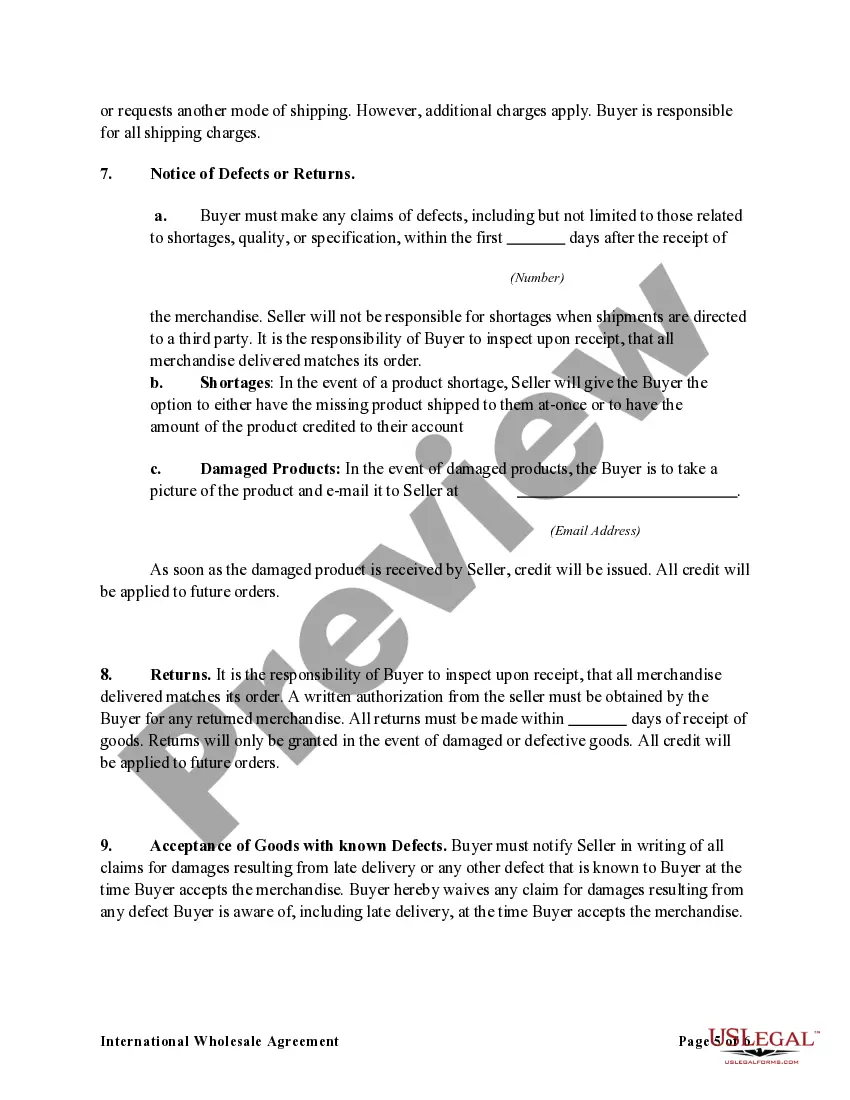
A wholesale agreement is a contract between the supplier and customer that sets out the rights and obligations of the business relationship. Typically, one party supplies wholesale goods to the other.
Wholesale is the activity of buying and selling goods in large quantities and therefore at cheaper prices, usually to shopkeepers who then sell them to the public.
A wholesaler in the travel industry is a company that buys travel products and services in bulk from suppliers such as airlines or hotels at discounted rates. These products can include hotel rooms, airline tickets, rental cars, and activities like tours and excursions.
So, what's the main difference? Real estate agents represent clients and must be licensed to deal with the sale of the property itself. Wholesalers don't typically need to be licensed as they often deal with selling contracts in a real estate transaction.
The assignor must agree to assign their rights and duties under the contract to the assignee. The assignee must agree to accept, or "assume," those contractual rights and duties. The other party to the initial contract must consent to the transfer of rights and obligations to the assignee.
A good example of a wholesaler selling directly to the customer is BJ's Wholesale Club or Costco. Anyone can shop there but you're only buying in bulk, not one item at a time like a regular supermarket.
