Wholesale Agreement Template For Professional Services In Illinois
Description

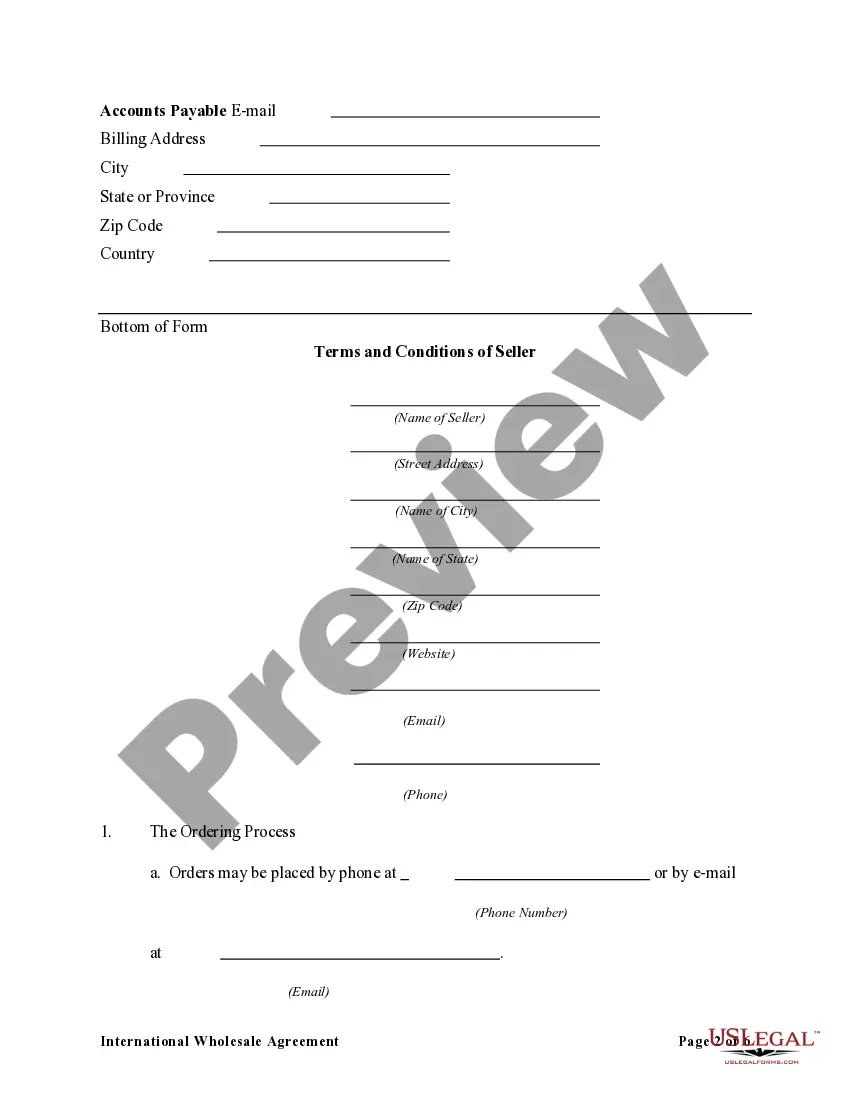
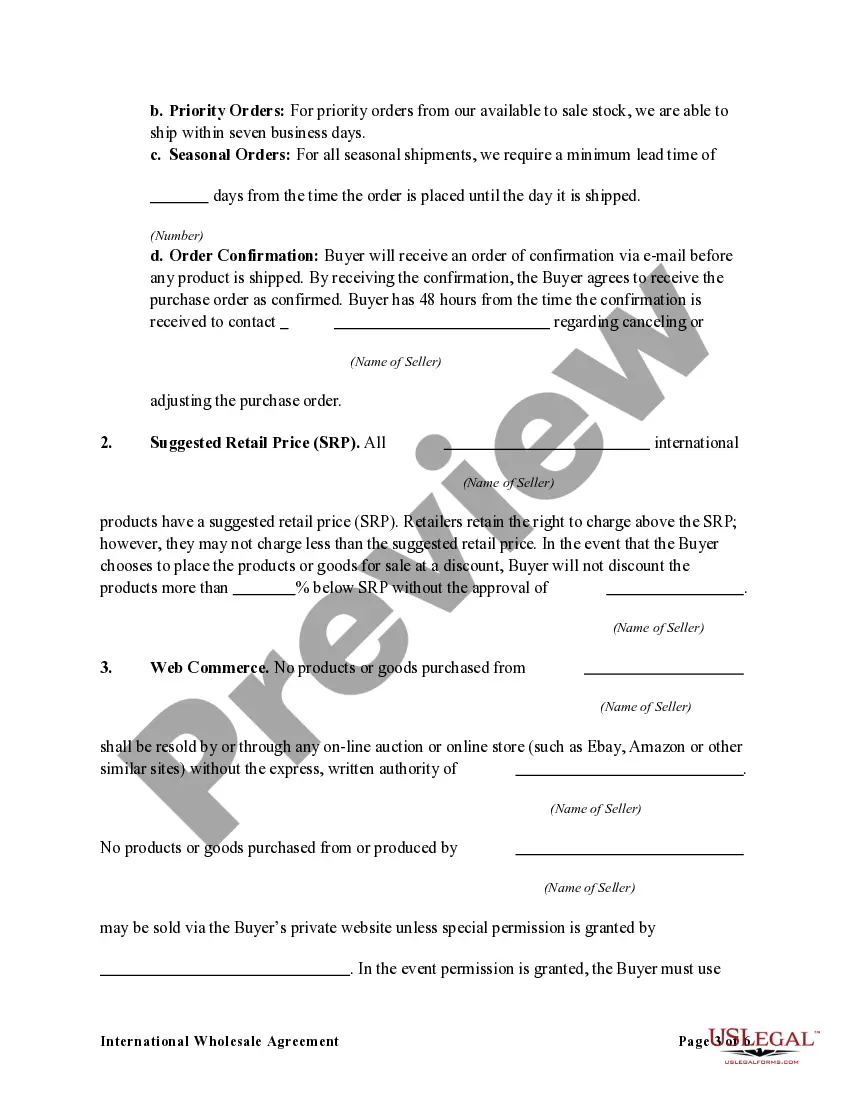
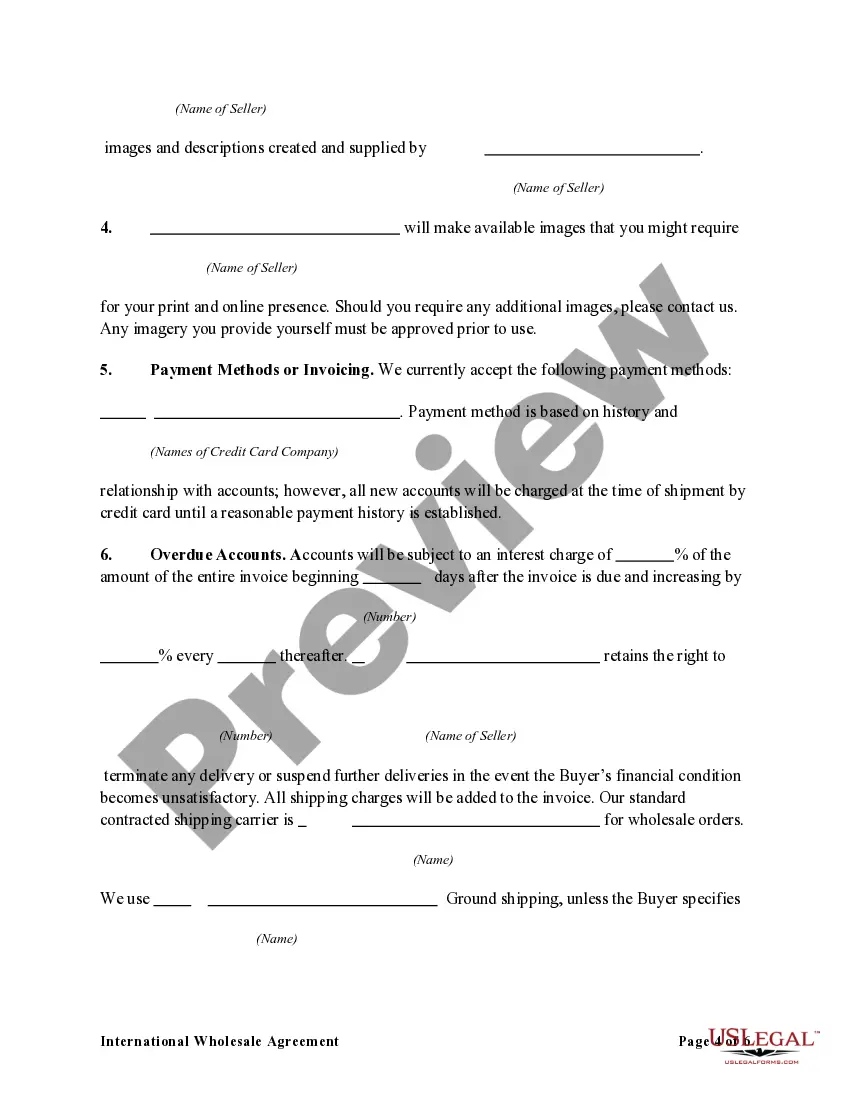
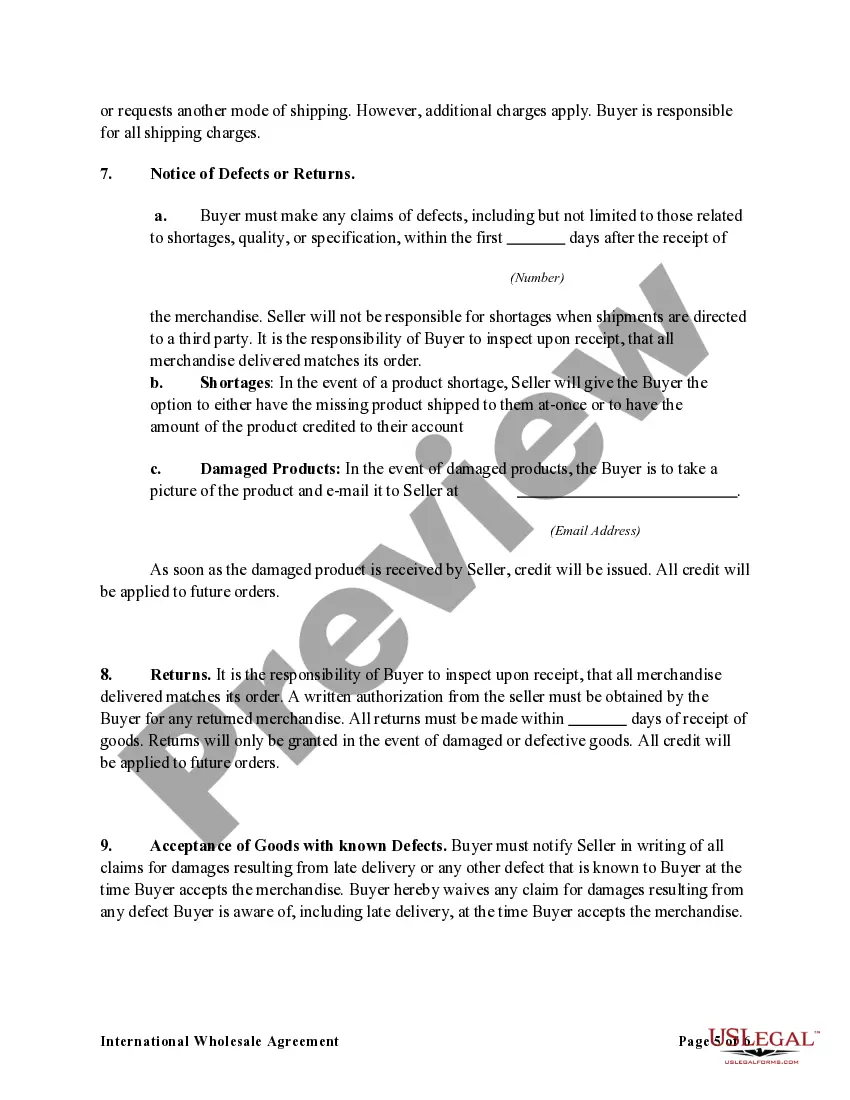
Get your form ready online
Our built-in tools help you complete, sign, share, and store your documents in one place.
Make edits, fill in missing information, and update formatting in US Legal Forms—just like you would in MS Word.
Download a copy, print it, send it by email, or mail it via USPS—whatever works best for your next step.
Sign and collect signatures with our SignNow integration. Send to multiple recipients, set reminders, and more. Go Premium to unlock E-Sign.
If this form requires notarization, complete it online through a secure video call—no need to meet a notary in person or wait for an appointment.
We protect your documents and personal data by following strict security and privacy standards.

Make edits, fill in missing information, and update formatting in US Legal Forms—just like you would in MS Word.

Download a copy, print it, send it by email, or mail it via USPS—whatever works best for your next step.

Sign and collect signatures with our SignNow integration. Send to multiple recipients, set reminders, and more. Go Premium to unlock E-Sign.

If this form requires notarization, complete it online through a secure video call—no need to meet a notary in person or wait for an appointment.

We protect your documents and personal data by following strict security and privacy standards.
Looking for another form?







Form popularity
FAQ
An Illinois wholesale license is required for any business that operates or conducts business in the state and sells goods and services. A wholesale license is also referred to as an Illinois resale certificate.
Following this step-by-step checklist will mean that you can write your contract with confidence: Know your parties. Agree on the terms. Set clear boundaries. Spell out the consequences. Specify how you will resolve disputes. Cover confidentiality. Check the legality of the contract. Open it up to negotiation.
How to Become a Wholesale Distributor in 8 Steps Know who you're distributing to. Choose the best products for wholesale. Get a wholesale license and other permits. Determine wholesale prices. Set minimum order quantities. Shoot product stock images. Create packaging and promotional materials. Build an online wholesale store.
An LLC is a legal entity that provides limited liability protection to its owners, known as members. While an LLC offers various benefits, including liability protection and potential tax advantages, it's not a requirement for engaging in wholesale purchasing.
It depends on your state and city. The majority of the states don't require licensing for real estate wholesalers. But there are states like Kentucky, which has recently passed a law requiring wholesalers to have a form of license.
Your wholesale license allows you to buy goods and merchandise at wholesale prices and be exempt from paying state sales taxes. A sales and use tax license is required to sell goods and services in Illinois. Without it, you cannot legally conduct business in the state.
Write the contract in six steps Start with a contract template. Open with the basic information. Describe in detail what you have agreed to. Include a description of how the contract will be ended. Write into the contract which laws apply and how disputes will be resolved. Include space for signatures.
A contract is a legal document. If both parties sign a letter of agreement, it qualifies as a contract. With no signatures or only one signature, a letter of agreement simply outlines the terms of an agreement, but neither party can enforce it in court.
Following this step-by-step checklist will mean that you can write your contract with confidence: Know your parties. Agree on the terms. Set clear boundaries. Spell out the consequences. Specify how you will resolve disputes. Cover confidentiality. Check the legality of the contract. Open it up to negotiation.
Here are some steps you may use to guide you when you write an employment contract: Title the employment contract. Identify the parties. List the term and conditions. Outline the job responsibilities. Include compensation details. Use specific contract terms. Consult with an employment lawyer. Employment.
