Distribution Agreement With Vendors In Florida
Description

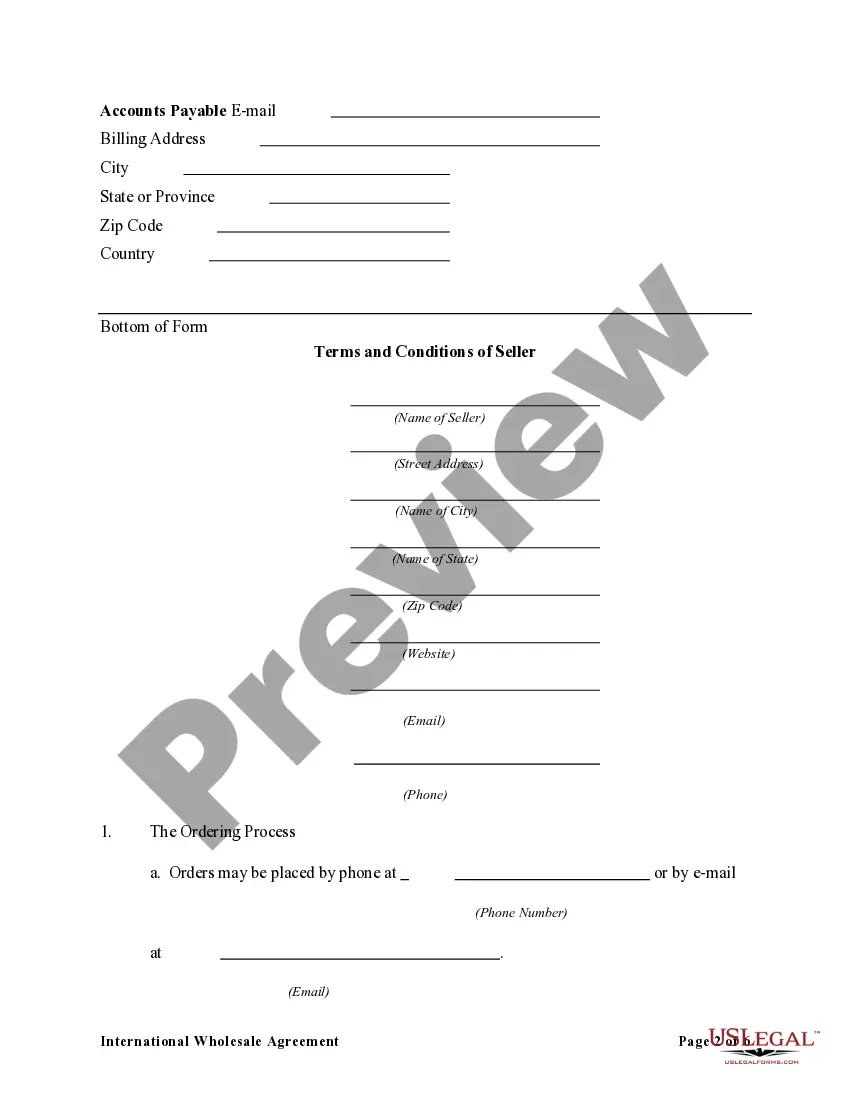
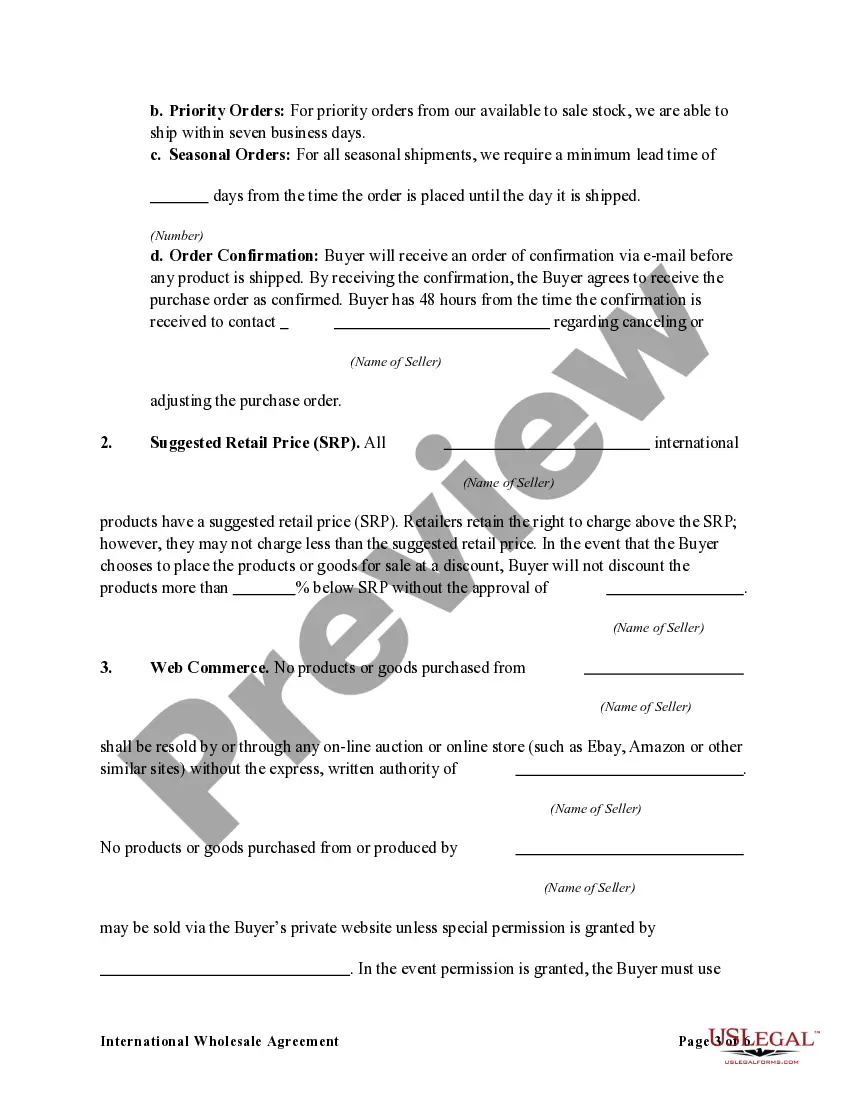
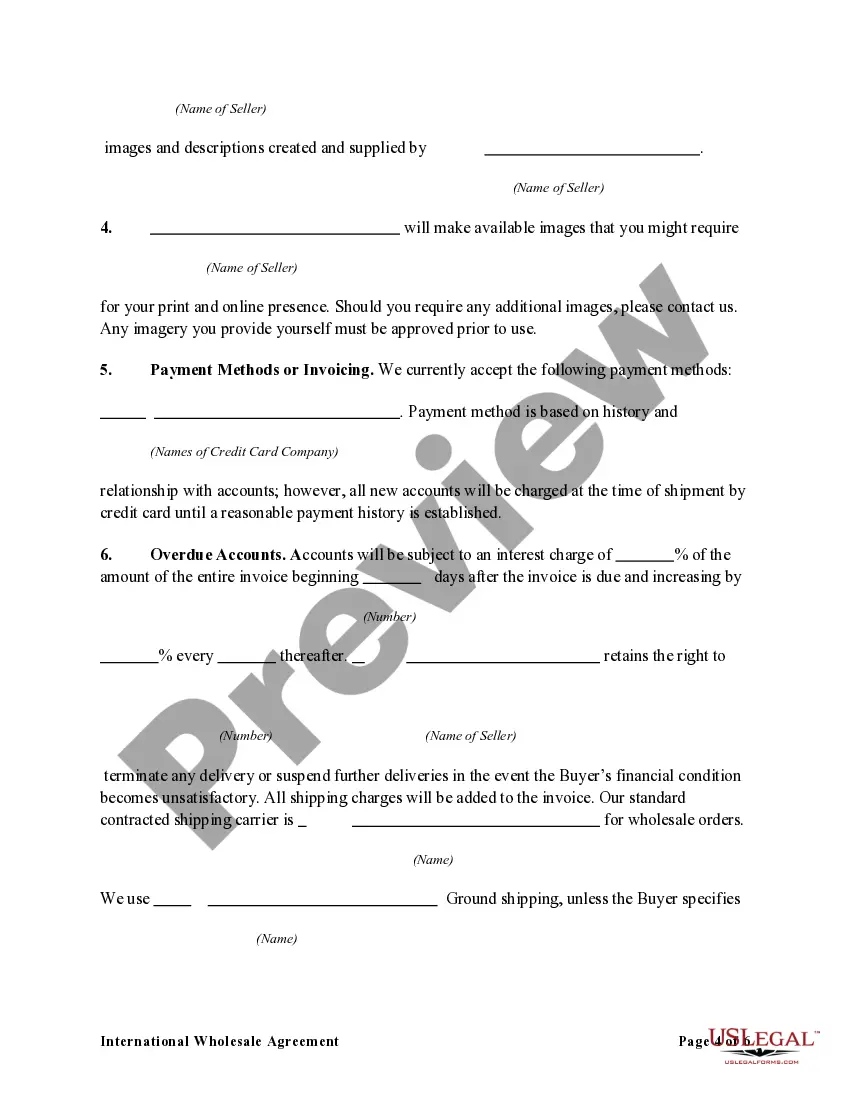
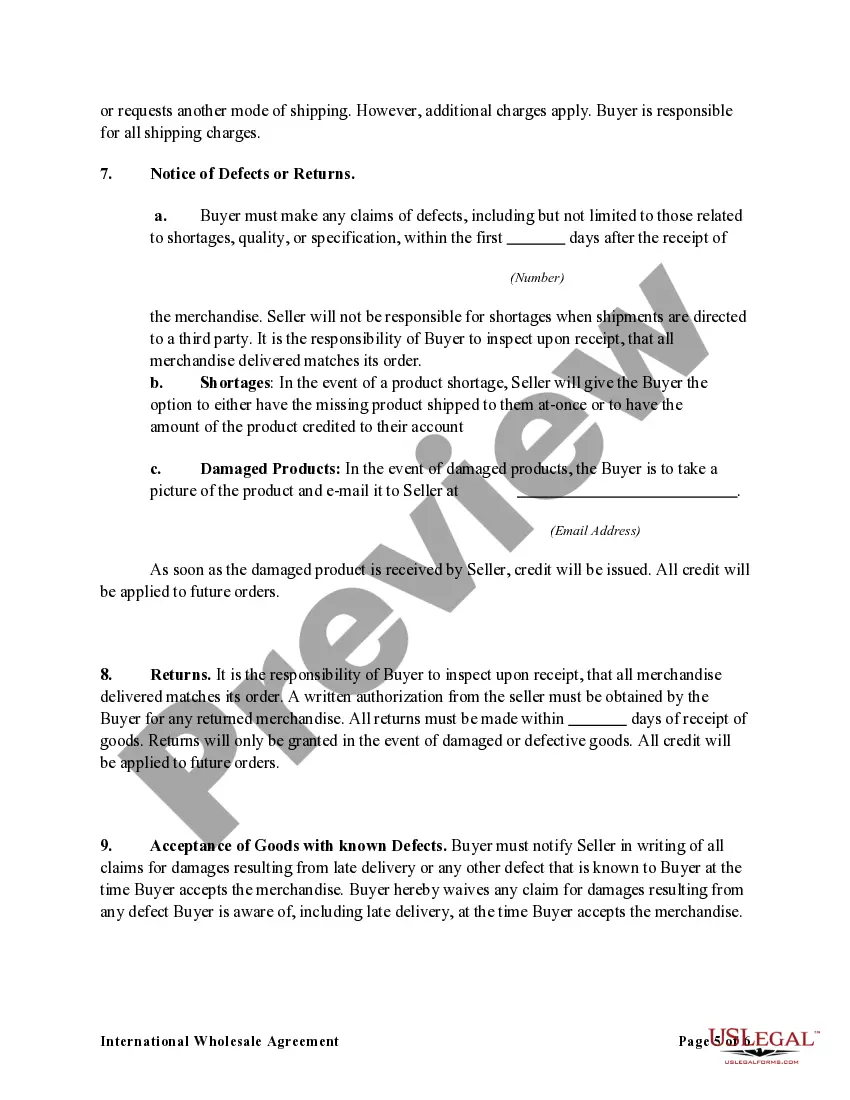
Get your form ready online
Our built-in tools help you complete, sign, share, and store your documents in one place.
Make edits, fill in missing information, and update formatting in US Legal Forms—just like you would in MS Word.
Download a copy, print it, send it by email, or mail it via USPS—whatever works best for your next step.
Sign and collect signatures with our SignNow integration. Send to multiple recipients, set reminders, and more. Go Premium to unlock E-Sign.
If this form requires notarization, complete it online through a secure video call—no need to meet a notary in person or wait for an appointment.
We protect your documents and personal data by following strict security and privacy standards.

Make edits, fill in missing information, and update formatting in US Legal Forms—just like you would in MS Word.

Download a copy, print it, send it by email, or mail it via USPS—whatever works best for your next step.

Sign and collect signatures with our SignNow integration. Send to multiple recipients, set reminders, and more. Go Premium to unlock E-Sign.

If this form requires notarization, complete it online through a secure video call—no need to meet a notary in person or wait for an appointment.

We protect your documents and personal data by following strict security and privacy standards.
Looking for another form?









Form popularity
FAQ
Distribution refers to the movement of goods from a manufacturer or supplier to a retailer or customer. It involves activities such as transportation, storage, and delivery. On the other hand, supply chain encompasses all activities involved in delivering a product from its raw materials stage to the final customer.
The agreement outlines the details of each party's responsibilities and the terms of their collaboration. Generally, the supplier is responsible for manufacturing and selling products while the distributor is responsible for carrying and marketing the product to retailers or customers in their locality.
The term for Distribution Agreements varies, with terms being anywhere from 5 to 15 years. I try to limit the term as much as possible—especially when there is no advance, or a meager one.
A supplier is typically an individual or company that provides products or services to other businesses. They may act as a middleman between the buyer and the seller, or they may provide their own products. A distributor, on the other hand, is someone who sells products directly to consumers.
Distributors buy the products directly from the company, distribute it in the market and also provide after sales services, which the Agents do not provide. While an Agent can be called the company's representative, a Distributor cannot, as he buys the products and then resells them.
The basic elements of a distribution agreement include the term (time period for which the contract is in effect), terms and conditions of supply and the sales territories covered by the agreement (regions within the U.S. and/or international markets).
Here are the steps to find and negotiate a distribution agreement: Step 1: Meet with the distributor. Step 2: Discuss the terms of distribution. Step 3: Review the details, such as marketing materials, catalogs, or product literature. Step 4: Hire a lawyer or an expert to draft the agreement.
Types of an Agency Contract Express Agency. Implied Agency. Implied agency arises when there is any conduct, the situation of parties or is necessary for the case.
When it comes to distribution agreements, there are four main types: exclusive, sole, non-exclusive and selective. It is important for suppliers as well as distributors to recognizse the advantages and disadvantages of each arrangement in order to pick the one that best fits their needs and objectives.
6mo. A Mutual Distribution Agreement in Probate, often referred to as a MDA, is a legally binding agreement among heirs or beneficiaries of an estate regarding the distribution of assets.
