Operating Agreement Template For Single Member Llc In Wayne
Description

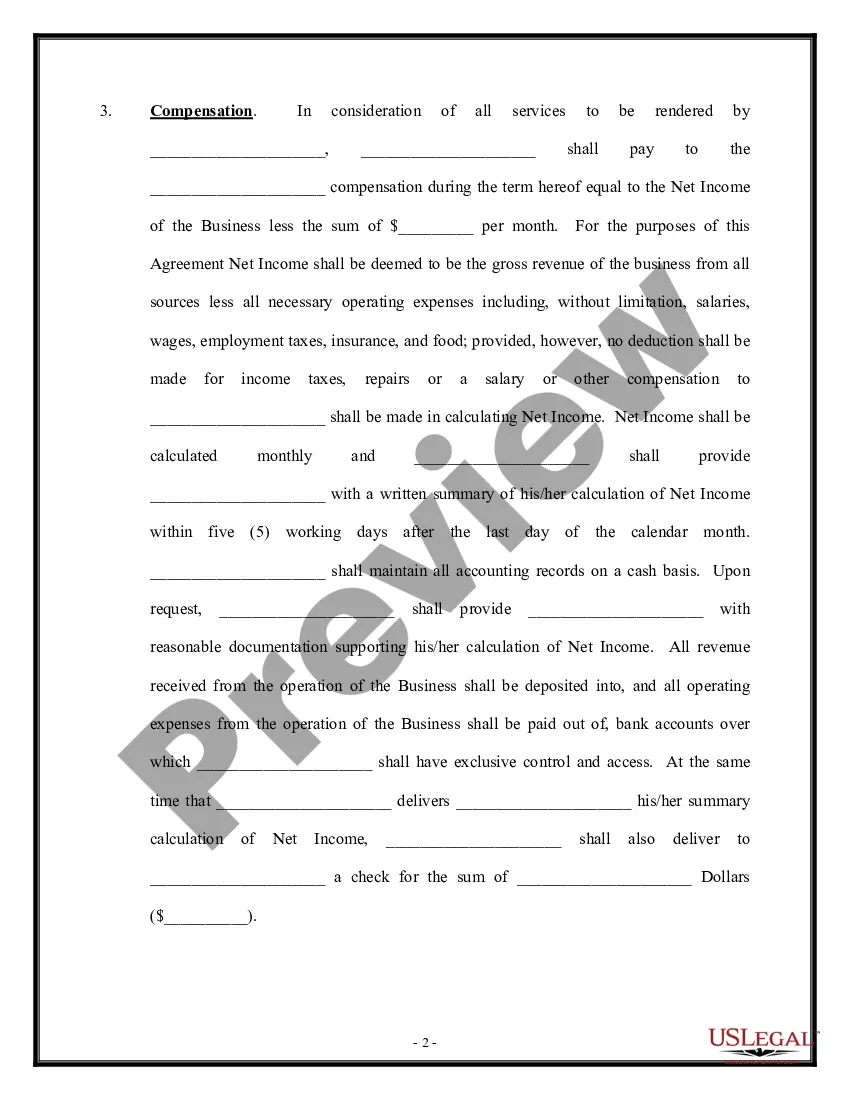
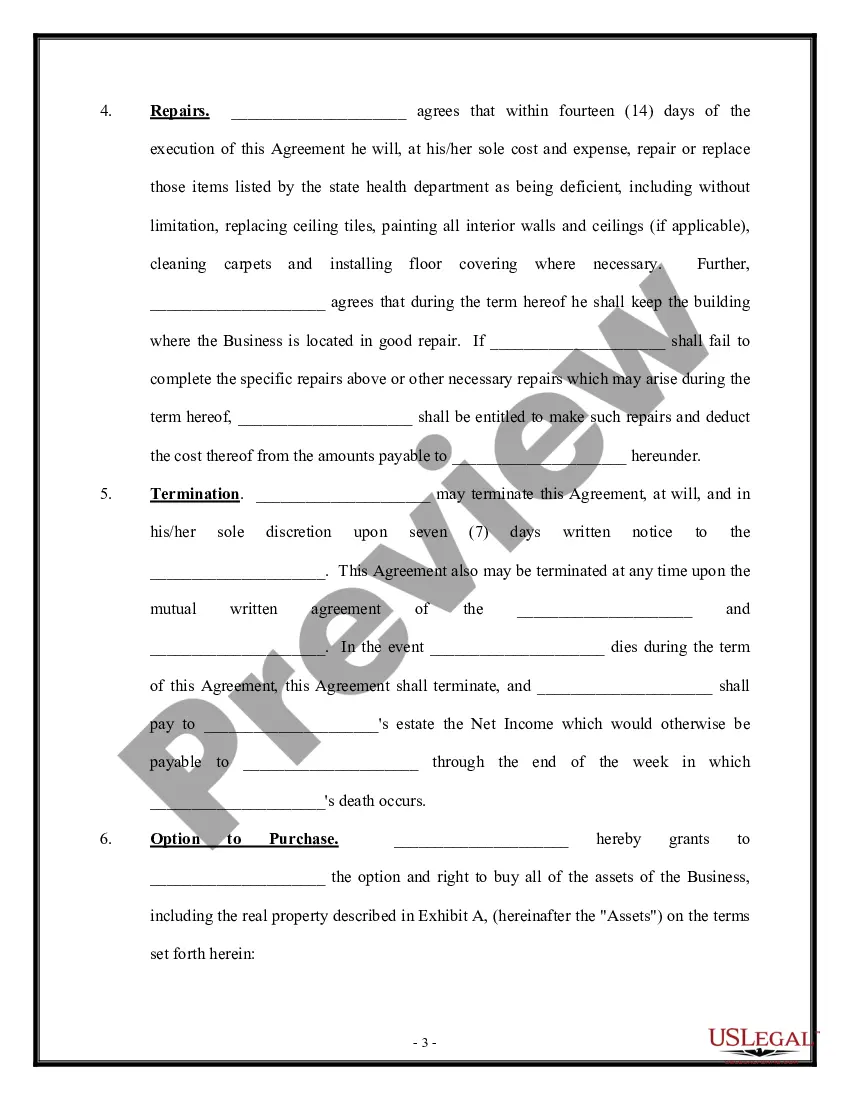
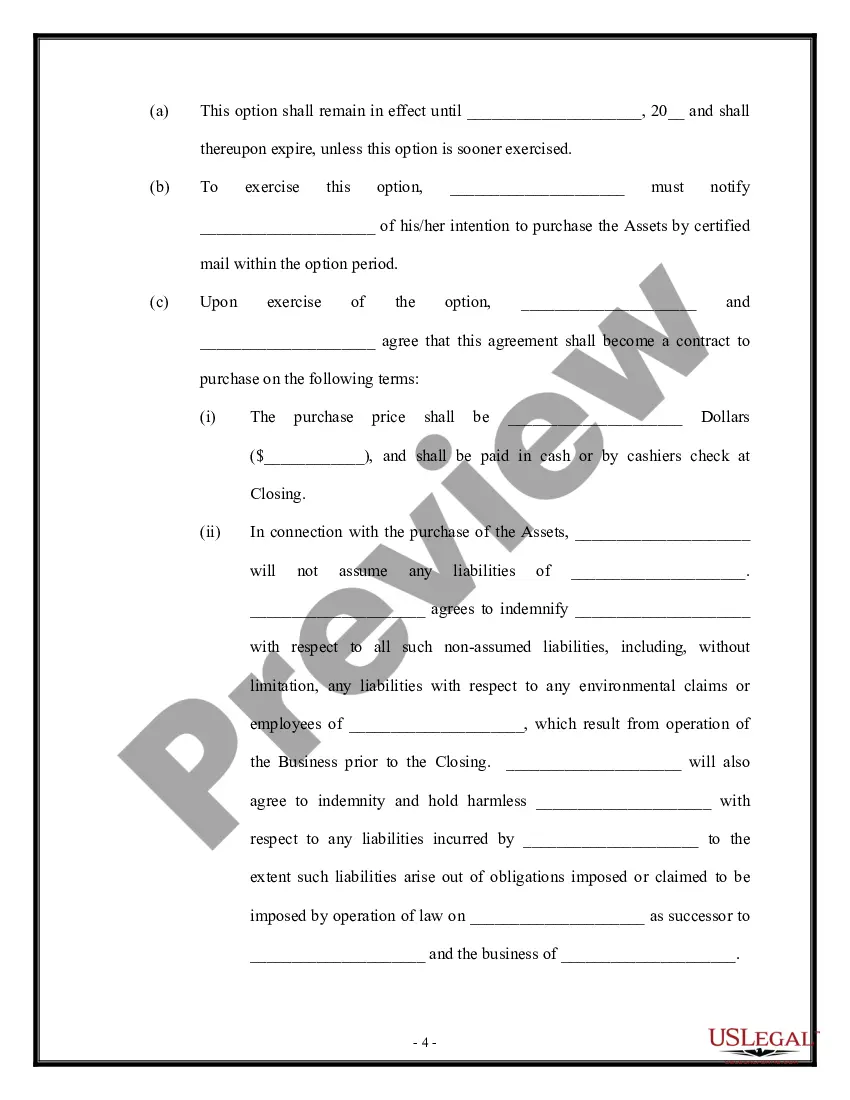
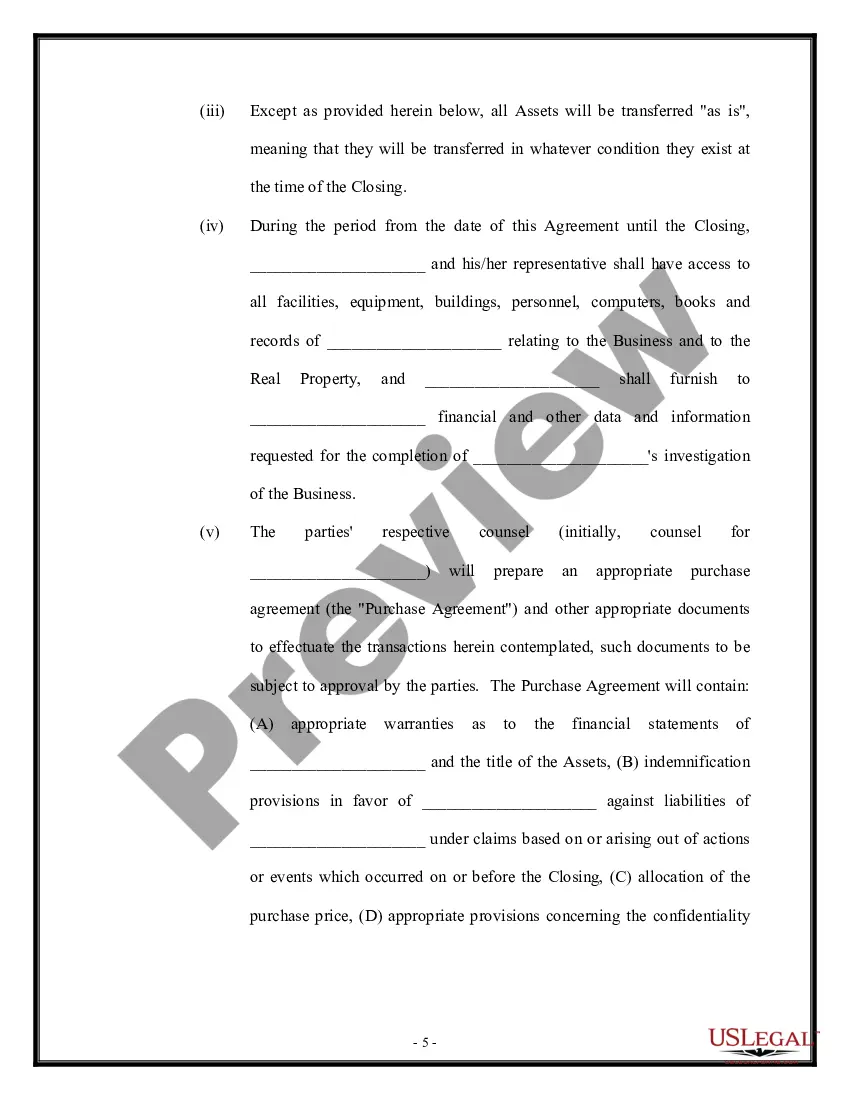
Get your form ready online
Our built-in tools help you complete, sign, share, and store your documents in one place.
Make edits, fill in missing information, and update formatting in US Legal Forms—just like you would in MS Word.
Download a copy, print it, send it by email, or mail it via USPS—whatever works best for your next step.
Sign and collect signatures with our SignNow integration. Send to multiple recipients, set reminders, and more. Go Premium to unlock E-Sign.
If this form requires notarization, complete it online through a secure video call—no need to meet a notary in person or wait for an appointment.
We protect your documents and personal data by following strict security and privacy standards.

Make edits, fill in missing information, and update formatting in US Legal Forms—just like you would in MS Word.

Download a copy, print it, send it by email, or mail it via USPS—whatever works best for your next step.

Sign and collect signatures with our SignNow integration. Send to multiple recipients, set reminders, and more. Go Premium to unlock E-Sign.

If this form requires notarization, complete it online through a secure video call—no need to meet a notary in person or wait for an appointment.

We protect your documents and personal data by following strict security and privacy standards.
Looking for another form?




Form popularity
FAQ
Generally, you should take the following steps: Choose a name for your SMLLC. Decide your company's management structure. Register your SMLLC. Draft an operating agreement. Apply for the required licenses, permits, and registrations. Obtain an employer identification number (EIN). Get insurance coverage.
What To Include in a Single-Member LLC Operating Agreement Name of LLC. Principal Place of Business. State of Organization/Formation. Registered Office and Registered Agent. Operating the LLC in Another State (Foreign LLC) Duration of LLC. Purpose of LLC. Powers of LLC.
Once you (and the other LLC Members, if applicable) sign the Operating Agreement, then it becomes a legal document. Can I write my own Operating Agreement? Yes, but we recommend using an Operating Agreement template. An Operating Agreement is a legal document.
Having an operating agreement for a single-member LLC helps demonstrate the legal separation between the business and the owner, reinforcing the member's personal limited liability protection in the event of a lawsuit against the company.
While not always legally required, operating agreements play a critical role in the smooth operation, legal protection, and financial clarity of LLCs. Their absence can lead to governance by default state laws, management, and financial disorganization, and increased legal vulnerabilities.
If your LLC has one owner, you're a single member limited liability company (SMLLC). If you are married, you and your spouse are considered one owner and can elect to be treated as an SMLLC. We require an SMLLC to file Form 568 (coming soon), even though they are considered a disregarded entity for tax purposes.
Operating agreements reinforce the limited liability protection of an LLC. Because they delineate the LLC as a separate legal entity and define its adherence to corporate formalities, they can protect members from personal liability for the LLC's legal obligations and debts.
Their absence can lead to governance by default state laws, management, and financial disorganization, and increased legal vulnerabilities. LLCS should draft and maintain an operating agreement tailored to their specific business needs.
As a rule, a single-member LLC is considered a separate legal entity from its owner. This means that the owner's personal assets are shielded from any debts and liabilities incurred by your LLC. However, there are some exceptions to this rule under state and federal law.
