All Business Purchase Formula In San Jose
Description

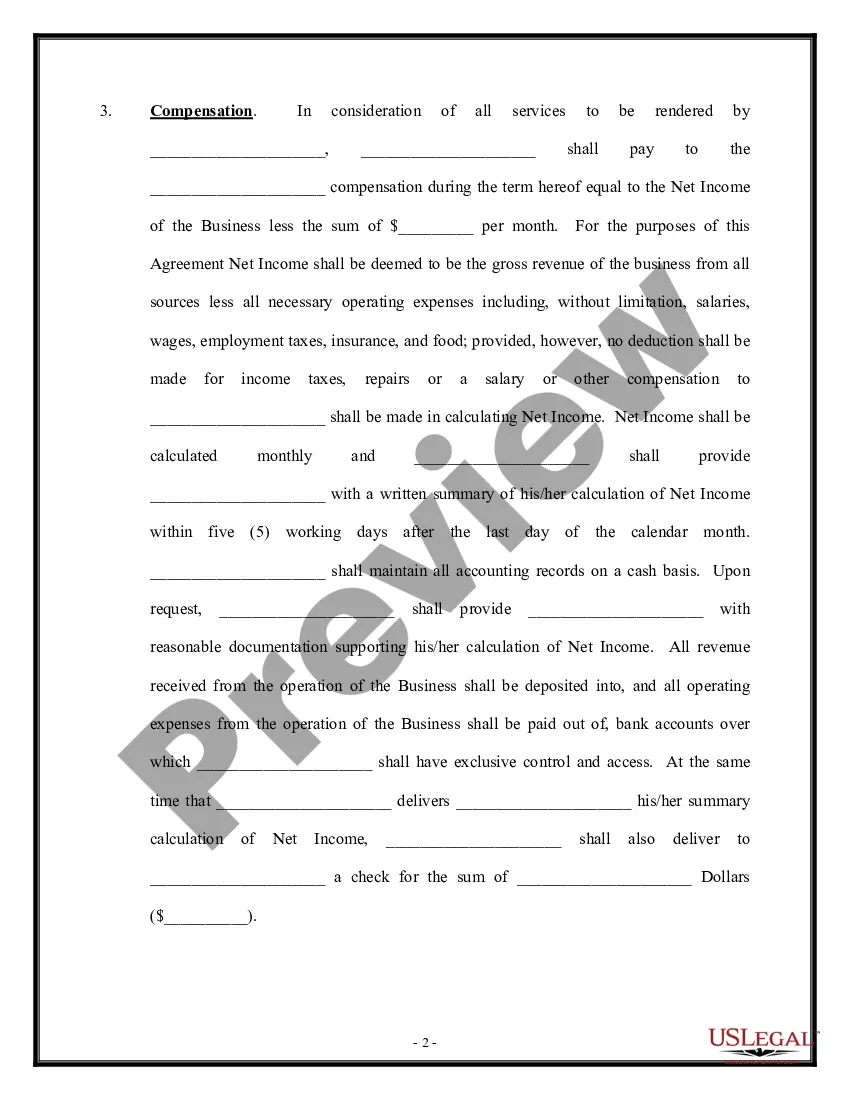
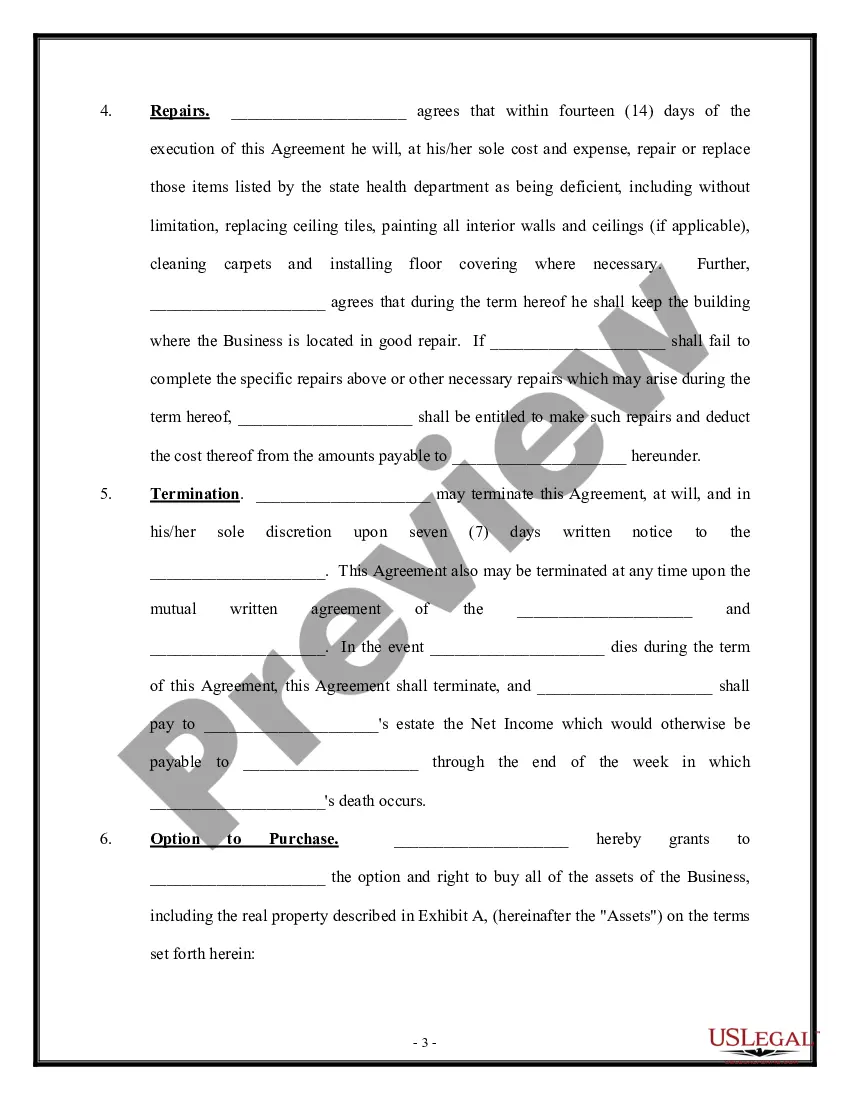
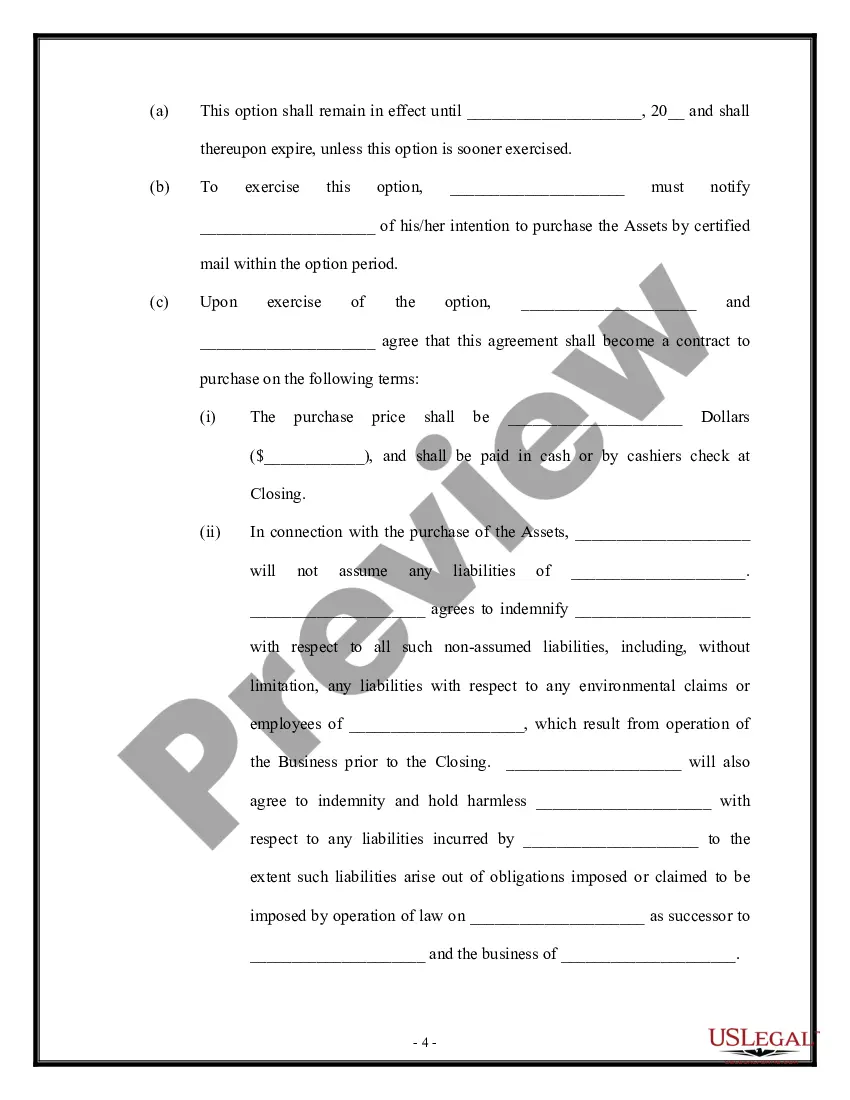
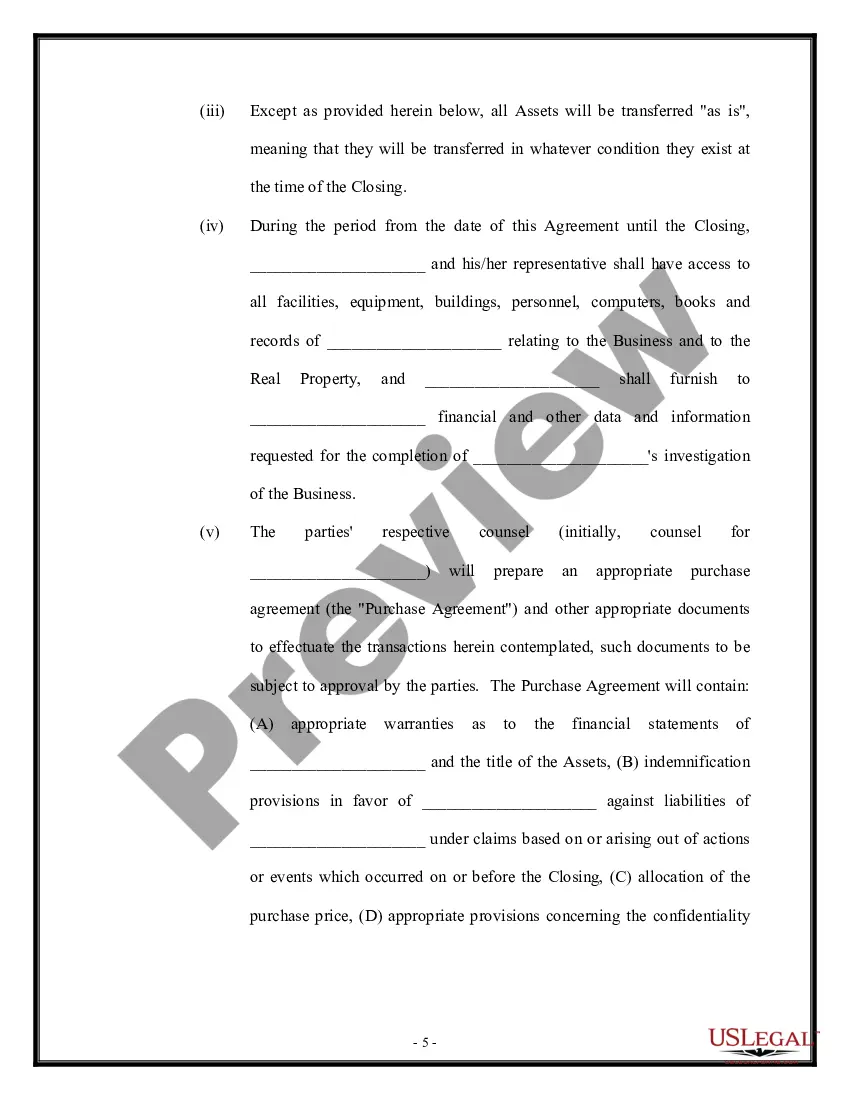
Get your form ready online
Our built-in tools help you complete, sign, share, and store your documents in one place.
Make edits, fill in missing information, and update formatting in US Legal Forms—just like you would in MS Word.
Download a copy, print it, send it by email, or mail it via USPS—whatever works best for your next step.
Sign and collect signatures with our SignNow integration. Send to multiple recipients, set reminders, and more. Go Premium to unlock E-Sign.
If this form requires notarization, complete it online through a secure video call—no need to meet a notary in person or wait for an appointment.
We protect your documents and personal data by following strict security and privacy standards.

Make edits, fill in missing information, and update formatting in US Legal Forms—just like you would in MS Word.

Download a copy, print it, send it by email, or mail it via USPS—whatever works best for your next step.

Sign and collect signatures with our SignNow integration. Send to multiple recipients, set reminders, and more. Go Premium to unlock E-Sign.

If this form requires notarization, complete it online through a secure video call—no need to meet a notary in person or wait for an appointment.

We protect your documents and personal data by following strict security and privacy standards.
Looking for another form?







Form popularity
FAQ
Yes, self-employed individuals in California must obtain a business license to operate legally. This requirement applies to freelancers, consultants, and home-based business owners.
A California business tax certificate is a necessity to operate any form of business in the state. This even applies to both home-based and small businesses. These business licenses are obtained at the city level, so it is important to file with your city whenever starting a new business, no matter how small.
City or county requirements: Almost every city and county in California, with the exception of some unincorporated areas, requires that businesses have a general license to operate. First, contact your local city or county clerk's office for guidance and more information.
California doesn't necessarily require all businesses (of any structure) to obtain a license. While the state doesn't issue or require a business operating license, it regulates and requires licenses or permits for some business activities.
While the state does not require a self-employment business license statewide, you may need one in certain circumstances, like: Local Variations: Depending on your location in California, your city or county may have its business license requirements.
Limited partnerships, corporations, and limited liability companies (LLCs) are all legally required to register within California. Only sole proprietorships are exempt.
The Net Book Value (NBV) of your business is calculated by deducting the costs of your business liabilities, including debt and outstanding credit, from the total value of your tangible and intangible assets.
Current Value = (Asset Value) / (1 – Debt Ratio) To quickly value a business, find its total liabilities and subtract them from the total assets. This will give you an idea of its book value. This formula estimates the worth of a business by looking at its assets and subtracting any liabilities.
Tally the value of assets. Add up the value of everything the business owns, including all equipment and inventory. Subtract any debts or liabilities. The value of the business's balance sheet is at least a starting point for determining the business's worth.
To accurately ascertain a business's value efficiently, calculate its total liabilities and subtract that figure from the sum of all assets—the resulting number is known as book value. This approach to calculating company worth takes into account both existing assets and any outstanding liabilities.
