Management Contract Template For Virtual Assistant In Salt Lake
Description

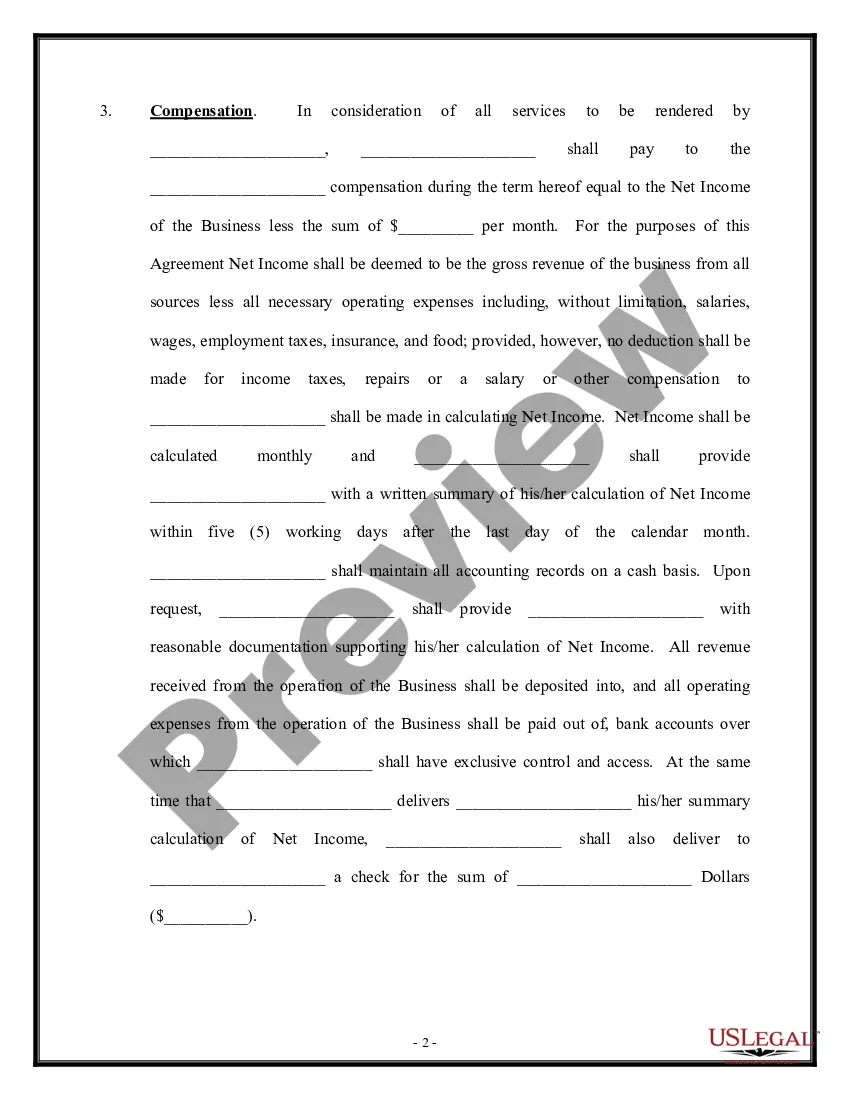
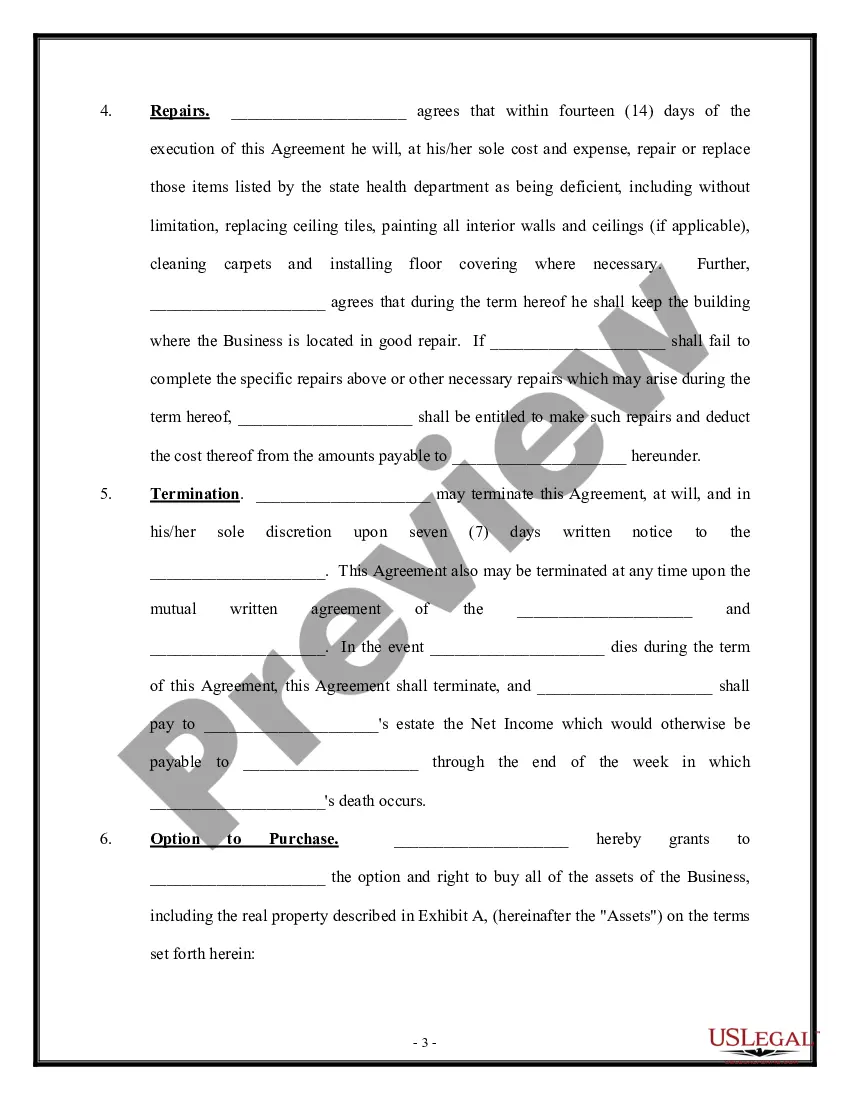
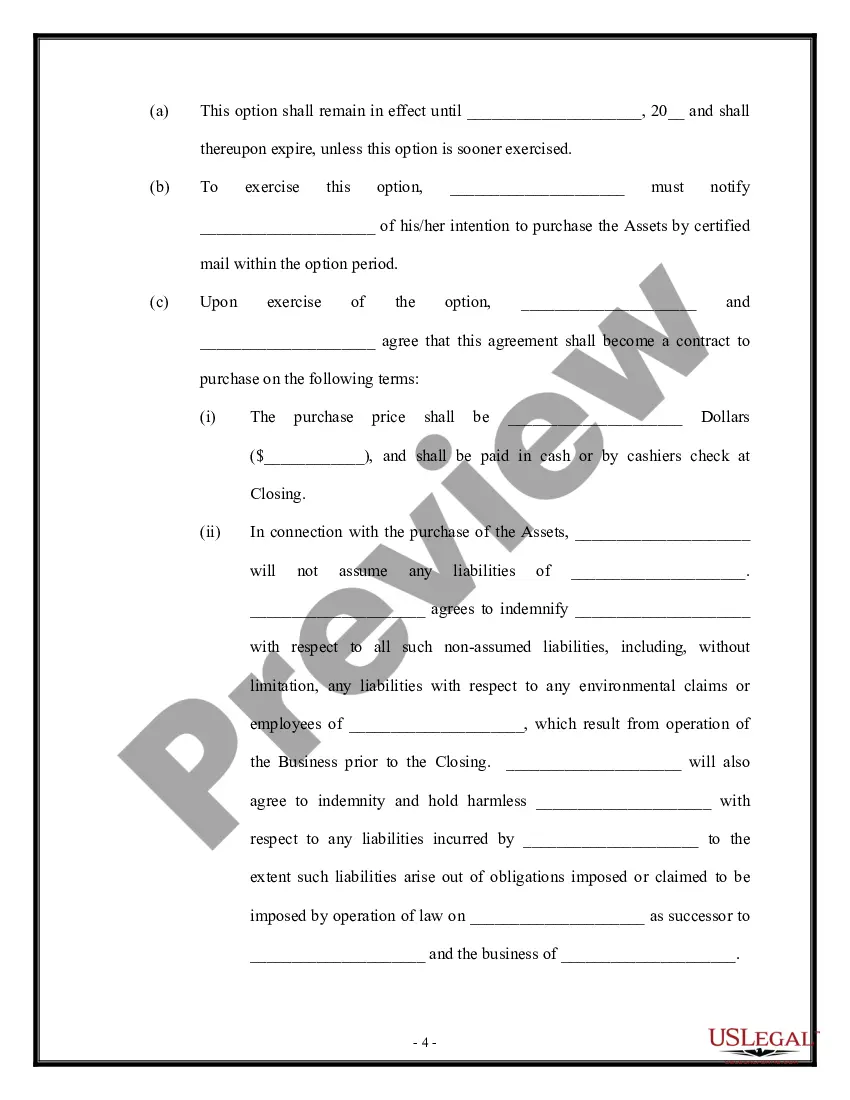
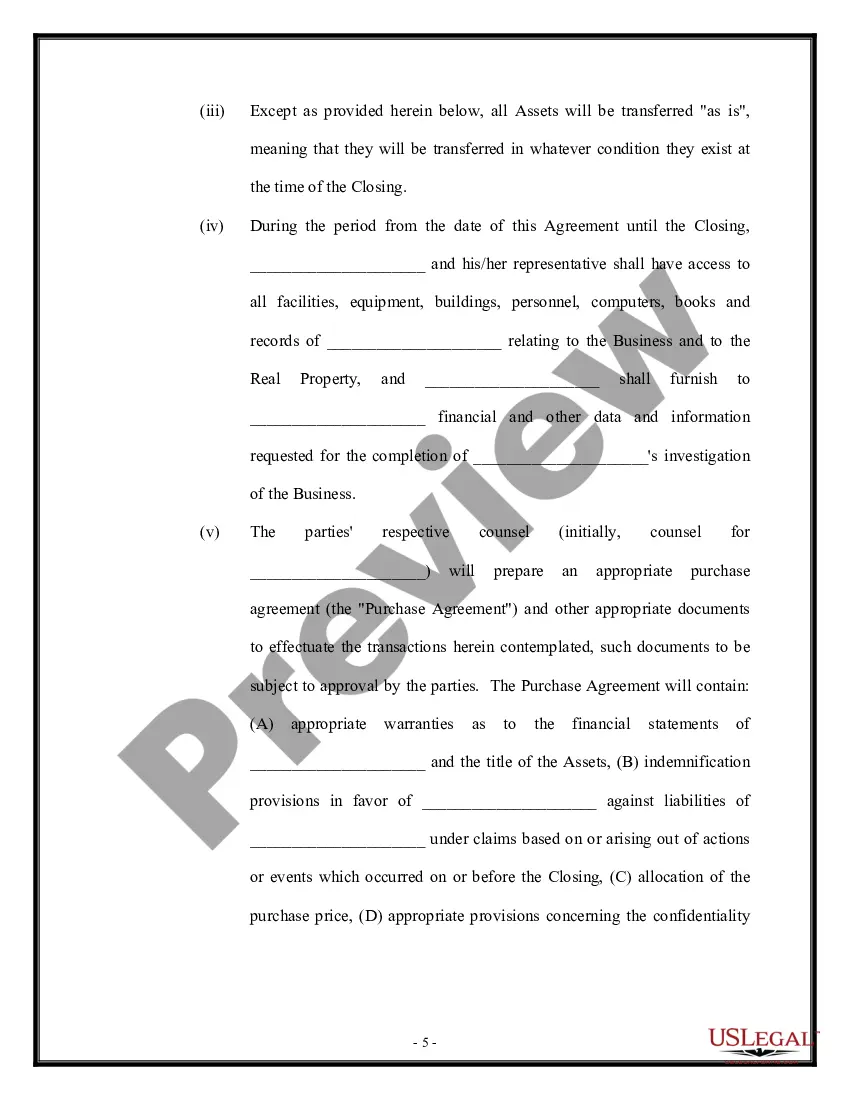
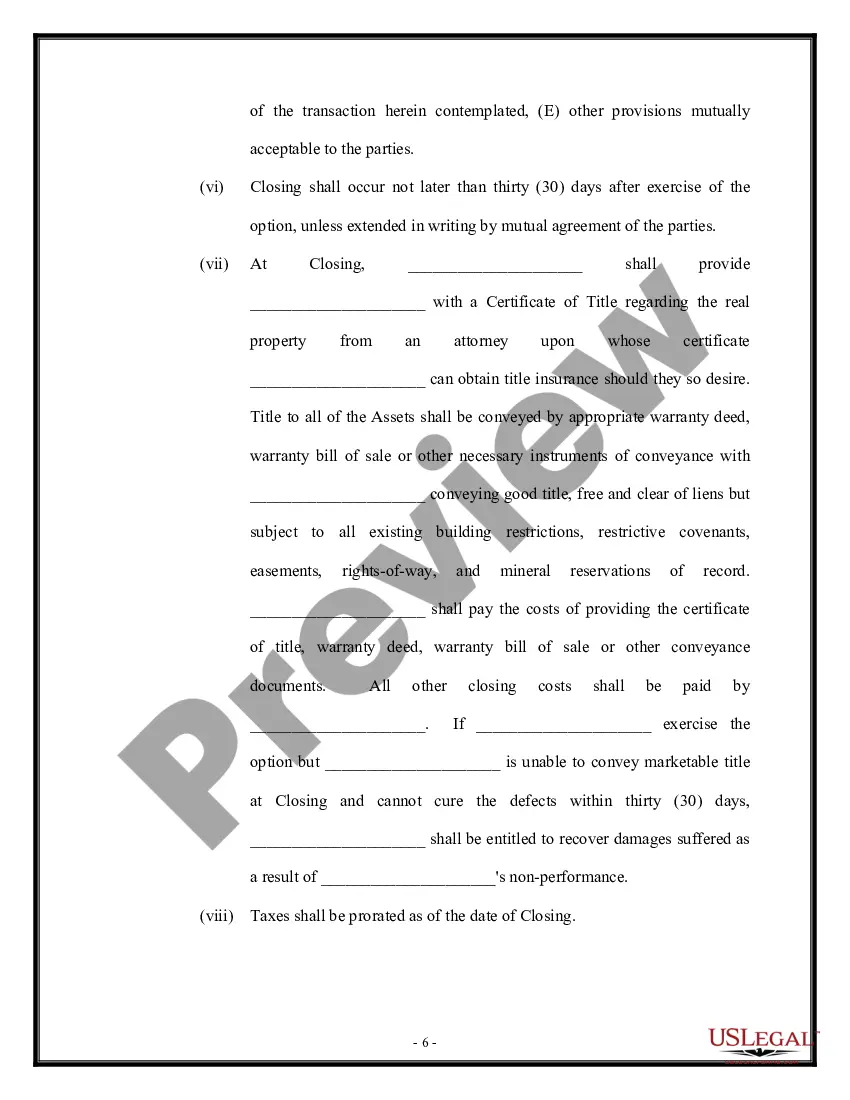
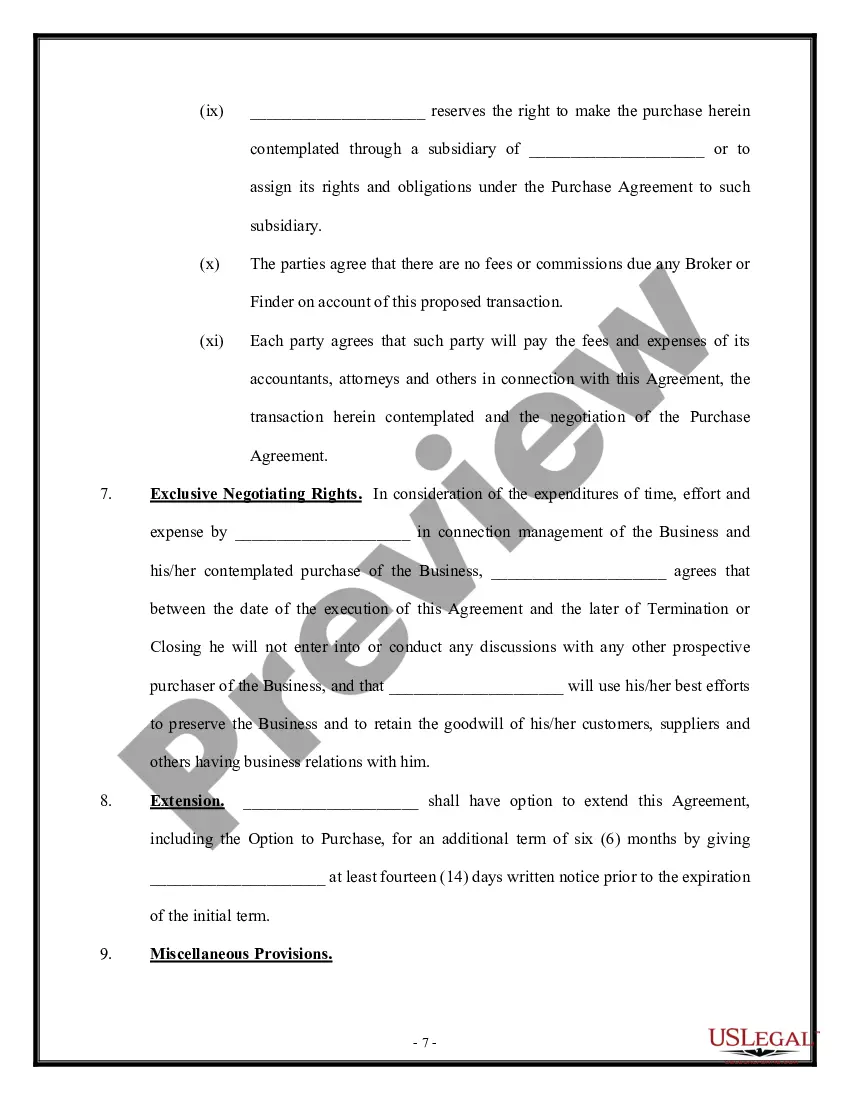
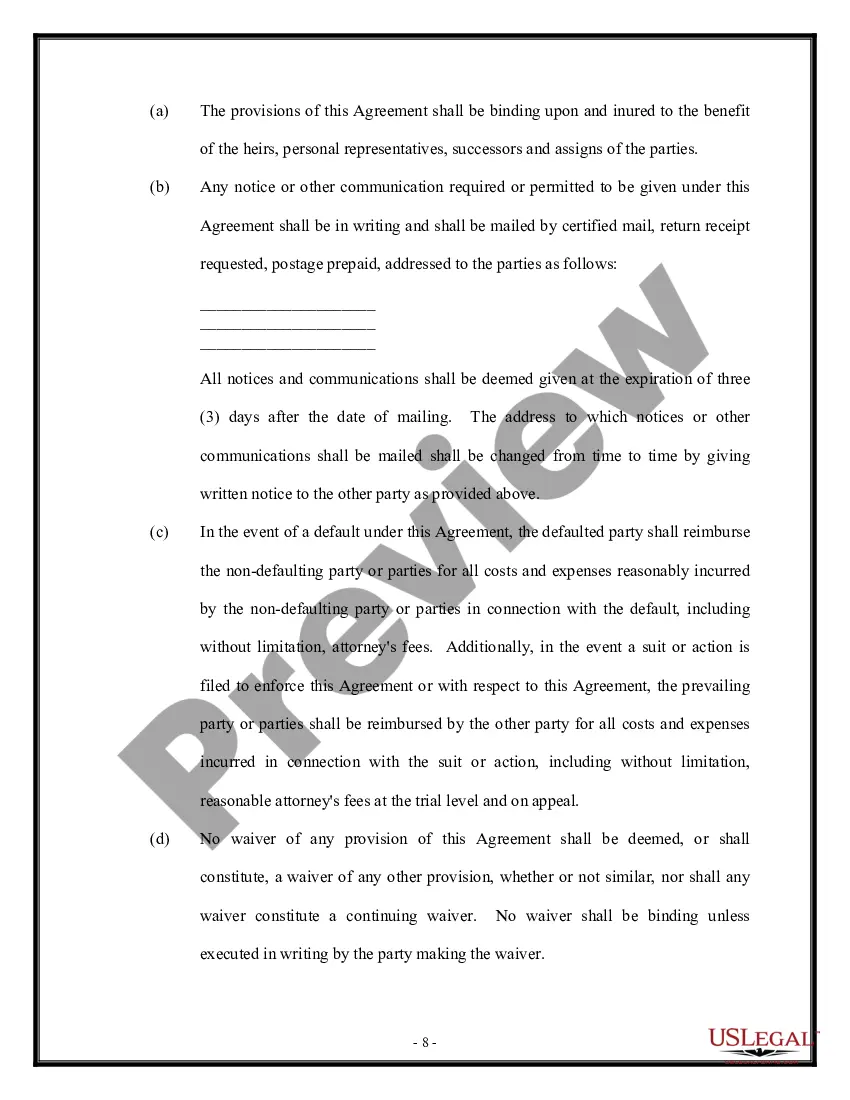
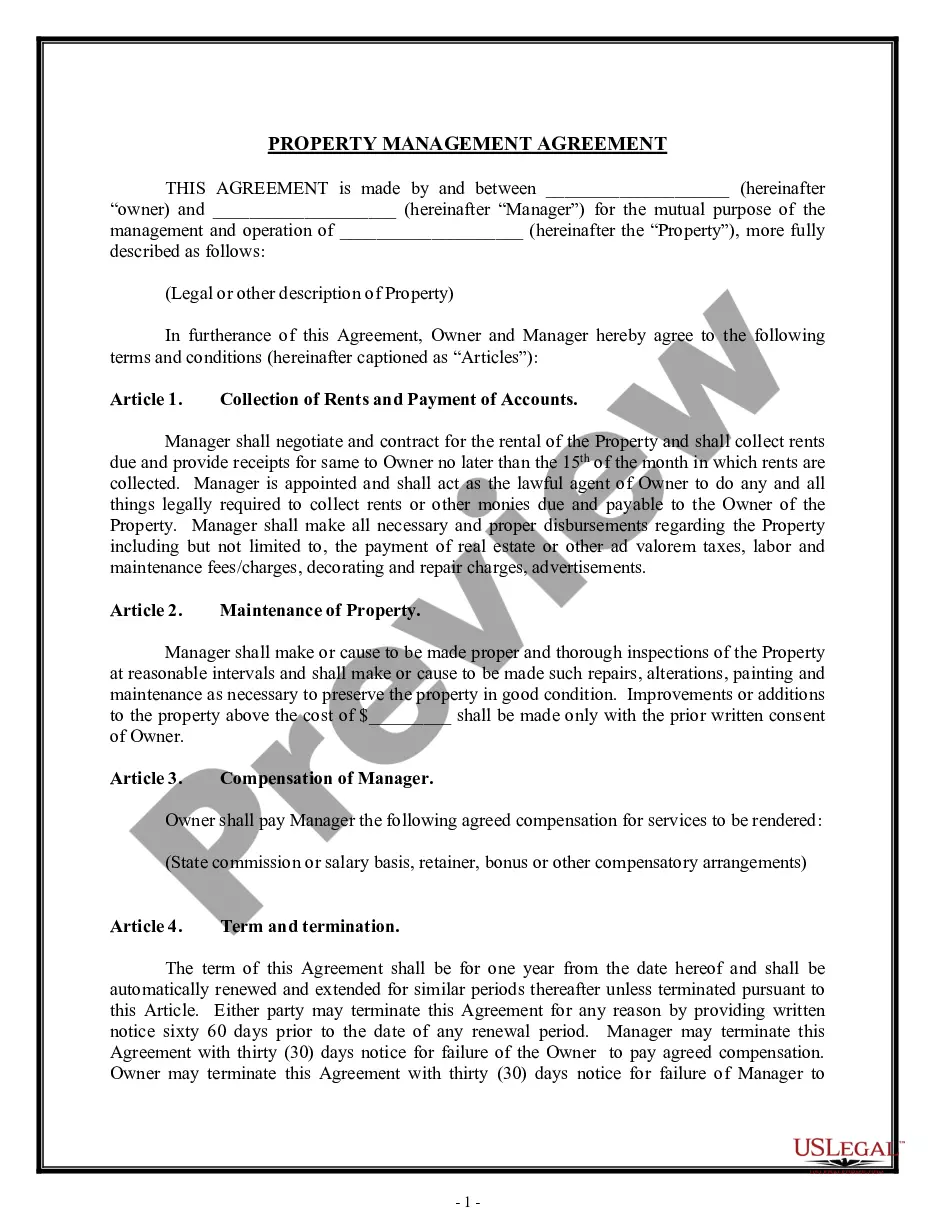
Get your form ready online
Our built-in tools help you complete, sign, share, and store your documents in one place.
Make edits, fill in missing information, and update formatting in US Legal Forms—just like you would in MS Word.
Download a copy, print it, send it by email, or mail it via USPS—whatever works best for your next step.
Sign and collect signatures with our SignNow integration. Send to multiple recipients, set reminders, and more. Go Premium to unlock E-Sign.
If this form requires notarization, complete it online through a secure video call—no need to meet a notary in person or wait for an appointment.
We protect your documents and personal data by following strict security and privacy standards.

Make edits, fill in missing information, and update formatting in US Legal Forms—just like you would in MS Word.

Download a copy, print it, send it by email, or mail it via USPS—whatever works best for your next step.

Sign and collect signatures with our SignNow integration. Send to multiple recipients, set reminders, and more. Go Premium to unlock E-Sign.

If this form requires notarization, complete it online through a secure video call—no need to meet a notary in person or wait for an appointment.

We protect your documents and personal data by following strict security and privacy standards.
Looking for another form?

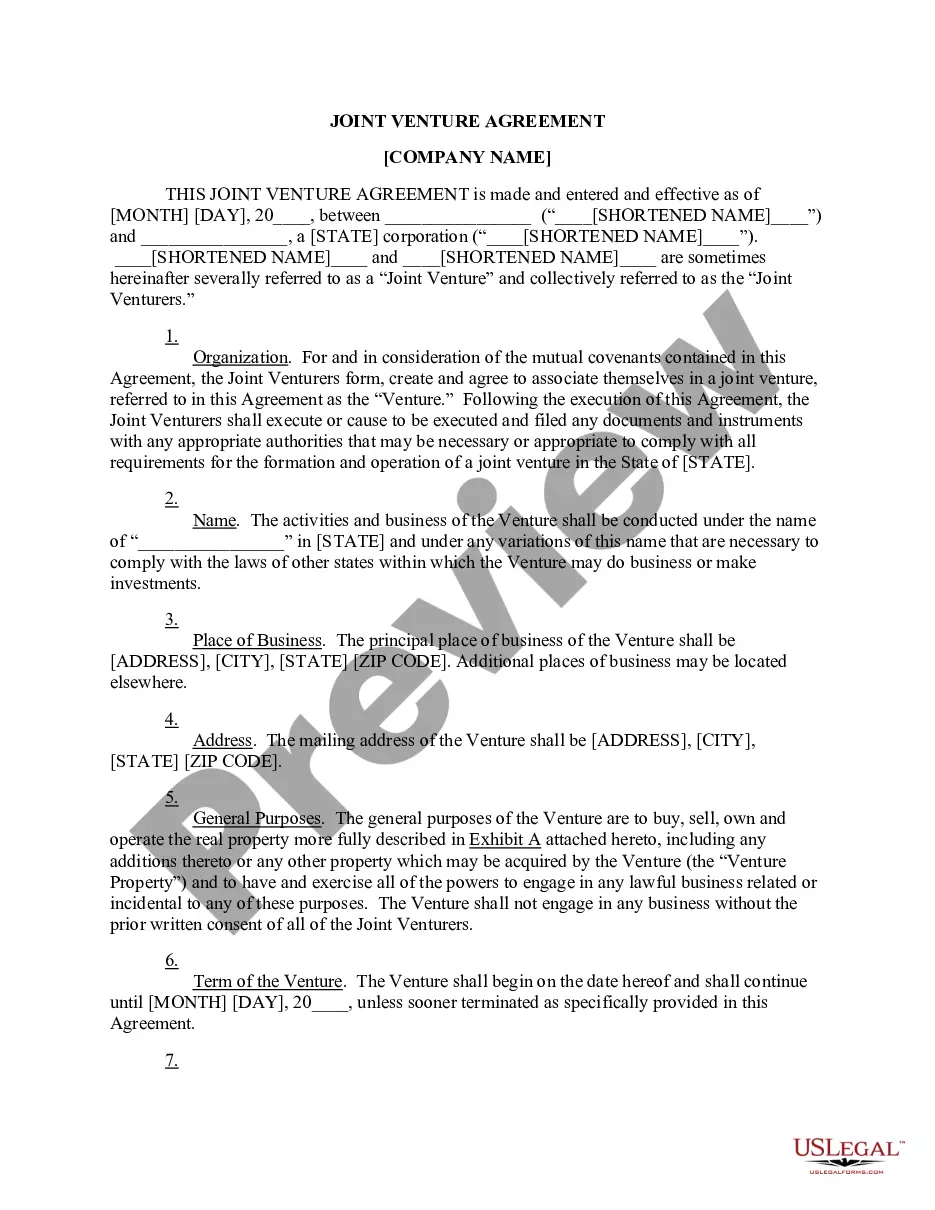





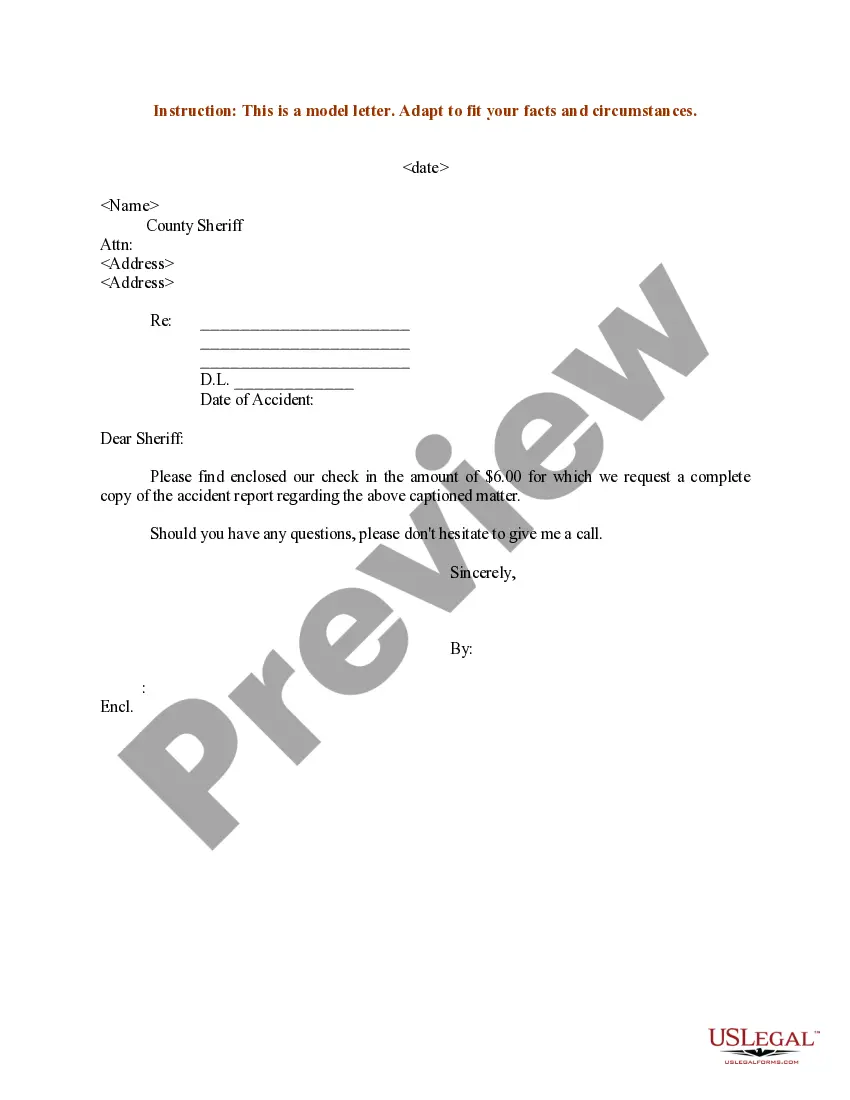


Form popularity
FAQ
State Business Licenses: State requirements vary widely. Some states allow virtual addresses for business licenses, especially for businesses that don't require a customer-facing physical location or have environmental impact.
In general, most states do not require virtual assistants to have a business license. However, there are a few exceptions. For example, California requires all businesses, including virtual assistants, to obtain a business license from the city where you live.
There are also specialized virtual assistants who can handle work with social media, graphic design, writing blog articles, and more. The specific duties vary based on the needs of the business and the VA's professional skills and experience. A virtual assistant can be an independent contractor or an employee.
You'll need to register your business and decide if you want to operate as a sole proprietor, an LLC (limited liability corporation), or a corporation. Most virtual assistants stick with being a sole proprietorship, but an LLC can help protect your personal assets if anything goes wrong.
A high school diploma is required; a bachelor's degree in a related field is preferred. Work experience. Proven experience as an administrative assistant, personal assistant, or virtual assistant. Technical skills.
Sample answer: I read through the tasks for the position, and I am confident I am the virtual assistant for the job. I have worked in similar roles before, and with my help, my boss didn't have to worry about missing emails, forgetting appointments, organizing notes, etc.
Steps to Starting a Virtual Assistant Business Create a Business Plan for Your Virtual Assistant Business. Select a Name for Your Virtual Assistant Business. Choose a Business Structure. Create Internal Policies and Procedures. Get an EIN and Register for Taxes. Open a Bank Account. Obtain Required Licenses and Permits.
How to Write a Virtual Assistant Business Plan? Executive Summary. An executive summary is the first section planned to offer an overview of the entire business plan. Business Overview. Market Analysis. Products And Services. Sales And Marketing Strategies. Operations Plan. Management Team. Financial Plan.
The two most common options for a virtual assistant business are a sole proprietorship, or a limited liability company (LLC).
