All Business Purchase With Bitcoin In Massachusetts
Description


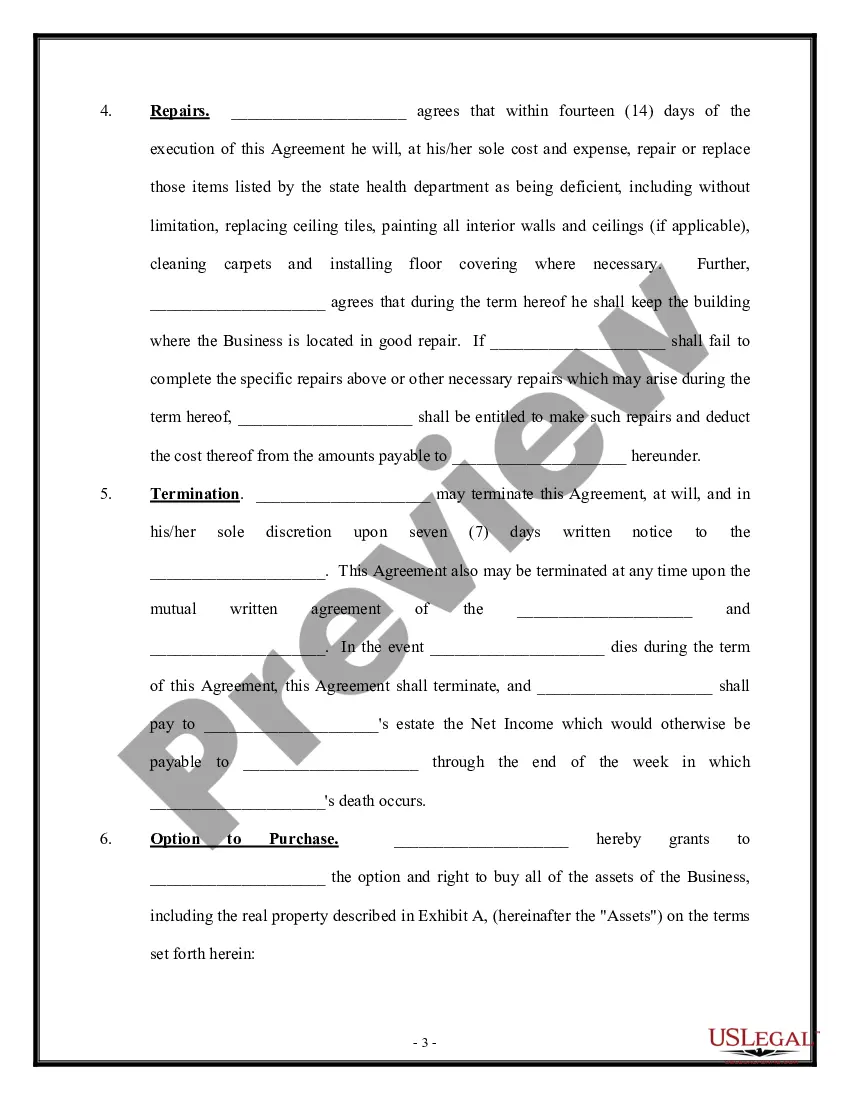
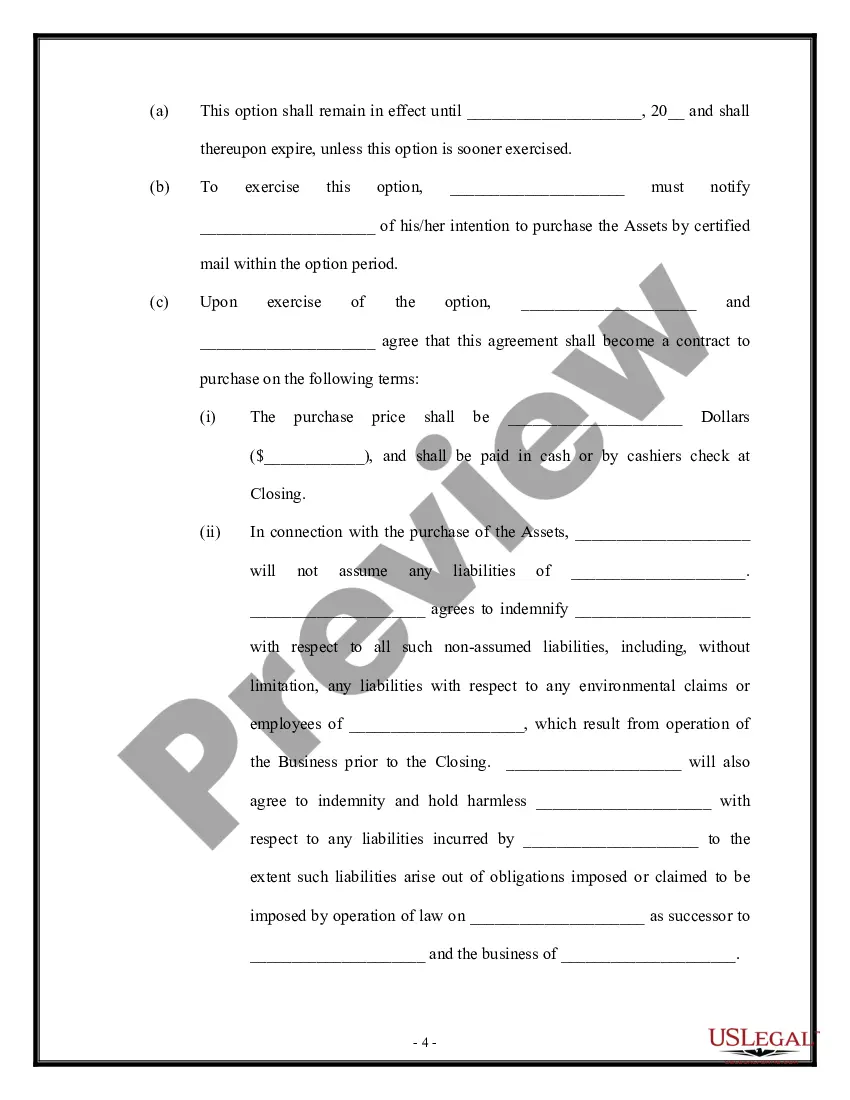
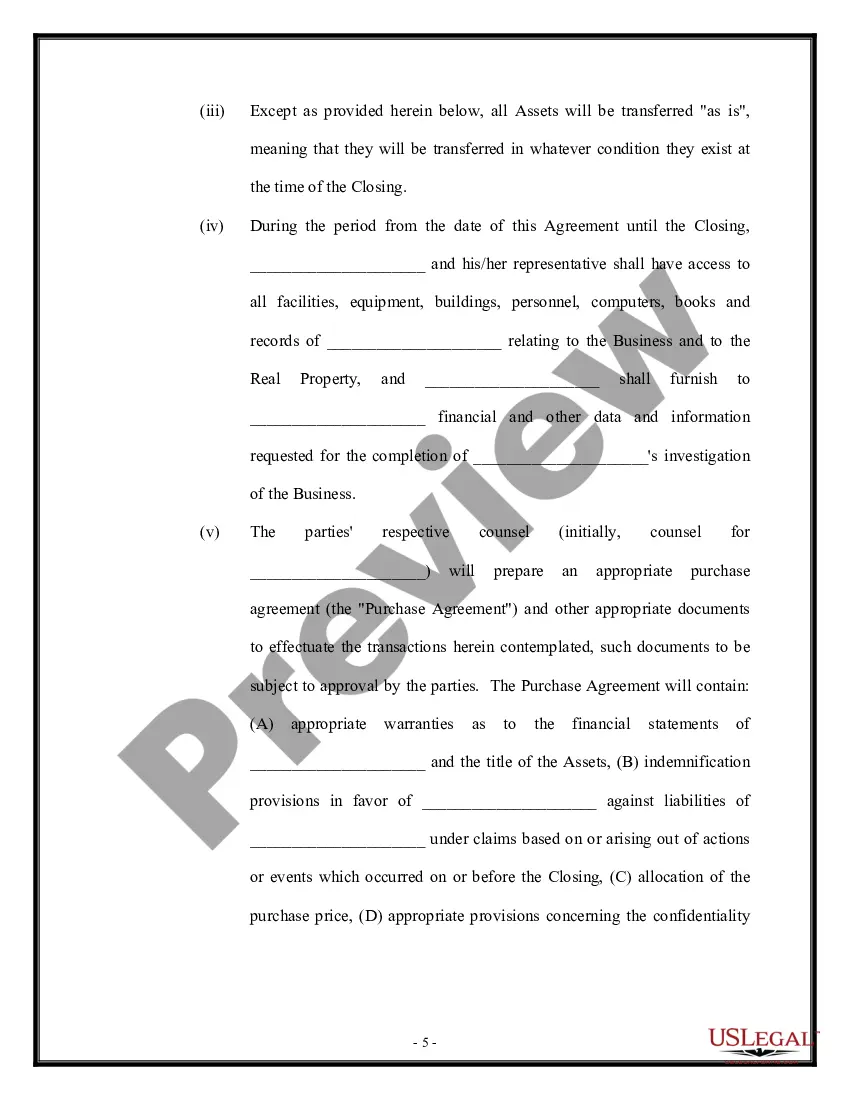
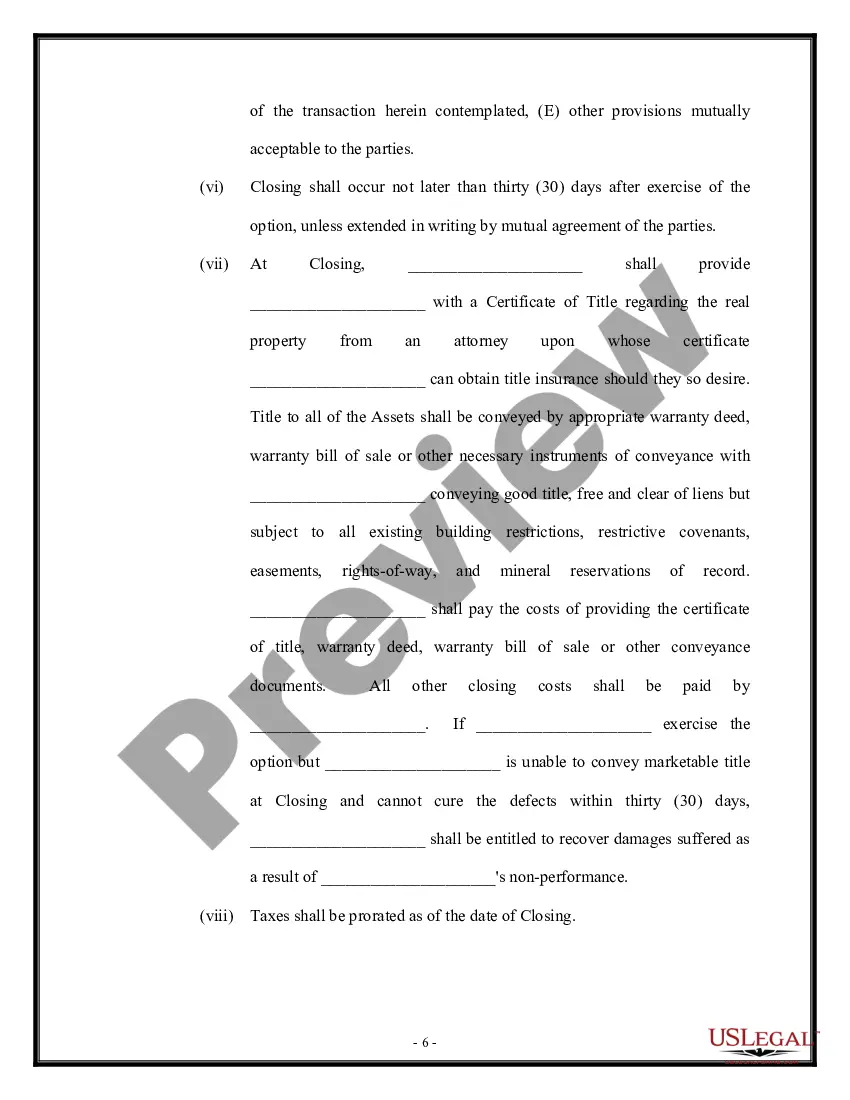

Get your form ready online
Our built-in tools help you complete, sign, share, and store your documents in one place.
Make edits, fill in missing information, and update formatting in US Legal Forms—just like you would in MS Word.
Download a copy, print it, send it by email, or mail it via USPS—whatever works best for your next step.
Sign and collect signatures with our SignNow integration. Send to multiple recipients, set reminders, and more. Go Premium to unlock E-Sign.
If this form requires notarization, complete it online through a secure video call—no need to meet a notary in person or wait for an appointment.
We protect your documents and personal data by following strict security and privacy standards.

Make edits, fill in missing information, and update formatting in US Legal Forms—just like you would in MS Word.

Download a copy, print it, send it by email, or mail it via USPS—whatever works best for your next step.

Sign and collect signatures with our SignNow integration. Send to multiple recipients, set reminders, and more. Go Premium to unlock E-Sign.

If this form requires notarization, complete it online through a secure video call—no need to meet a notary in person or wait for an appointment.

We protect your documents and personal data by following strict security and privacy standards.
Looking for another form?








Form popularity
FAQ
How to Report Crypto on Your Taxes (Step-By-Step) Calculate your crypto gains and losses. Complete IRS Form 8949. Include totals from Form 8949 on Schedule D. Include any crypto income. Complete the rest of your tax return.
US taxpayers can offset crypto losses against capital gains and deduct up to $3,000 annually from regular income. Any remaining losses can be carried forward to future tax years, but you must report all crypto sales accurately on Form 8949 to claim these deductions.
As a result, you'll need to document your crypto sales details, including how much you bought it for and when. These transactions are typically reported on Form 8949, Schedule D, and Form 1040.
Yes, LLCs in the USA can own, sell, and trade cryptocurrencies like Bitcoin and Ethereum. This ownership provides a layer of protection for the individuals behind the LLC, shielding their personal assets from potential liabilities related to crypto activities.
What triggers a crypto audit? Audit triggers include non-compliance with tax laws, high-value crypto transactions, privacy coins, offshore exchanges, and random IRS checks as part of routine enforcement.
All crypto transactions, no matter the amount, must be reported to the IRS. This includes sales, trades, and income from staking, mining, or airdrops. Transactions under $600 may not trigger a tax form from exchanges, but they are still taxable and must be included on your return.
Most of the US crypto exchanges will accept a US LLC account opening application, as the LLC is a legal entity. From our research, these are the US Crypto Exchanges where you can apply for an account for your US company.
When you dispose of your crypto by trading, exchanging, or spending it, you'll need to report these transactions on Form 1040, Schedule D. You may also need to report this activity on Form 8949 in the event information reported on Forms 1099-B needs to be reconciled with the amounts reported on your Schedule D.
Yes, LLCs in the USA can own, sell, and trade cryptocurrencies like Bitcoin and Ethereum. This ownership provides a layer of protection for the individuals behind the LLC, shielding their personal assets from potential liabilities related to crypto activities.
An LLC can indeed have a crypto wallet. All the company has to do is to authorize the member or members of the company that can operate the crypto wallet on their behalf.
