Management Agreement Vs Operating Agreement In Los Angeles
Description

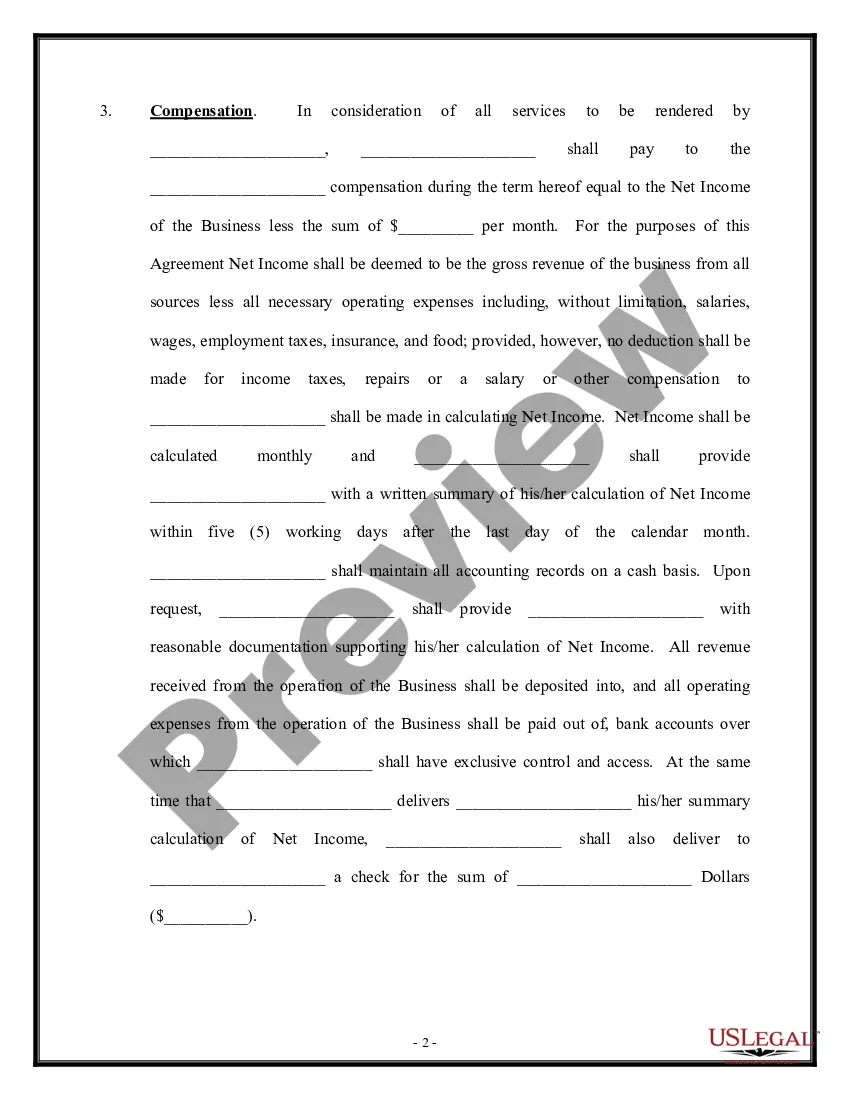
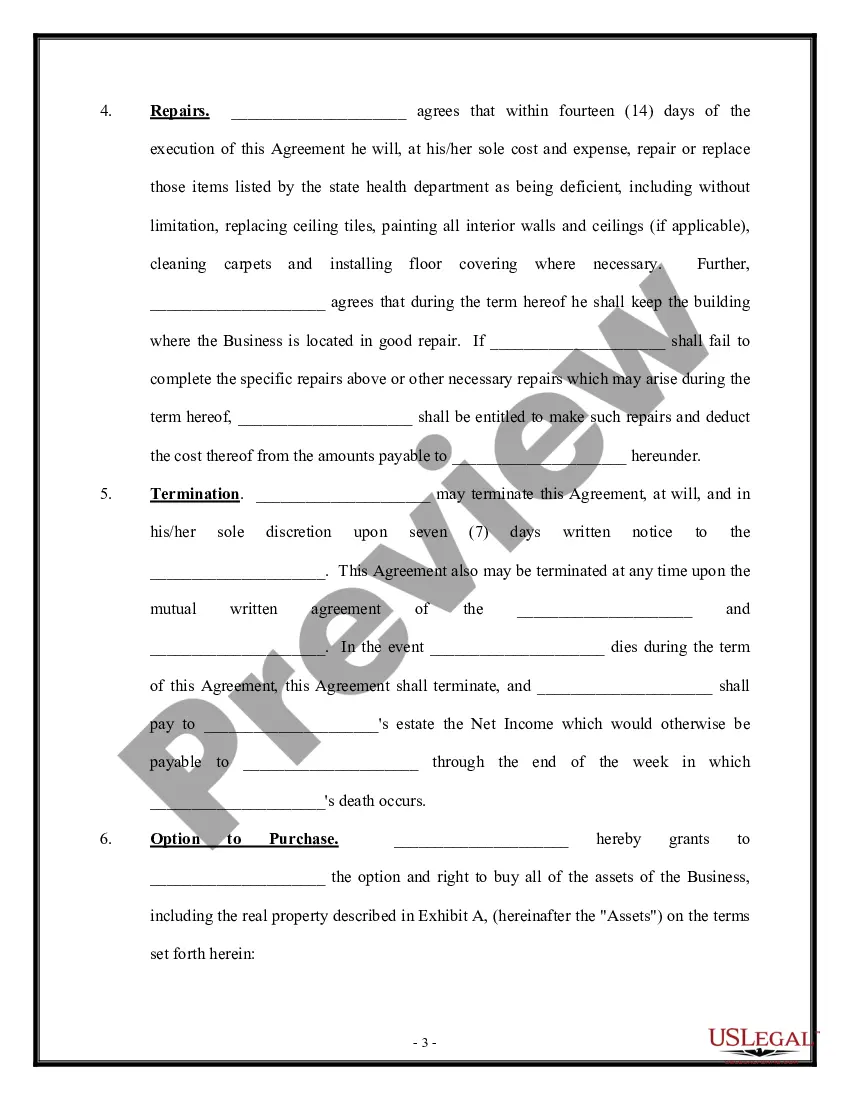
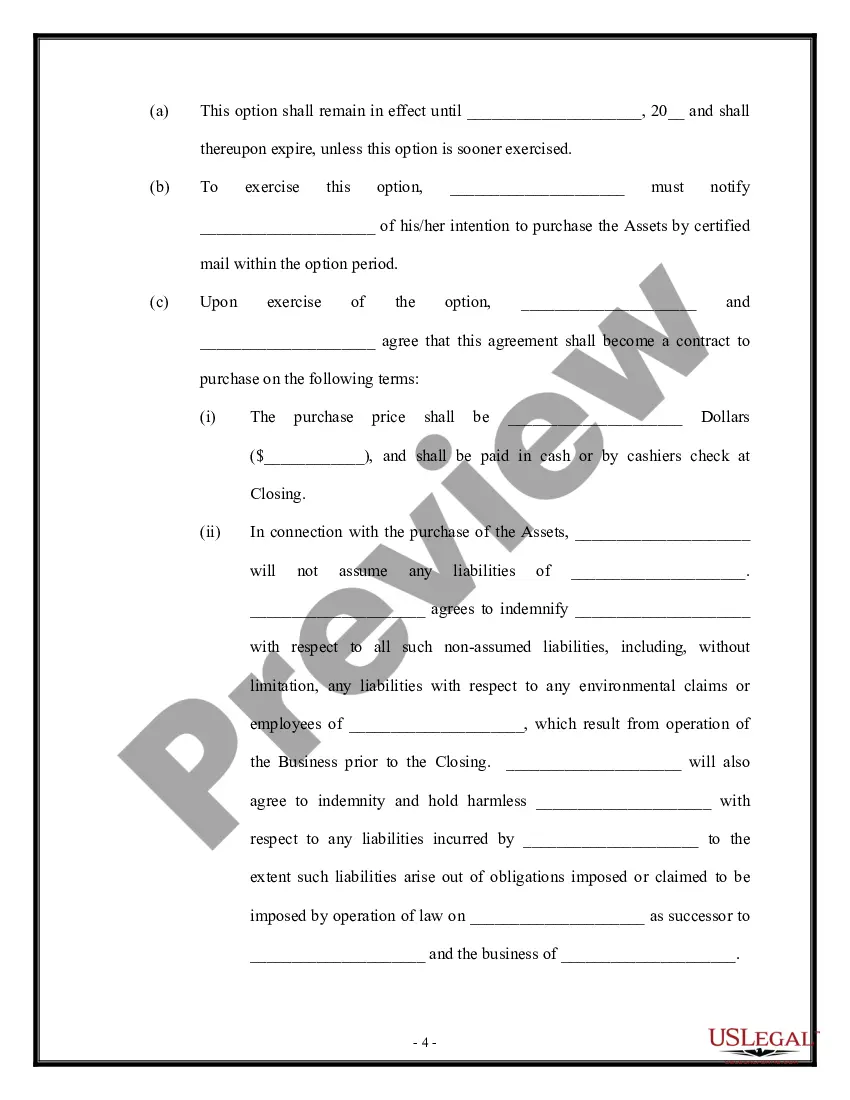
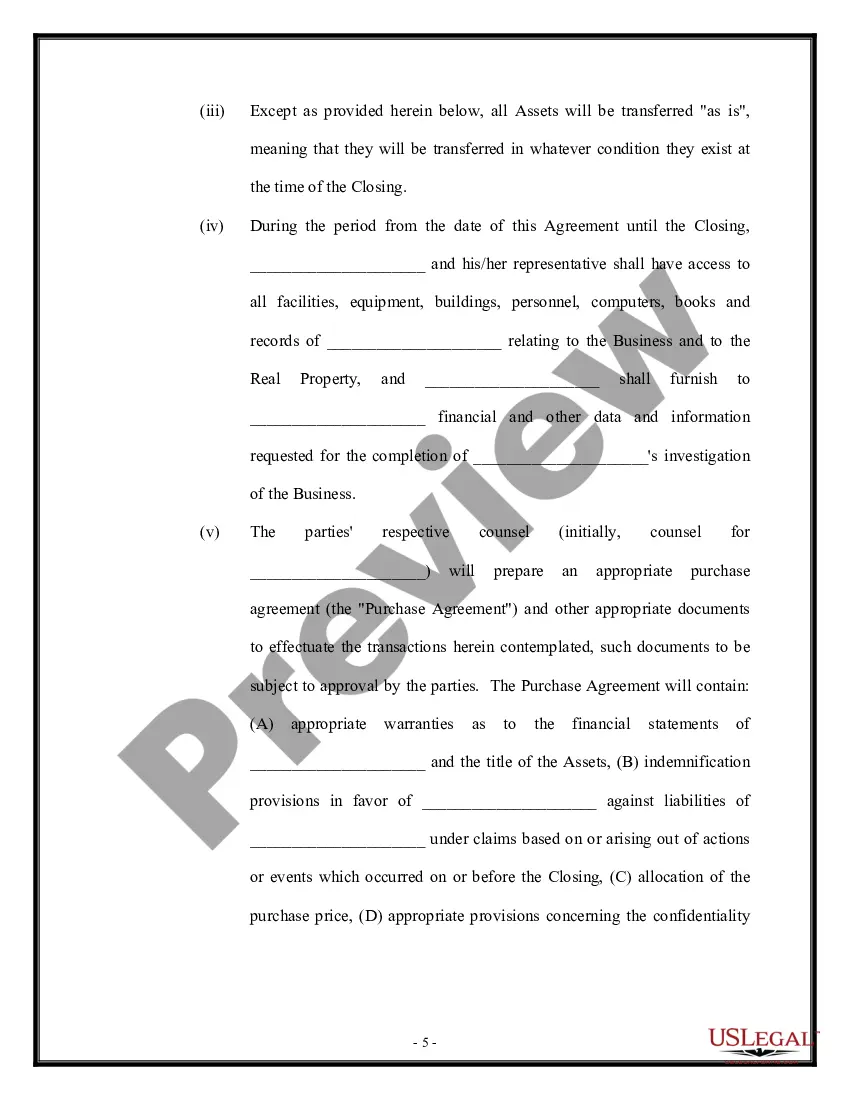
Get your form ready online
Our built-in tools help you complete, sign, share, and store your documents in one place.
Make edits, fill in missing information, and update formatting in US Legal Forms—just like you would in MS Word.
Download a copy, print it, send it by email, or mail it via USPS—whatever works best for your next step.
Sign and collect signatures with our SignNow integration. Send to multiple recipients, set reminders, and more. Go Premium to unlock E-Sign.
If this form requires notarization, complete it online through a secure video call—no need to meet a notary in person or wait for an appointment.
We protect your documents and personal data by following strict security and privacy standards.

Make edits, fill in missing information, and update formatting in US Legal Forms—just like you would in MS Word.

Download a copy, print it, send it by email, or mail it via USPS—whatever works best for your next step.

Sign and collect signatures with our SignNow integration. Send to multiple recipients, set reminders, and more. Go Premium to unlock E-Sign.

If this form requires notarization, complete it online through a secure video call—no need to meet a notary in person or wait for an appointment.

We protect your documents and personal data by following strict security and privacy standards.
Looking for another form?






Form popularity
FAQ
In most states, including some very popular ones for forming LLCs, such as Florida, Nevada, and Wyoming, LLCs are not required to have operating agreements.
The LLC formation process in California involves selecting an LLC name, submitting the articles of organization, appointing a registered agent, acquiring an employer identification number (EIN), and complying with California licenses, permits, and tax regulations.
Once you (and the other LLC Members, if applicable) sign the Operating Agreement, then it becomes a legal document. Can I write my own Operating Agreement? Yes, but we recommend using an Operating Agreement template. An Operating Agreement is a legal document.
Every LLC that is registered in the states of California, Delaware, Maine, Missouri, and New York is legally required to have an operating agreement.
Management or Operating Agreement means a legal agreement with a Non-Qualified User where the Non-Qualified User provides services involving all or a portion of any function of the Financed Facility, such as a contract to manage the entire Financed Facility or a portion of the Financed Facility.
While not always legally required, operating agreements play a critical role in the smooth operation, legal protection, and financial clarity of LLCs. Their absence can lead to governance by default state laws, management, and financial disorganization, and increased legal vulnerabilities.
It is required by state law – CA Corporations Code Section 17701.02(s) requires every California LLC to have an operating agreement. Therefore, having this agreement can help ensure you comply with the law. An operating agreement establishes the business as a separate entity – One of the most important.
Increased Legal Vulnerability: An operating agreement strengthens the LLC's limited liability status, protecting your personal assets from business debts. Without it, there's a higher risk of personal liability for business obligations if the LLC is sued.
