All Business Purchase With Bitcoin In Illinois
Description




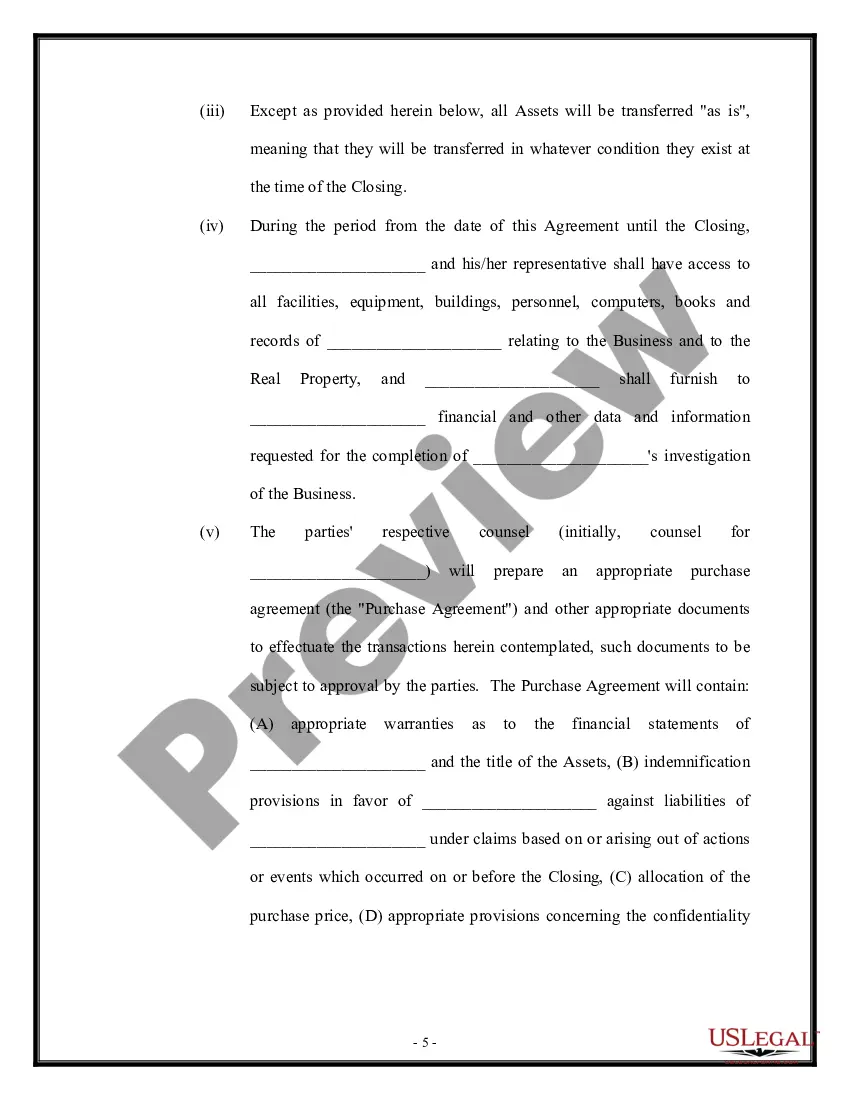


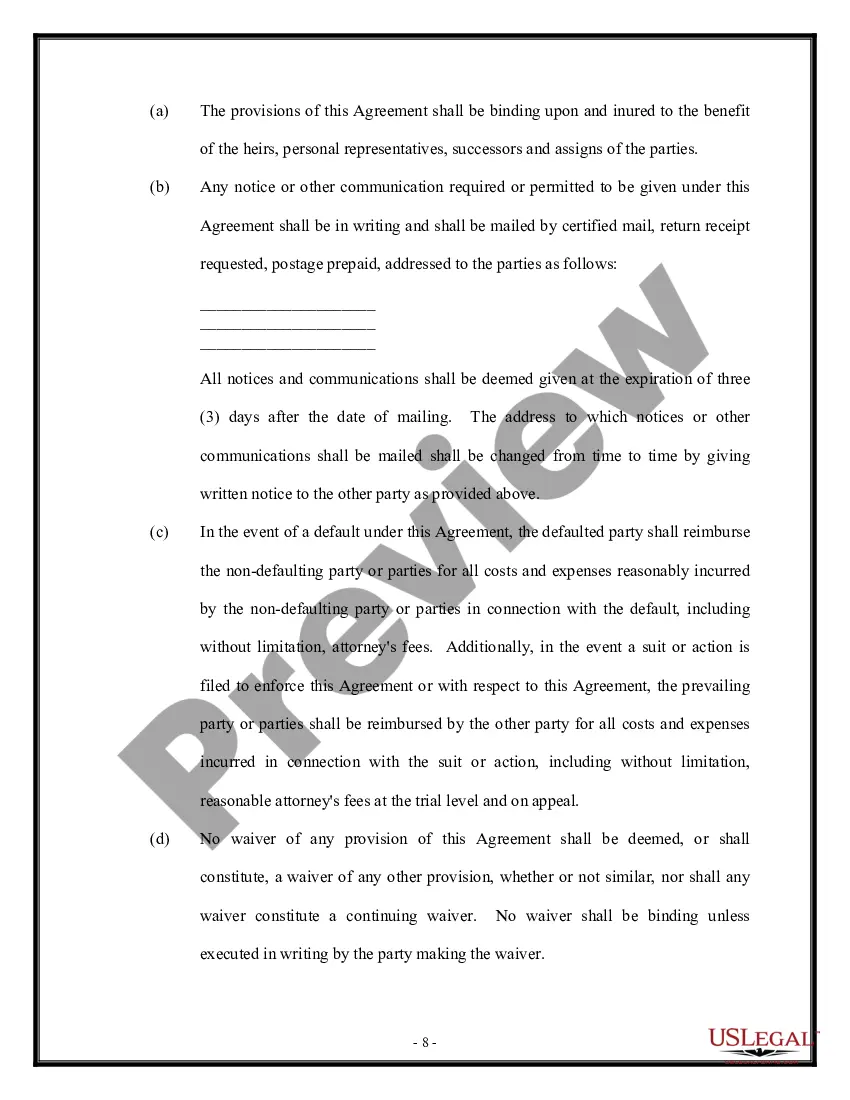

Get your form ready online
Our built-in tools help you complete, sign, share, and store your documents in one place.
Make edits, fill in missing information, and update formatting in US Legal Forms—just like you would in MS Word.
Download a copy, print it, send it by email, or mail it via USPS—whatever works best for your next step.
Sign and collect signatures with our SignNow integration. Send to multiple recipients, set reminders, and more. Go Premium to unlock E-Sign.
If this form requires notarization, complete it online through a secure video call—no need to meet a notary in person or wait for an appointment.
We protect your documents and personal data by following strict security and privacy standards.

Make edits, fill in missing information, and update formatting in US Legal Forms—just like you would in MS Word.

Download a copy, print it, send it by email, or mail it via USPS—whatever works best for your next step.

Sign and collect signatures with our SignNow integration. Send to multiple recipients, set reminders, and more. Go Premium to unlock E-Sign.

If this form requires notarization, complete it online through a secure video call—no need to meet a notary in person or wait for an appointment.

We protect your documents and personal data by following strict security and privacy standards.
Looking for another form?








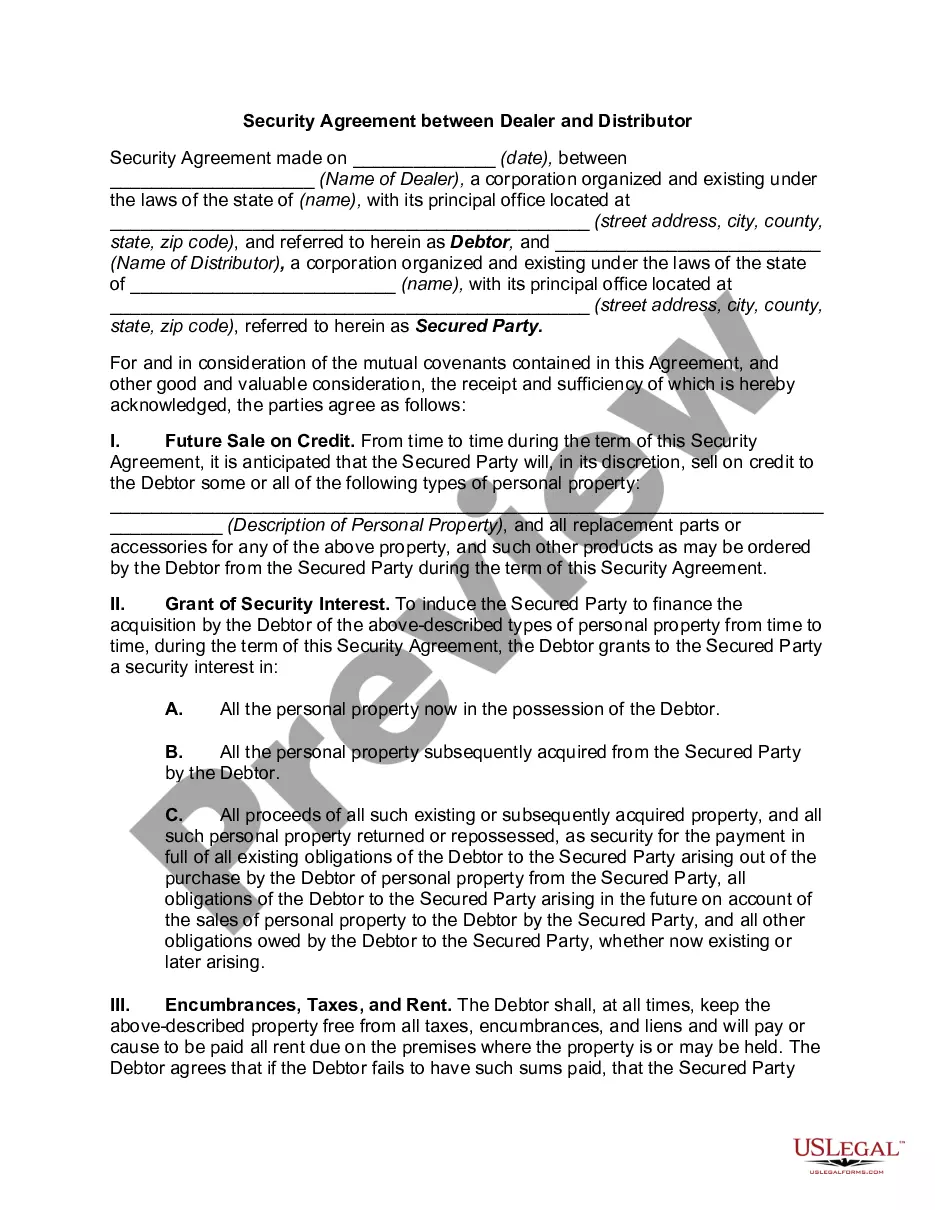

Form popularity
FAQ
To buy crypto as a company, businesses typically need to: Set up a corporate account – Most exchanges require companies to register a business account instead of a personal one. Provide documentation – This may include business registration documents, tax ID, and proof of authorized signatories.
Illinois has a flat tax rate system, meaning all income including capital gains is taxed at the same rate of 4.95%, regardless of the amount earned.
There are two common ways to accept crypto as a merchant: through a crypto wallet or gateway. You can use a crypto wallet to accept directly from a customer's crypto wallet. However, the funds will remain in cryptocurrency form until you transfer them to a crypto exchange.
With Fidelity Crypto®, you can trade and secure crypto like bitcoin and ethereum for as little as $1. You'll get institution-level security and services that Fidelity Digital Assets® has offered since 2018.
There are two common ways to accept crypto as a merchant: through a crypto wallet or gateway. You can use a crypto wallet to accept directly from a customer's crypto wallet. However, the funds will remain in cryptocurrency form until you transfer them to a crypto exchange.
Because cryptocurrency transactions are pseudo-anonymous, many investors believe that they cannot be traced. This is not true. Most major blockchains have publicly visible transactions. That means that the IRS can track crypto transactions simply by matching 'anonymous' transactions to known individuals.
Key Takeaways. The IRS treats cryptocurrency as property, meaning that when you buy, sell or exchange it, this counts as a taxable event and typically results in either a capital gain or loss. When you earn income from cryptocurrency activities, this is taxed as ordinary income.
Get a record of all of your cryptocurrency transactions, then sum up your gains and losses. Detail your gain and loss from each cryptocurrency transaction on Form 8949. Record your net gain/loss on Schedule D. If you've earned cryptocurrency income, you should report it on Schedule 1.
Get a record of all of your cryptocurrency transactions, then sum up your gains and losses. Detail your gain and loss from each cryptocurrency transaction on Form 8949. Record your net gain/loss on Schedule D. If you've earned cryptocurrency income, you should report it on Schedule 1.
There are three ways to enter your crypto in TurboTax: Import your info directly from your crypto source (this is what we recommend, though it's not available for TurboTax Desktop) Upload a CSV file of your crypto transactions. Enter your transactions manually.