Management Agreement Vs Operating Agreement In Fulton
Description

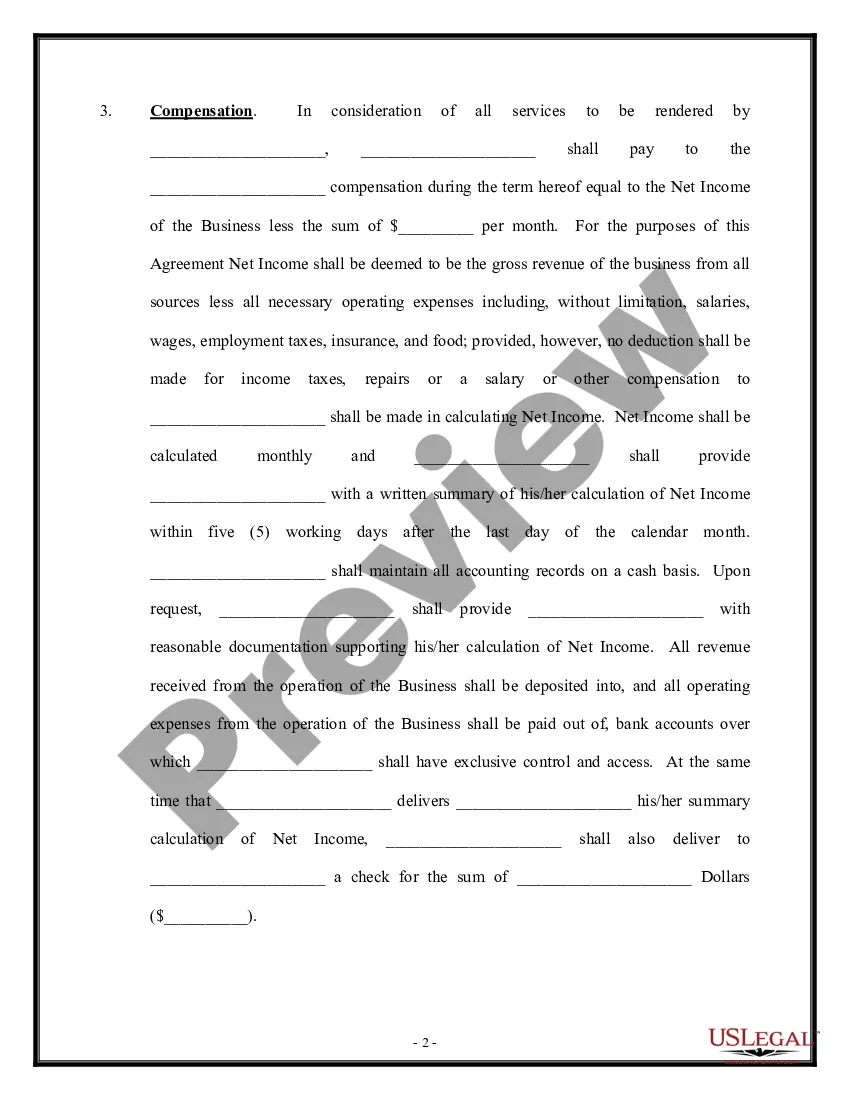
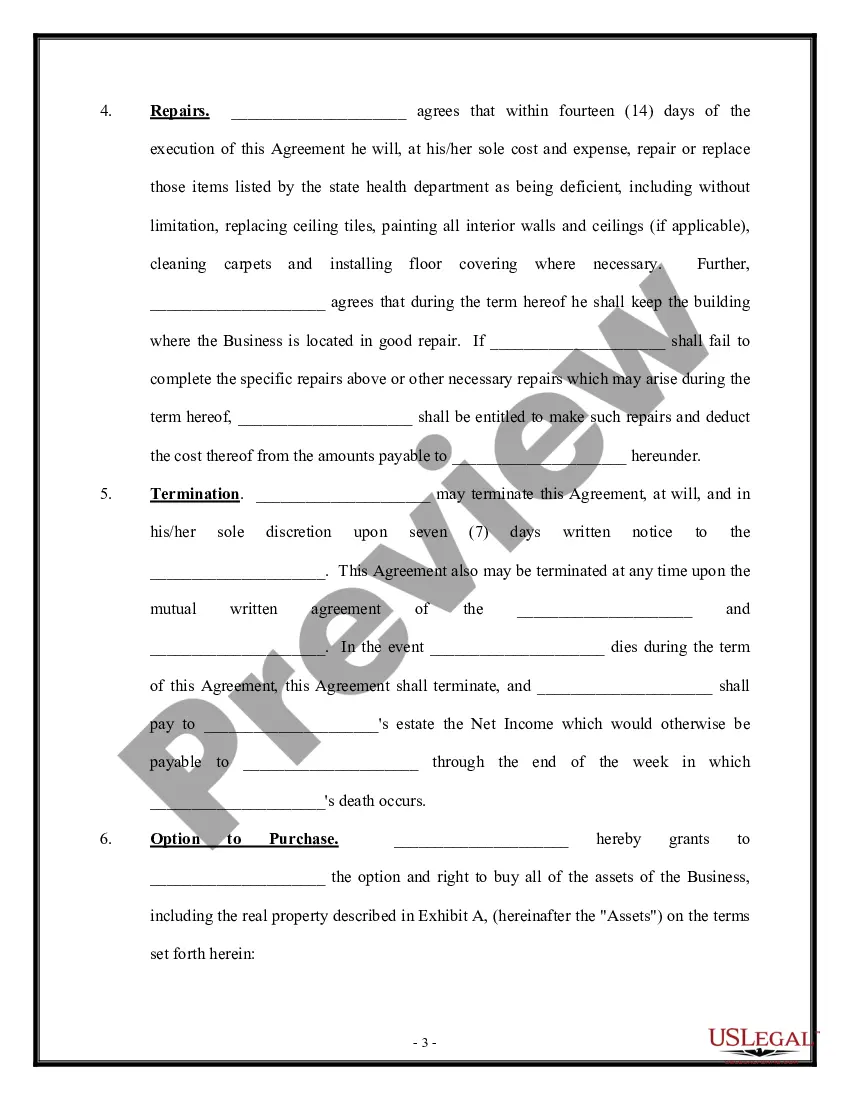
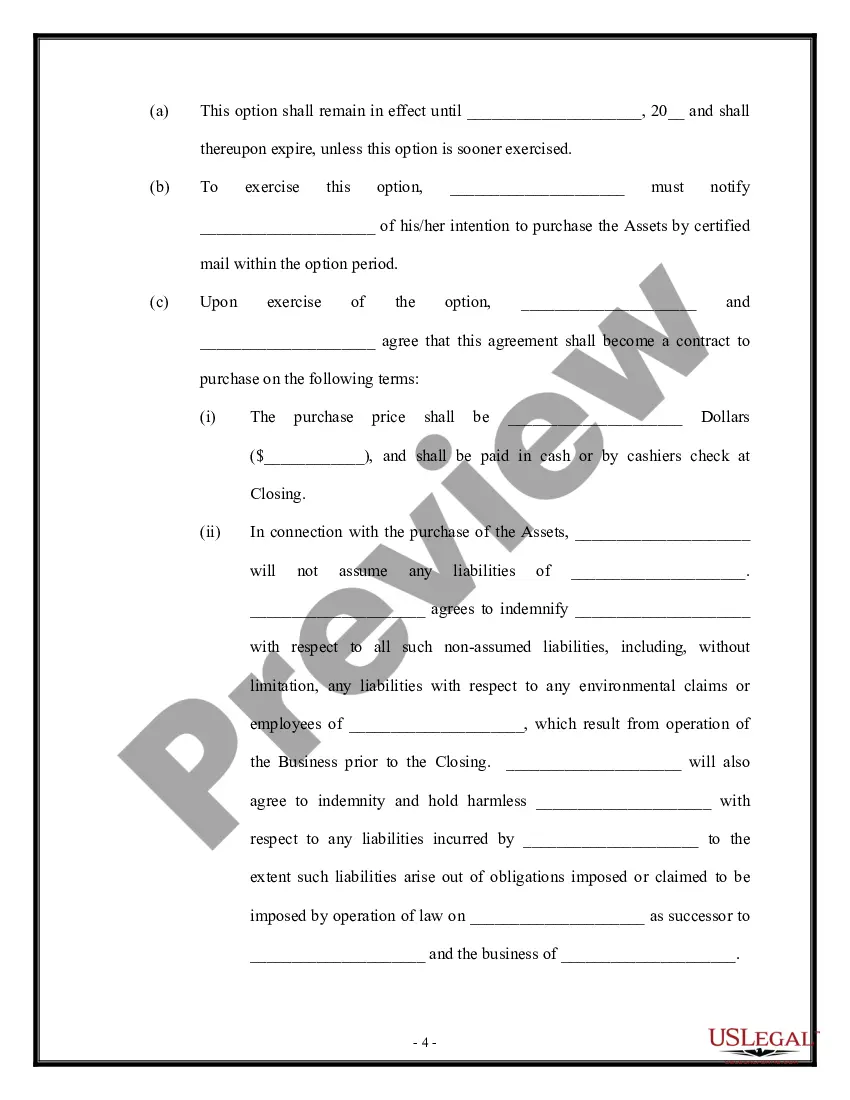
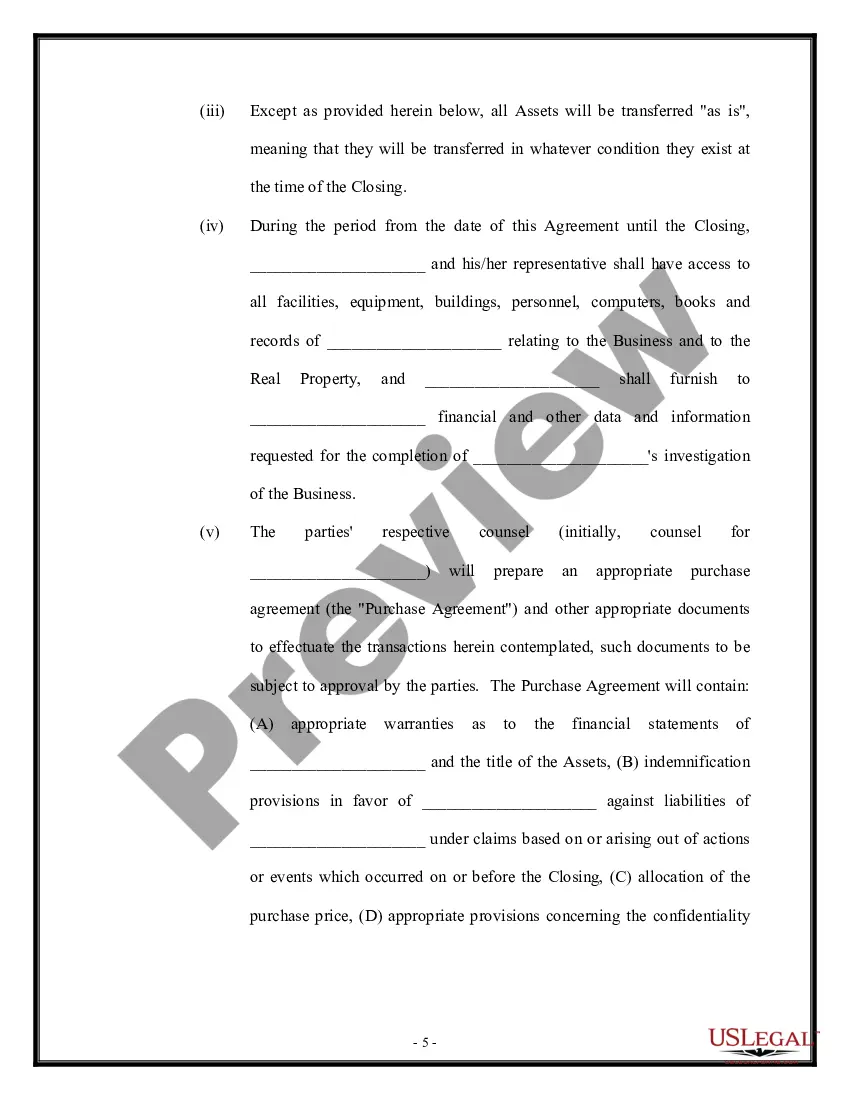
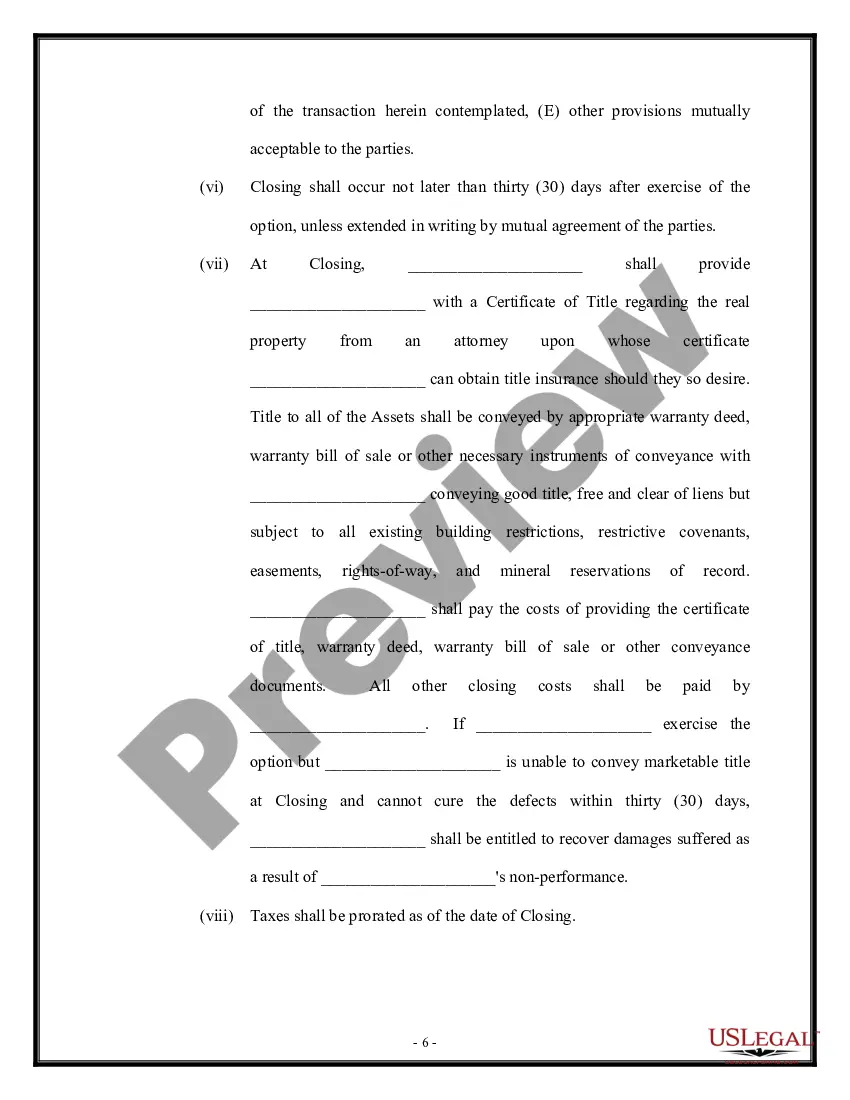
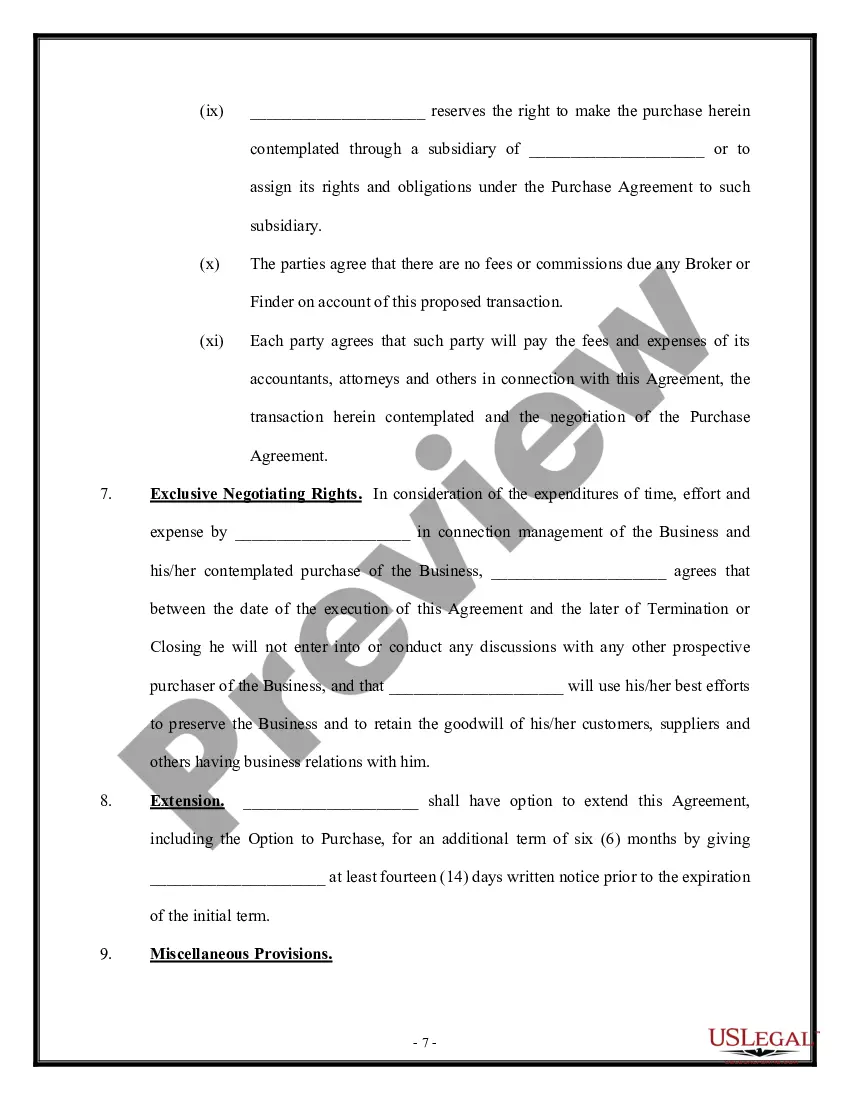
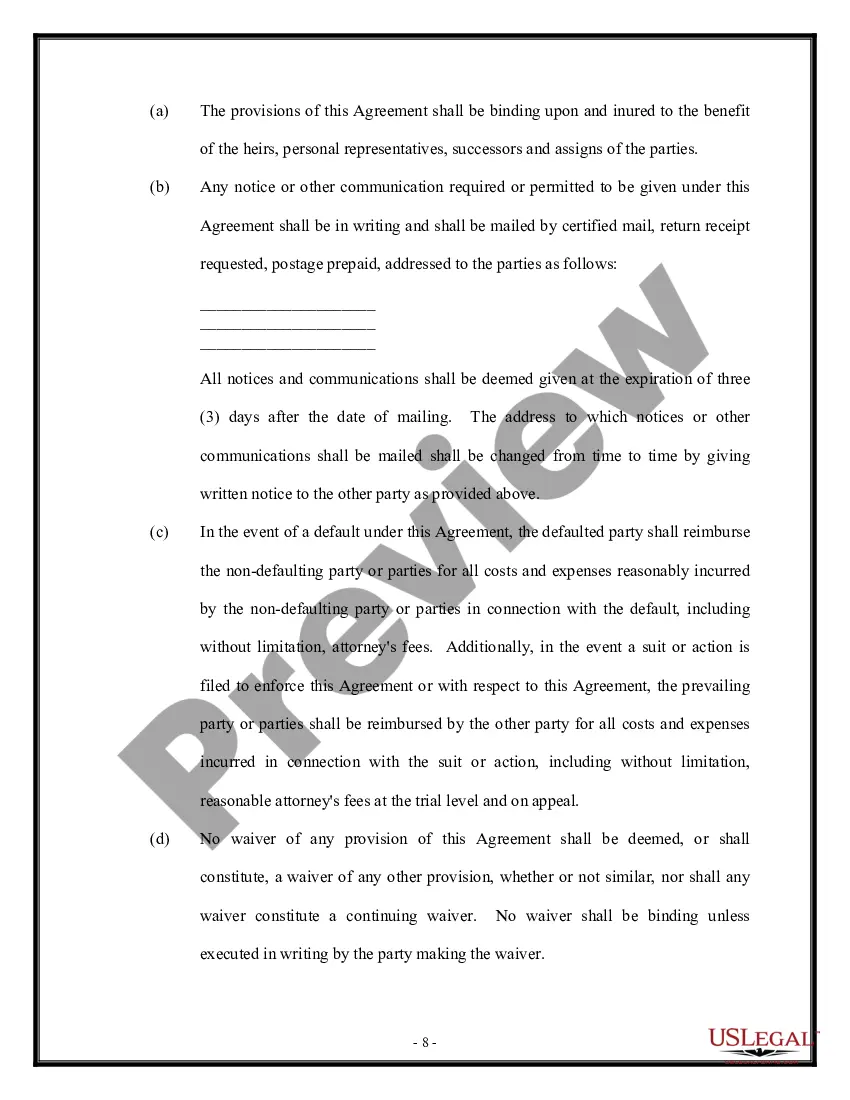
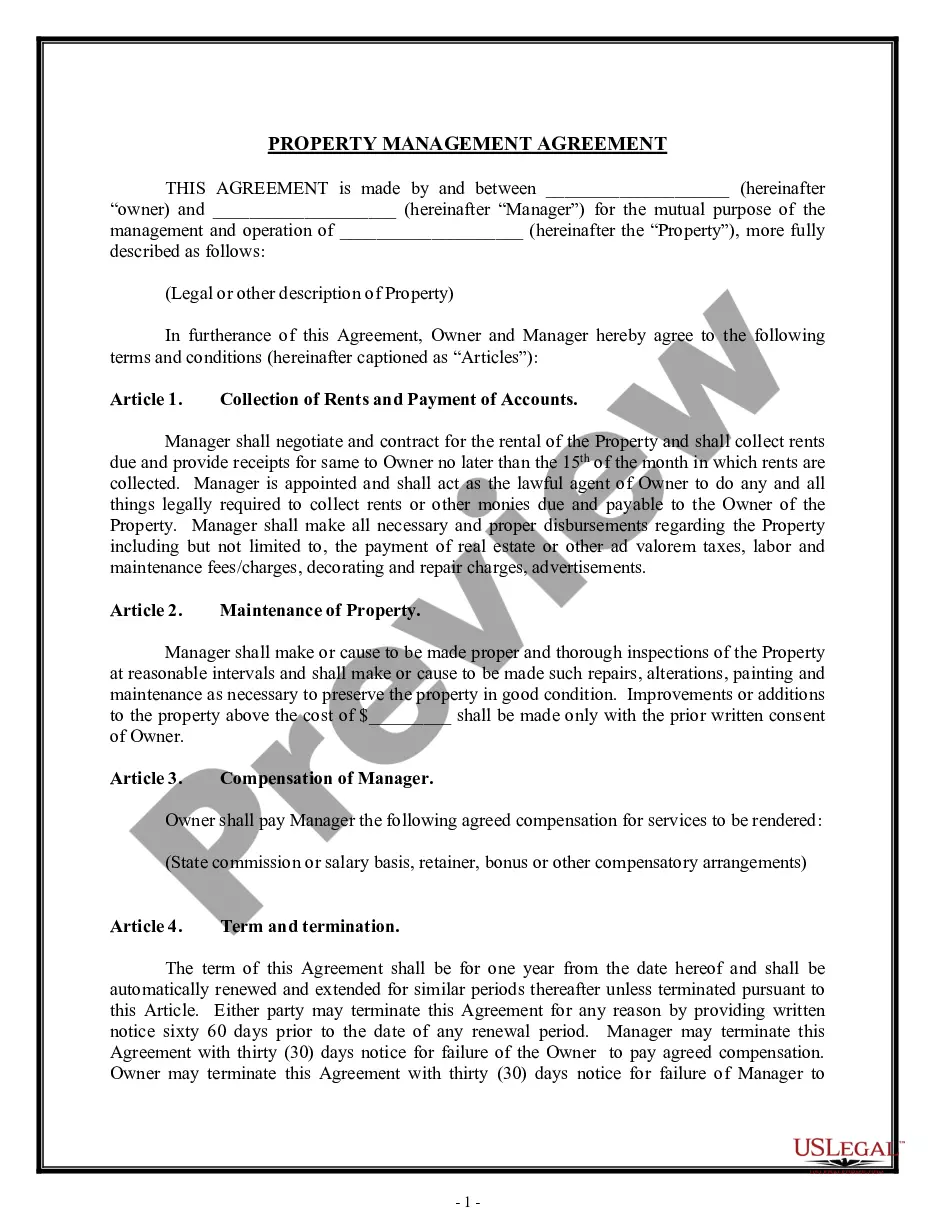
Get your form ready online
Our built-in tools help you complete, sign, share, and store your documents in one place.
Make edits, fill in missing information, and update formatting in US Legal Forms—just like you would in MS Word.
Download a copy, print it, send it by email, or mail it via USPS—whatever works best for your next step.
Sign and collect signatures with our SignNow integration. Send to multiple recipients, set reminders, and more. Go Premium to unlock E-Sign.
If this form requires notarization, complete it online through a secure video call—no need to meet a notary in person or wait for an appointment.
We protect your documents and personal data by following strict security and privacy standards.

Make edits, fill in missing information, and update formatting in US Legal Forms—just like you would in MS Word.

Download a copy, print it, send it by email, or mail it via USPS—whatever works best for your next step.

Sign and collect signatures with our SignNow integration. Send to multiple recipients, set reminders, and more. Go Premium to unlock E-Sign.

If this form requires notarization, complete it online through a secure video call—no need to meet a notary in person or wait for an appointment.

We protect your documents and personal data by following strict security and privacy standards.
Looking for another form?










Form popularity
FAQ
LLCs file Articles of Organization, while corporations file Articles of Incorporation. LLCs create operating agreements, while corporations create similar documents called bylaws.
Bylaws are similar to operating agreements, except they're used in corporations (S corporations and C corporations) instead of LLCs, and they often have statutory requirements for the information they include.
What Should be Included in an Operating Agreement? Names, addresses, and titles of each member. Ownership percentages. Member rights and responsibilities. Responsibility, liability, and powers of members and/or managers. Profit and loss distribution. Buying and selling rules. Dissolution instructions. Meeting guidelines.
The operating agreement is a legal document that sets rules for the relationships between the owners of a limited liability company (LLC), while bylaws provide regulations and rules that govern the operation of the corporation and internal management.
The operating agreement is a binding document that can be enforced by the courts. Limited liability companies can be very flexible and informal, or they can be highly structured legal entities with clear rules and obligations written down in contracts.
Management or Operating Agreement means a legal agreement with a Non-Qualified User where the Non-Qualified User provides services involving all or a portion of any function of the Financed Facility, such as a contract to manage the entire Financed Facility or a portion of the Financed Facility.
The LLC operating agreement, also known as an LLC agreement, establishes the rules and structure for the LLC and can help address any issues that arise during business operations. Most states have default provisions that address many of these difficulties, but the operating agreement can override these presumptions.
O&M agreements establish contractual relationships between the project company and a professional management company that undertakes to handle the operations and management of the aforementioned project company.
