All Business Purchase Formulas Gcse In Clark
Description

Get your form ready online
Our built-in tools help you complete, sign, share, and store your documents in one place.
Make edits, fill in missing information, and update formatting in US Legal Forms—just like you would in MS Word.
Download a copy, print it, send it by email, or mail it via USPS—whatever works best for your next step.
Sign and collect signatures with our SignNow integration. Send to multiple recipients, set reminders, and more. Go Premium to unlock E-Sign.
If this form requires notarization, complete it online through a secure video call—no need to meet a notary in person or wait for an appointment.
We protect your documents and personal data by following strict security and privacy standards.

Make edits, fill in missing information, and update formatting in US Legal Forms—just like you would in MS Word.

Download a copy, print it, send it by email, or mail it via USPS—whatever works best for your next step.

Sign and collect signatures with our SignNow integration. Send to multiple recipients, set reminders, and more. Go Premium to unlock E-Sign.

If this form requires notarization, complete it online through a secure video call—no need to meet a notary in person or wait for an appointment.

We protect your documents and personal data by following strict security and privacy standards.
Looking for another form?









Form popularity
FAQ
The good news is that while it may seem daunting at first, GCSE Business is not inherently "hard." It has its challenges, but with the right approach and a genuine interest, students can thrive. My experience has shown that success in this course is not always about natural talent.
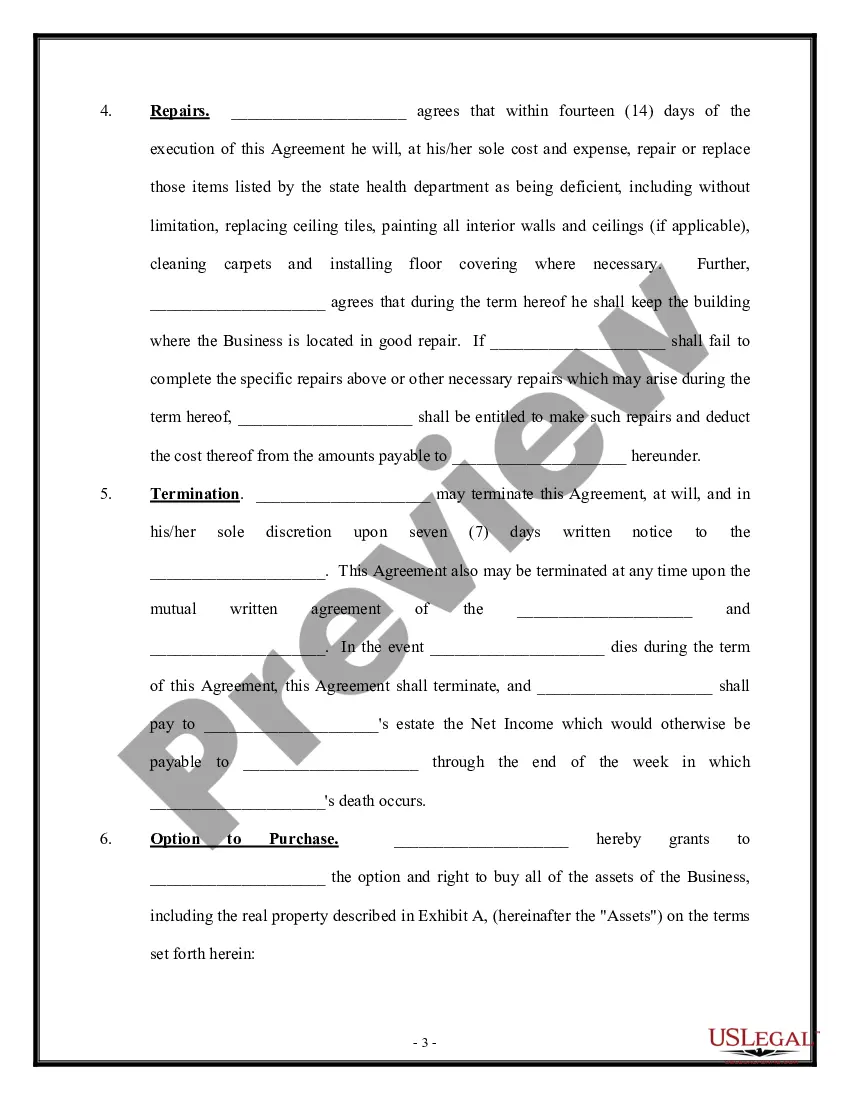
Profit is revenue minus expenses. For gross profit, you subtract some expenses. For net profit, you subtract all expenses.
Net profit is equal to total revenue minus total costs. Expenses like advertising, insurance, rent and business rates are taken away before calculating net profit.
Operating profit, also known as EBIT (Earnings Before Interest and Taxes), is a measure of a company's profitability that ignores non-operating expenses and taxes. It's calculated by taking a company's revenue, subtracting the costs associated with running the business, and ignoring interest and taxes.
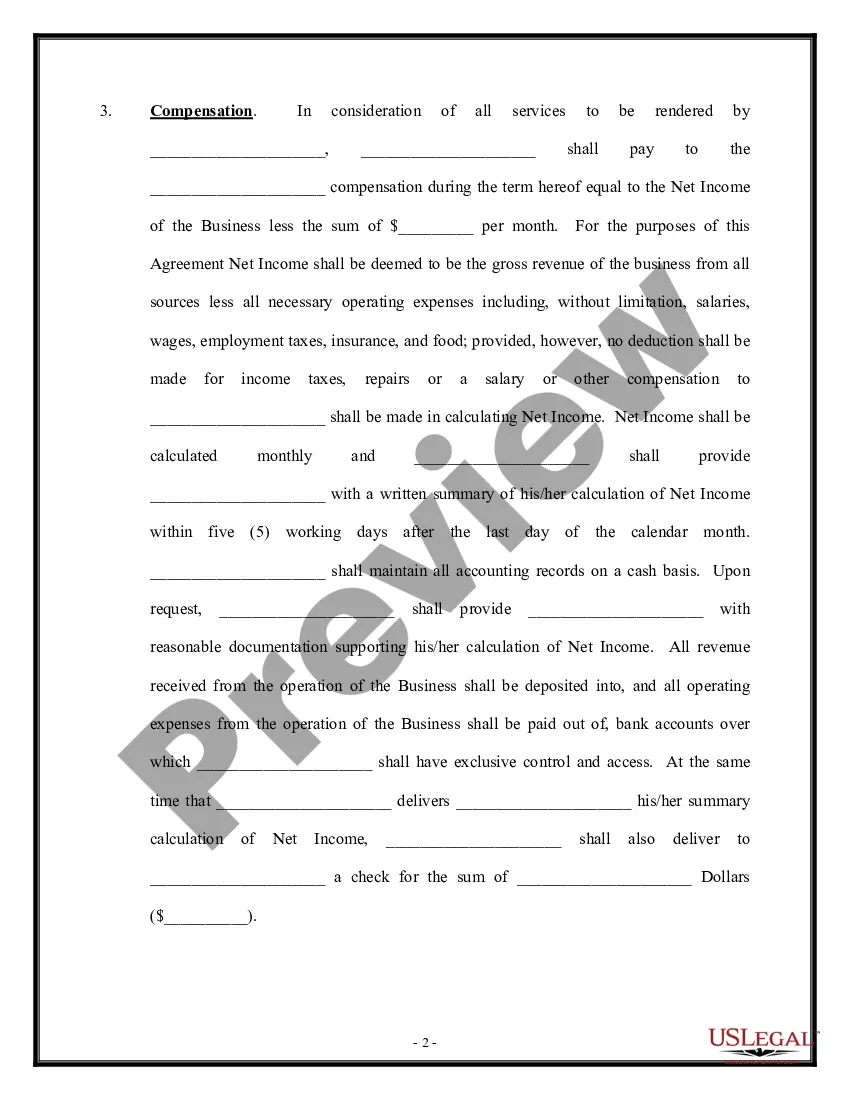
Profit = total revenue – total costs. This is a simple and yet very important formula. If revenue is greater than costs, a company will make a profit. If costs are greater than revenue, a company will make a loss.
