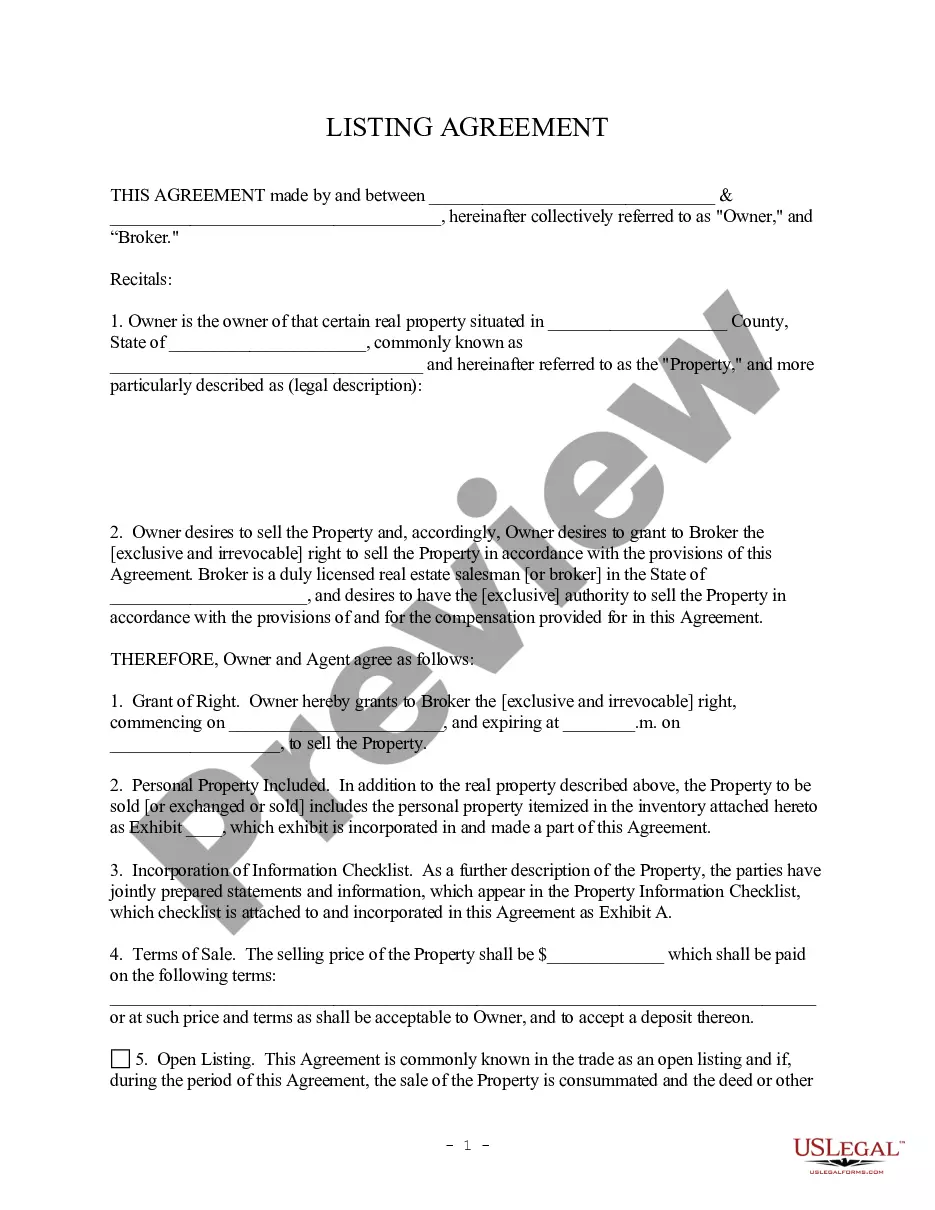
Listing Agreement Contract For Rental Property In Philadelphia
Description

Get your form ready online
Our built-in tools help you complete, sign, share, and store your documents in one place.
Make edits, fill in missing information, and update formatting in US Legal Forms—just like you would in MS Word.
Download a copy, print it, send it by email, or mail it via USPS—whatever works best for your next step.
Sign and collect signatures with our SignNow integration. Send to multiple recipients, set reminders, and more. Go Premium to unlock E-Sign.
If this form requires notarization, complete it online through a secure video call—no need to meet a notary in person or wait for an appointment.
We protect your documents and personal data by following strict security and privacy standards.

Make edits, fill in missing information, and update formatting in US Legal Forms—just like you would in MS Word.

Download a copy, print it, send it by email, or mail it via USPS—whatever works best for your next step.

Sign and collect signatures with our SignNow integration. Send to multiple recipients, set reminders, and more. Go Premium to unlock E-Sign.

If this form requires notarization, complete it online through a secure video call—no need to meet a notary in person or wait for an appointment.

We protect your documents and personal data by following strict security and privacy standards.
Looking for another form?

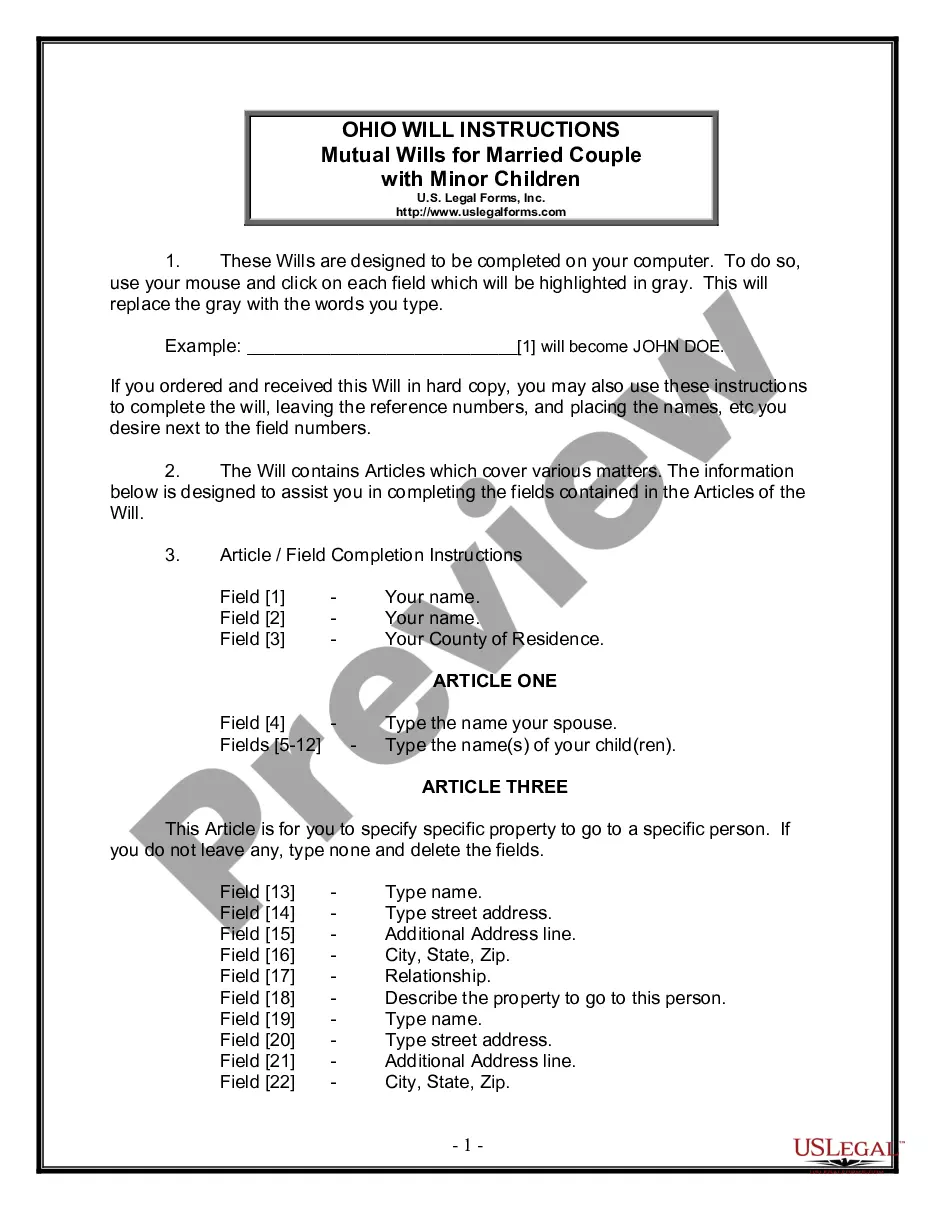
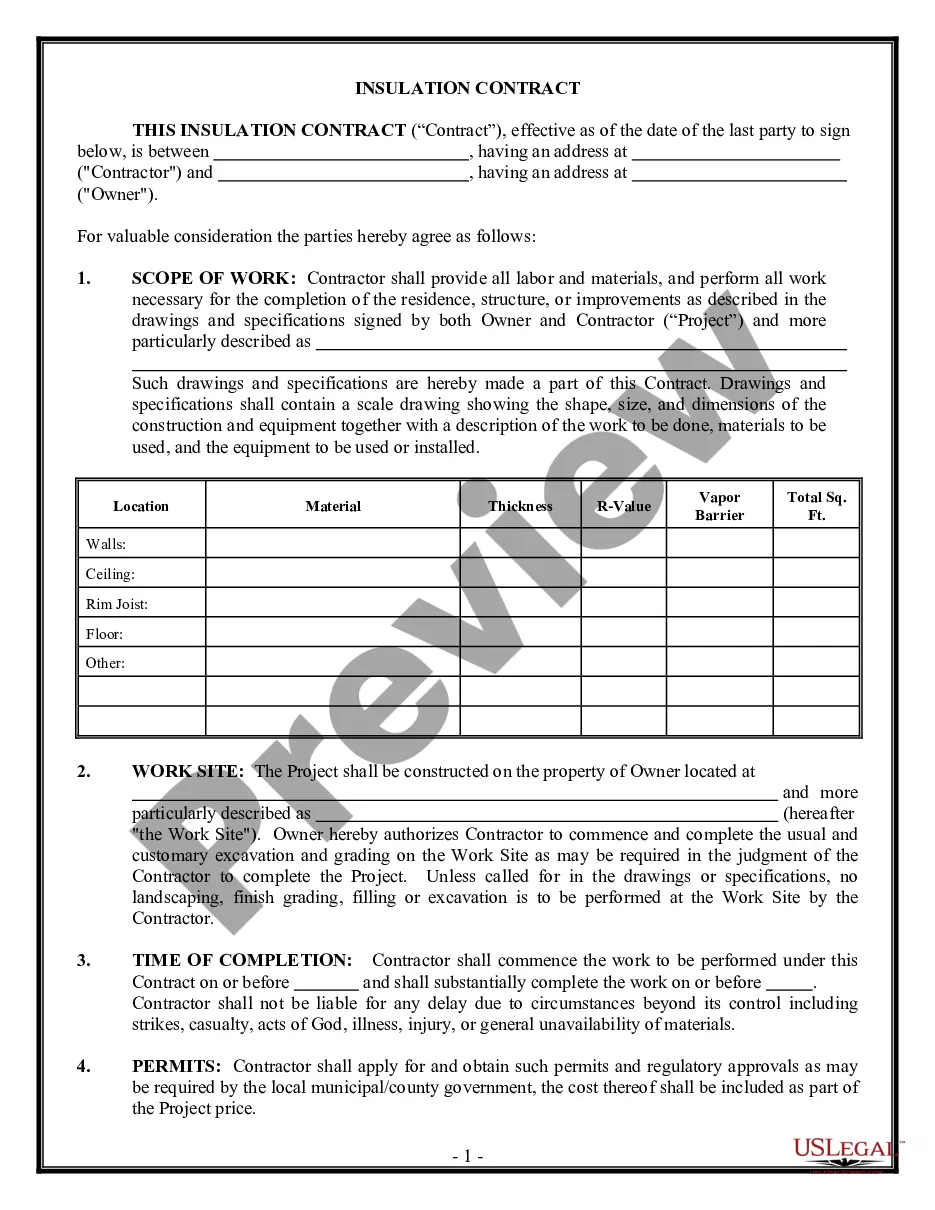
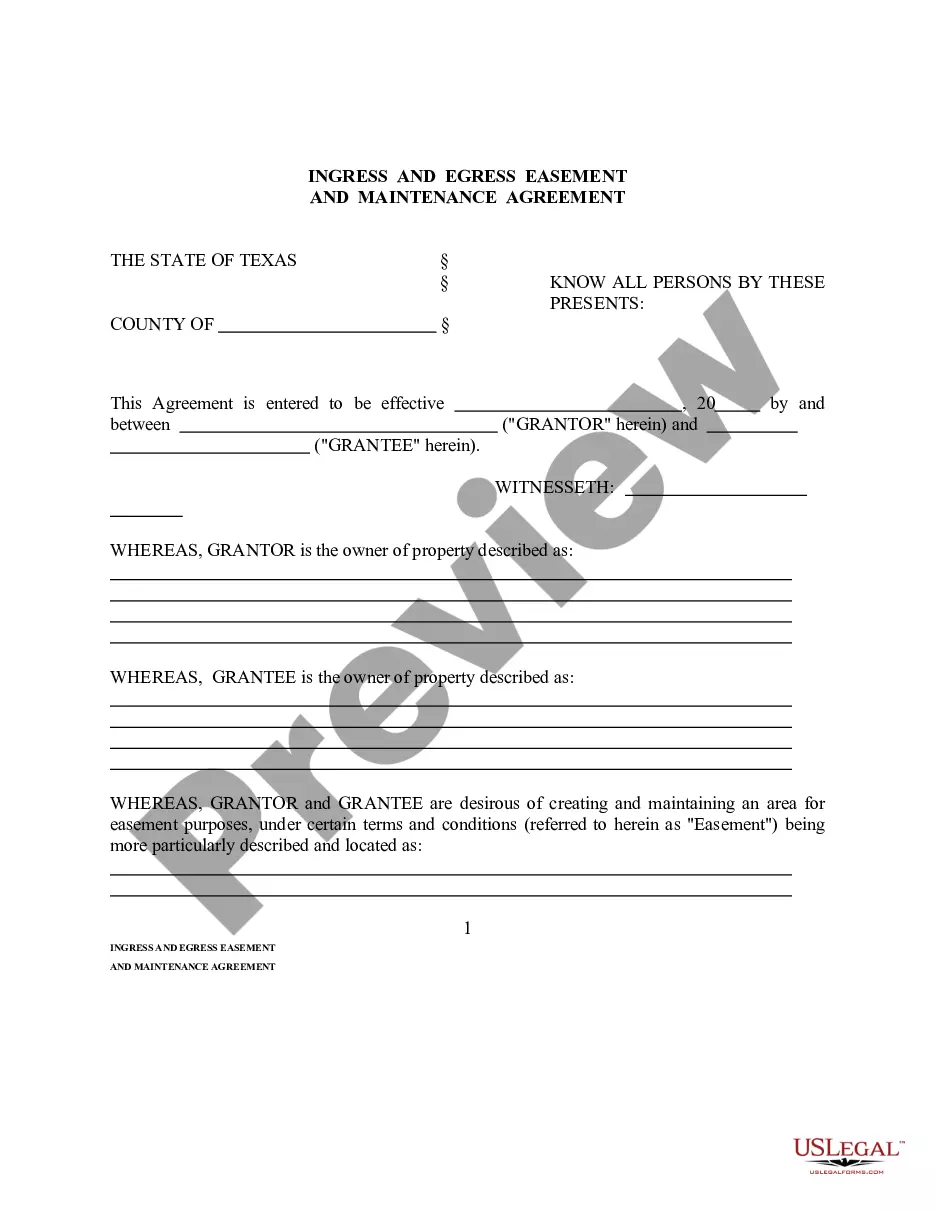
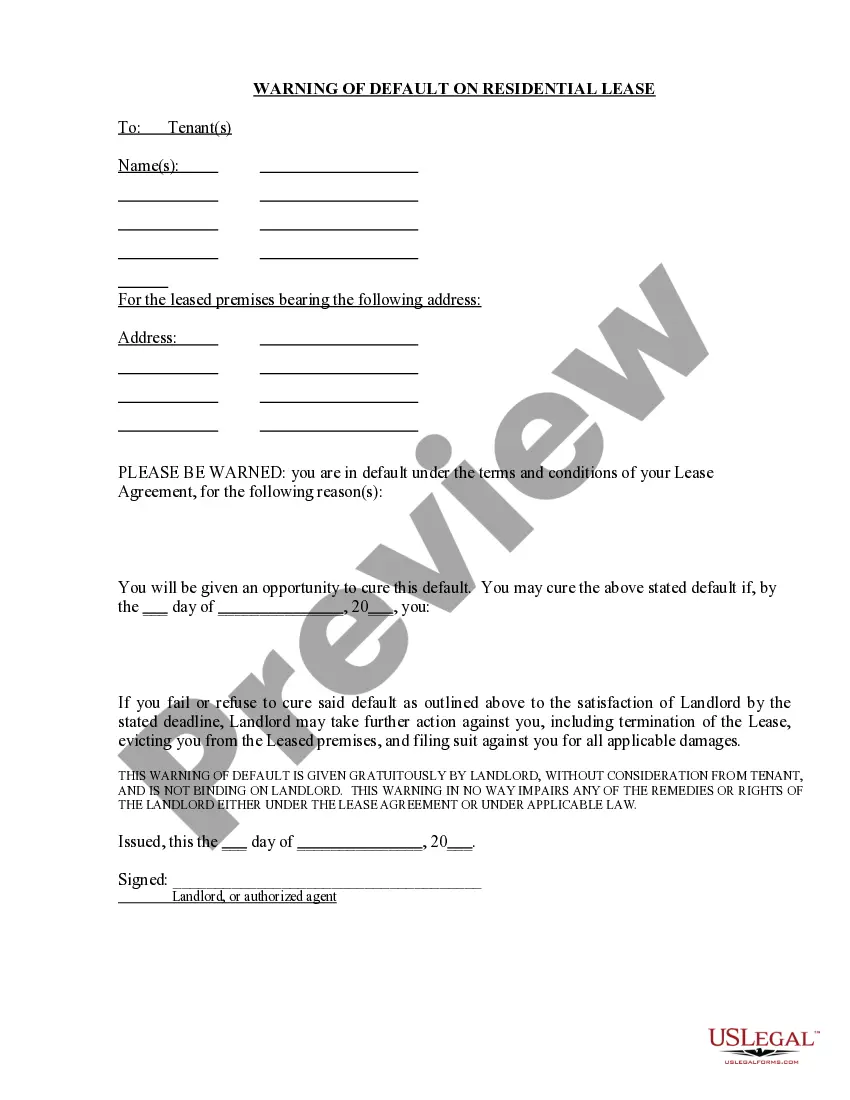
Form popularity
FAQ
Here's a list of standard fields that you should include in your lease agreement: Tenant information. Include each tenant's full name and contact information. Rental property description. Security deposit. Monthly rent amount. Utilities. Lease term. Policies. Late fees.
Yes, you can create your own lease agreement without the assistance of a lawyer or other professional.
When creating a one-page lease agreement, include sections covering the following: Involved parties. Property details. Lease terms, such as length, type, monthly rent, deposit. Conditions of property use. Details about utilities. Included furnishings. Repair and damages policy. Termination conditions.
If a real estate agent were to give legal advice, draft legal language in a contract or perform any other activity that resembles practicing law, then they're not only putting their client at risk but they're also subjecting themselves to serious consequences, including losing their license, risking a potential lawsuit ...
Here are 16 steps on how to make a lease agreement: Include the contact information of both parties. Include property details. Outline property utilities and services. Define the lease term. Disclose the monthly rent amount and due date. Detail the penalties and late fees. Describe any additional or services fees.
Of course you can make up your own lease agreement and I would advise you to think of every conceivable eventuality and make sure that anyone signing it reads it so they know what it says and agrees before they sign it.
Both involve the meeting of minds and exchange of promises, but a contract typically entails a more formalized arrangement, often documented in writing, and carries legal enforceability. Conversely, an agreement can be informal and may not always be legally binding.
What to include in an apartment lease agreement. Tenant information. Include each tenant's full name and contact information. Rental property description. List the apartment's location, all common areas, parking spaces, and included facilities. Security deposit. Monthly rent amount. Utilities. Lease term. Policies. Late fees.
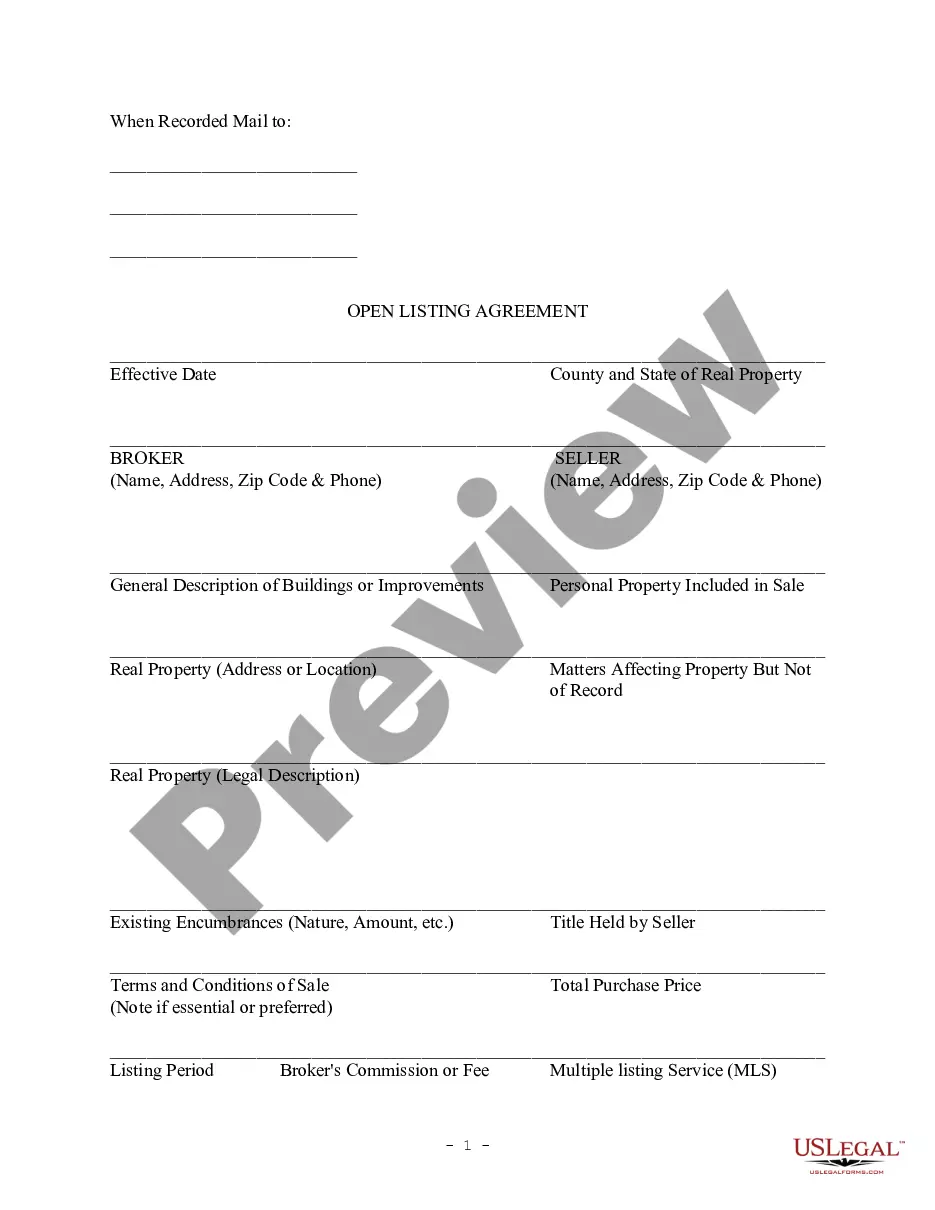
A listing contract (or listing agreement) is a contract between a real estate broker and an owner of real property granting the broker the authority to act as the owner's agent in the sale of the property.
When searching for a rental property, you might see many of the same status updates you see in real estate sale listings. Active under contract for a rental means there is an approved renter, and possibly even a signed lease, but the process is not complete.

