Listing Agreement Document With Iphone In Nassau
Description
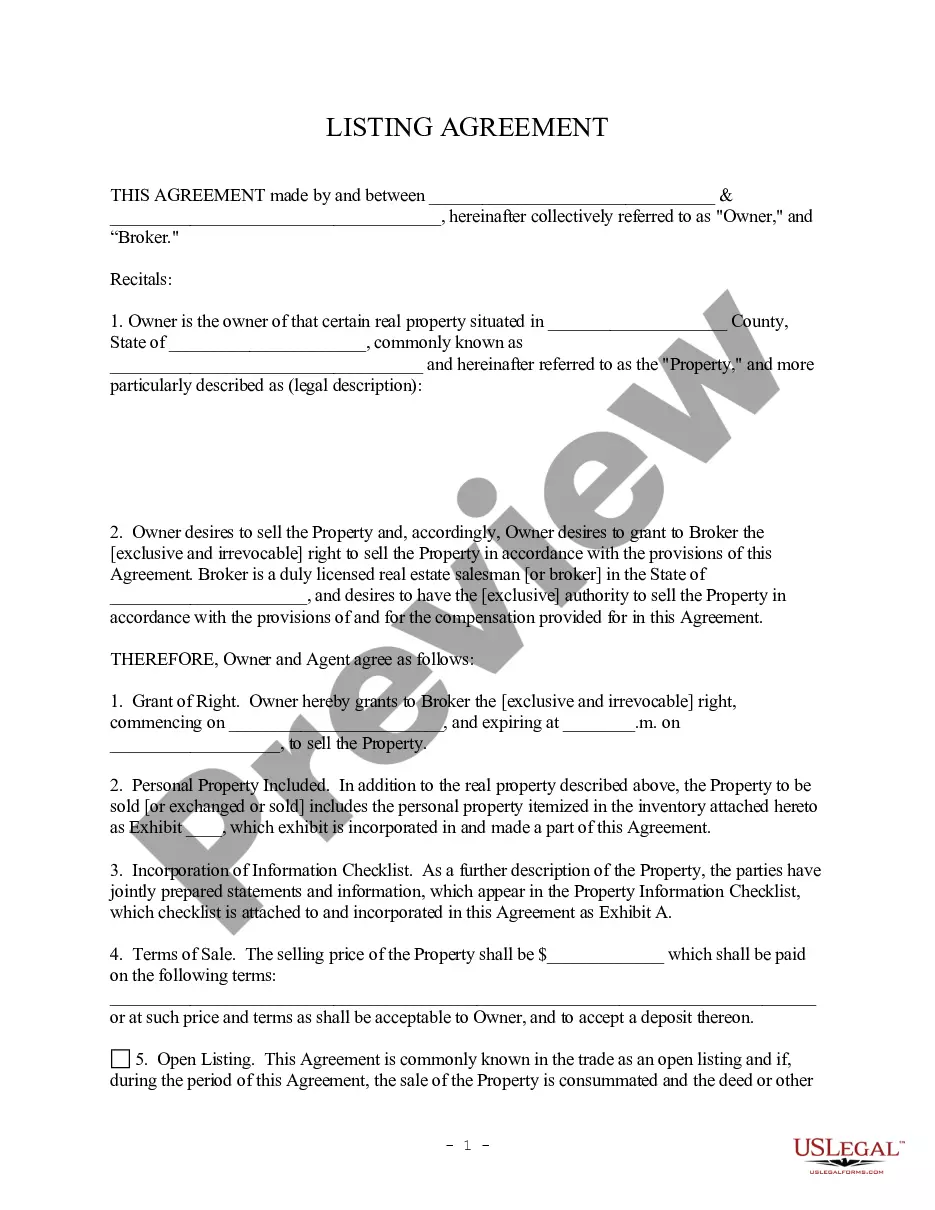
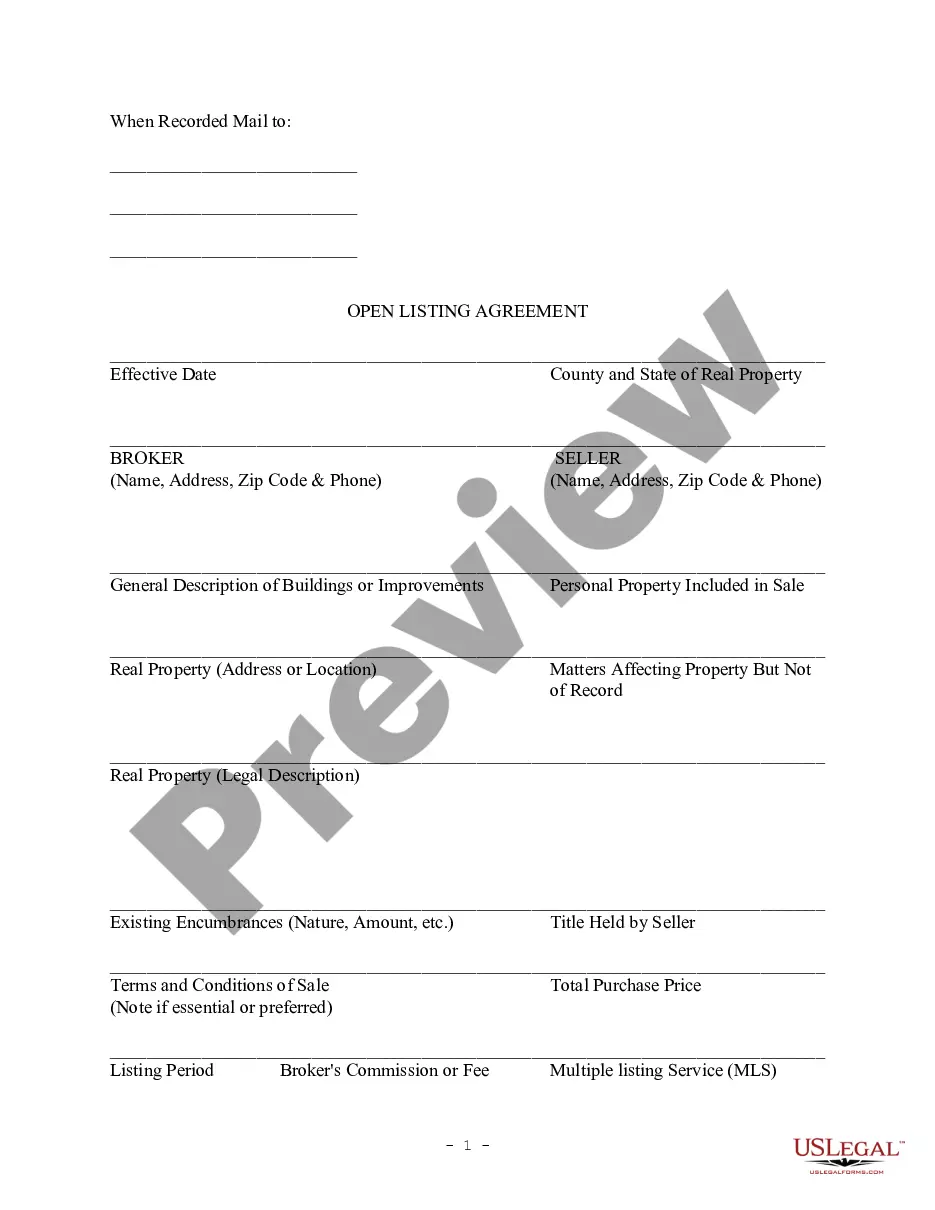
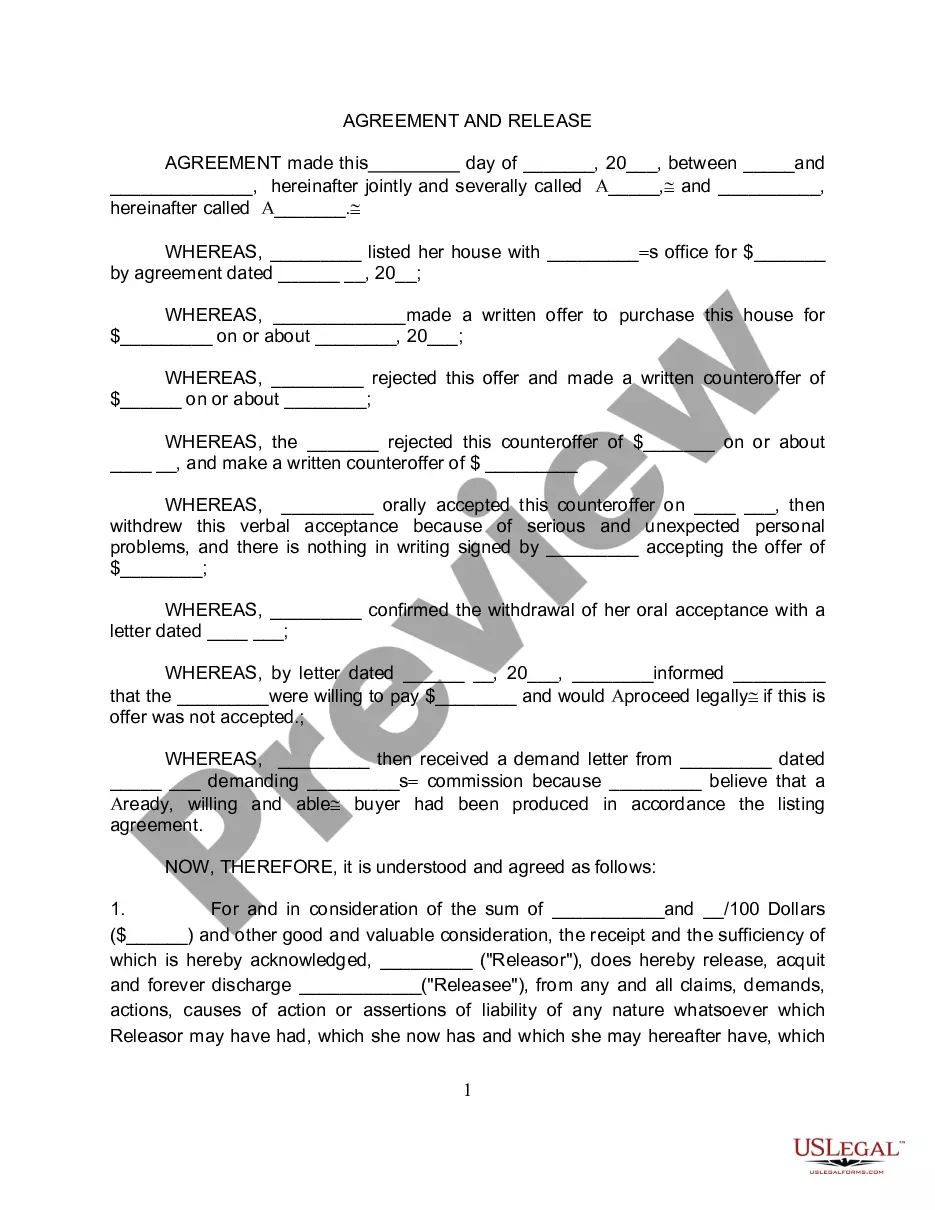
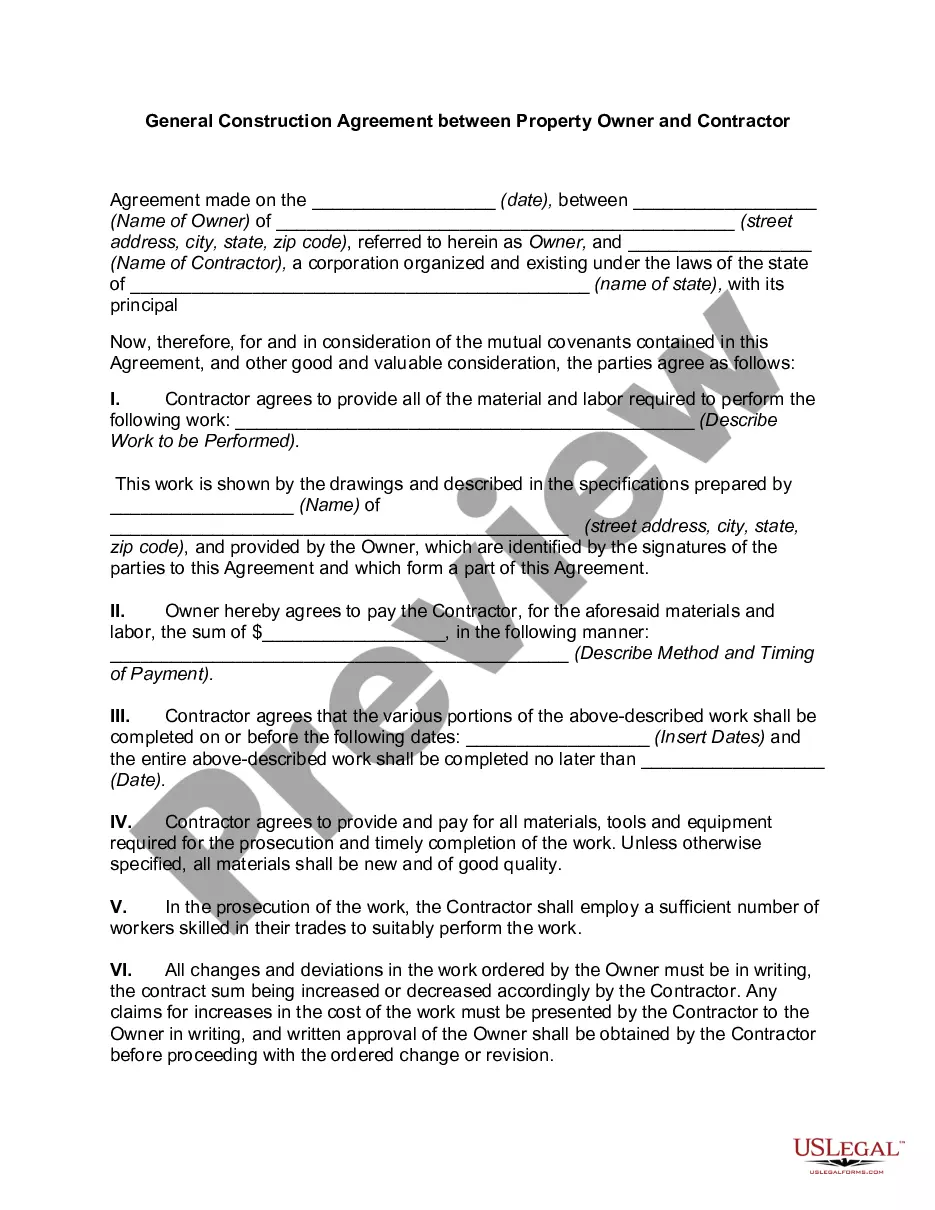
Get your form ready online
Our built-in tools help you complete, sign, share, and store your documents in one place.
Make edits, fill in missing information, and update formatting in US Legal Forms—just like you would in MS Word.
Download a copy, print it, send it by email, or mail it via USPS—whatever works best for your next step.
Sign and collect signatures with our SignNow integration. Send to multiple recipients, set reminders, and more. Go Premium to unlock E-Sign.
If this form requires notarization, complete it online through a secure video call—no need to meet a notary in person or wait for an appointment.
We protect your documents and personal data by following strict security and privacy standards.

Make edits, fill in missing information, and update formatting in US Legal Forms—just like you would in MS Word.

Download a copy, print it, send it by email, or mail it via USPS—whatever works best for your next step.

Sign and collect signatures with our SignNow integration. Send to multiple recipients, set reminders, and more. Go Premium to unlock E-Sign.

If this form requires notarization, complete it online through a secure video call—no need to meet a notary in person or wait for an appointment.

We protect your documents and personal data by following strict security and privacy standards.
Looking for another form?

Form popularity
FAQ
Customs duty ranges from 0% to 220% and is collected on all imports. The average rate of duty is 5% to 35%.
Customs Duty Rates For 2024-2025 Bahamas customs duty rates for the year 2024-2025 are between 0% and 220%. The average rate of duty is 5% to 35%. In addition to the duty rate, VAT, environmental levies, and processing fees should also be considered to determine import costs.
Calculating Duty In The Bahamas Calculating the duty specifically for an item is straight-forward. You take the value of the item and multiply it by the duty rate. For example, if you're importing a TV valued at $500. Using the current duty rate for TVs of 35%, the duty would be $500 x 35% which equals $175.
Rated or Specific – 10 cents per square meter or 3 cents per dozen. Ad Valorem (Fixed percentages of the value) – 10% of the value or 25% of the value. Compond (combination of rated and ad valorum duties applicable to goods mentioned in the same tariff heading) – 20% + 8 cents per kg or 50 cents per square meter less 20%
Exclusive right-to-represent contracts. This is the most common buyer-broker agreement between home buyers and brokers. This agreement outlines the obligations of the broker, the broker-agent relationship, and the responsibilities of the buyer.
Open listing: Definition An open listing enables multiple real estate agents to try to sell your home. This setup gives the seller the ability to work with multiple agents at once. This differs from an exclusive listing, in which the seller works exclusively with one listing agent to find a buyer.
An exclusive right to sell agreement gives one real estate agent and their brokerage the sole right to market and sell a property. That agent is guaranteed a commission on the sale as long as it occurs during the duration of the contract, even if they did not bring in the buyer.
Best Definition of an Exclusive Right-to-Sell Listing The best definition is: an agreement in which the seller guarantees the named broker receives a commission if the property is sold, regardless of who brings the buyer.
Open Listing Open listings are essentially the opposite of exclusive right to sell agreements. Open listings are often used when someone prefers to go the for sale by owner route. They let the owners sell the house on their own, while also letting multiple brokerages market the home for sale.
Explanation: A written listing agreement between a seller and a broker is an example of a bilateral contract. A bilateral contract is a type of contract where both parties make promises to each other. In this case, the seller promises to sell the property and the broker promises to find a buyer.

