Listing Agreement Contract With A Self-renewing Clause In Nassau
Description
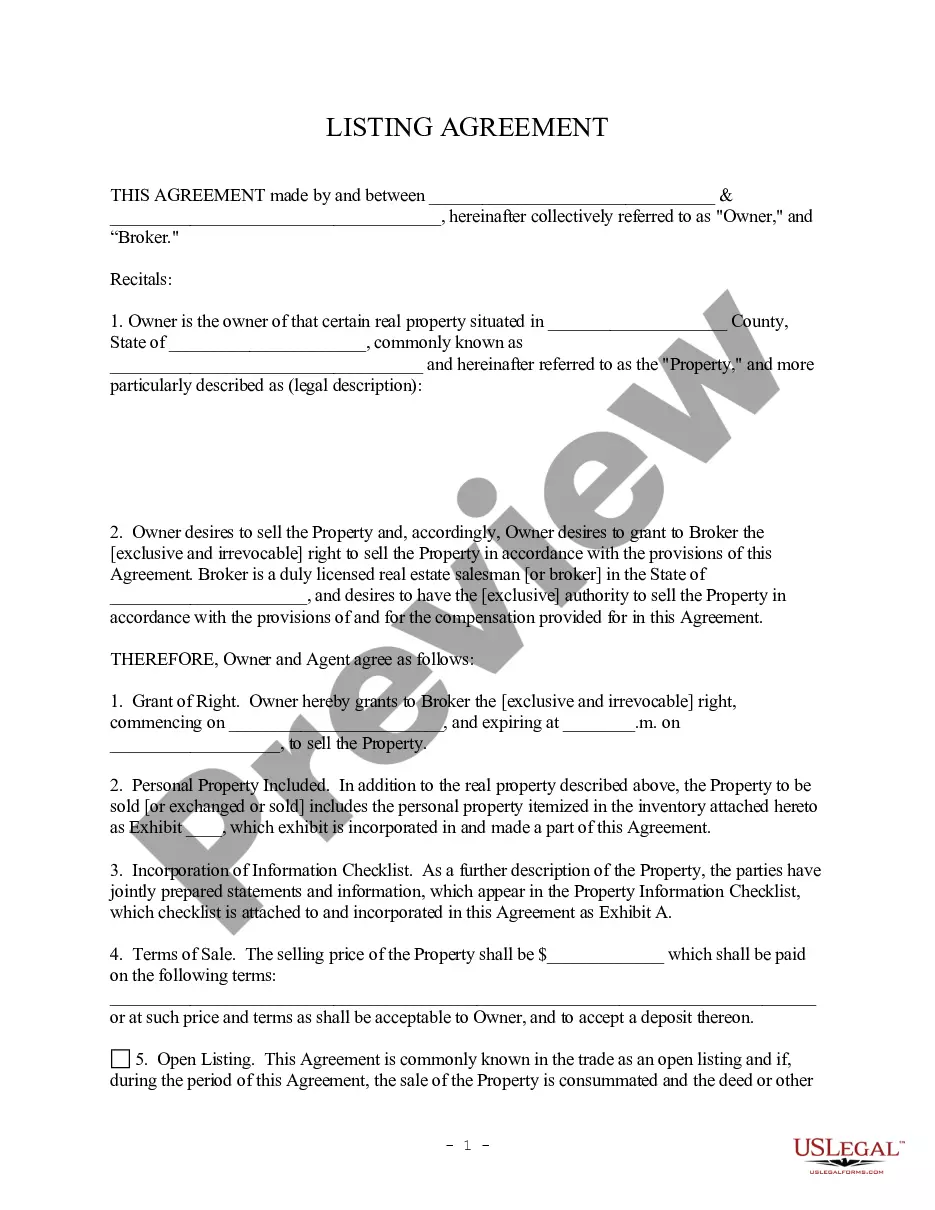
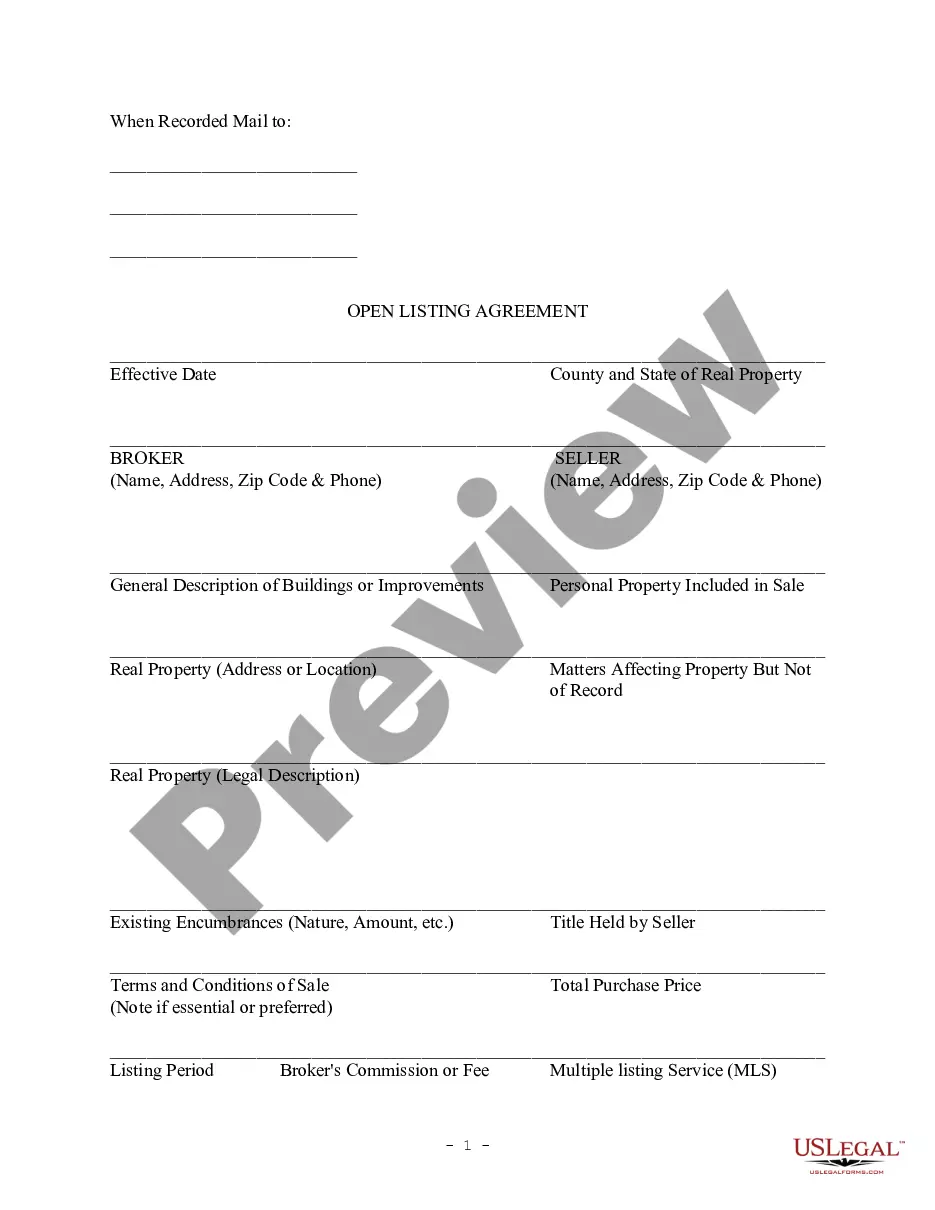
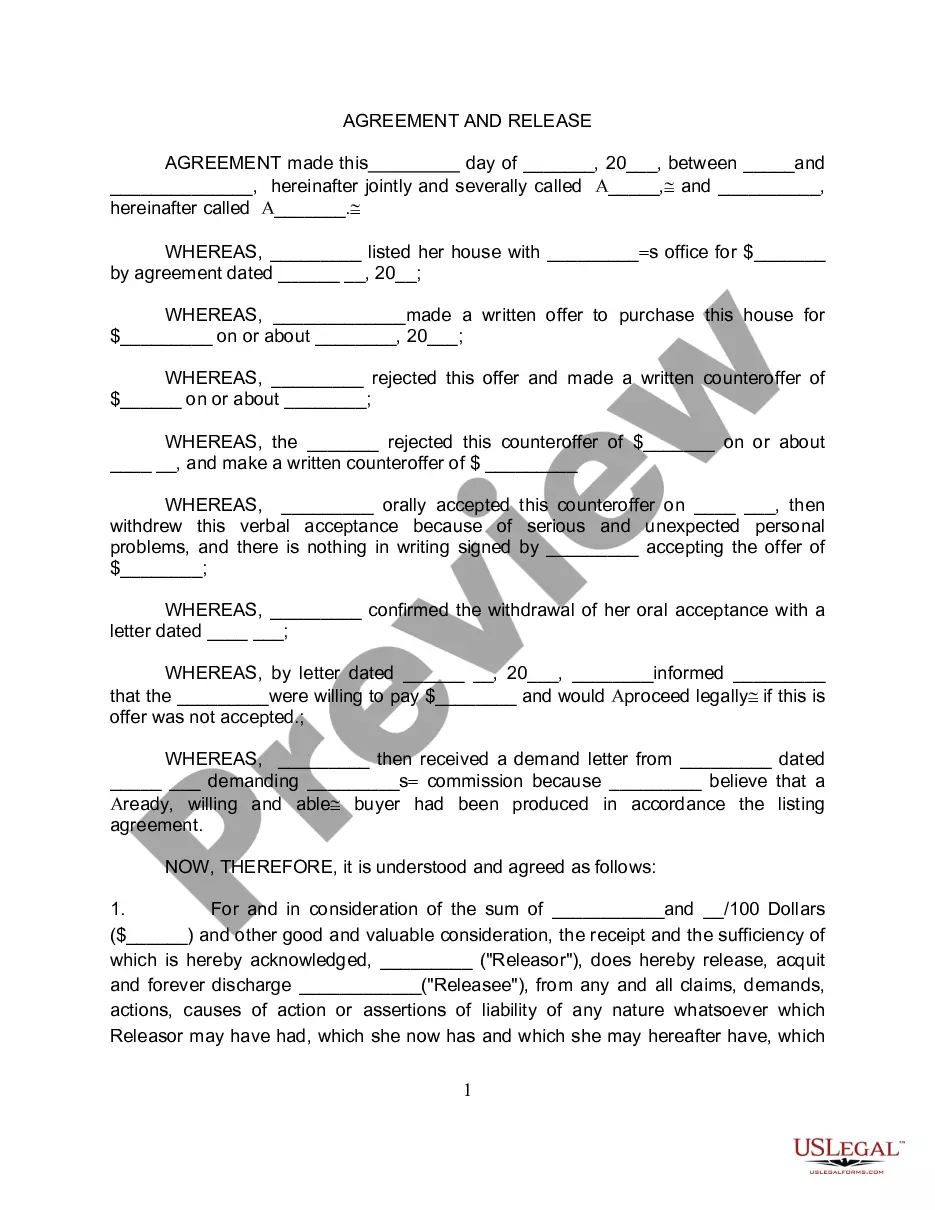
Get your form ready online
Our built-in tools help you complete, sign, share, and store your documents in one place.
Make edits, fill in missing information, and update formatting in US Legal Forms—just like you would in MS Word.
Download a copy, print it, send it by email, or mail it via USPS—whatever works best for your next step.
Sign and collect signatures with our SignNow integration. Send to multiple recipients, set reminders, and more. Go Premium to unlock E-Sign.
If this form requires notarization, complete it online through a secure video call—no need to meet a notary in person or wait for an appointment.
We protect your documents and personal data by following strict security and privacy standards.

Make edits, fill in missing information, and update formatting in US Legal Forms—just like you would in MS Word.

Download a copy, print it, send it by email, or mail it via USPS—whatever works best for your next step.

Sign and collect signatures with our SignNow integration. Send to multiple recipients, set reminders, and more. Go Premium to unlock E-Sign.

If this form requires notarization, complete it online through a secure video call—no need to meet a notary in person or wait for an appointment.

We protect your documents and personal data by following strict security and privacy standards.
Looking for another form?




Form popularity
FAQ
What is the purpose of a carryover clause? Protects the seller if the buyer cancels the sale. Allows a six-week extension to the listing contract. Allows the broker to collect a commission for some period of time after the listing expires.
Generally, there are three types of Listing Agreements; the Exclusive Right to Sell Listing Agreement, the Exclusive Agency Listing Agreement, and the Open or Non-Exclusive Listing Agreement. The variation between each type of Listing Agreement can prove crucial to your rights and liabilities towards your agent.
What does a carryover clause do? Protects the broker if the seller cancels the listing agreement. Allows an automatic six-month extension to the listing contract. Prevents the seller from doing a FSBO sale after the listing expires.
What does a carryover clause do? Allows the broker to collect a commission for some period of time after the listing expires.
Self-renewing clauses, also known as "evergreen clauses," are generally not allowed in listing agreements. They can potentially lock a seller into a long-term contract with a broker, which may not be in the seller's best interest.
What is the Holdover Period? The Holdover period is a length of time (in days) following a listing's expiration where the seller may owe commission to the listing agent if the property sells. There is no prescribed period of time for a holdover, and many listings have a 0 day holdover.
Once this agreement expires, your real estate agent no longer represents you. It also means your listing will officially no longer be for sale, as it will be removed from platforms like Realtor®. It will also be removed from the multiple listing service, also called the MLS.
Open listing: Definition An open listing enables multiple real estate agents to try to sell your home. This setup gives the seller the ability to work with multiple agents at once. This differs from an exclusive listing, in which the seller works exclusively with one listing agent to find a buyer.
There are four common types of listings: open listings, exclusive right-to-sell listings, exclusive agency listings, and net listings. Open listing agreement. An open listing is a non-exclusive contract. Exclusive right to sell listing agreement. Exclusive agency listing agreement. Net listing agreement.
To avoid such predatory practices, California enacted Civil Code 1670.12 and Government Code 27280.6, which took effect January 1, 2024, prohibiting an exclusive listing agreement to last longer than 24 months or to renew such a listing for longer than 12 months.

