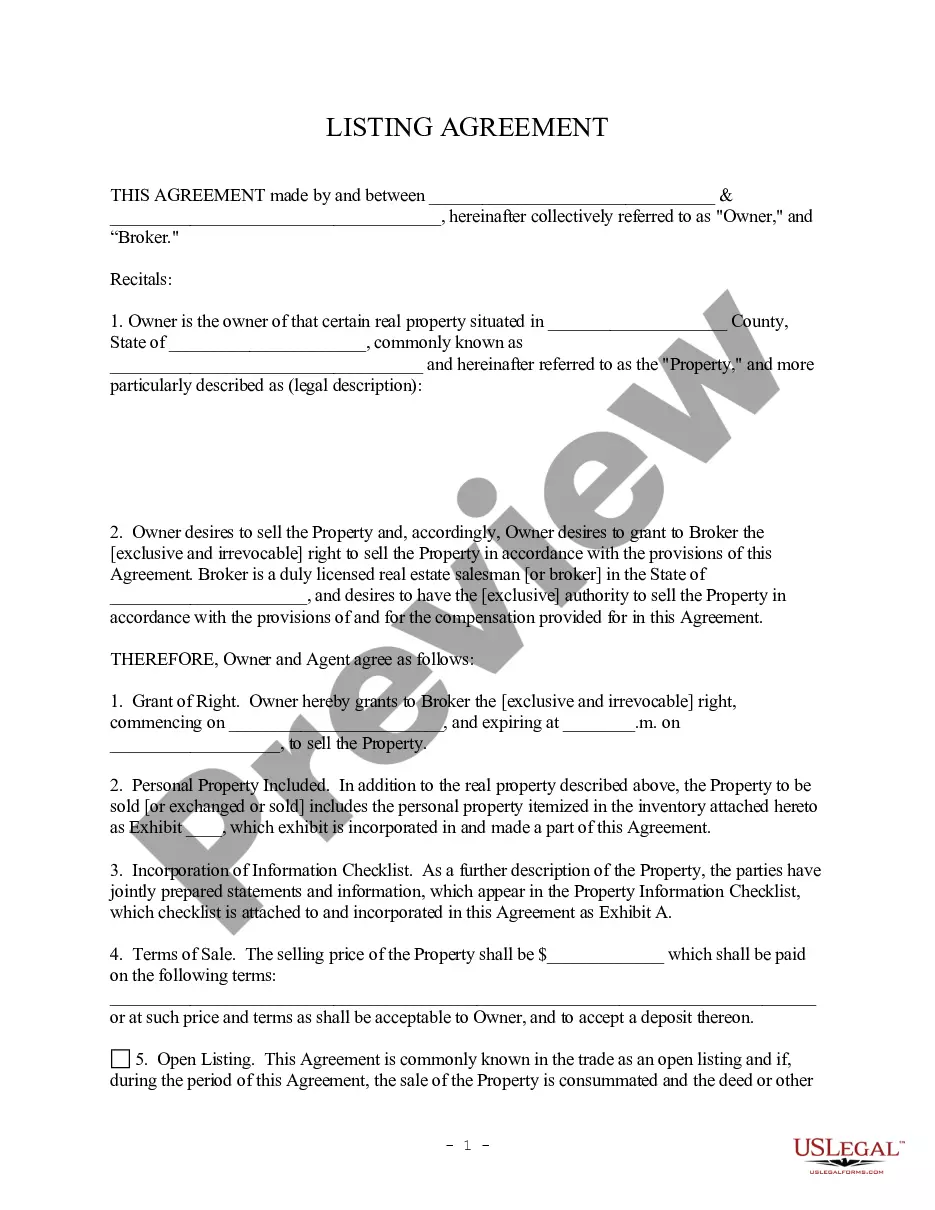
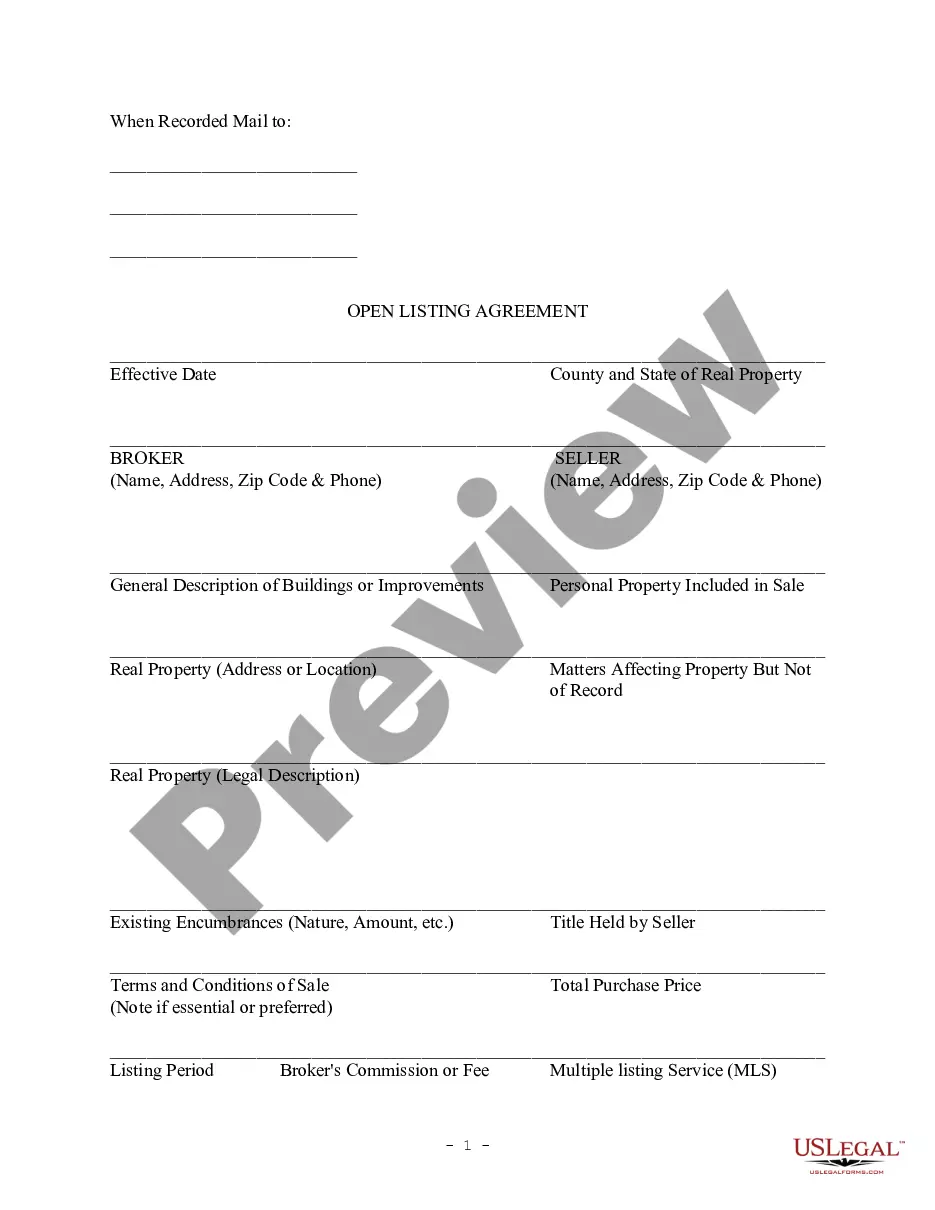
Listing Agreement Document Without Comments In Middlesex
Description

Get your form ready online
Our built-in tools help you complete, sign, share, and store your documents in one place.
Make edits, fill in missing information, and update formatting in US Legal Forms—just like you would in MS Word.
Download a copy, print it, send it by email, or mail it via USPS—whatever works best for your next step.
Sign and collect signatures with our SignNow integration. Send to multiple recipients, set reminders, and more. Go Premium to unlock E-Sign.
If this form requires notarization, complete it online through a secure video call—no need to meet a notary in person or wait for an appointment.
We protect your documents and personal data by following strict security and privacy standards.

Make edits, fill in missing information, and update formatting in US Legal Forms—just like you would in MS Word.

Download a copy, print it, send it by email, or mail it via USPS—whatever works best for your next step.

Sign and collect signatures with our SignNow integration. Send to multiple recipients, set reminders, and more. Go Premium to unlock E-Sign.

If this form requires notarization, complete it online through a secure video call—no need to meet a notary in person or wait for an appointment.

We protect your documents and personal data by following strict security and privacy standards.
Looking for another form?


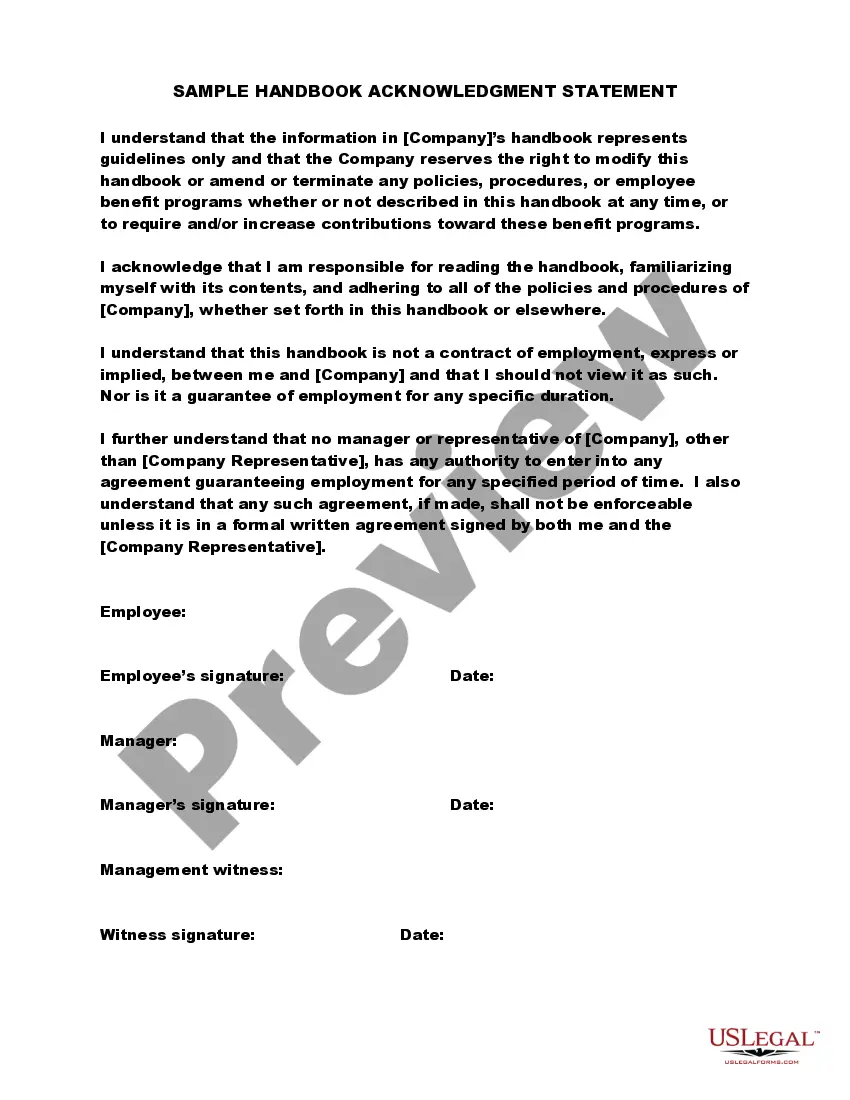
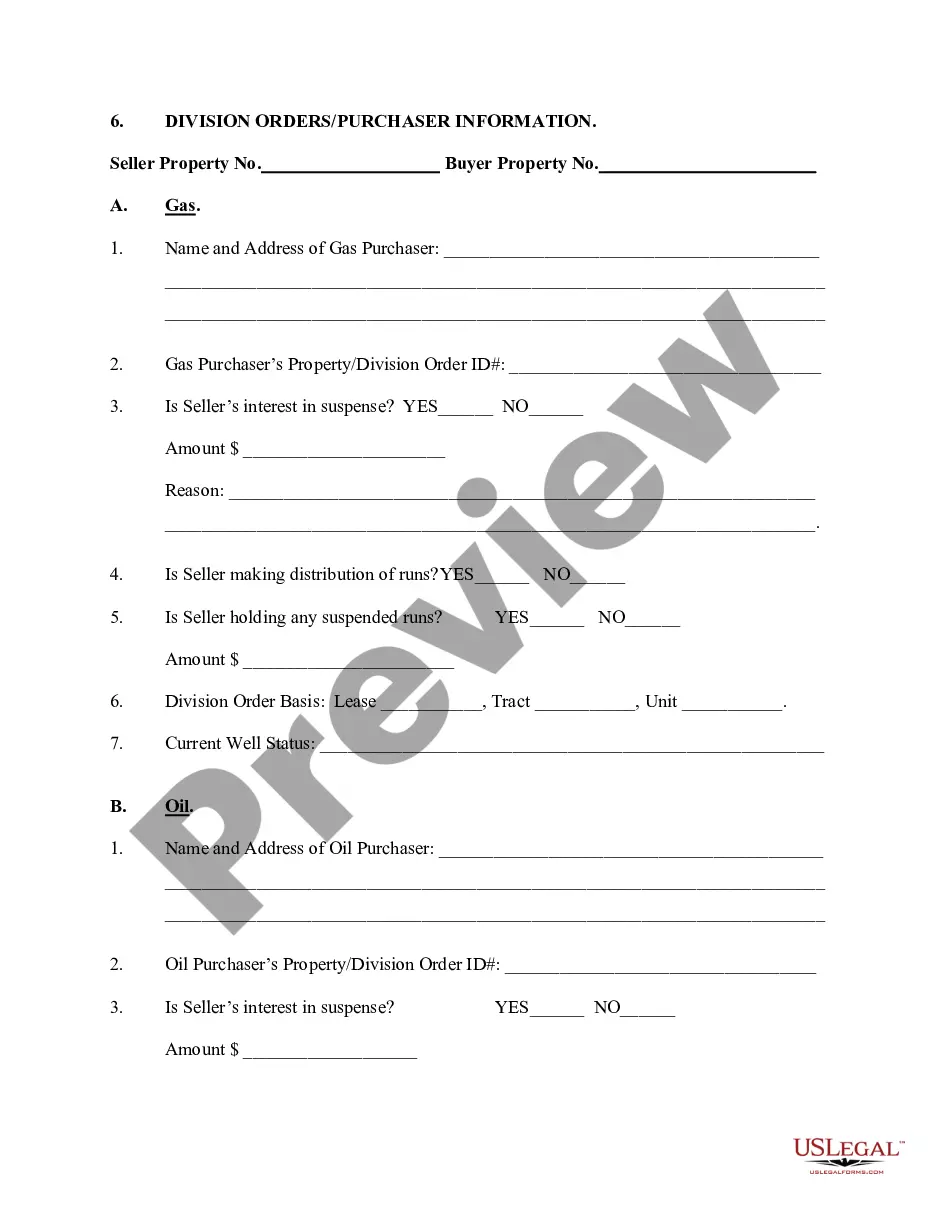
Form popularity
FAQ
Listing agreements often include clauses regarding confidentiality, emphasizing that sensitive information about your property or personal circumstances should be handled discreetly.
A listing agreement is a written document signed by all owners of real estate or their authorized attorney in fact authorizing a broker to offer or advertise real estate described in such document for sale or lease on specified terms for a defined period of time and is only valid if signed by all owners or their ...
To be legally enforceable, a listing agreement must satisfy four requirements. It must contain a property description, include a promise of compensation, specify a fixed figure for the compensation (either a percentage or a dollar amount), and be in writing and signed by the seller.
Eight Listing Traps to Avoid Approach to Conflicts of Interest. Non-Disclosed Referral Fees. Lack of Specificity in the Listing Agreement. Unquantifiable Efforts. Long Listing Agreements. Seller Costs. Focus on Brokerage Rather Than Agent. Paying Out of Escrow.
The three types of real estate listing agreements are open listing, exclusive agency listing, and exclusive right-to-sell listing.
Final answer: The component that is not required in most listing agreements is the naming of an escrow company. Most listing agreements typically include identification of the property, compensation details and signatures, although the escrow company is usually determined later in the selling process.
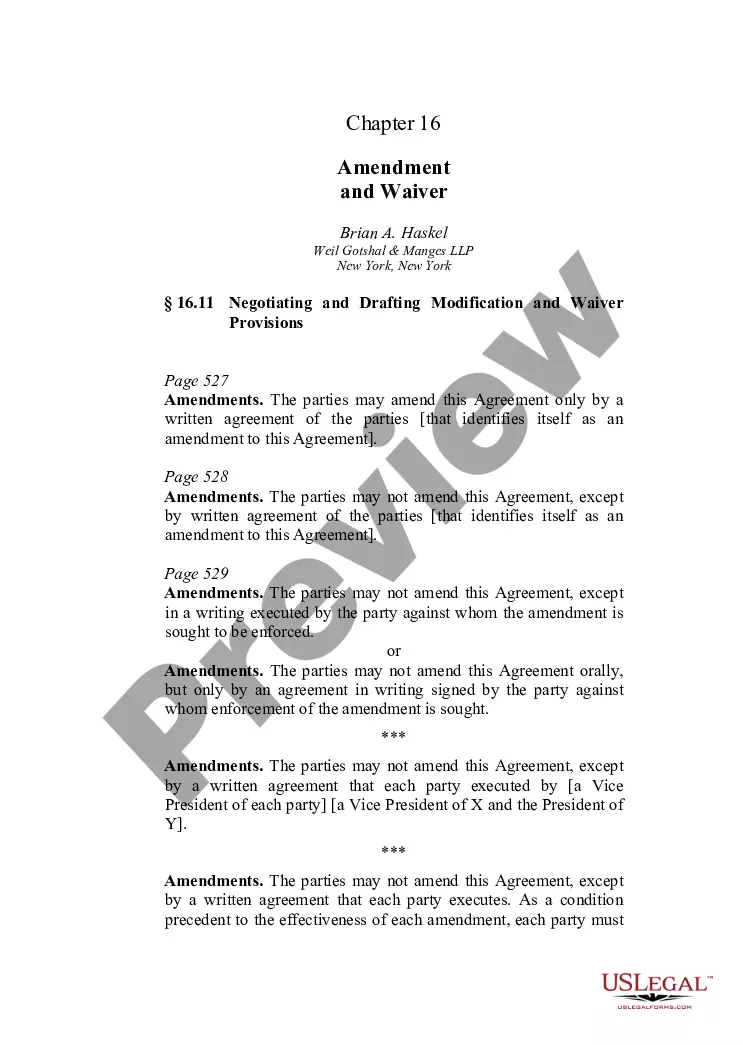
Any amendment should be explained in-full so that all parties are in agreement. Discuss the Amendment. The broker and owner should meet and discuss the changes to the listing agreement. Write the Amendment. Once a verbal agreement is made, the amendment should be written. Sign and Attach to Listing Agreement.
All parties must agree to in writing to any changes. The listing agent is the only one that can make changes to the listing contract. All changes can be made by attaching a hand-written note to the existing contact.
Can you amend a contract after signing it? The answer is yes, you can. If the contract has already been signed, all parties must agree to make the amendment. While it can be trickier to change a contract after it's signed, communicating a clear reason for the change can often be acceptable to the other party.

