One Time Showing Agreement Form For Notary Public In Michigan
Description
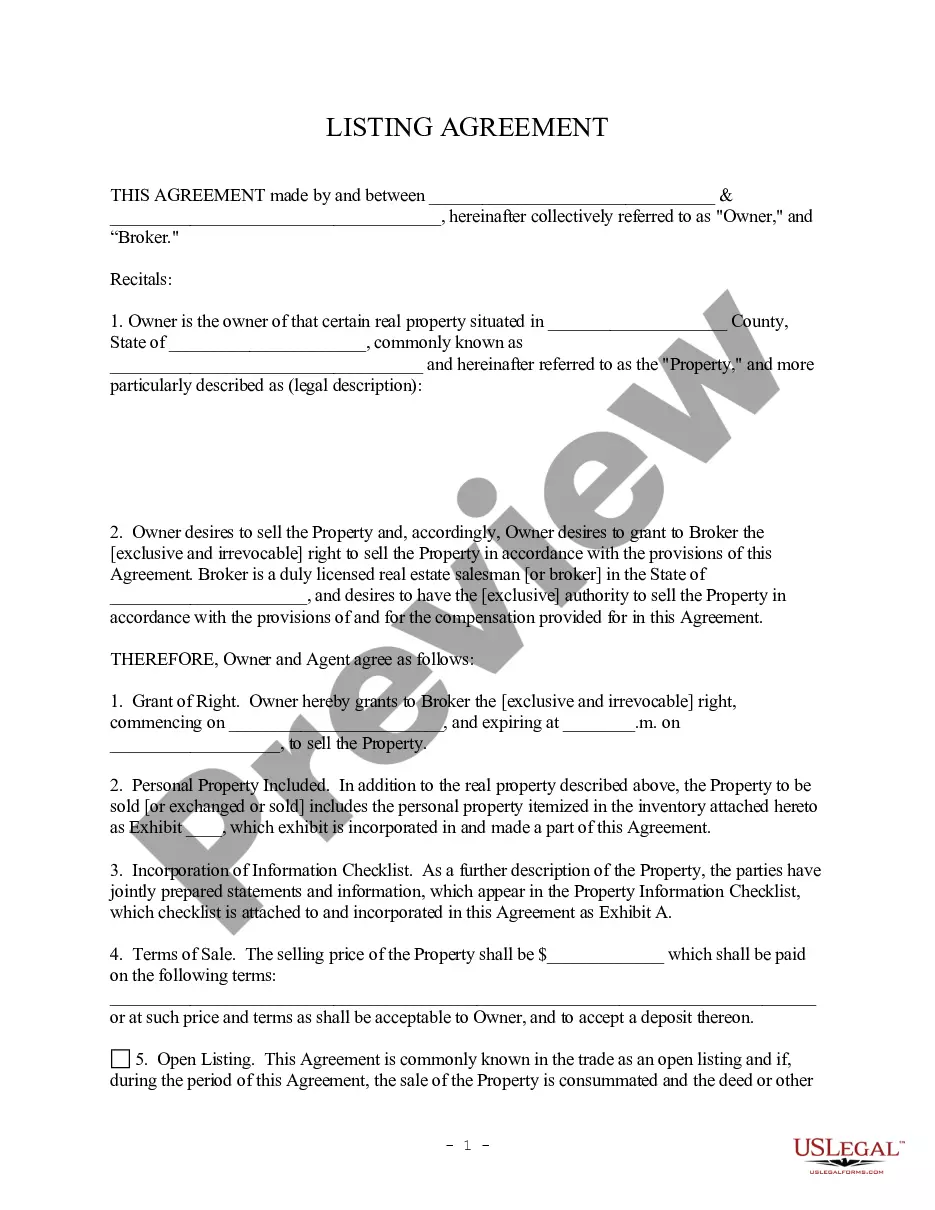
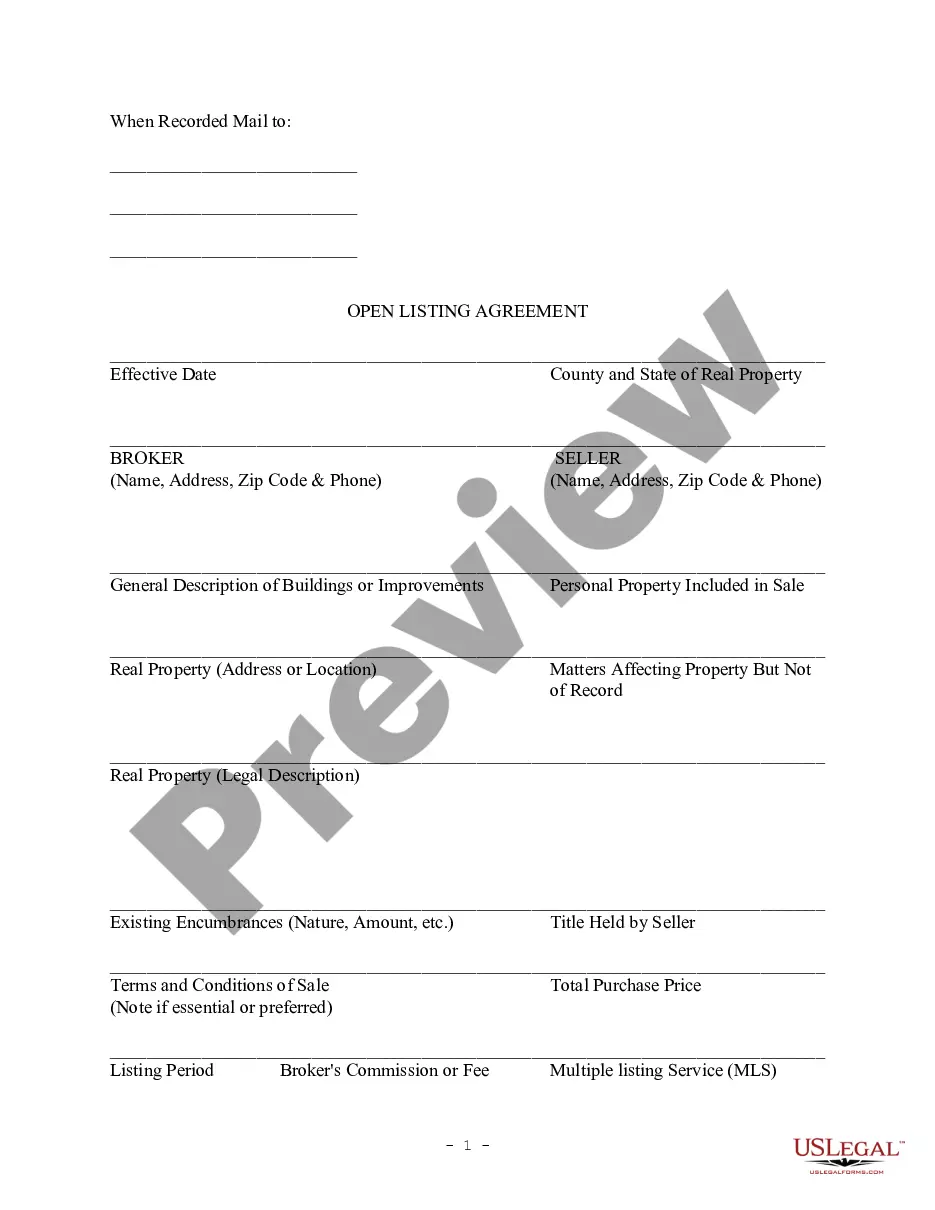
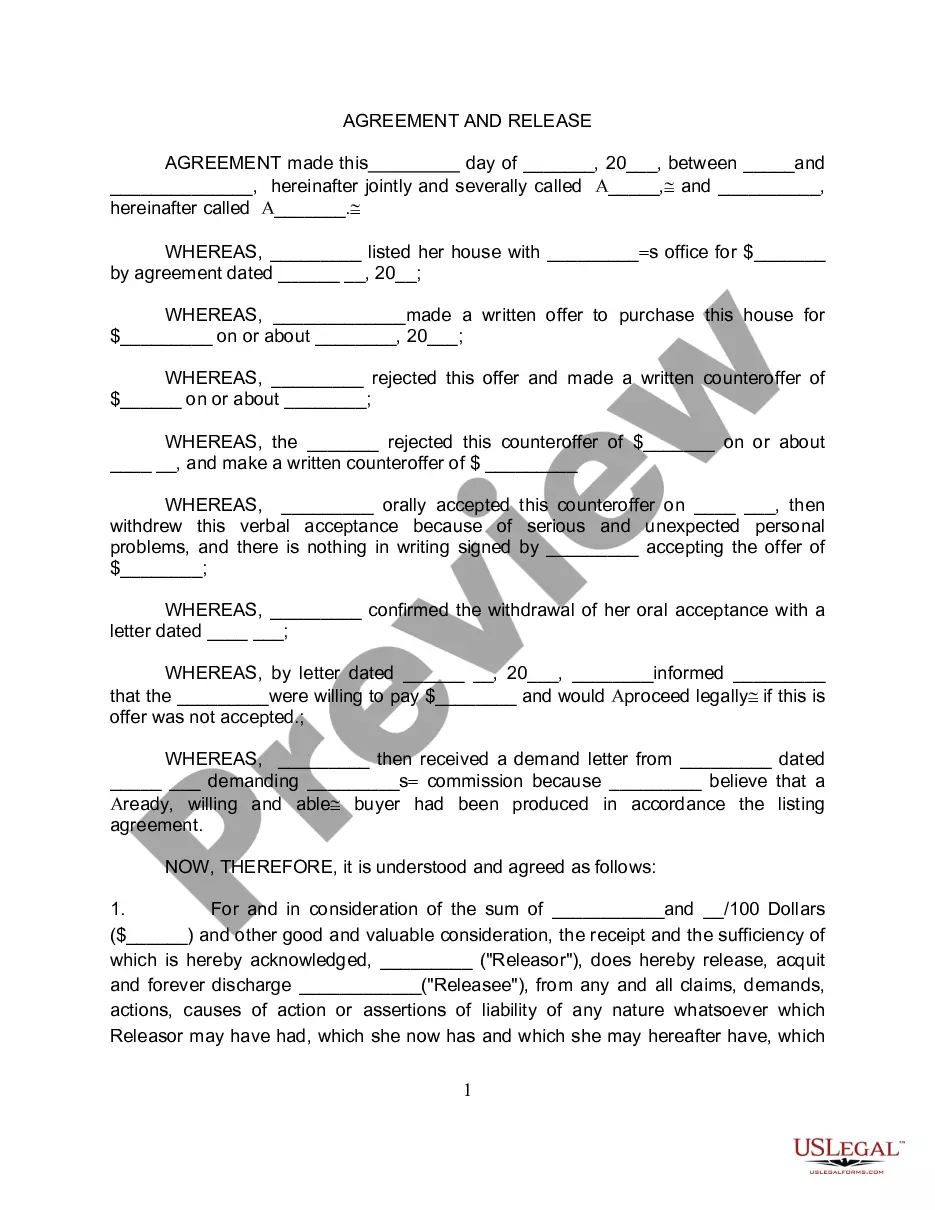
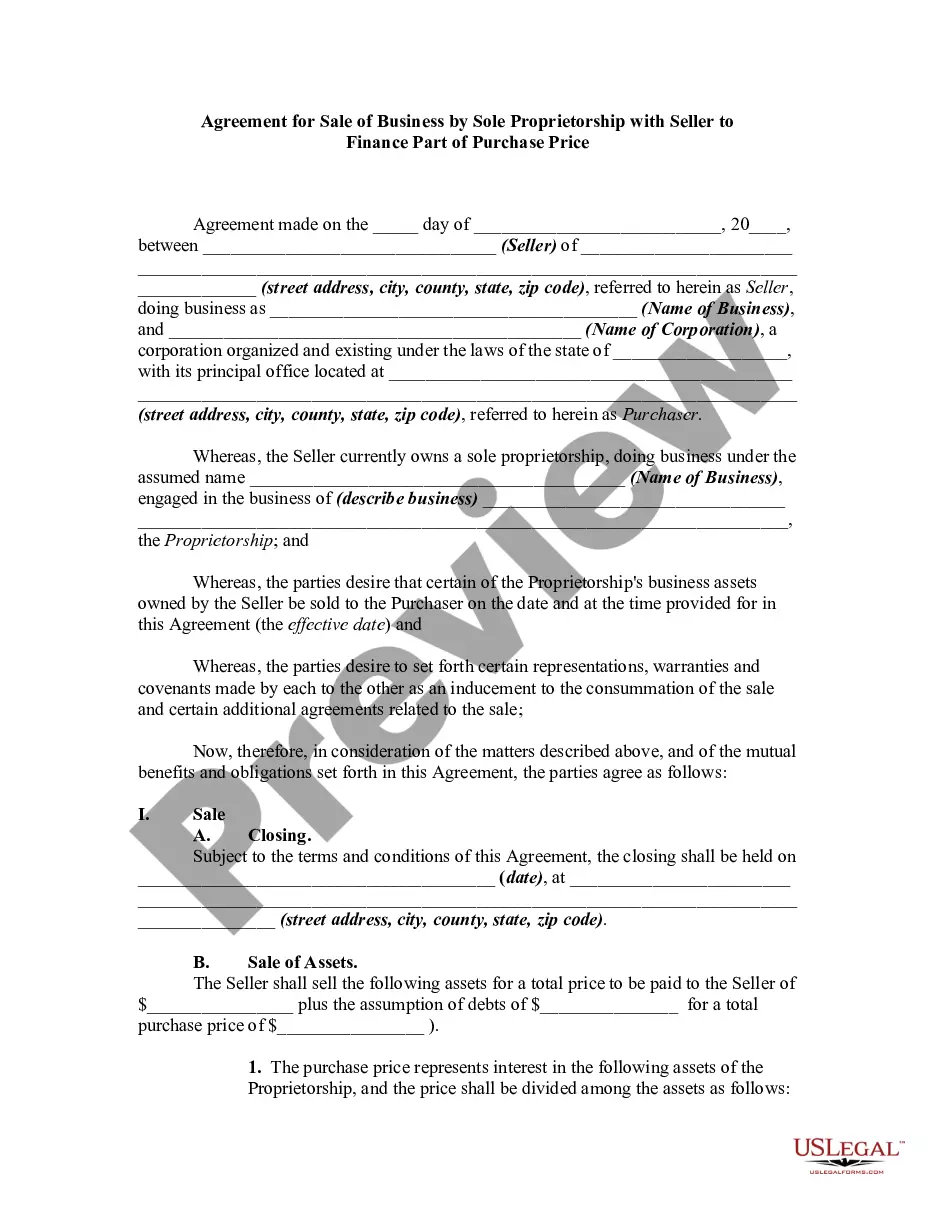
Get your form ready online
Our built-in tools help you complete, sign, share, and store your documents in one place.
Make edits, fill in missing information, and update formatting in US Legal Forms—just like you would in MS Word.
Download a copy, print it, send it by email, or mail it via USPS—whatever works best for your next step.
Sign and collect signatures with our SignNow integration. Send to multiple recipients, set reminders, and more. Go Premium to unlock E-Sign.
If this form requires notarization, complete it online through a secure video call—no need to meet a notary in person or wait for an appointment.
We protect your documents and personal data by following strict security and privacy standards.

Make edits, fill in missing information, and update formatting in US Legal Forms—just like you would in MS Word.

Download a copy, print it, send it by email, or mail it via USPS—whatever works best for your next step.

Sign and collect signatures with our SignNow integration. Send to multiple recipients, set reminders, and more. Go Premium to unlock E-Sign.

If this form requires notarization, complete it online through a secure video call—no need to meet a notary in person or wait for an appointment.

We protect your documents and personal data by following strict security and privacy standards.
Looking for another form?







Form popularity
FAQ
One of the most common mistakes that notaries make is not printing or signing their name exactly as it appears on their notary commission.
The document must be completely filled out – no blank spaces. The document must be in English, so our Clerks are easily able to read it. The signer(s) must be competent and fully understand the document being notarized. The signer(s) must be willing to sign without being coerced.
To make a notarized letter, begin with your contact details, create a clear message explaining the purpose of the letter. Include any legal language if necessary. Conclude with a formal closing and leave space for your signature. And that's how you write a statement that needs to be notarized.
Every notarized letter of authorization must list the names of the requesting parties and the reason for authorization. The document must also contain the signatures of each party as well as the notary public's signature to confirm that they witnessed and verified the signatures.
In short, you cannot notarize your own documents. Despite having the technical understanding, it's against notary laws to certify your own paperwork. This rule was established to ensure that the notarization process remains unbiased and prevents any potential conflicts of interest or ethical problems.
For a notarial act to be valid, the notary must perform the verbal part of the acknowledgment notarial act by asking the signer: “Do you acknowledge that you signed this document voluntarily and for the purposes stated therein?”
Can you write a letter and have it notarized? Yes, you can fill out the details of a letter on your own and then contact a public notary to get it notarized. If you're wondering what documents need to be notarized, understand that there is a long list of documents you can notarize in your state.
A notarized document can be invalid if it has missing signatures, improper identification, incorrect or missing notary seals, or an incomplete notary section.
Failing to require signers to be present at the notarization is the number one claim of misconduct against Notaries.

