One Time Showing Agreement With Mexico In Hennepin
Description
Get your form ready online
Our built-in tools help you complete, sign, share, and store your documents in one place.
Make edits, fill in missing information, and update formatting in US Legal Forms—just like you would in MS Word.
Download a copy, print it, send it by email, or mail it via USPS—whatever works best for your next step.
Sign and collect signatures with our SignNow integration. Send to multiple recipients, set reminders, and more. Go Premium to unlock E-Sign.
If this form requires notarization, complete it online through a secure video call—no need to meet a notary in person or wait for an appointment.
We protect your documents and personal data by following strict security and privacy standards.

Make edits, fill in missing information, and update formatting in US Legal Forms—just like you would in MS Word.

Download a copy, print it, send it by email, or mail it via USPS—whatever works best for your next step.

Sign and collect signatures with our SignNow integration. Send to multiple recipients, set reminders, and more. Go Premium to unlock E-Sign.

If this form requires notarization, complete it online through a secure video call—no need to meet a notary in person or wait for an appointment.

We protect your documents and personal data by following strict security and privacy standards.
Looking for another form?

Form popularity
FAQ
How to draft a contract between two parties: A step-by-step checklist Know your parties. Agree on the terms. Set clear boundaries. Spell out the consequences. Specify how you will resolve disputes. Cover confidentiality. Check the legality of the contract. Open it up to negotiation.
Although you don't have to hire a lawyer, you should. Entering into a legally binding agreement isn't something you should take lightly. Signing a document without fully comprehending the terms or your rights is dangerous. It can lead to significant unintended consequences and time-consuming legal battles.
Can I write my own contract? Yes, you can write your own contract. However, including all necessary elements is crucial to make it legally binding.
The three types of real estate listing agreements are open listing, exclusive agency listing, and exclusive right-to-sell listing.
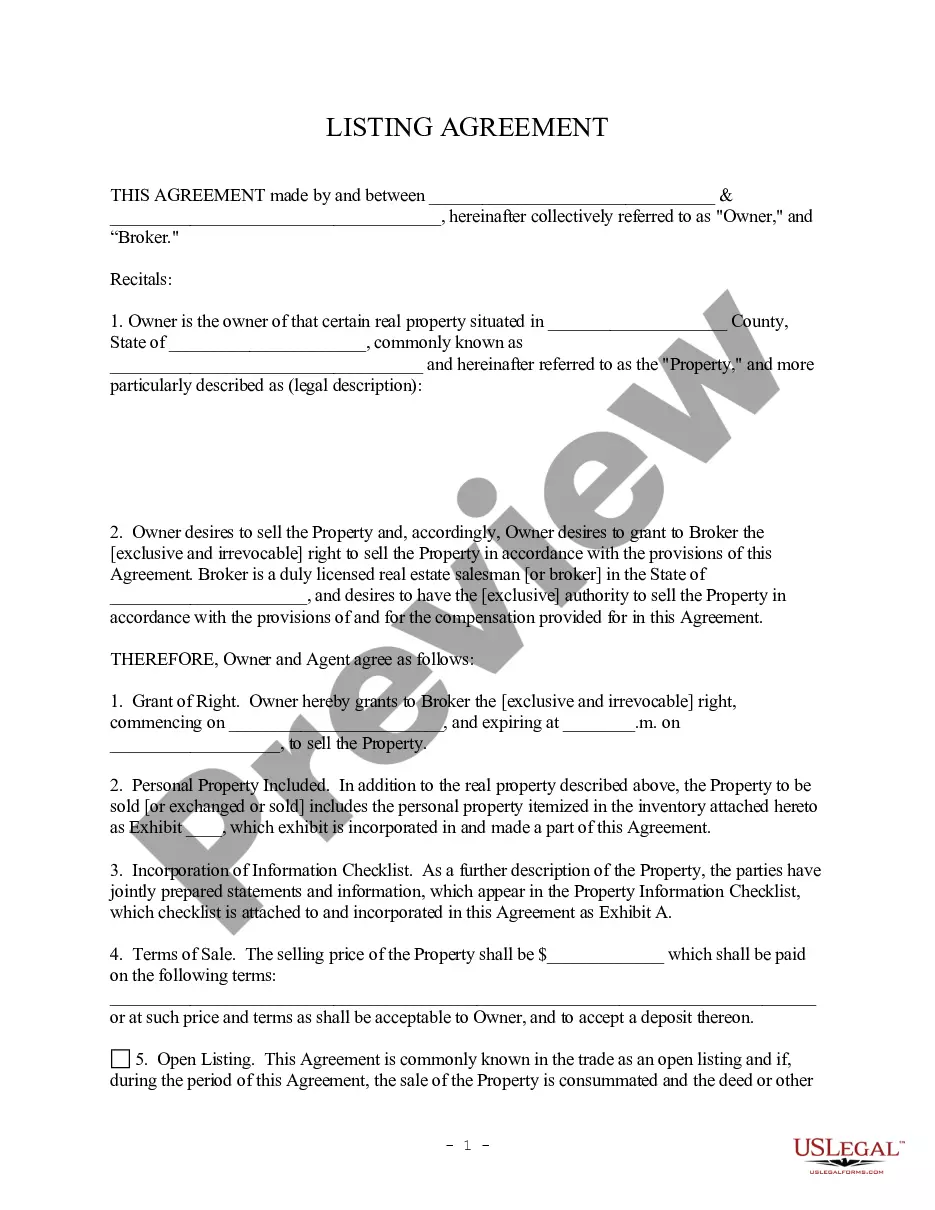
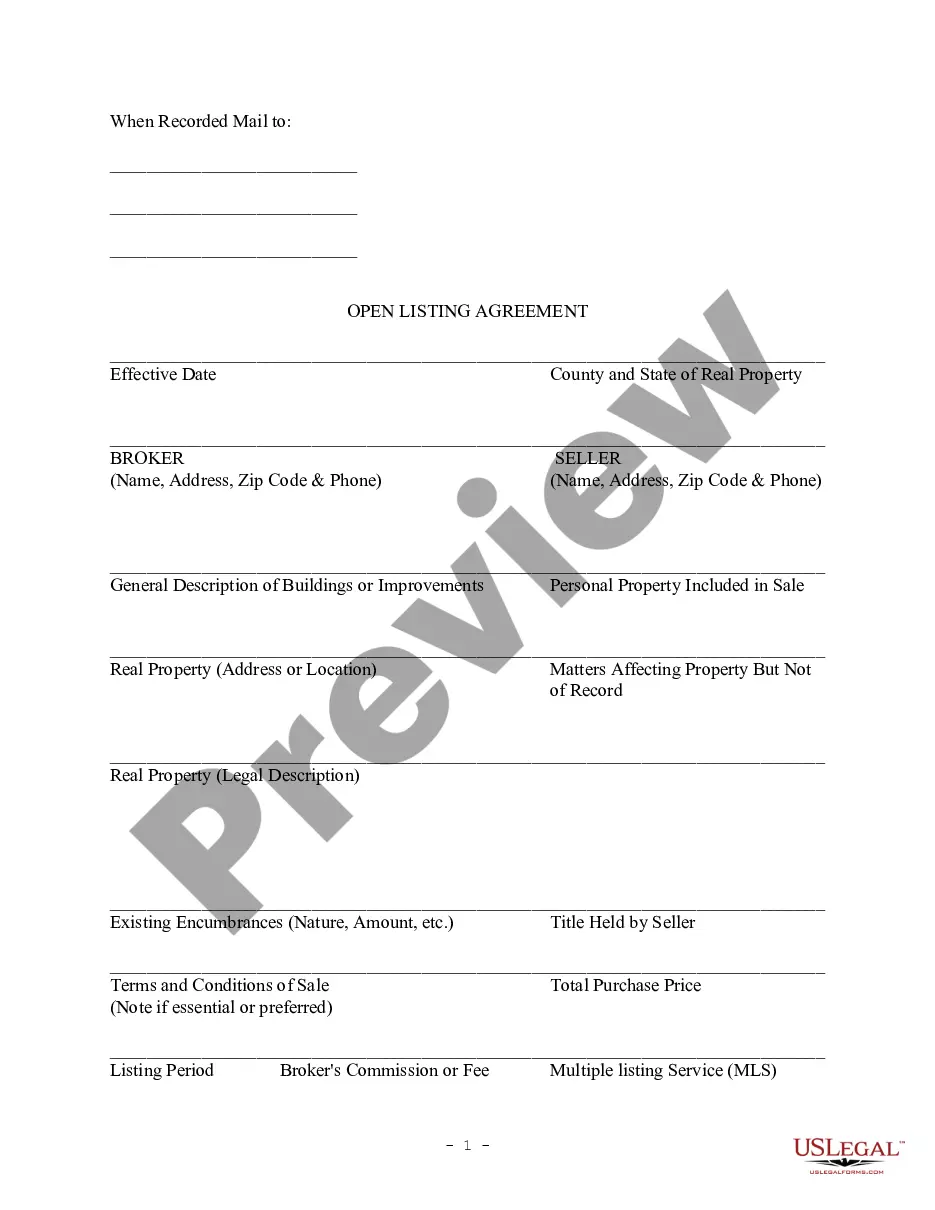
One-time showing agreements contain several crucial elements to protect both the seller and the agent. These components include: Property Details: A clear description of the property being shown. Duration of Agreement: Specifies the time frame in which the showing can occur.
Off contract lasts “until completion of the obligations of the parties”. A deadline (i.e. a given date, not a month) will be clearly stipulated for the delivery of each deliverable.
A “one-time show” is similar to an open listing in many respects, as it is most often used by real estate agents who are showing a FSBO (for sale by owner) to one of their clients.
One time showing agreements offer an opportunity for your agent to show a home not currently listed with the board members MLS, and contractually may compensate the agent for his or her efforts.
The Five Elements of a Contract Offer. Acceptance. Consideration. Capacity. Lawful Purpose.

