Equipment Maintenance Policy In Utah
Description
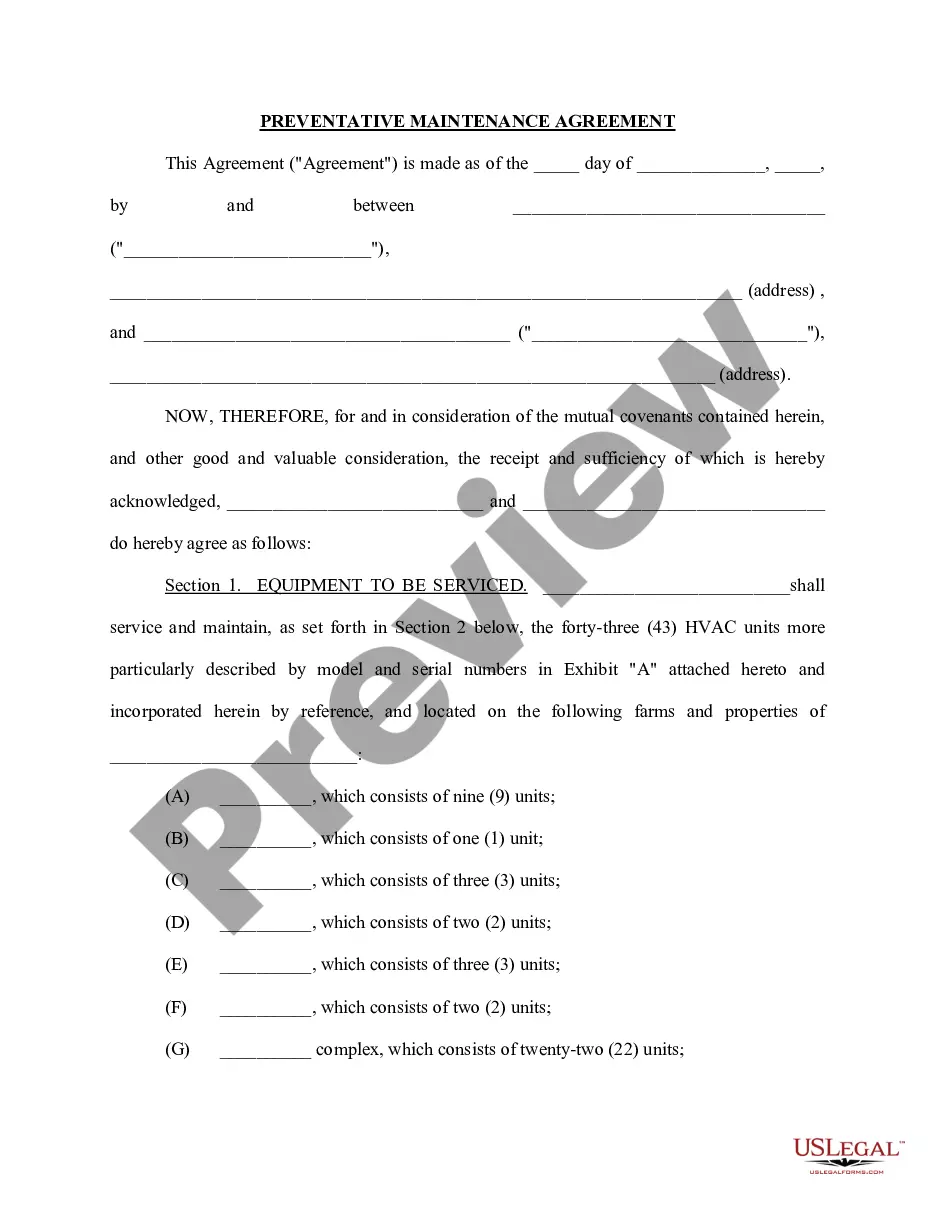
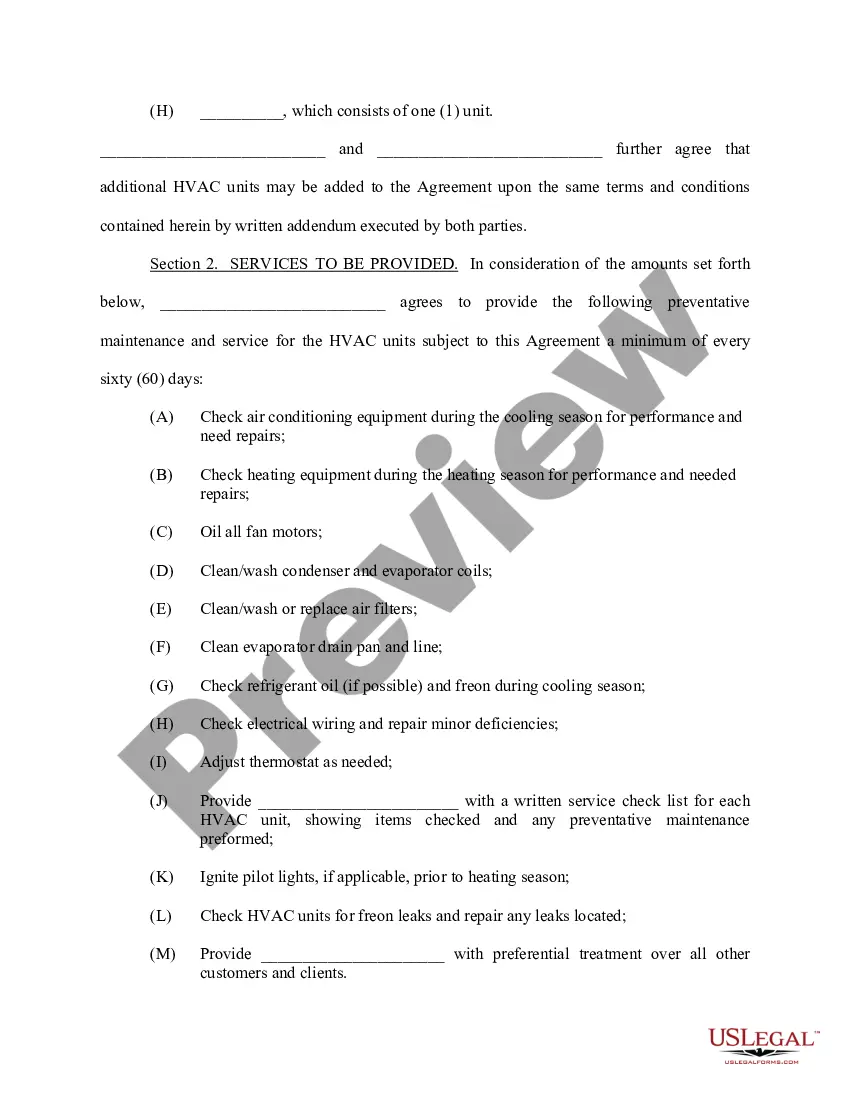
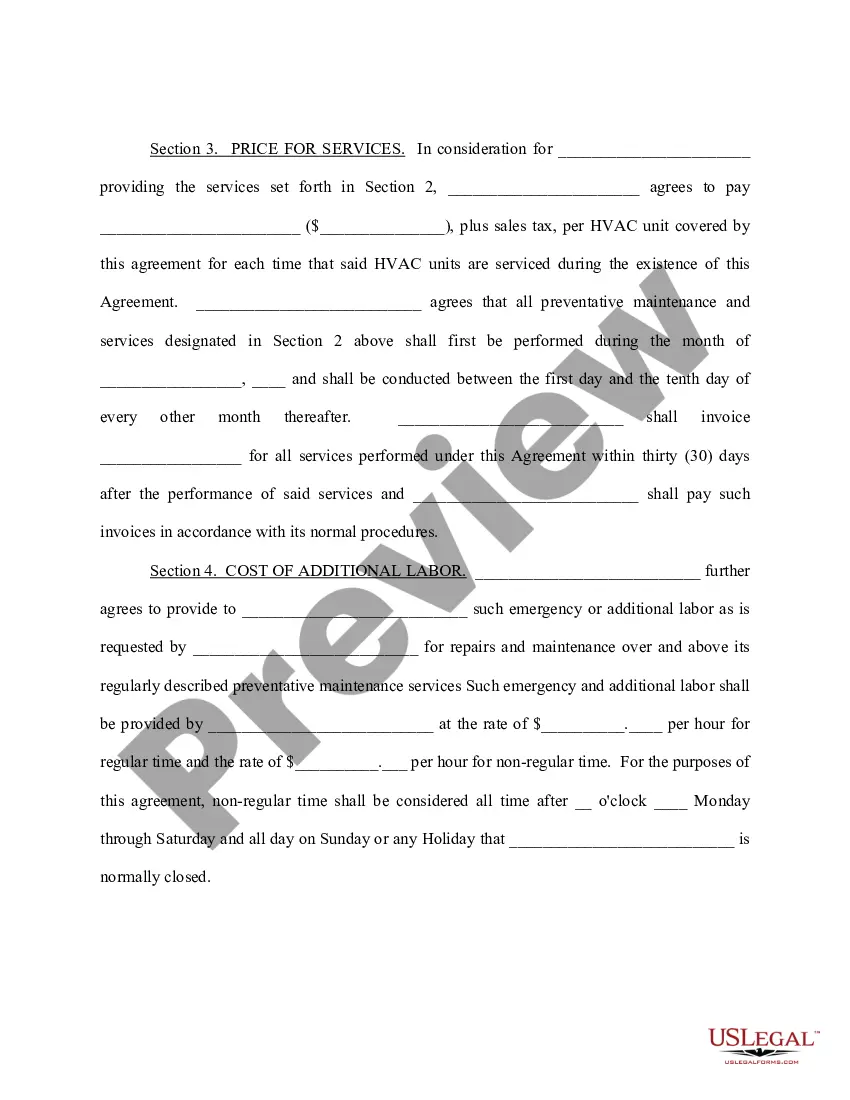
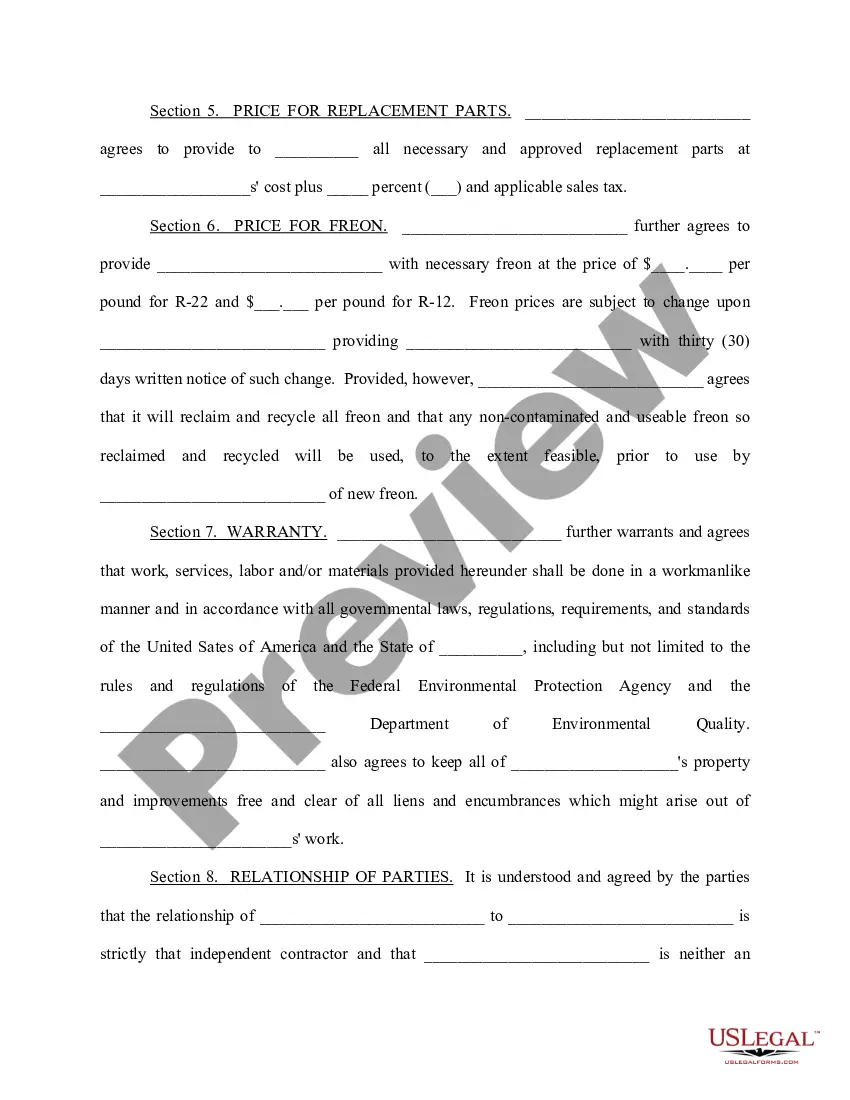
Get your form ready online
Our built-in tools help you complete, sign, share, and store your documents in one place.
Make edits, fill in missing information, and update formatting in US Legal Forms—just like you would in MS Word.
Download a copy, print it, send it by email, or mail it via USPS—whatever works best for your next step.
Sign and collect signatures with our SignNow integration. Send to multiple recipients, set reminders, and more. Go Premium to unlock E-Sign.
If this form requires notarization, complete it online through a secure video call—no need to meet a notary in person or wait for an appointment.
We protect your documents and personal data by following strict security and privacy standards.

Make edits, fill in missing information, and update formatting in US Legal Forms—just like you would in MS Word.

Download a copy, print it, send it by email, or mail it via USPS—whatever works best for your next step.

Sign and collect signatures with our SignNow integration. Send to multiple recipients, set reminders, and more. Go Premium to unlock E-Sign.

If this form requires notarization, complete it online through a secure video call—no need to meet a notary in person or wait for an appointment.

We protect your documents and personal data by following strict security and privacy standards.
Looking for another form?


Form popularity
FAQ
(a) The operator of a vehicle shall ensure the lamps or lights of the vehicle are illuminated while the vehicle is being operated on a highway at any time: (i) from sunset to sunrise; or (ii) when persons and vehicles on the highway are not clearly discernible at a distance of 1,000 feet ahead due to: (A) insufficient ...
You must use your headlights between one-half hour after sunset and one-half hour before sunrise. You must also turn on your headlights whenever you use your windshield wipers in bad weather conditions or when there is insufficient light and pedestrians or vehicles cannot be seen clearly at a distance of 1,000 ft.
Headlight use You must turn on your headlights from a half hour after sunset to a half hour before sunrise or if snow, rain, fog, or other hazardous weather condition requires the continuous use of windshield wipers, or when visibility is not sufficient to clearly see a person or a vehicle for a distance of 1,000 feet.
(a) The operator of a vehicle shall ensure the lamps or lights of the vehicle are illuminated while the vehicle is being operated on a highway at any time: (i) from sunset to sunrise; or (ii) when persons and vehicles on the highway are not clearly discernible at a distance of 1,000 feet ahead due to: (A) insufficient ...
Key Steps in Developing a Maintenance Policy Define Objectives and Goals. Assess Assets and Maintenance Requirements. Identify Maintenance Tasks and Frequencies. Assign Roles and Responsibilities. Establish Performance Metrics.
Keep a distance of about 3-5 seconds between you and the vehicle in front of you. Also, when you stop, stop so you can see at least 3 feet behind the rear tires of the vehicle in front of you. This will always give you some time to react if a driver ahead brakes suddenly.
41-6a-1601 — Operation Of Unsafe Or Improperly Equipped Vehicles On Public Highways -- Exceptions. 41-6a-1602 — Permit To Operate Vehicle In Violation Of Equipment Regulations.
Mirrors. A motor vehicle shall be equipped with a mirror mounted on the left side of the vehicle. A mirror under Subsection (1)(a) shall be located to reflect to the driver a view of the highway to the rear of the vehicle.
41-6a-1625 Horns and warning devices -- Emergency vehicles. (c) The operator of a motor vehicle: (i) when reasonably necessary to insure safe operation, shall give audible warning with the horn; and (ii) except as provided under Subsection (1)(c)(i), may not use the horn on a highway.
