Equipment Maintenance Policy In Texas
Description

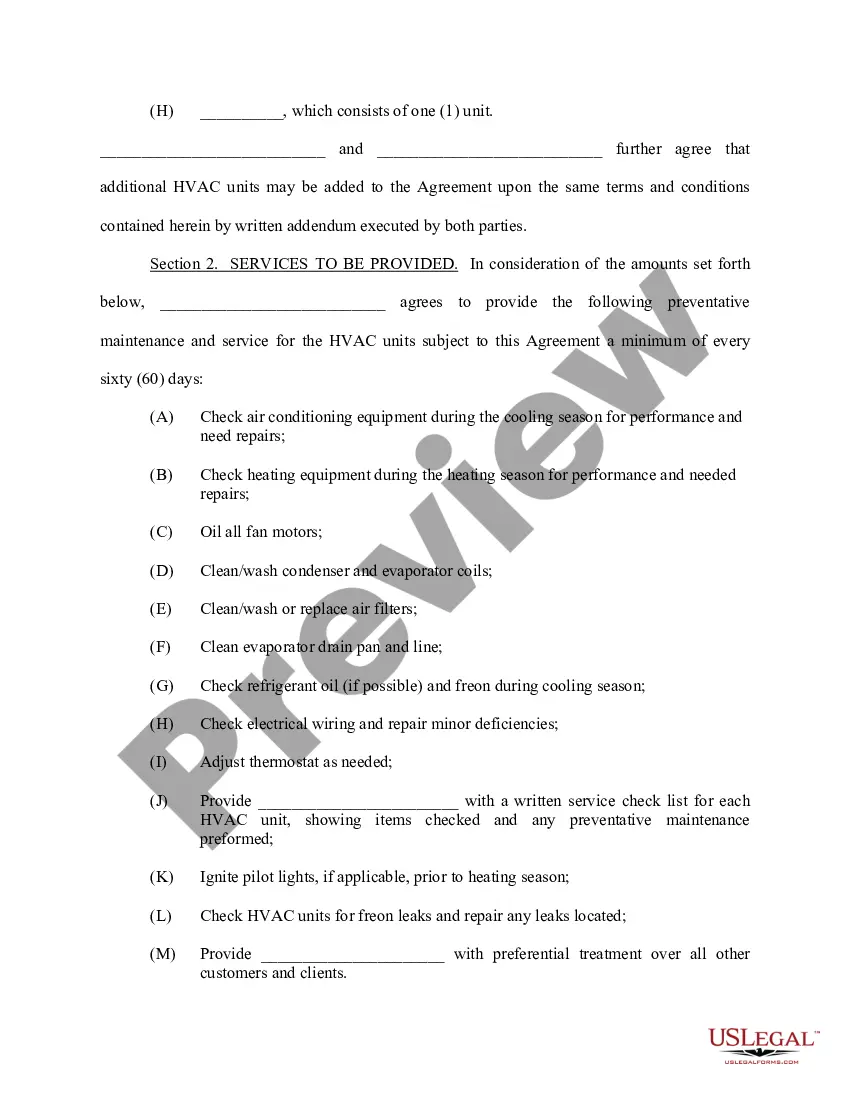
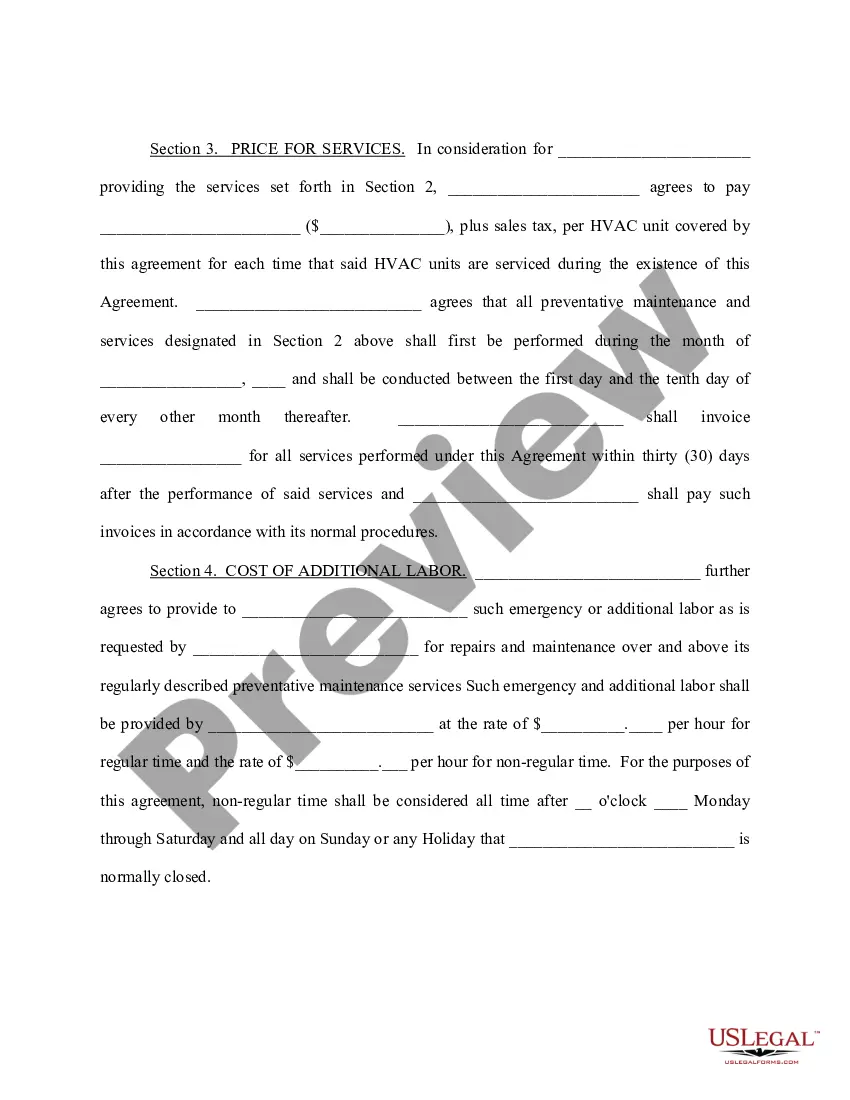
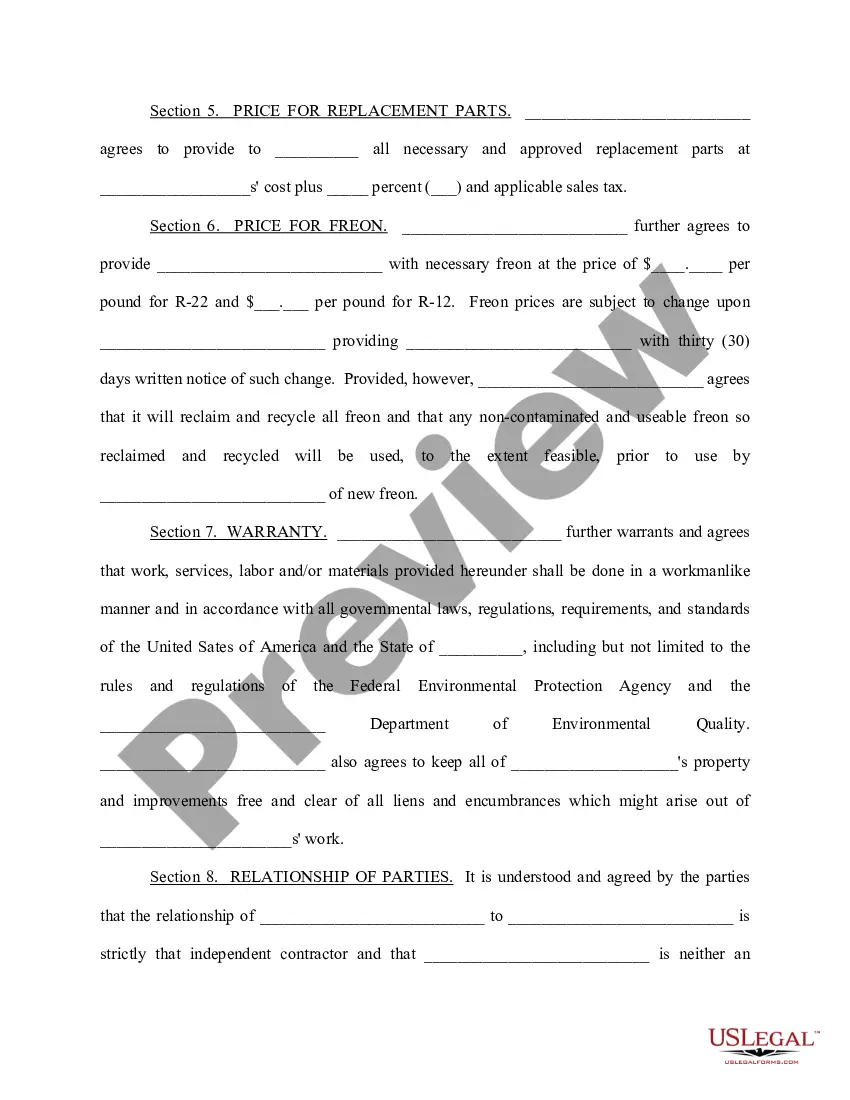
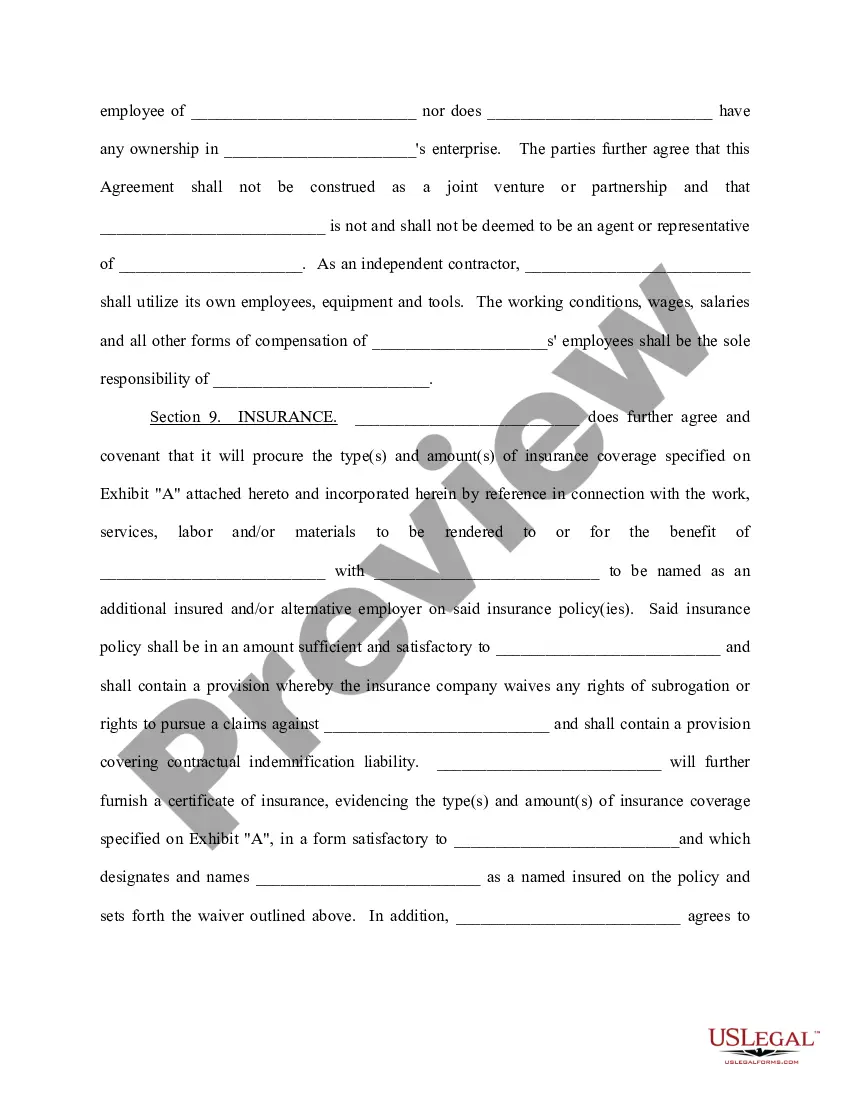
Get your form ready online
Our built-in tools help you complete, sign, share, and store your documents in one place.
Make edits, fill in missing information, and update formatting in US Legal Forms—just like you would in MS Word.
Download a copy, print it, send it by email, or mail it via USPS—whatever works best for your next step.
Sign and collect signatures with our SignNow integration. Send to multiple recipients, set reminders, and more. Go Premium to unlock E-Sign.
If this form requires notarization, complete it online through a secure video call—no need to meet a notary in person or wait for an appointment.
We protect your documents and personal data by following strict security and privacy standards.

Make edits, fill in missing information, and update formatting in US Legal Forms—just like you would in MS Word.

Download a copy, print it, send it by email, or mail it via USPS—whatever works best for your next step.

Sign and collect signatures with our SignNow integration. Send to multiple recipients, set reminders, and more. Go Premium to unlock E-Sign.

If this form requires notarization, complete it online through a secure video call—no need to meet a notary in person or wait for an appointment.

We protect your documents and personal data by following strict security and privacy standards.
Looking for another form?








Form popularity
FAQ
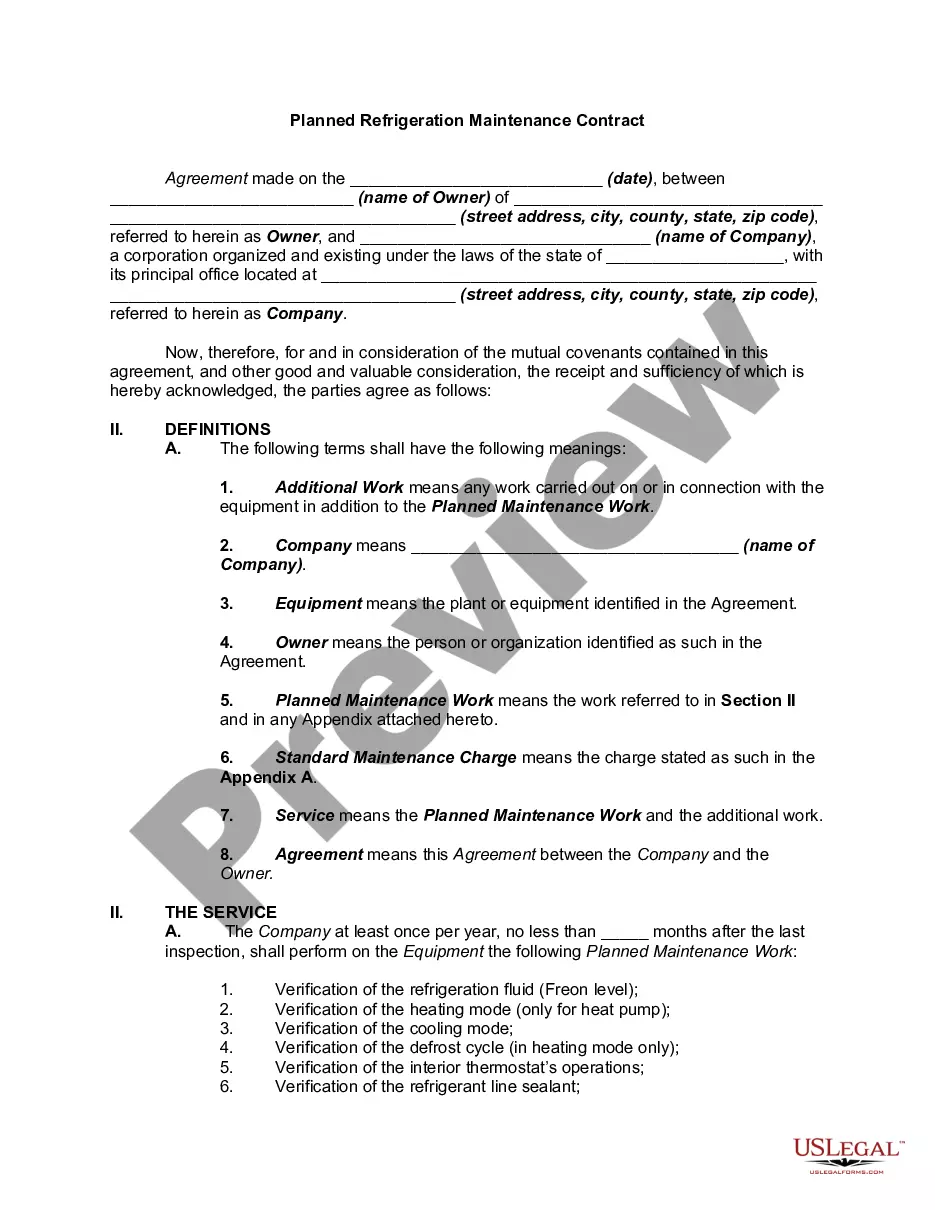
Steps to creating an effective maintenance plan Detail the work that you'll need to do on each asset. Schedule the work – Use a dating frequency, running hours, or measures that will provide insight into the condition of an asset. Add workers or contractors – including the estimated working hours. Add spare parts.
Your Guide to Planned Maintenance Procedures & Benefits Identify Issue & Create Work Order. Inspect Equipment & Area. Check for Parts & Create Work Process. Determine Priority Level. Schedule & Complete Work.
These procedures encompass a range of activities that help keep machinery operating within specified limits by addressing potential issues before they cause operational disruptions. Examples of these procedures include regular inspections, calibrations, parts replacement, and cleaning.
To create an effective maintenance schedule and ensure that equipment is always reviewed, maintained and replaced as needed, follow these four steps. List All the Equipment to Maintain. Identify Maintenance Activities. Determine the Frequency of Maintenance. Define Maintenance Dates.
What are the best practices for tool maintenance and storage to extend tool life? Clean your tools regularly. Lubricate your tools as needed. Sharpen your tools when necessary. Store your tools safely and securely. Be the first to add your personal experience. Inspect your tools regularly. Follow safety precautions.
Key Steps in Developing a Maintenance Policy Define Objectives and Goals. Assess Assets and Maintenance Requirements. Identify Maintenance Tasks and Frequencies. Assign Roles and Responsibilities. Establish Performance Metrics.
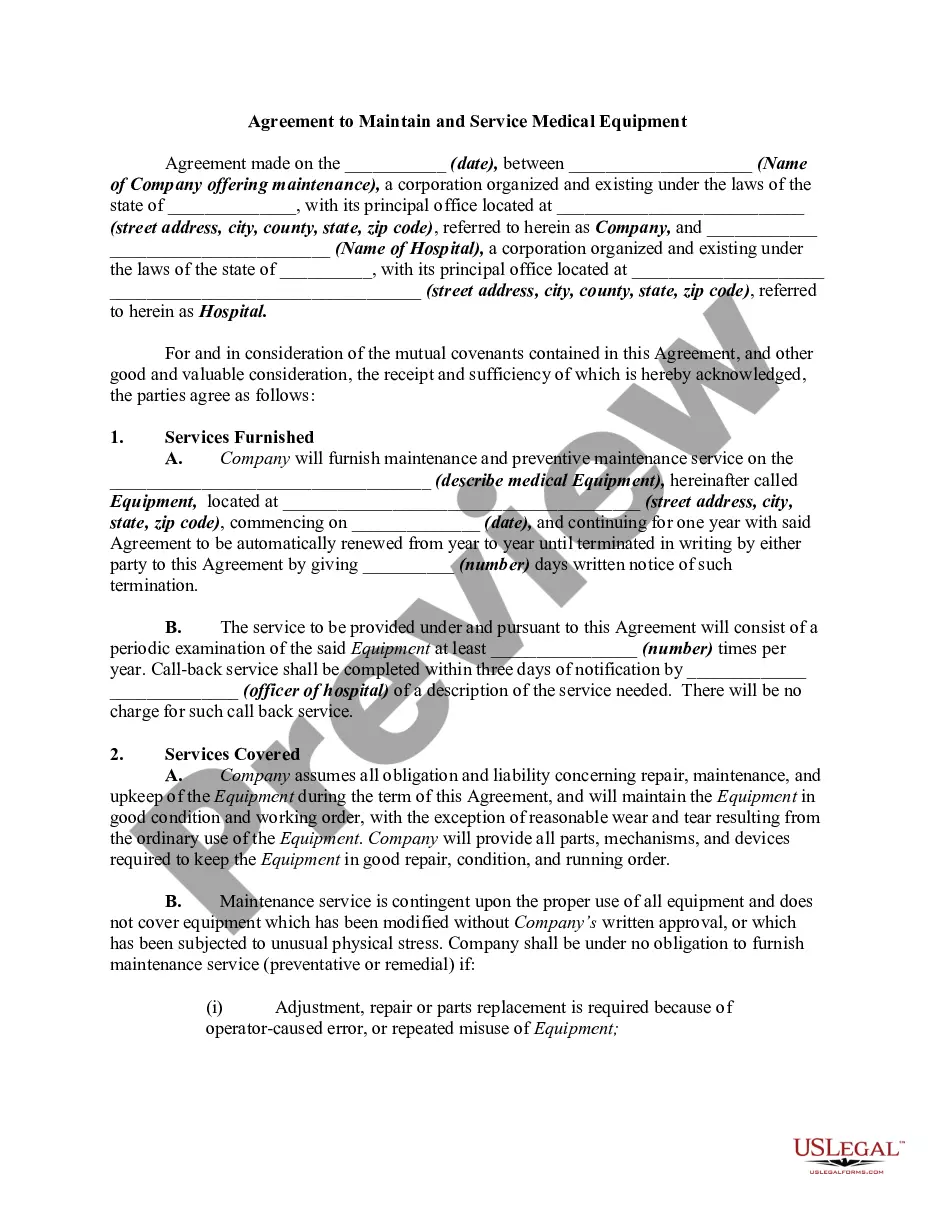
Equipment maintenance is any process used to keep a business's equipment in reliable working order. It may include routine upkeep as well as corrective repair work. Equipment may include mechanical assets, tools, heavy off-road vehicles, and computer systems.
What is equipment maintenance? Equipment maintenance is any upkeep performed on a facility's critical assets, equipment, and heavy machinery. It covers everything from corrective repairs to preventive maintenance and inspections.
Steps to creating an effective maintenance plan Detail the work that you'll need to do on each asset. Schedule the work – Use a dating frequency, running hours, or measures that will provide insight into the condition of an asset. Add workers or contractors – including the estimated working hours. Add spare parts.
Some determining factors that support maintenance planning include maintenance prioritization, condition monitoring, maintenance strategies, spare parts inventory, and maintenance schedules.
