Service Level Agreement For Equipment Maintenance In Sacramento
Description
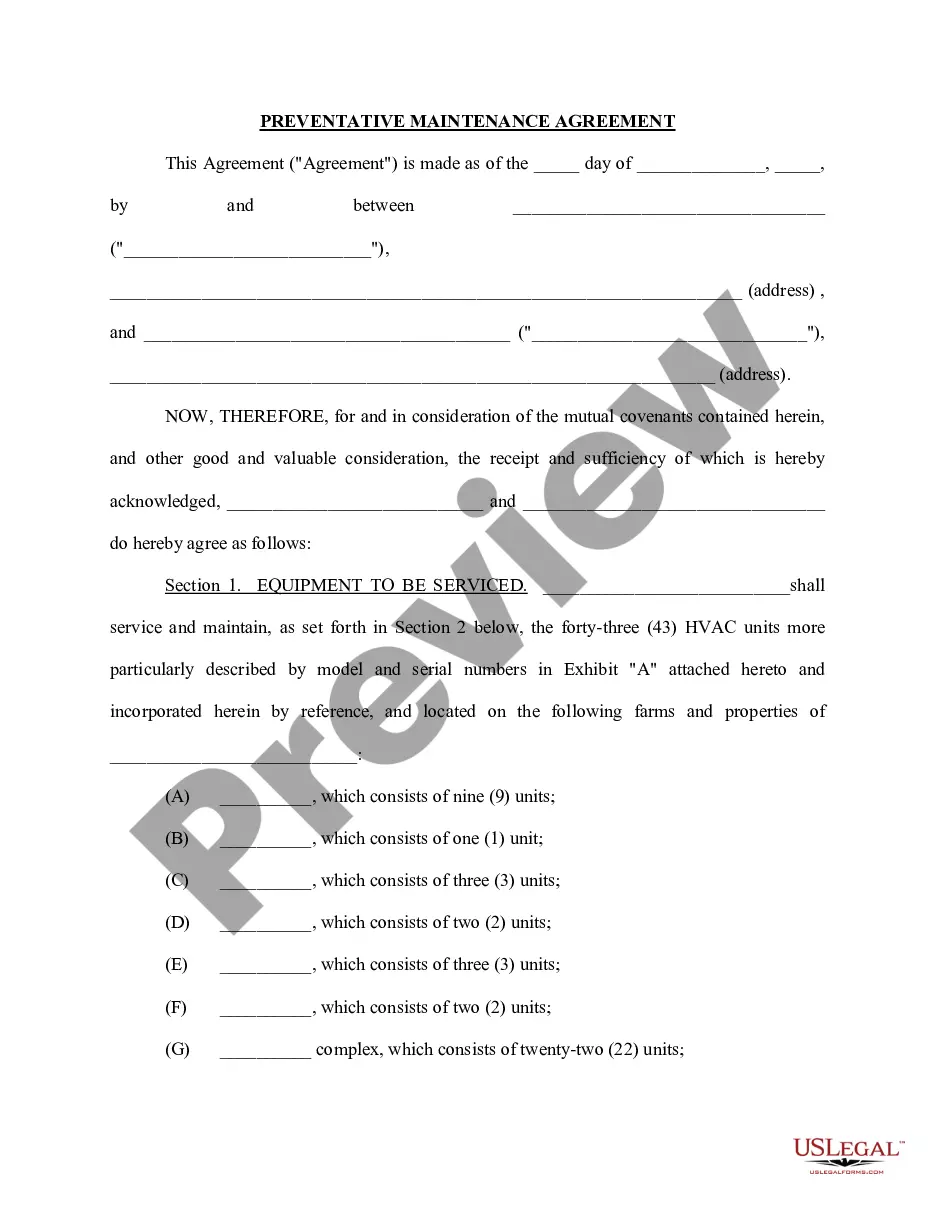
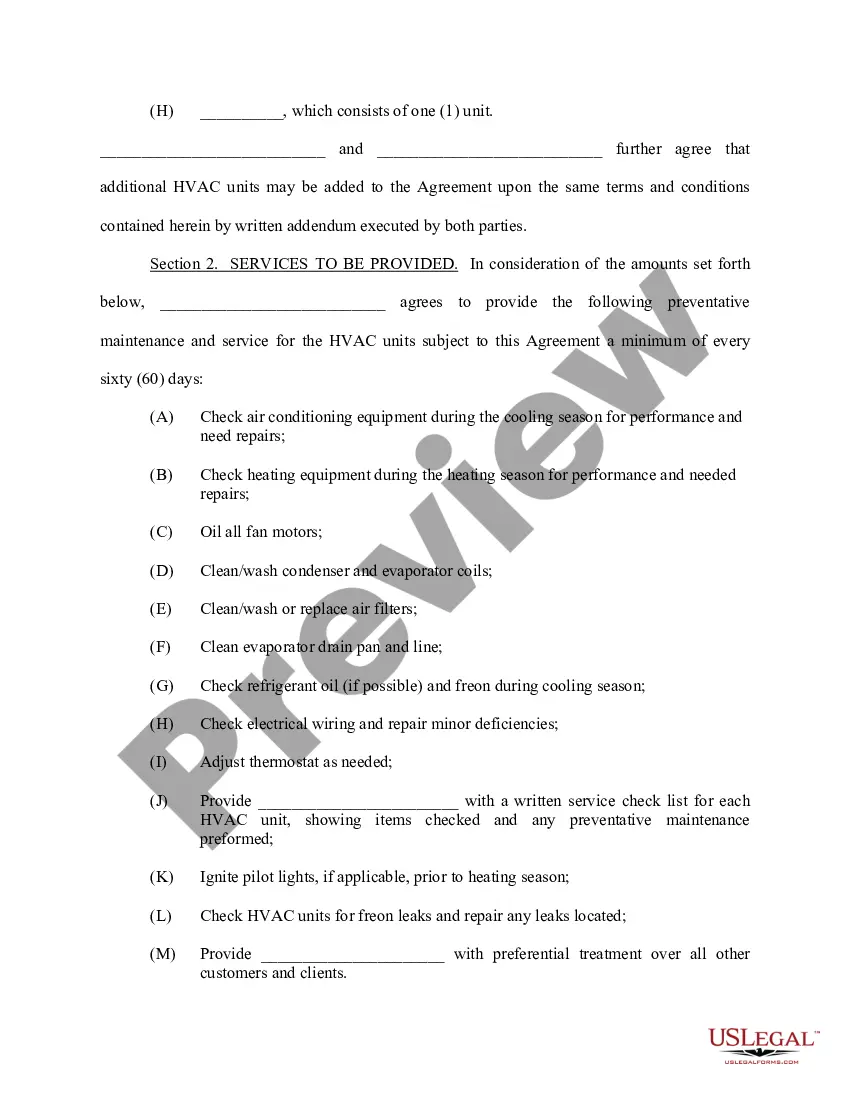
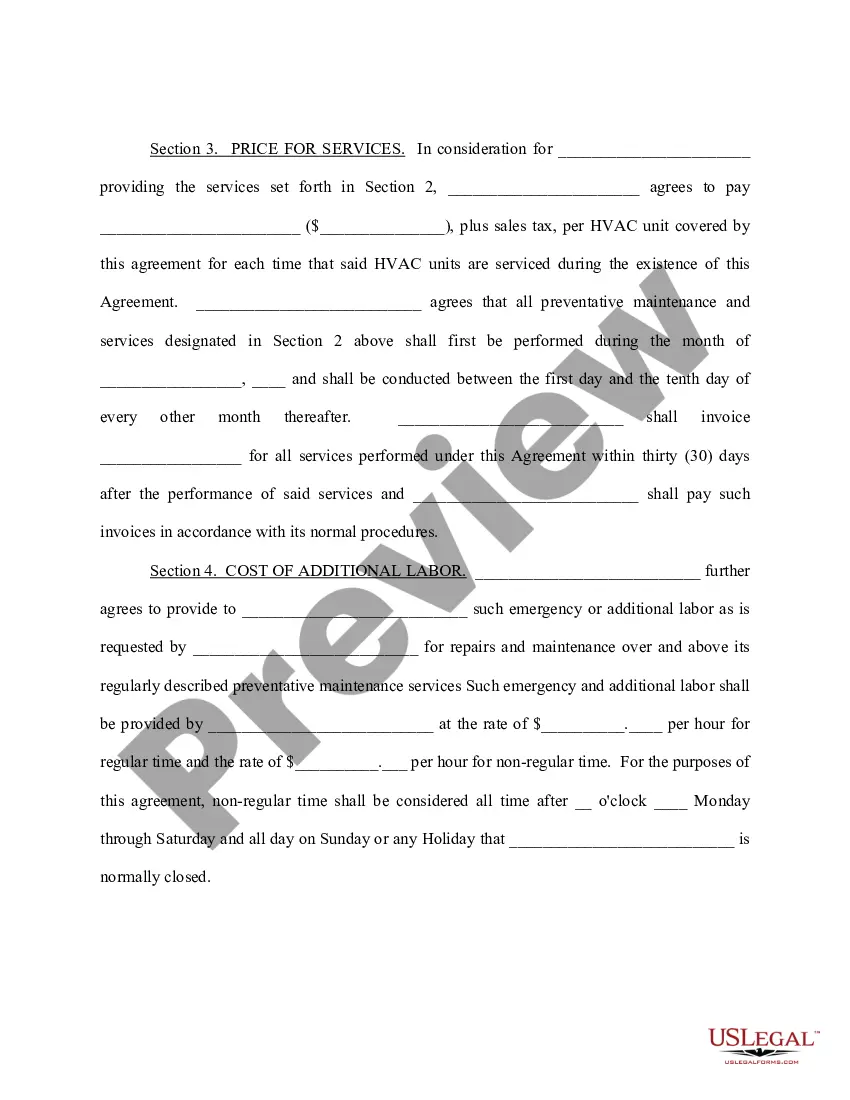
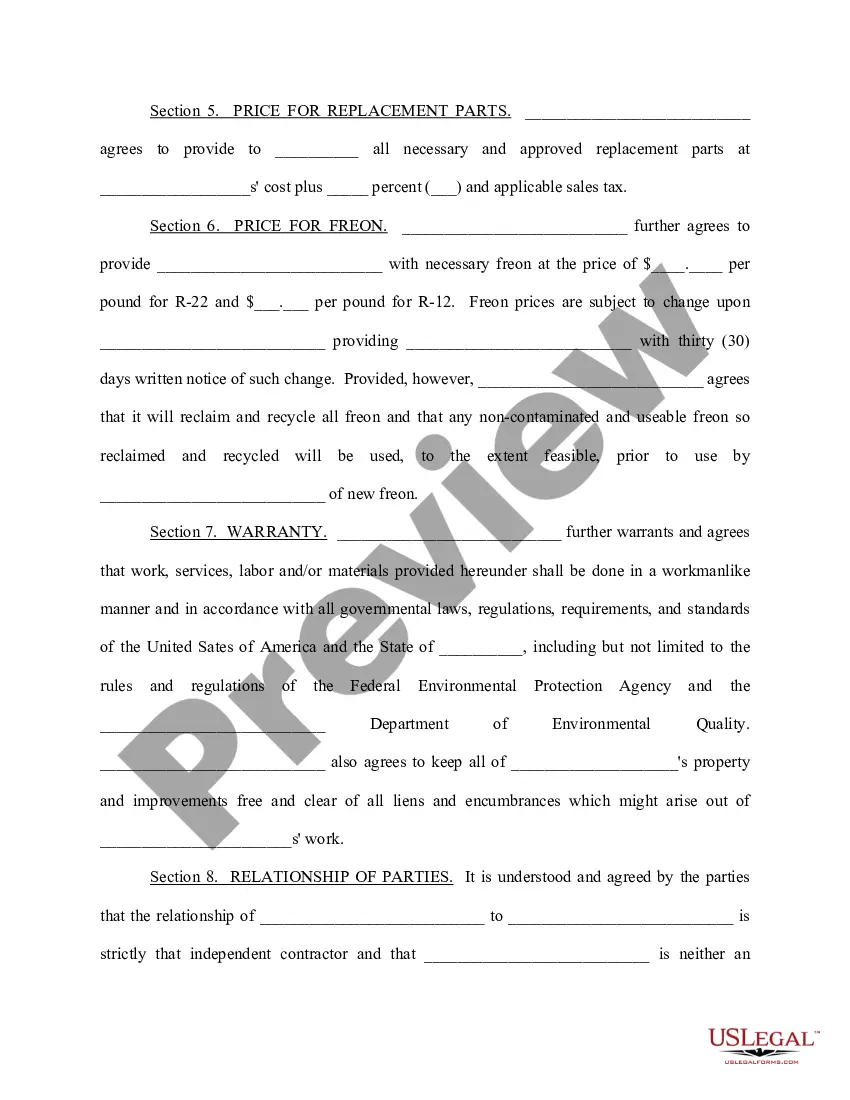
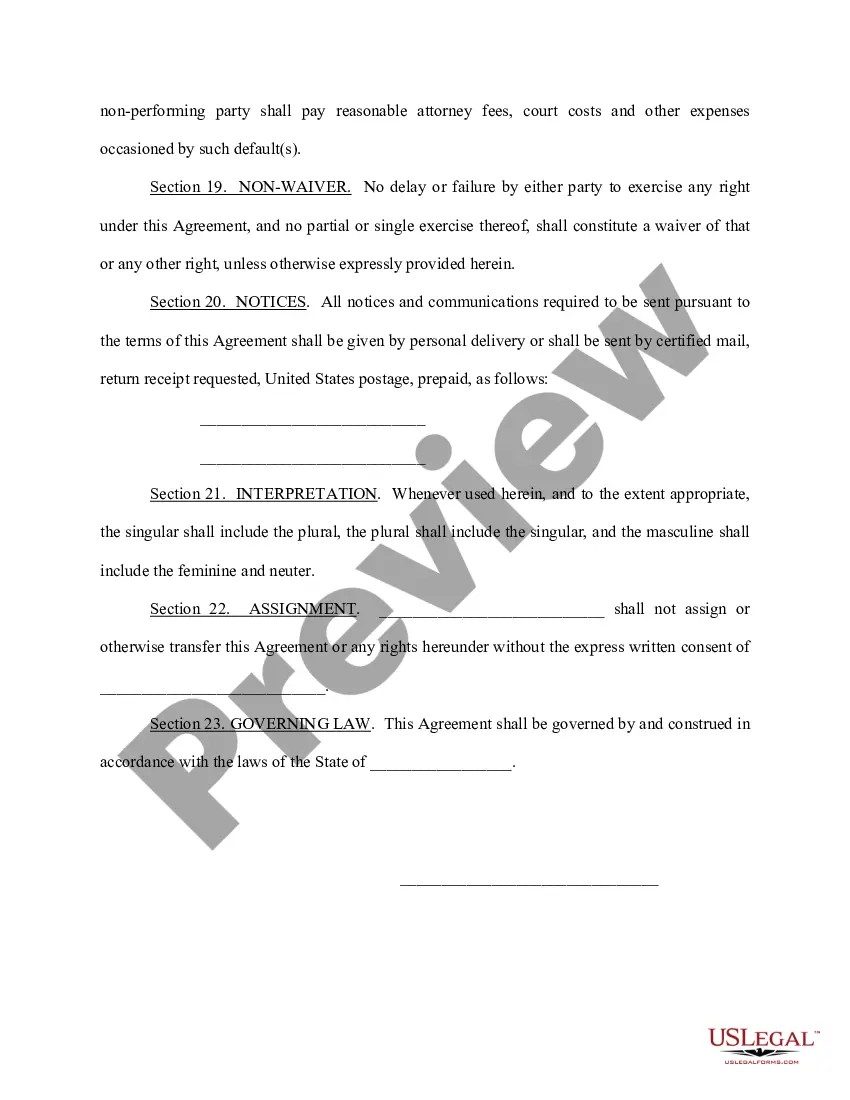
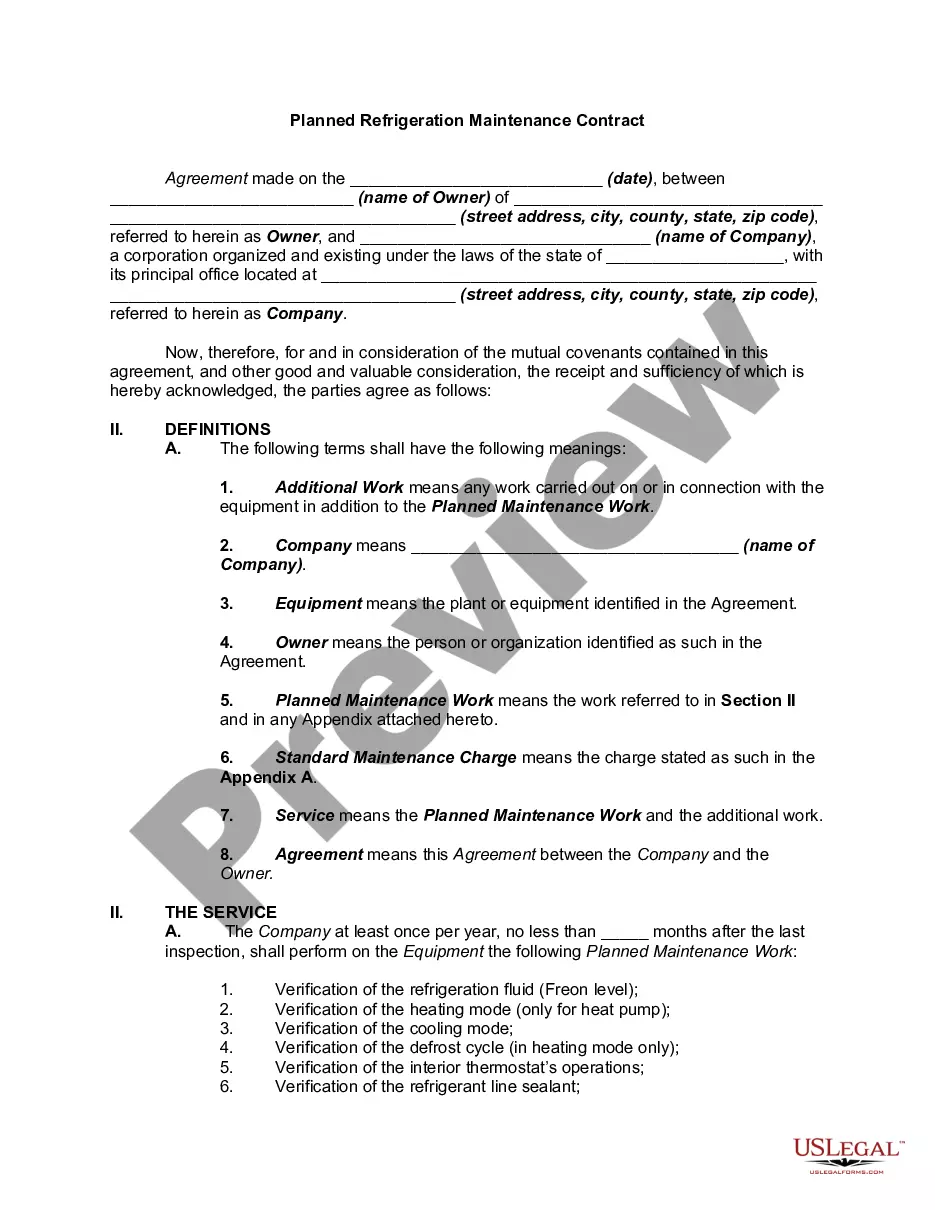
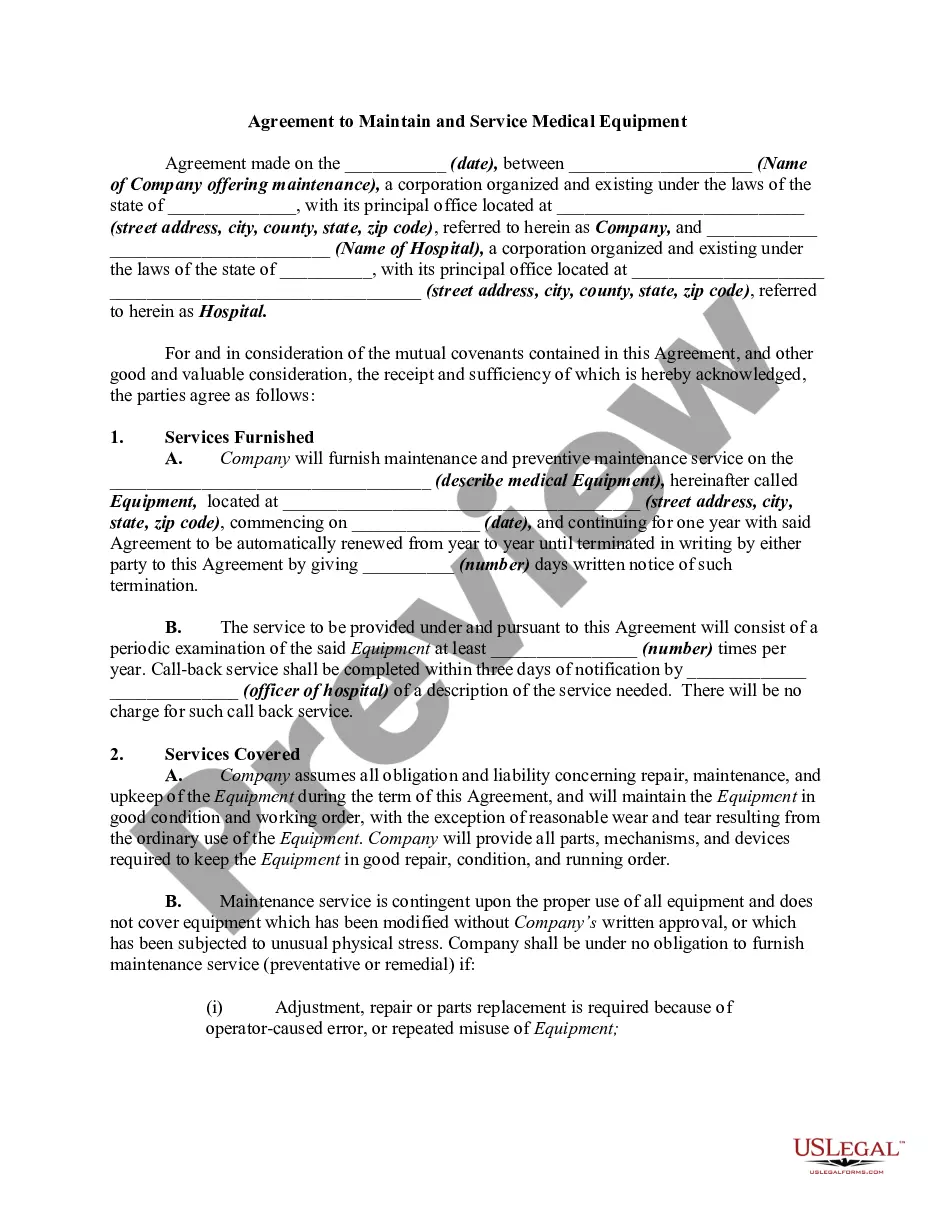
Get your form ready online
Our built-in tools help you complete, sign, share, and store your documents in one place.
Make edits, fill in missing information, and update formatting in US Legal Forms—just like you would in MS Word.
Download a copy, print it, send it by email, or mail it via USPS—whatever works best for your next step.
Sign and collect signatures with our SignNow integration. Send to multiple recipients, set reminders, and more. Go Premium to unlock E-Sign.
If this form requires notarization, complete it online through a secure video call—no need to meet a notary in person or wait for an appointment.
We protect your documents and personal data by following strict security and privacy standards.

Make edits, fill in missing information, and update formatting in US Legal Forms—just like you would in MS Word.

Download a copy, print it, send it by email, or mail it via USPS—whatever works best for your next step.

Sign and collect signatures with our SignNow integration. Send to multiple recipients, set reminders, and more. Go Premium to unlock E-Sign.

If this form requires notarization, complete it online through a secure video call—no need to meet a notary in person or wait for an appointment.

We protect your documents and personal data by following strict security and privacy standards.
Looking for another form?





Form popularity
FAQ
A service-level agreement (SLA) is a contract between a service provider and its customers that documents what services the provider will furnish and defines the service standards the provider is obligated to meet.
The first step in preparing to write an SLA is to identify the stakeholders involved. This will typically include the service provider, the client or customer, and any other parties who have a stake in the service being provided.
How to write a service level agreement in 5 steps Define the service. Your SLA will need to define and outline the service clearly. Verify service levels. Determine performance metrics. Prepare the service level agreement document. Review the SLA with all stakeholders.
For example, a company can draw up an internal service-level agreement between its sales department and its marketing team. This SLA might specify that marketing needs to provide a certain number of leads to sales per month to reach its quota.
SLA formula: (365 - {downtime days}) / 365 100 = SLA where 365 is 365 days which translates to yearly 24/7 service uptime.
Our SLA life cycle is made of five phases ( Figure 2): Negotiation, Implementation, Monitoring, Remediation and Renegotiation.
A service-level agreement (SLA) defines the level of service expected from a vendor, laying out metrics by which service is measured, as well as remedies should service levels not be achieved.
How to write a service level agreement in 5 steps Define the service. Your SLA will need to define and outline the service clearly. Verify service levels. Determine performance metrics. Prepare the service level agreement document. Review the SLA with all stakeholders.
SLA stands for service level agreement. It refers to a document that outlines a commitment between a service provider and a client, including details of the service, the standards the provider must adhere to, and the metrics to measure the performance. Typically, it is IT companies that use service-level agreements.
