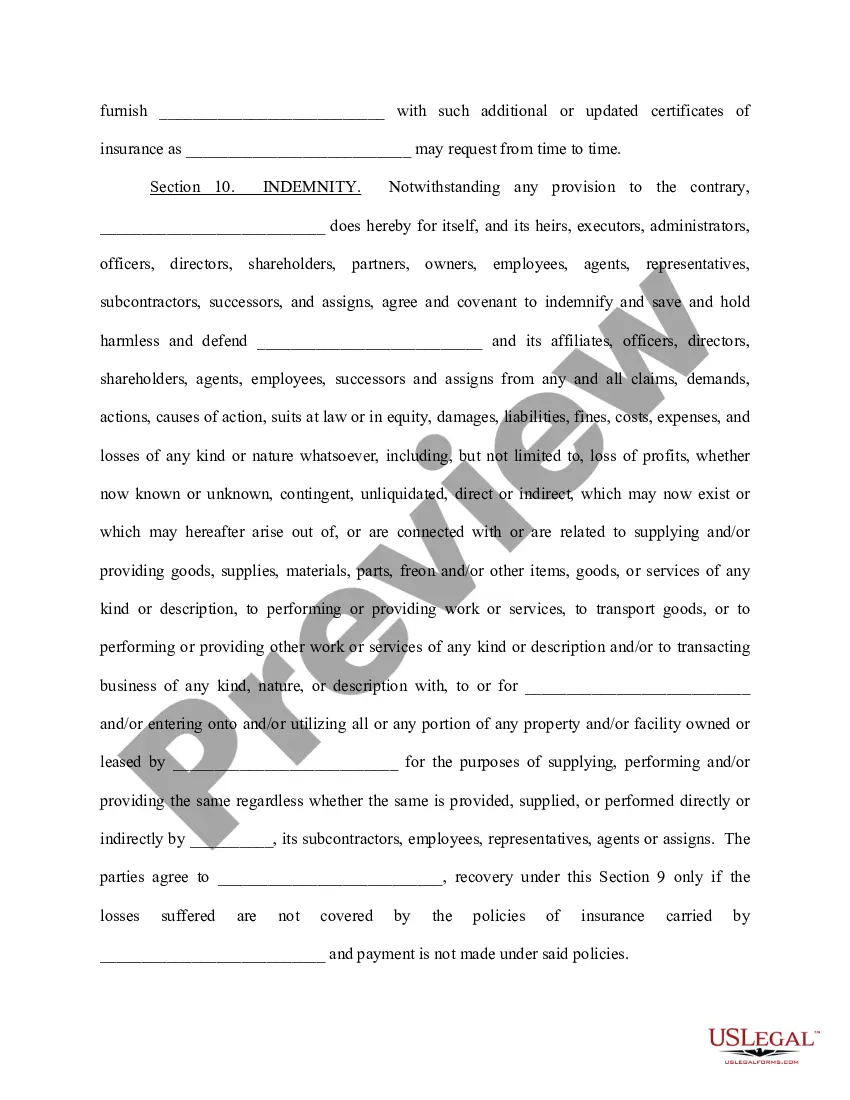
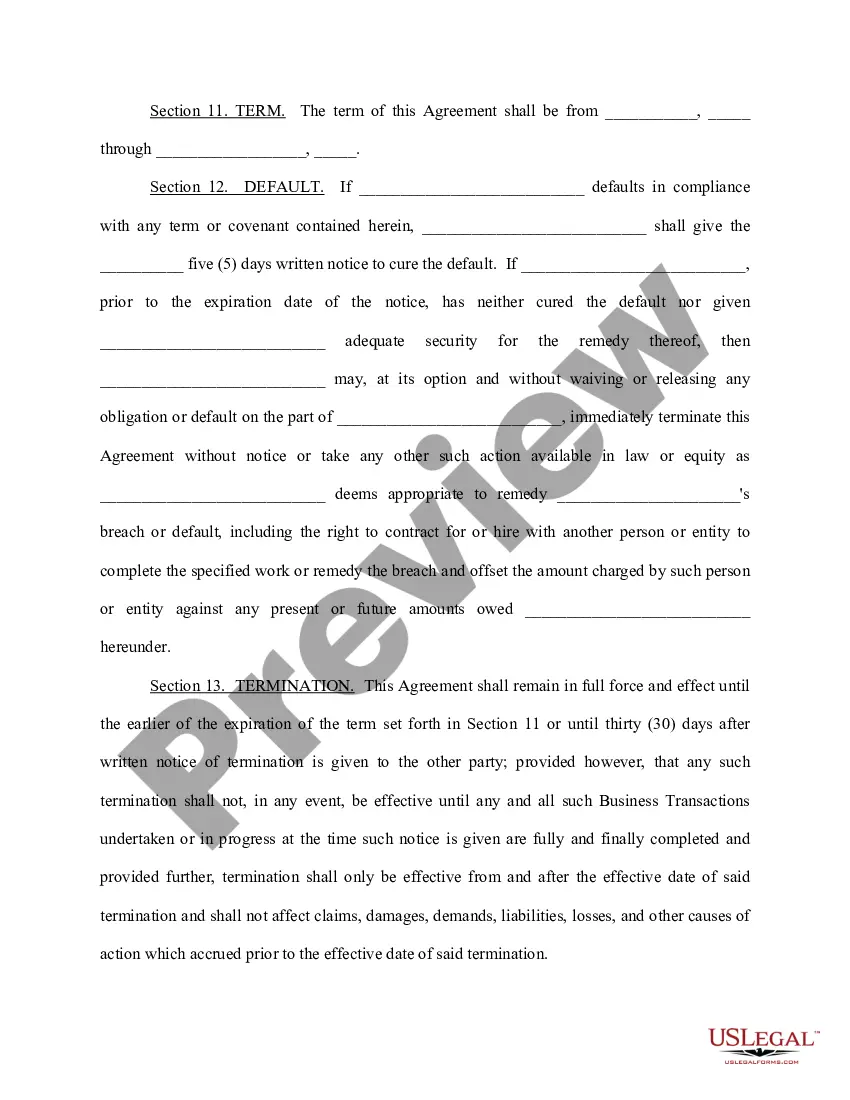
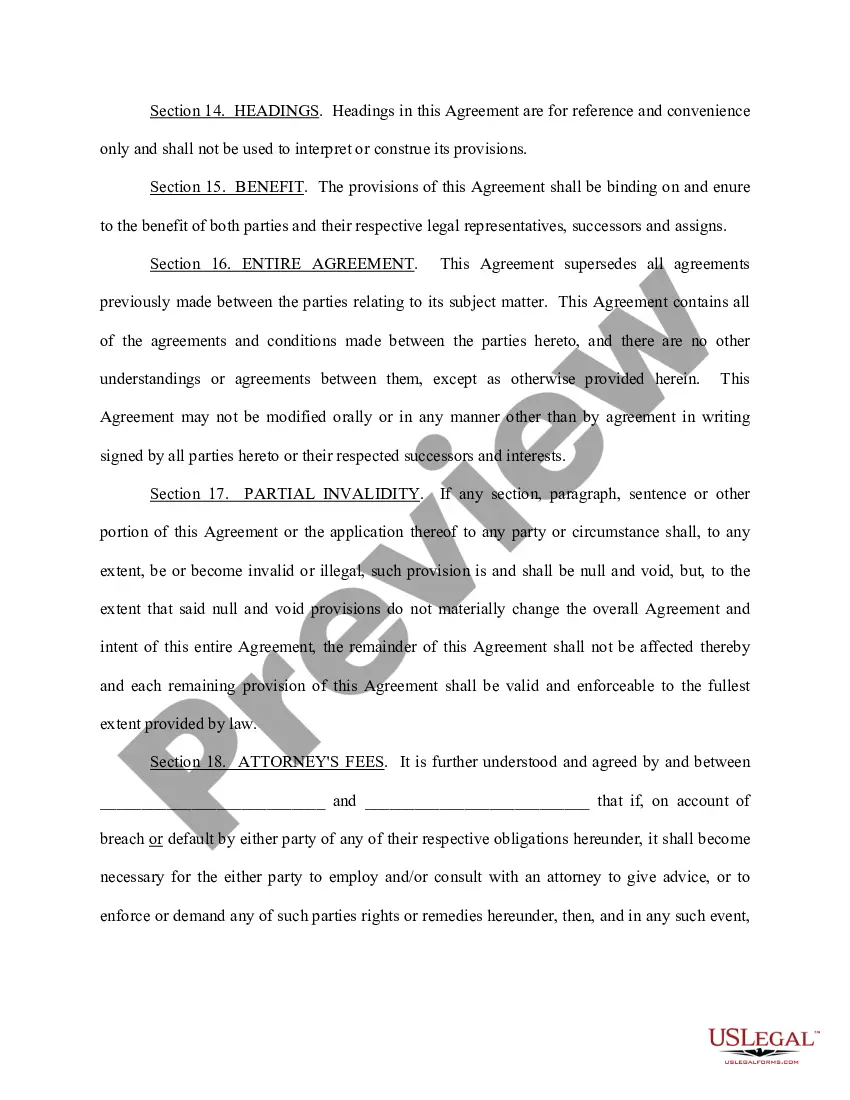
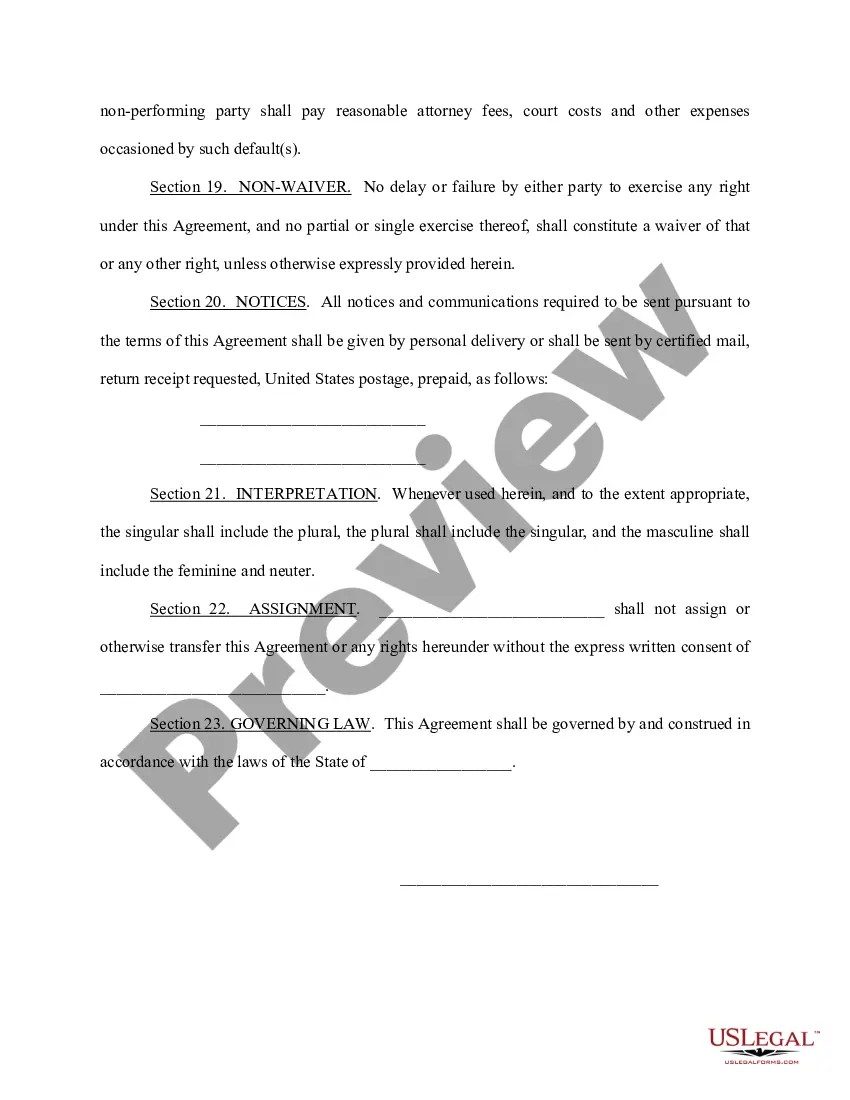
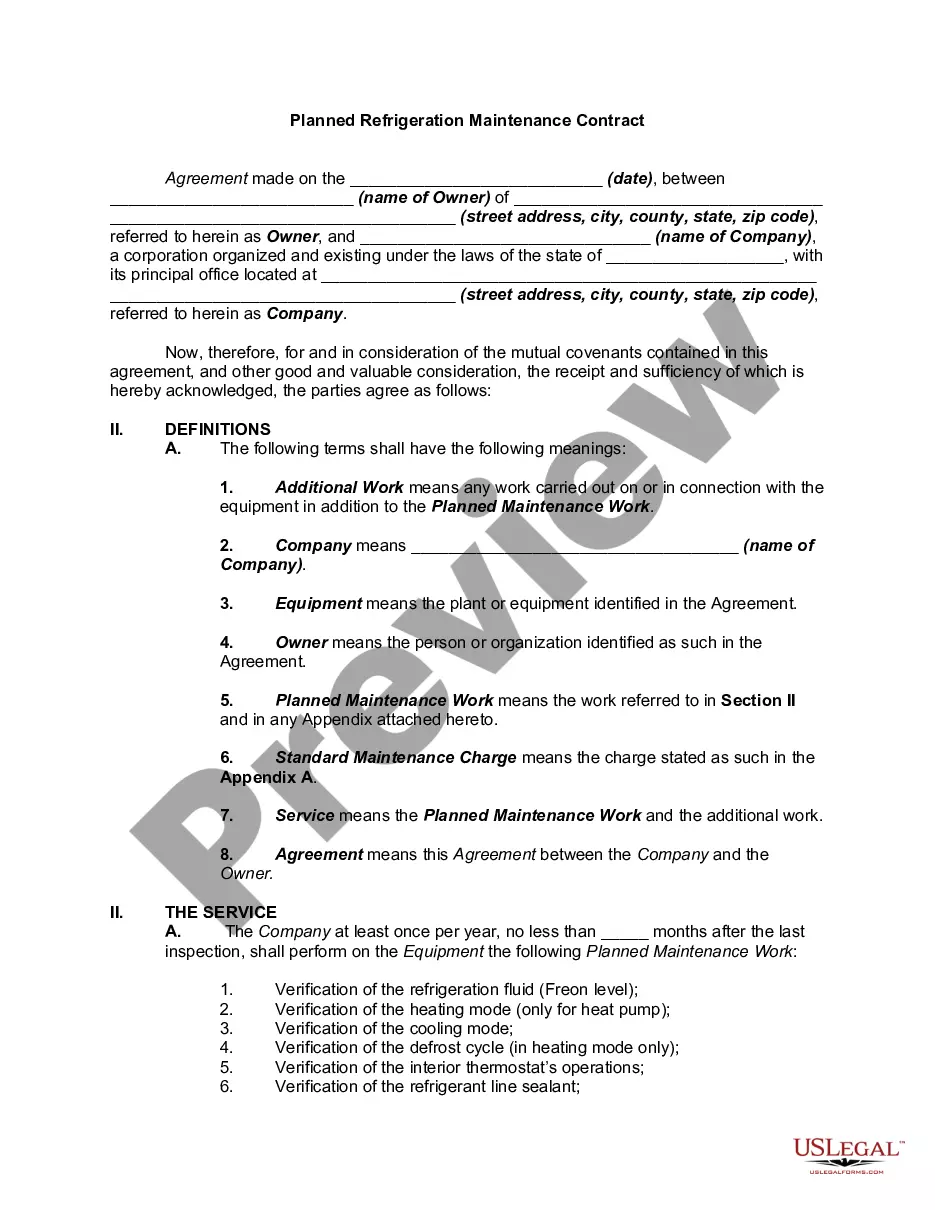
Hvac Service Agreement Template Format In Queens
Description

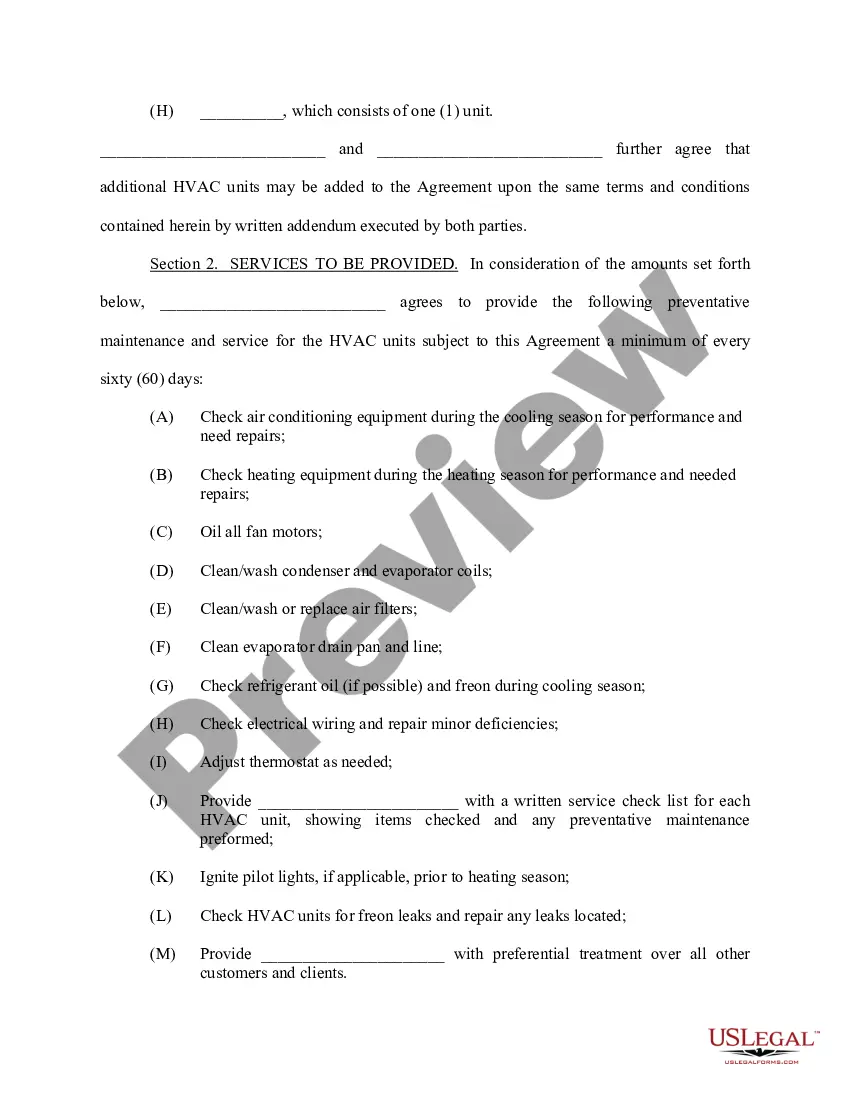
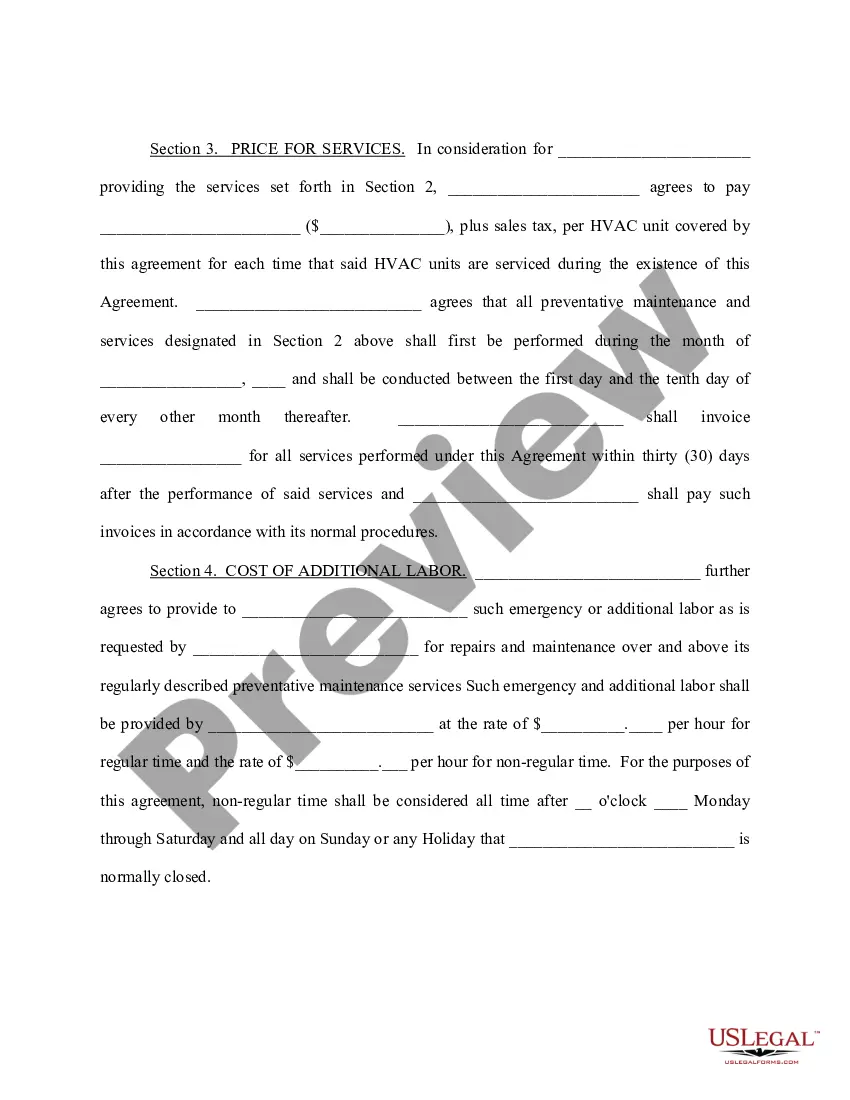
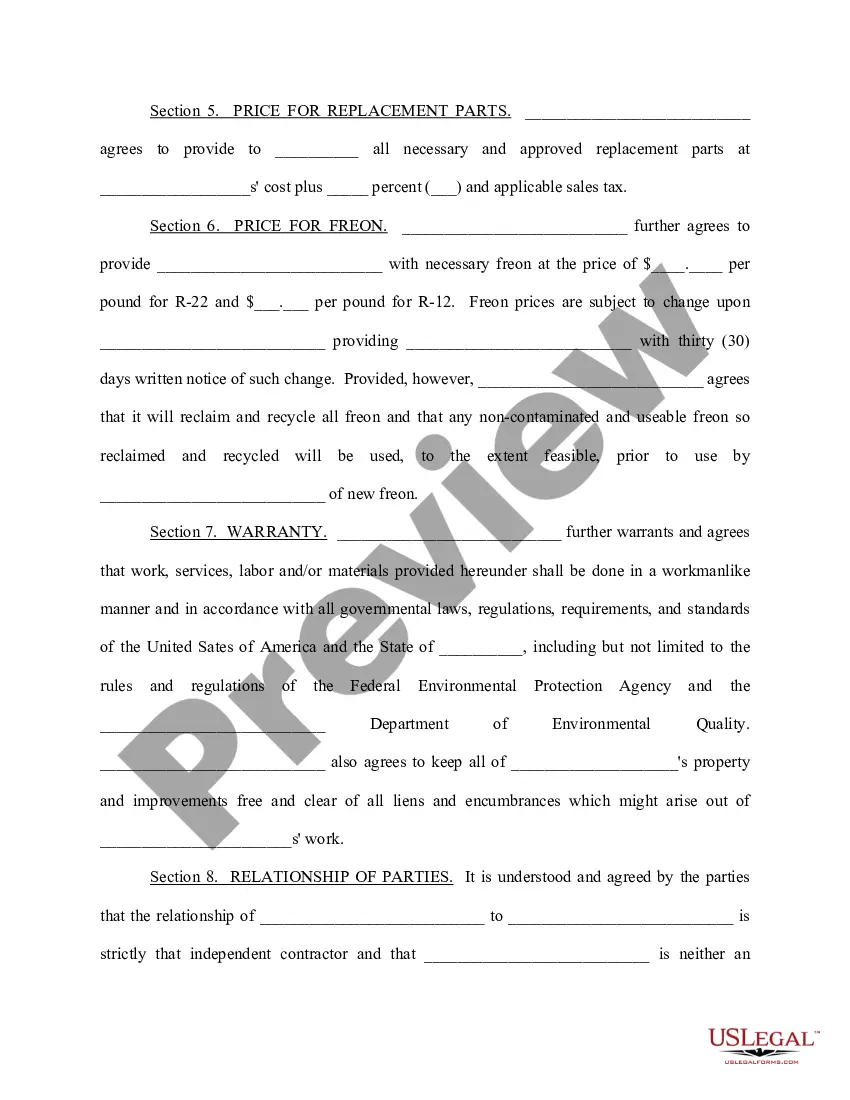
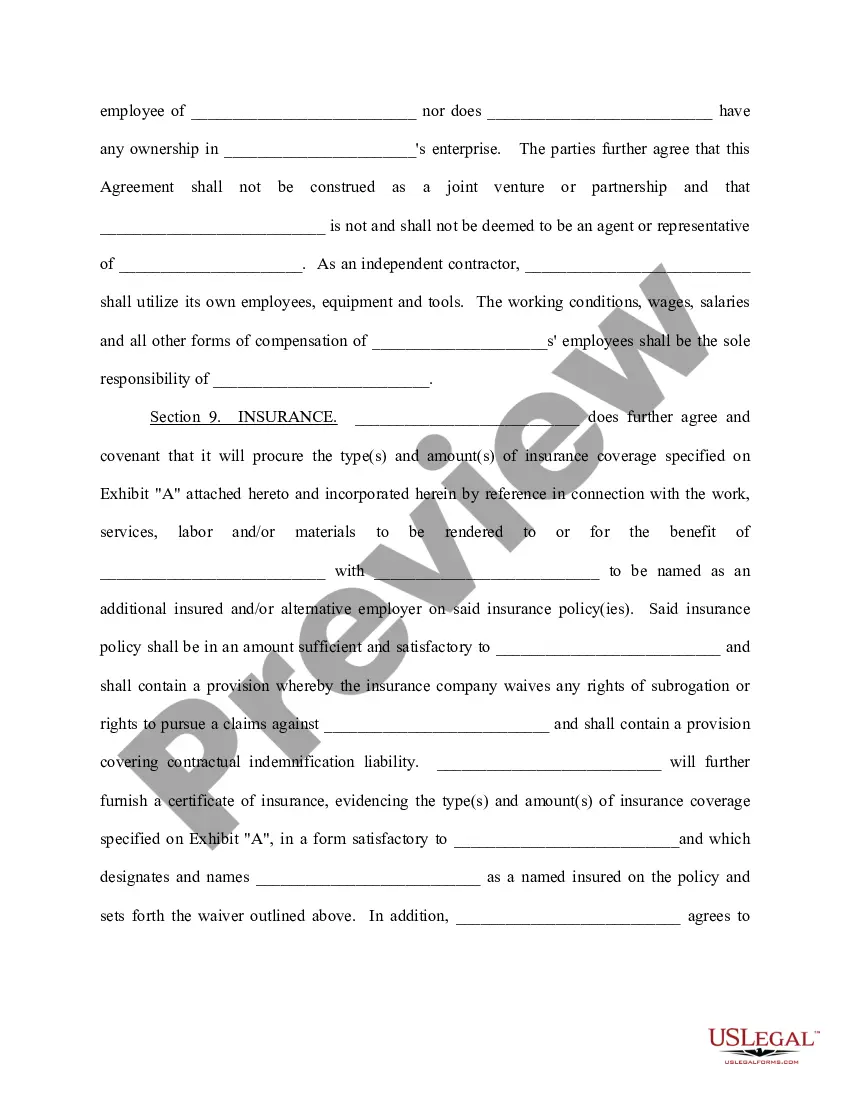
Get your form ready online
Our built-in tools help you complete, sign, share, and store your documents in one place.
Make edits, fill in missing information, and update formatting in US Legal Forms—just like you would in MS Word.
Download a copy, print it, send it by email, or mail it via USPS—whatever works best for your next step.
Sign and collect signatures with our SignNow integration. Send to multiple recipients, set reminders, and more. Go Premium to unlock E-Sign.
If this form requires notarization, complete it online through a secure video call—no need to meet a notary in person or wait for an appointment.
We protect your documents and personal data by following strict security and privacy standards.

Make edits, fill in missing information, and update formatting in US Legal Forms—just like you would in MS Word.

Download a copy, print it, send it by email, or mail it via USPS—whatever works best for your next step.

Sign and collect signatures with our SignNow integration. Send to multiple recipients, set reminders, and more. Go Premium to unlock E-Sign.

If this form requires notarization, complete it online through a secure video call—no need to meet a notary in person or wait for an appointment.

We protect your documents and personal data by following strict security and privacy standards.
Looking for another form?








Form popularity
FAQ
HVAC service agreements are designed to spot potential system weaknesses before they cause shutdowns. With a service provider regularly inspecting and servicing your HVAC equipment, potential hazards can be identified and remedied swiftly, ensuring business operations are safeguarded from HVAC-related disruptions.
It can be gauged from the above discussion that not only are warranty and service contracts different, they also have different uses and purposes. One usually provides for coverage of manufacturing and workmanship defects, while the other provides for wide ranging defects and sometimes even for damage to the device.
A service-level agreement (SLA) defines the level of service expected from a vendor, laying out metrics by which service is measured, as well as remedies should service levels not be achieved. It is a critical component of any technology vendor contract.
A service level agreement (SLA) is a contract between a service provider and a customer that defines the service to be provided and the level of performance to be expected. An SLA also describes how performance will be measured and approved, and what happens if performance levels are not met.
These maintenance agreements are typically made between an HVAC company and homeowners or businesses. In most cases, the maintenance agreement is simply a verbal or written understanding between the HVAC company and the customer.
How do I write a Service Agreement? State how long the services are needed. Include the state where the work is taking place. Provide the contractor's and client's information. Describe the service being provided. Outline the compensation. State the agreement's terms. Include any additional clauses.
