Equipment Maintenance Policy In Georgia
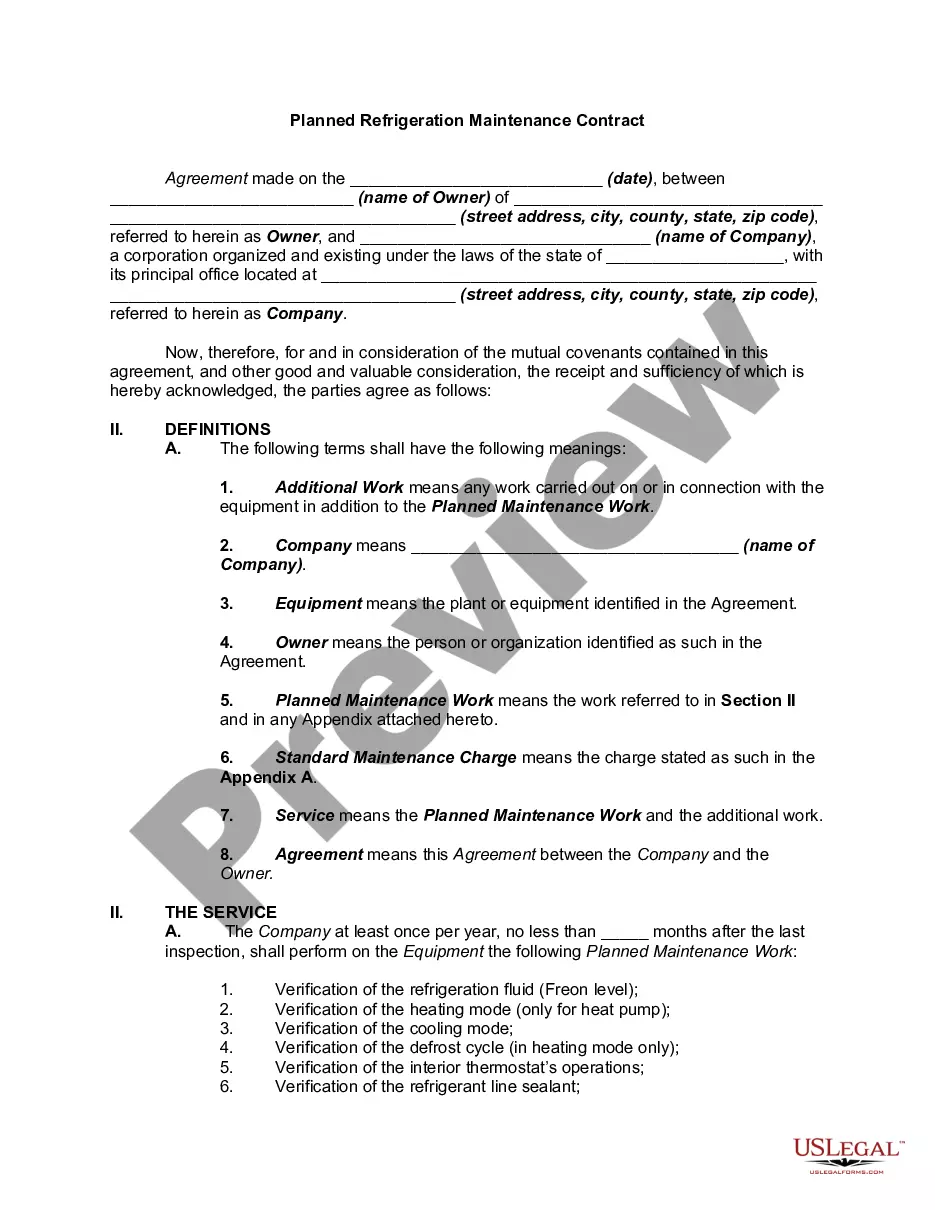
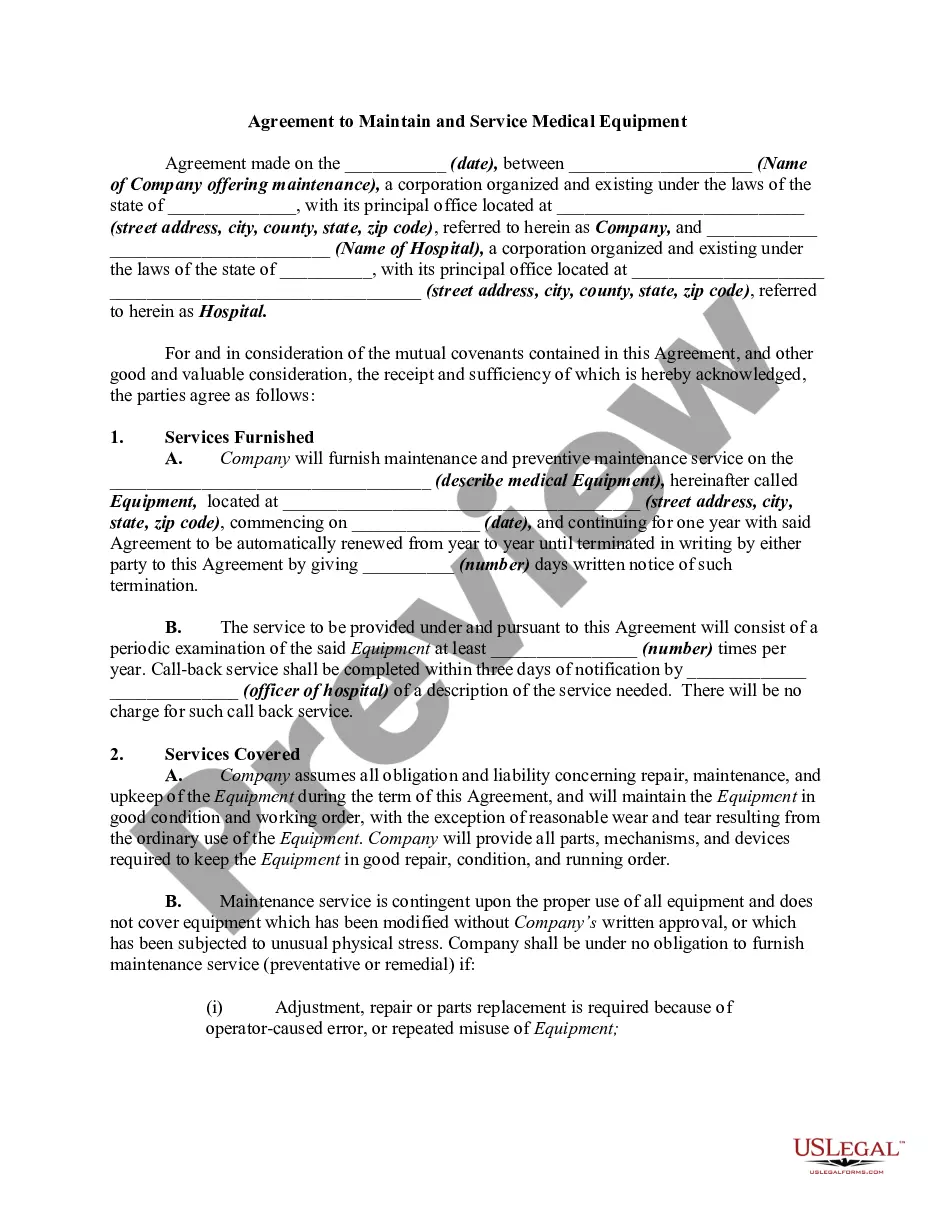
Description

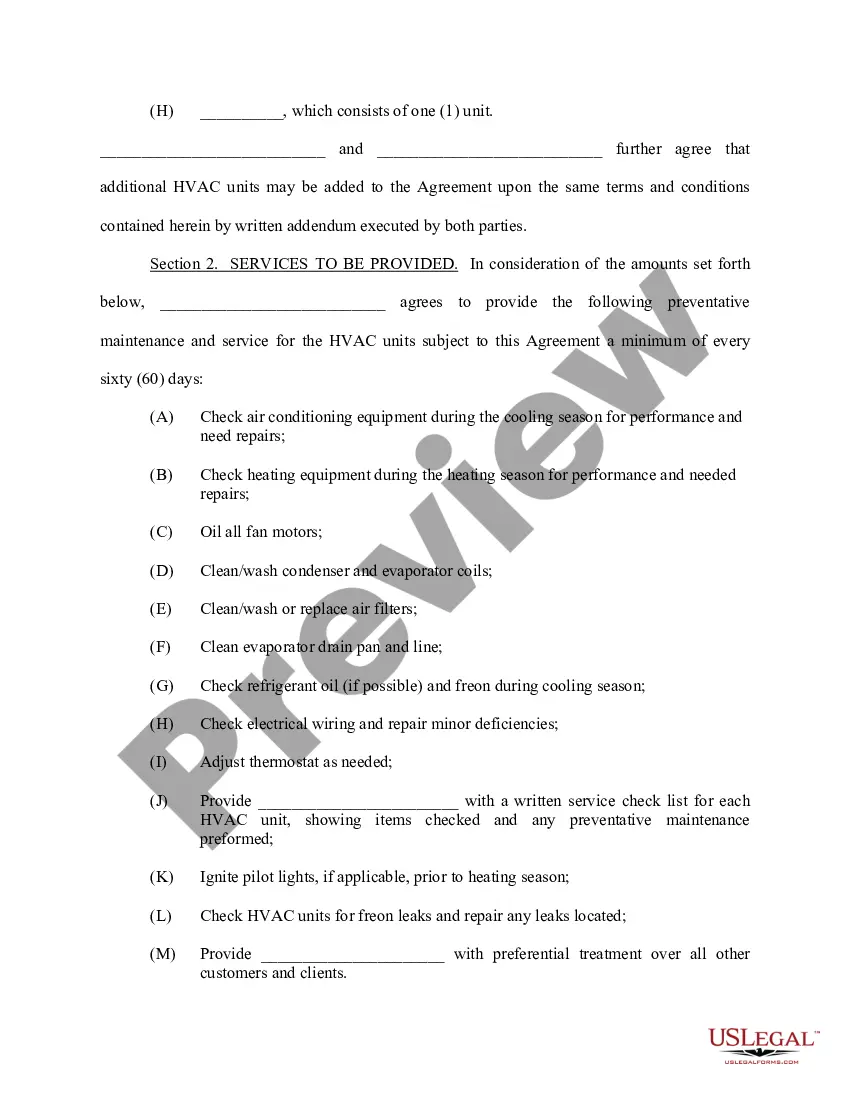
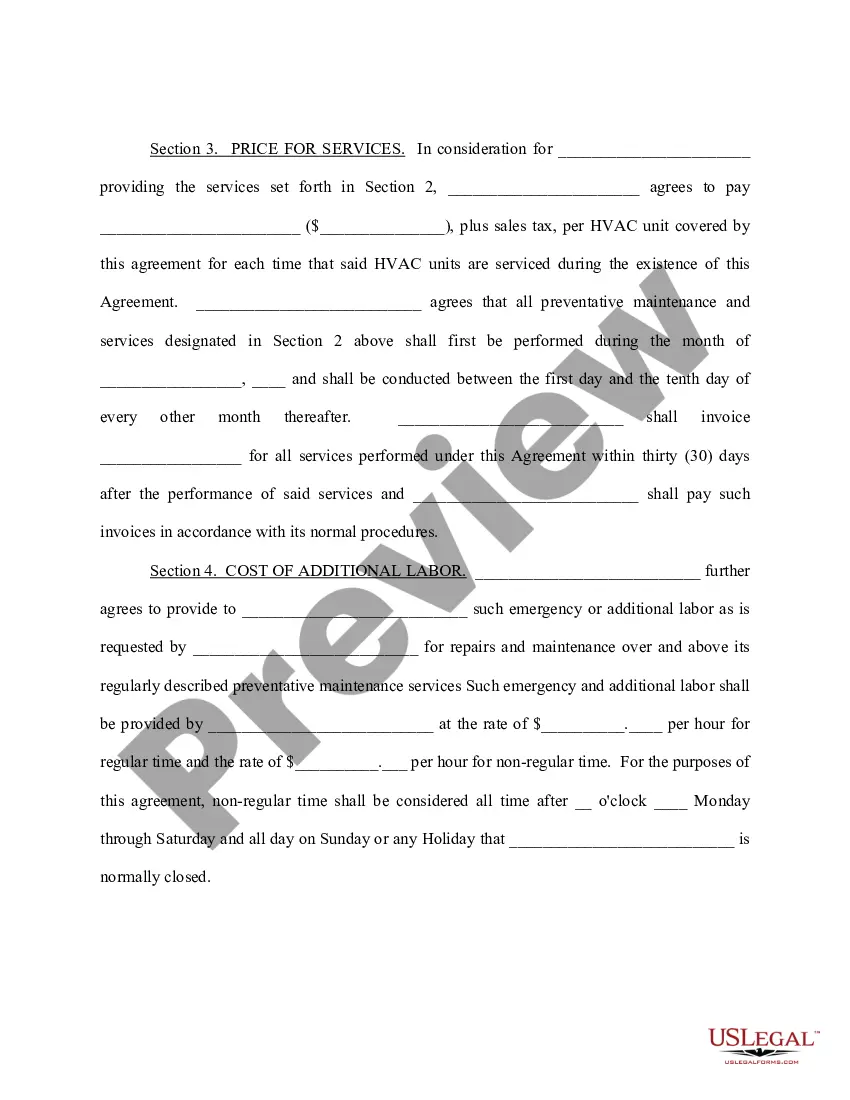
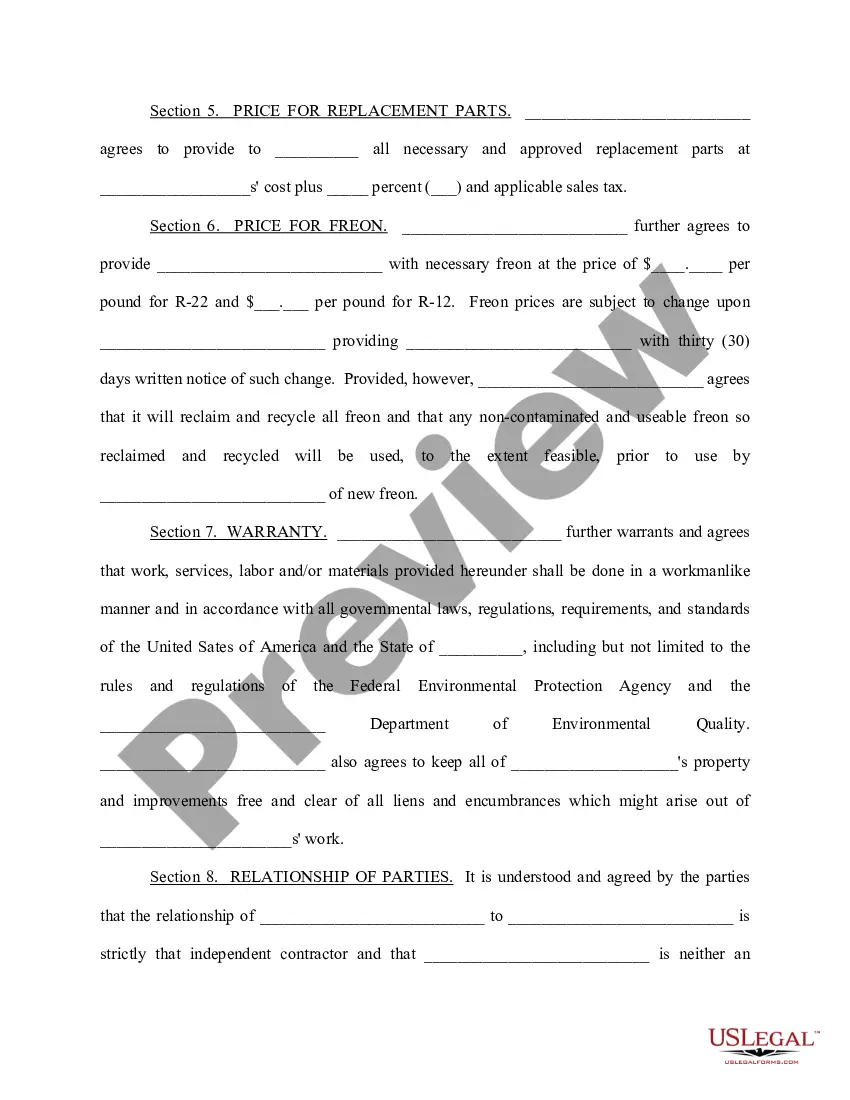
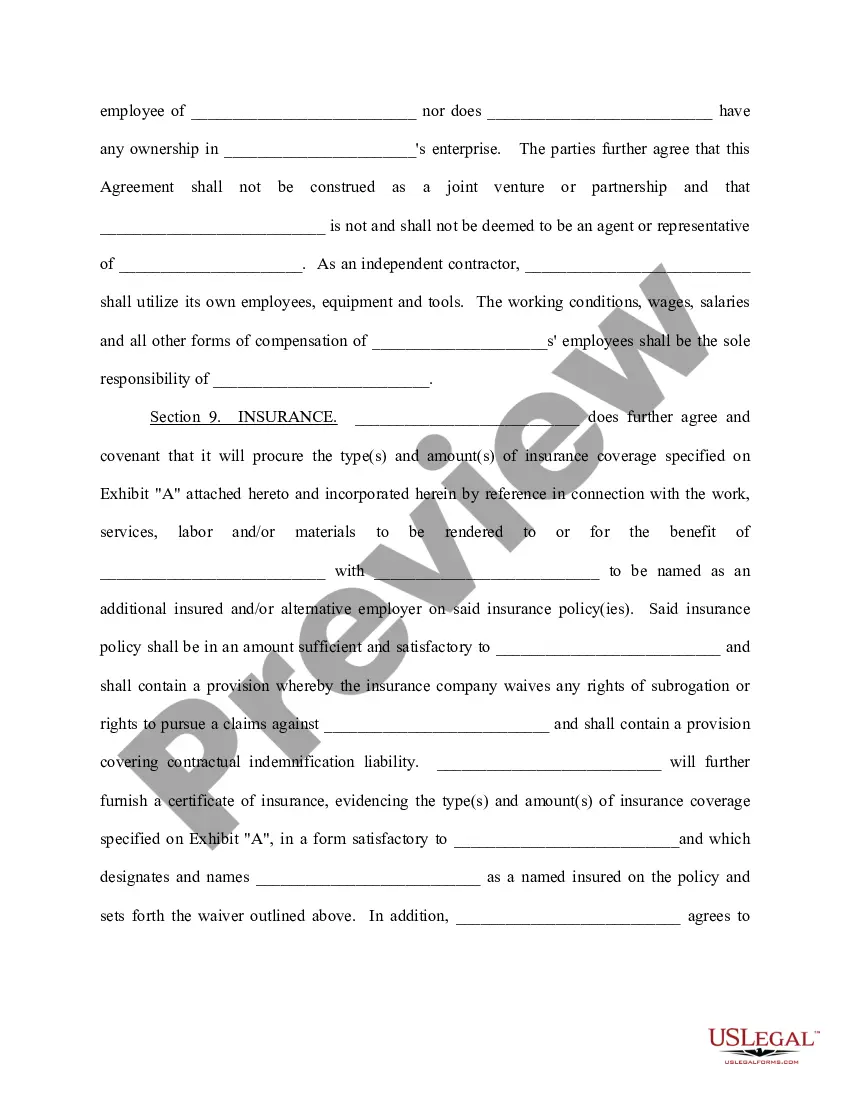
Get your form ready online
Our built-in tools help you complete, sign, share, and store your documents in one place.
Make edits, fill in missing information, and update formatting in US Legal Forms—just like you would in MS Word.
Download a copy, print it, send it by email, or mail it via USPS—whatever works best for your next step.
Sign and collect signatures with our SignNow integration. Send to multiple recipients, set reminders, and more. Go Premium to unlock E-Sign.
If this form requires notarization, complete it online through a secure video call—no need to meet a notary in person or wait for an appointment.
We protect your documents and personal data by following strict security and privacy standards.

Make edits, fill in missing information, and update formatting in US Legal Forms—just like you would in MS Word.

Download a copy, print it, send it by email, or mail it via USPS—whatever works best for your next step.

Sign and collect signatures with our SignNow integration. Send to multiple recipients, set reminders, and more. Go Premium to unlock E-Sign.

If this form requires notarization, complete it online through a secure video call—no need to meet a notary in person or wait for an appointment.

We protect your documents and personal data by following strict security and privacy standards.
Looking for another form?








Form popularity
FAQ
Craig Landolt - Georgia State Fire Marshal - Georgia Office of Insurance and Safety Fire Commissioner | LinkedIn.
How to Get a Fire Marshal Inspection Reach out to their local fire inspection authority. Inquire about the fire inspection requirements. Schedule an inspection appointment. Prepare for the fire marshal inspection by complying with the safety regulations and codes. Be present and cooperative on the day of the fire inspection.
Fire inspectors are authorized by law to conduct inspections to identify potential fire hazards, ensure compliance with fire codes, and verify that fire safety systems are in place and functioning correctly.
Copies of full Fire Marshal Investigation Reports may only be requested through NYC OpenRecords. Please note that those requests may require significantly more time to fulfill. only when the release would not otherwise interfere with judicial proceedings. A copy of the report is enclosed.
A few things a fire marshal may inspect include your building's fire sprinkler system, electrical outlets, storage of hazardous materials, number of portable fire extinguishers, and the clearance of the entrance and exit to your building.
Usually, a fire investigation takes a minimum of a few days, going up to a few months, or even longer. It all depends on several factors. These include the number of witnesses, how big the fire is, the loss of life, and property. They could also look at the angle of suspicious activity if there is any.
How to Create a Preventive Maintenance Schedule Step 1: Prioritize Assets by Maintenance Needs. Step 2: Identify a schedule based on maintenance triggers. Step 3: Prioritize maintenance tasks. Step 4: Assign responsibility for maintenance tasks. Step 5: Document work with preventive maintenance checklists.
Key Steps in Developing a Maintenance Policy Define Objectives and Goals. Assess Assets and Maintenance Requirements. Identify Maintenance Tasks and Frequencies. Assign Roles and Responsibilities. Establish Performance Metrics.
10 Steps to Create a Comprehensive Facility Maintenance Plan Step 1: Conduct a Facility Audit. Step 2: Define Maintenance Tasks. Step 3: Prioritize Maintenance Activities. Step 4: Schedule Maintenance Tasks. Step 5: Allocate Resources. Step 6: Implement the Plan. Step 7: Implement Health, Safety, and Environmental Protocols.
Steps to creating an effective maintenance plan Detail the work that you'll need to do on each asset. Schedule the work – Use a dating frequency, running hours, or measures that will provide insight into the condition of an asset. Add workers or contractors – including the estimated working hours. Add spare parts.
