Service Level Agreement For Equipment Maintenance In Fulton
Description
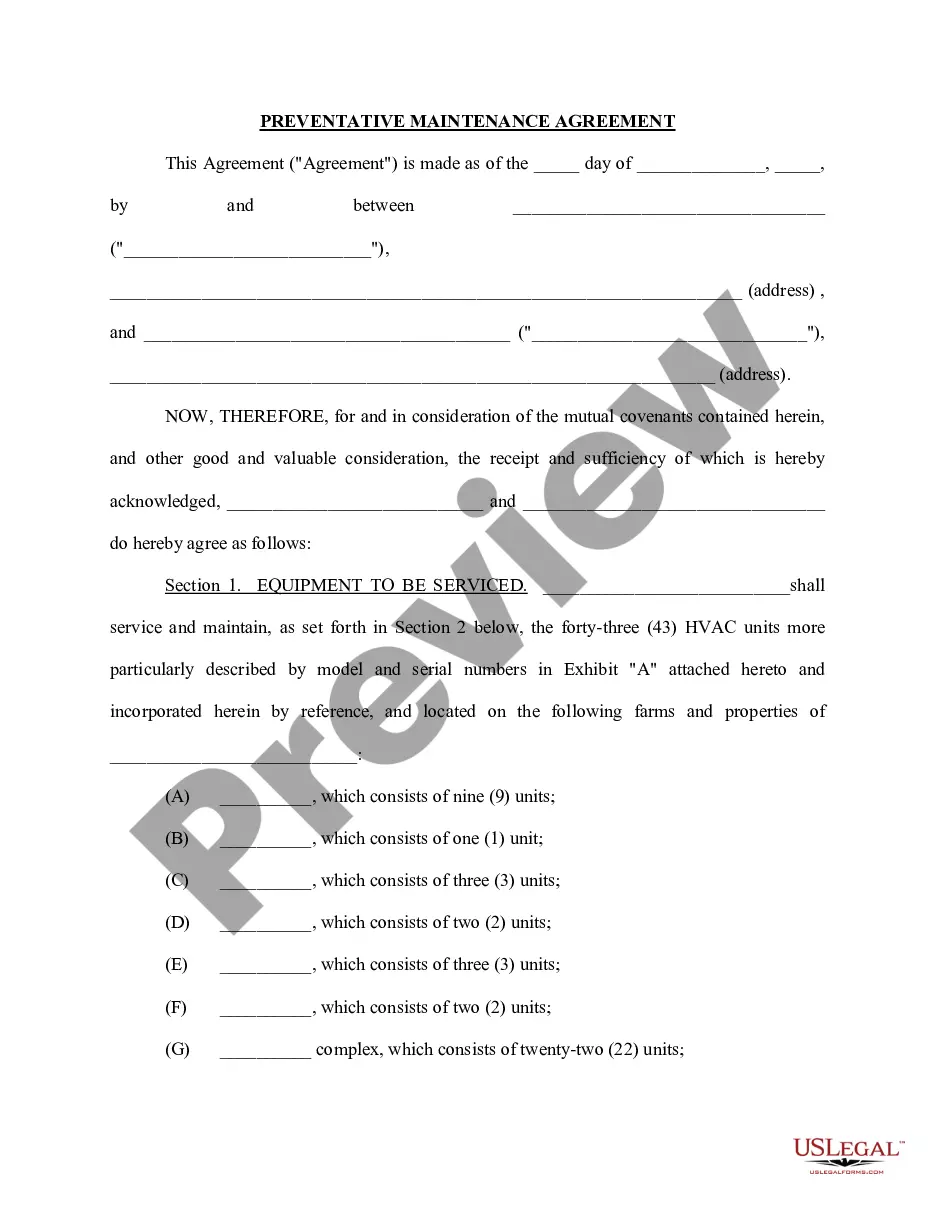
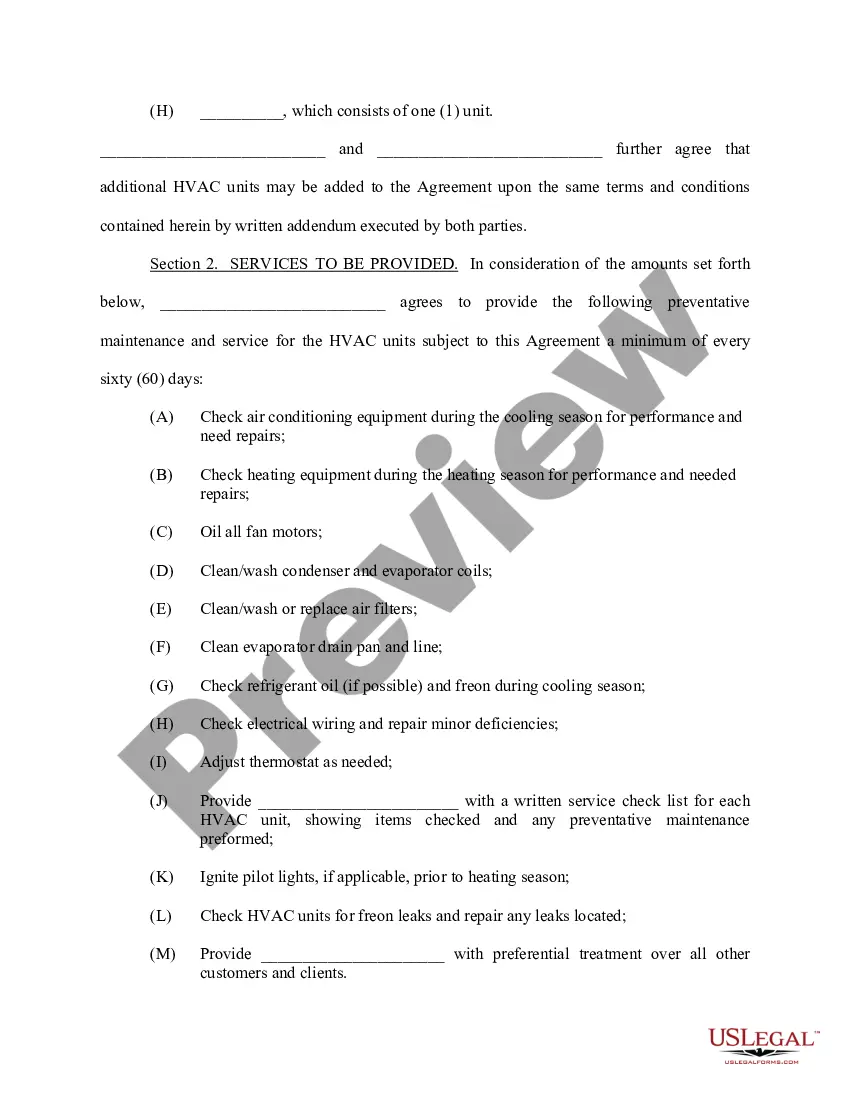
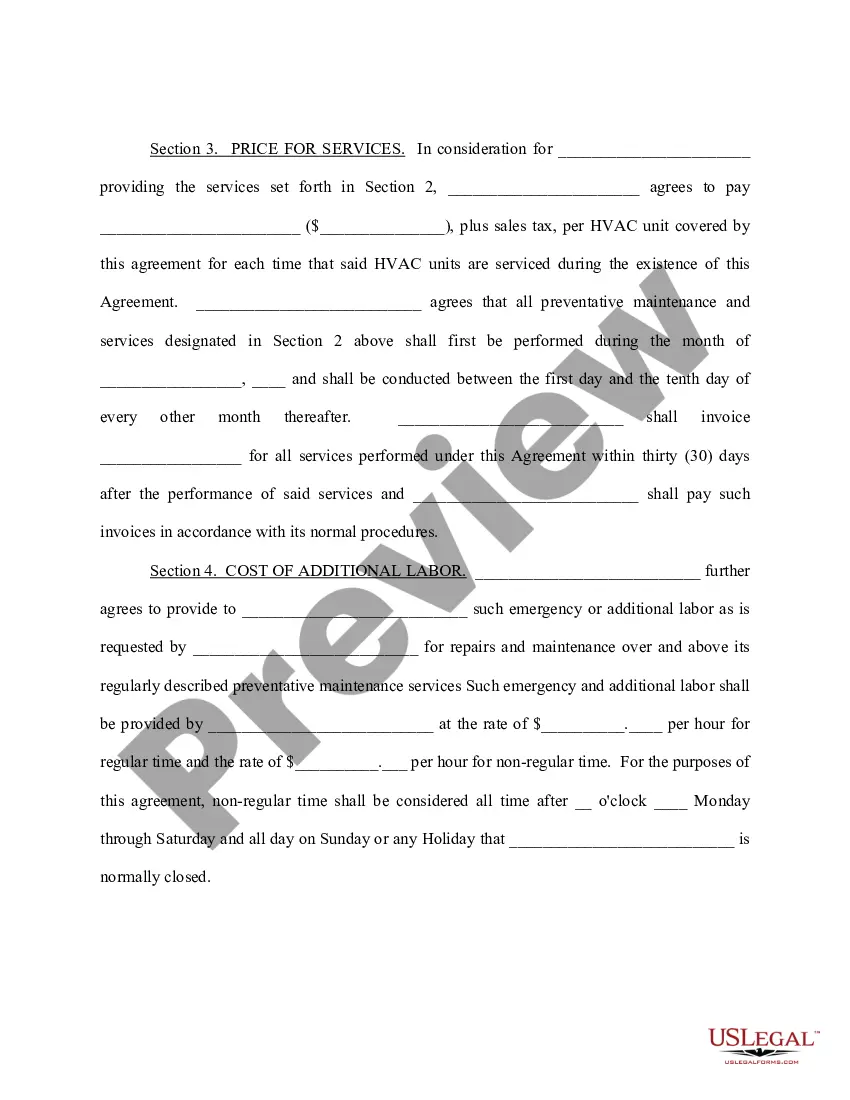
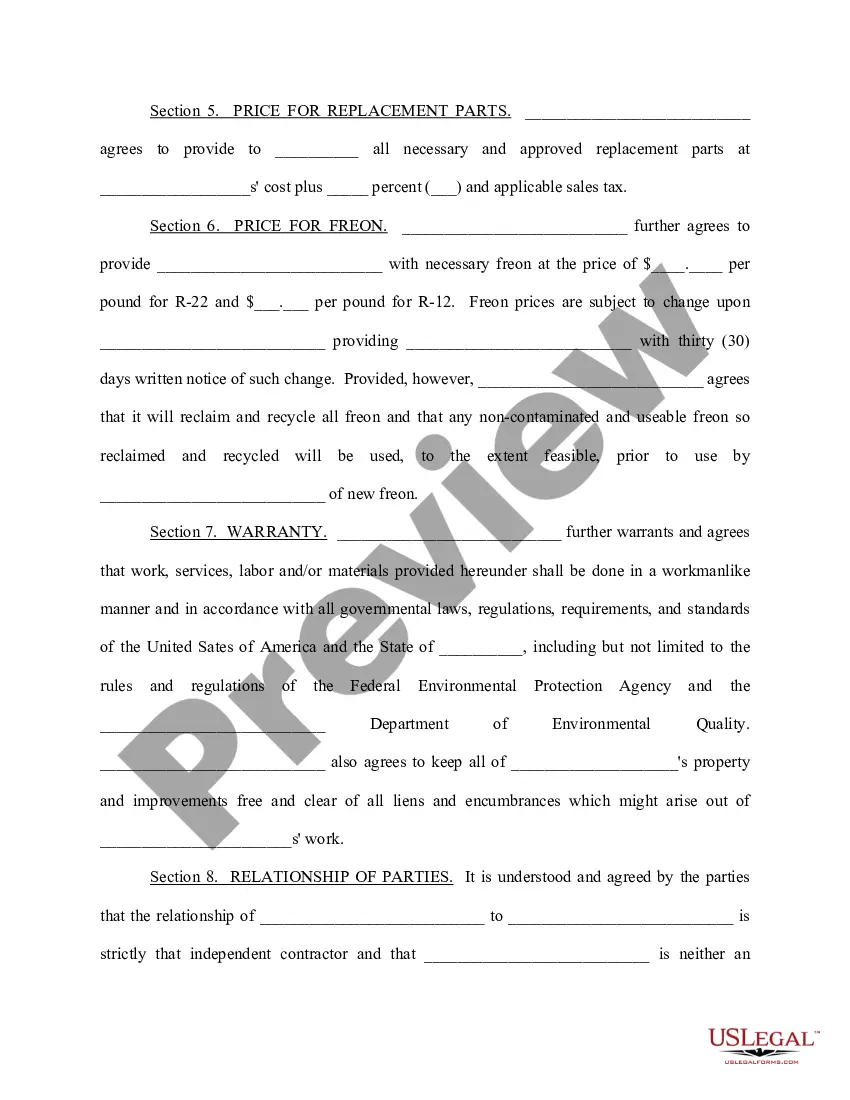
Get your form ready online
Our built-in tools help you complete, sign, share, and store your documents in one place.
Make edits, fill in missing information, and update formatting in US Legal Forms—just like you would in MS Word.
Download a copy, print it, send it by email, or mail it via USPS—whatever works best for your next step.
Sign and collect signatures with our SignNow integration. Send to multiple recipients, set reminders, and more. Go Premium to unlock E-Sign.
If this form requires notarization, complete it online through a secure video call—no need to meet a notary in person or wait for an appointment.
We protect your documents and personal data by following strict security and privacy standards.

Make edits, fill in missing information, and update formatting in US Legal Forms—just like you would in MS Word.

Download a copy, print it, send it by email, or mail it via USPS—whatever works best for your next step.

Sign and collect signatures with our SignNow integration. Send to multiple recipients, set reminders, and more. Go Premium to unlock E-Sign.

If this form requires notarization, complete it online through a secure video call—no need to meet a notary in person or wait for an appointment.

We protect your documents and personal data by following strict security and privacy standards.
Looking for another form?










Form popularity
FAQ
A service contract is an agreement between you and a service provider that covers the maintenance and repair of your equipment after the warranty expires. A service contract may also include preventive maintenance, software updates, technical support, training, or other benefits.
SLA rules are used to determine deadlines for SLA metrics. Rules have two fundamental components: conditions and expectations. For example, a Created > Shipped rule may state that a specific set of suppliers (conditions) need to ship their orders within a two business days (expectation).
Key components of an SLA Agreement overview. Description of services. Exclusions. Service performance. Redressing. Stakeholders. Security. Risk management and disaster recovery.
SLA compliance is crucial for meeting customer expectations. Best practices include proper escalation, efficient response times, and help desk management. Measuring and tracking SLA compliance is essential for service performance and delivery. Alignment of service levels with SLA parameters is critical.
Key components of an SLA Agreement overview. A list of stakeholders. The goals of all stakeholders. A description of services. Service levels. A list of services excluded from the agreement. Conditions of cancellation. A plan if goals aren't reached.
A service-level agreement (SLA) is a contract between a service provider and its customers that documents what services the provider will furnish and defines the service standards the provider is obligated to meet.
The SLA should include not only a description of the services to be provided and their expected service levels, but also metrics by which the services are measured, the duties and responsibilities of each party, the remedies or penalties for breach, and a protocol for adding and removing metrics.
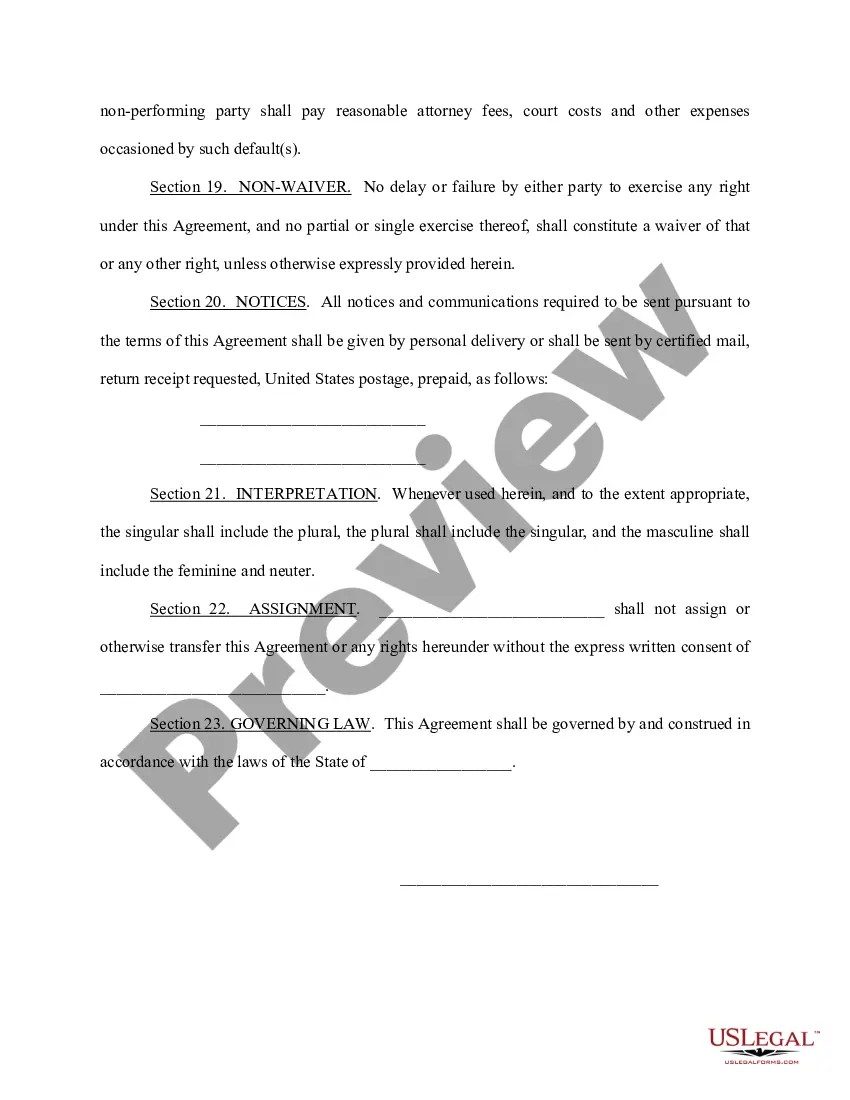
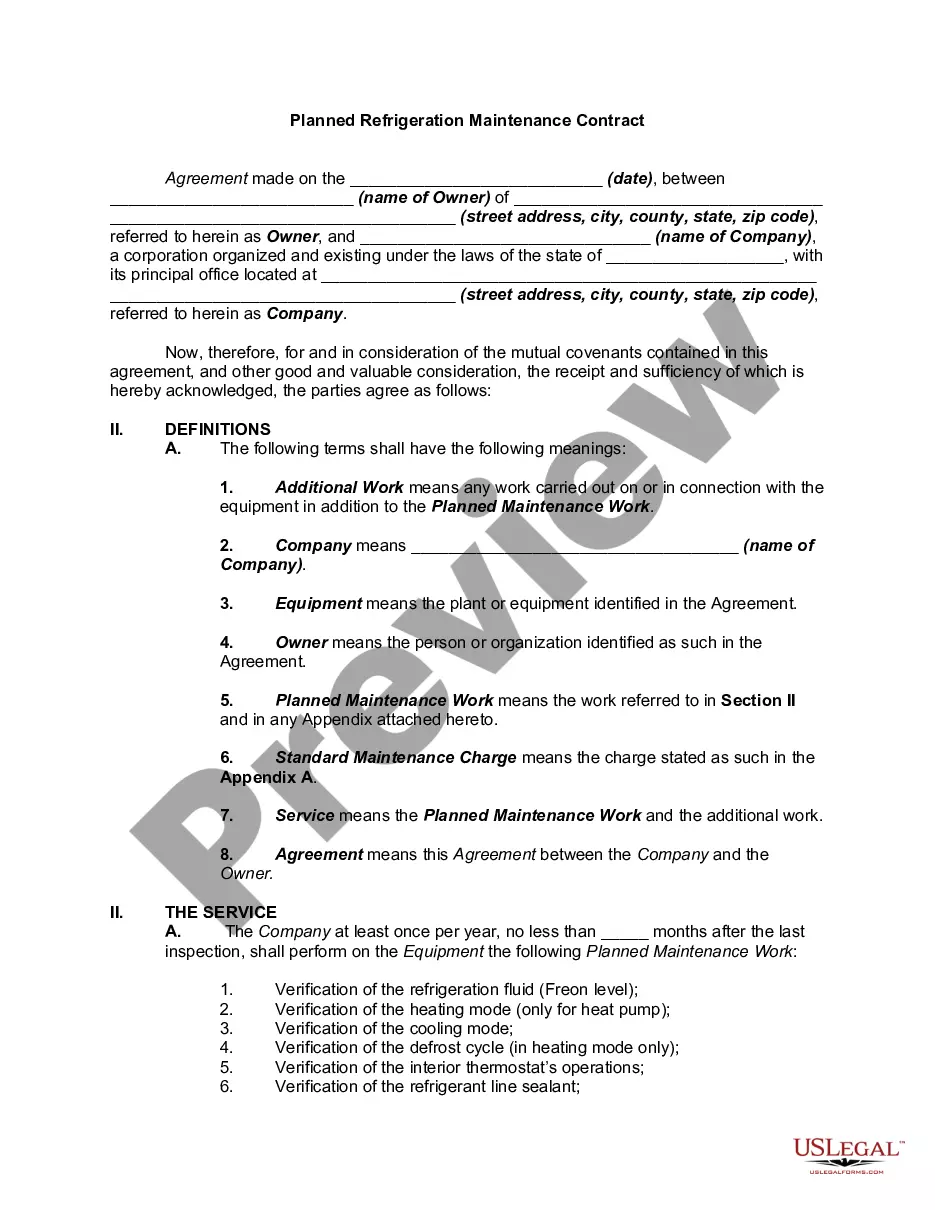
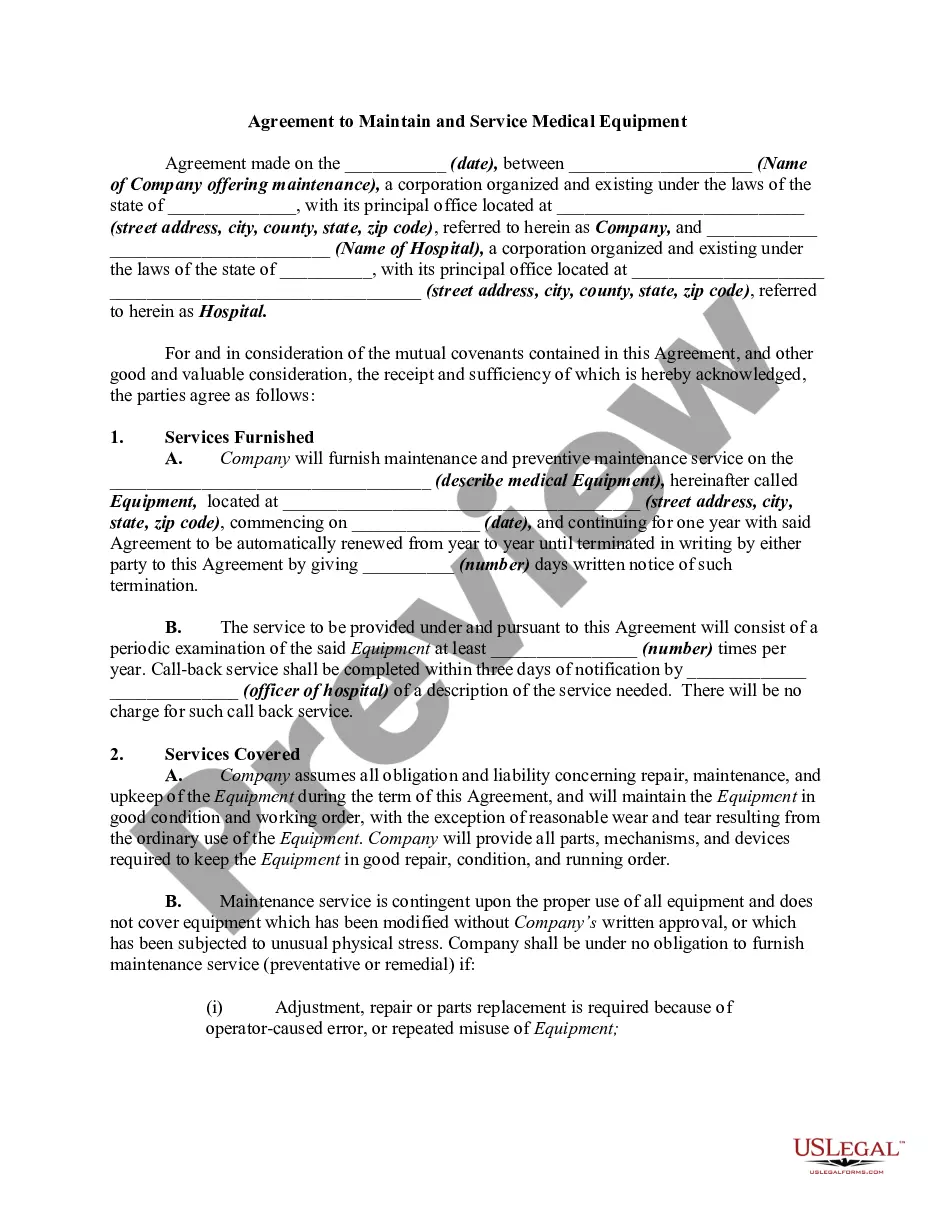
A maintenance agreement (contract), sometimes called a service agreement (contract), is an agreement which requires specific performance of repairing, cleaning, altering, or improving tangible personal property on a regular or irregular basis to ensure the product's continued satisfactory operation.
