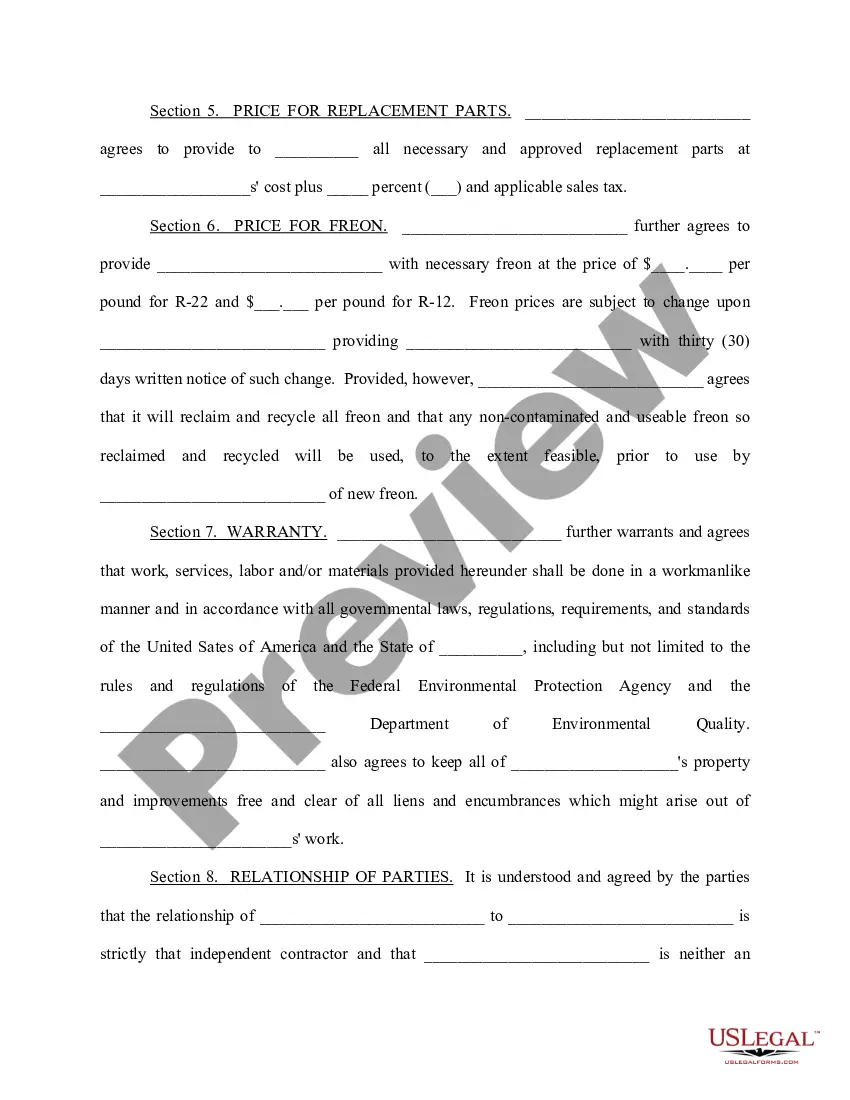
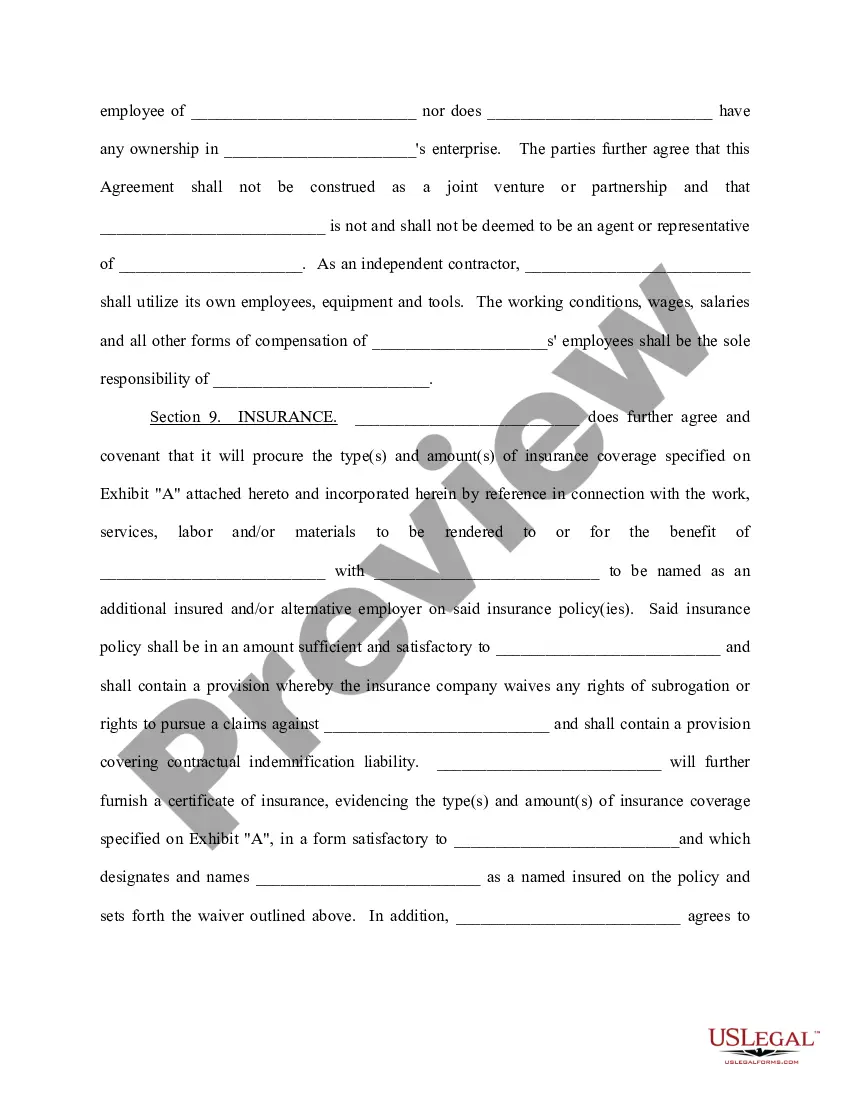
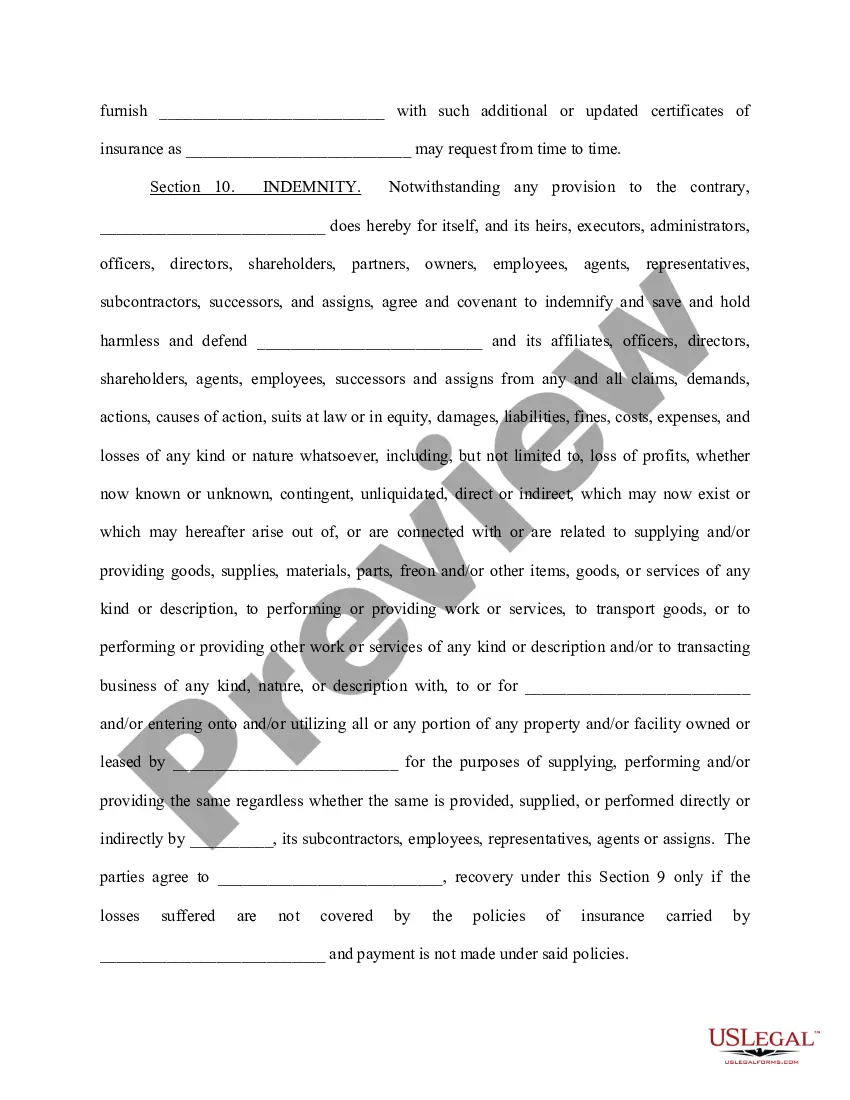
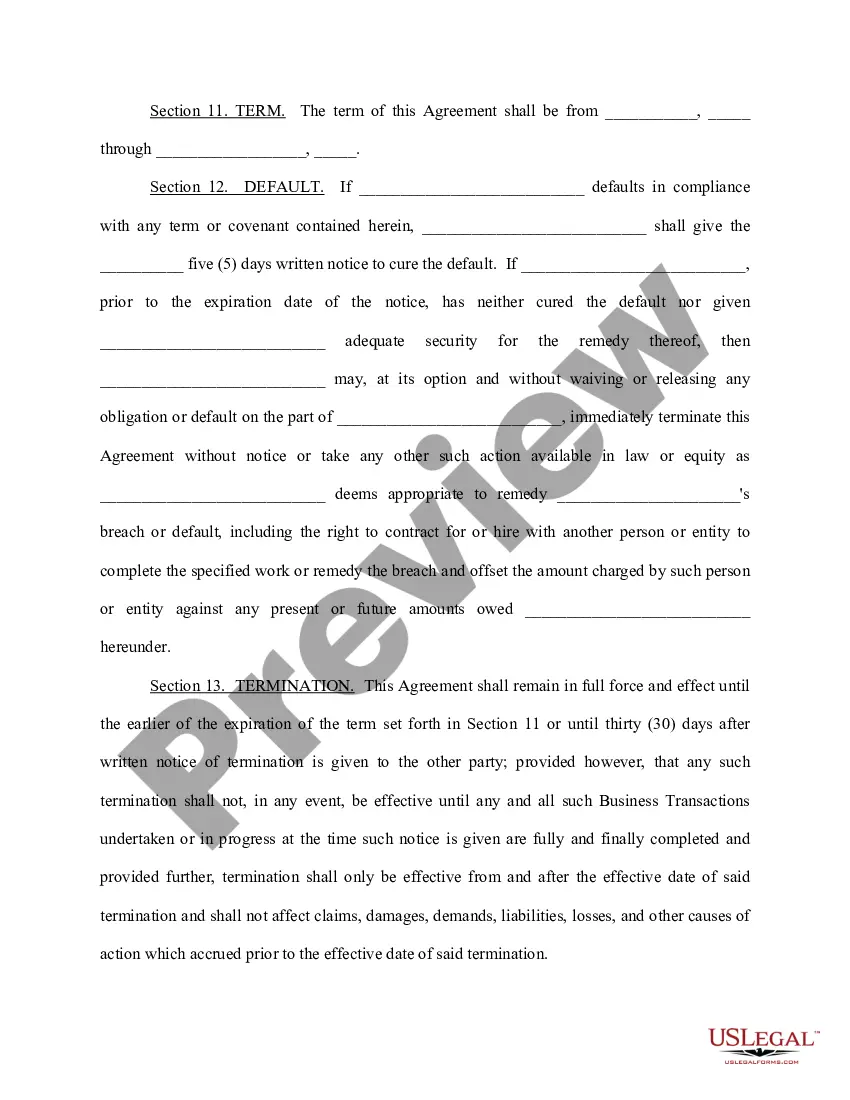
Hvac Service Agreement Template With Pricing In Fairfax
Description
Get your form ready online
Our built-in tools help you complete, sign, share, and store your documents in one place.
Make edits, fill in missing information, and update formatting in US Legal Forms—just like you would in MS Word.
Download a copy, print it, send it by email, or mail it via USPS—whatever works best for your next step.
Sign and collect signatures with our SignNow integration. Send to multiple recipients, set reminders, and more. Go Premium to unlock E-Sign.
If this form requires notarization, complete it online through a secure video call—no need to meet a notary in person or wait for an appointment.
We protect your documents and personal data by following strict security and privacy standards.

Make edits, fill in missing information, and update formatting in US Legal Forms—just like you would in MS Word.

Download a copy, print it, send it by email, or mail it via USPS—whatever works best for your next step.

Sign and collect signatures with our SignNow integration. Send to multiple recipients, set reminders, and more. Go Premium to unlock E-Sign.

If this form requires notarization, complete it online through a secure video call—no need to meet a notary in person or wait for an appointment.

We protect your documents and personal data by following strict security and privacy standards.
Looking for another form?









Form popularity
FAQ
How to write an agreement letter Title your document. Provide your personal information and the date. Include the recipient's information. Address the recipient and write your introductory paragraph. Write a detailed body. Conclude your letter with a paragraph, closing remarks, and a signature. Sign your letter.
Yes, you can write your own contract. However, including all necessary elements is crucial to make it legally binding. For complex situations or high-stakes agreements, it's advisable to consult a contract attorney to review or draft your agreement.
A Service Agreement is a written or verbal contract between a general service provider and a client or customer. It outlines the terms and conditions of their professional relationship, including details of the service provided, the parties involved, billing information, and more.
How to Write a Service Agreement Step 1: Identify the parties involved. Step 2: Define the scope of services. Step 3: Set payment terms. Step 4: Outline the responsibilities of each party. Step 5: Add termination, dispute resolution, and other essential clauses. Step 6: Review and finalize.
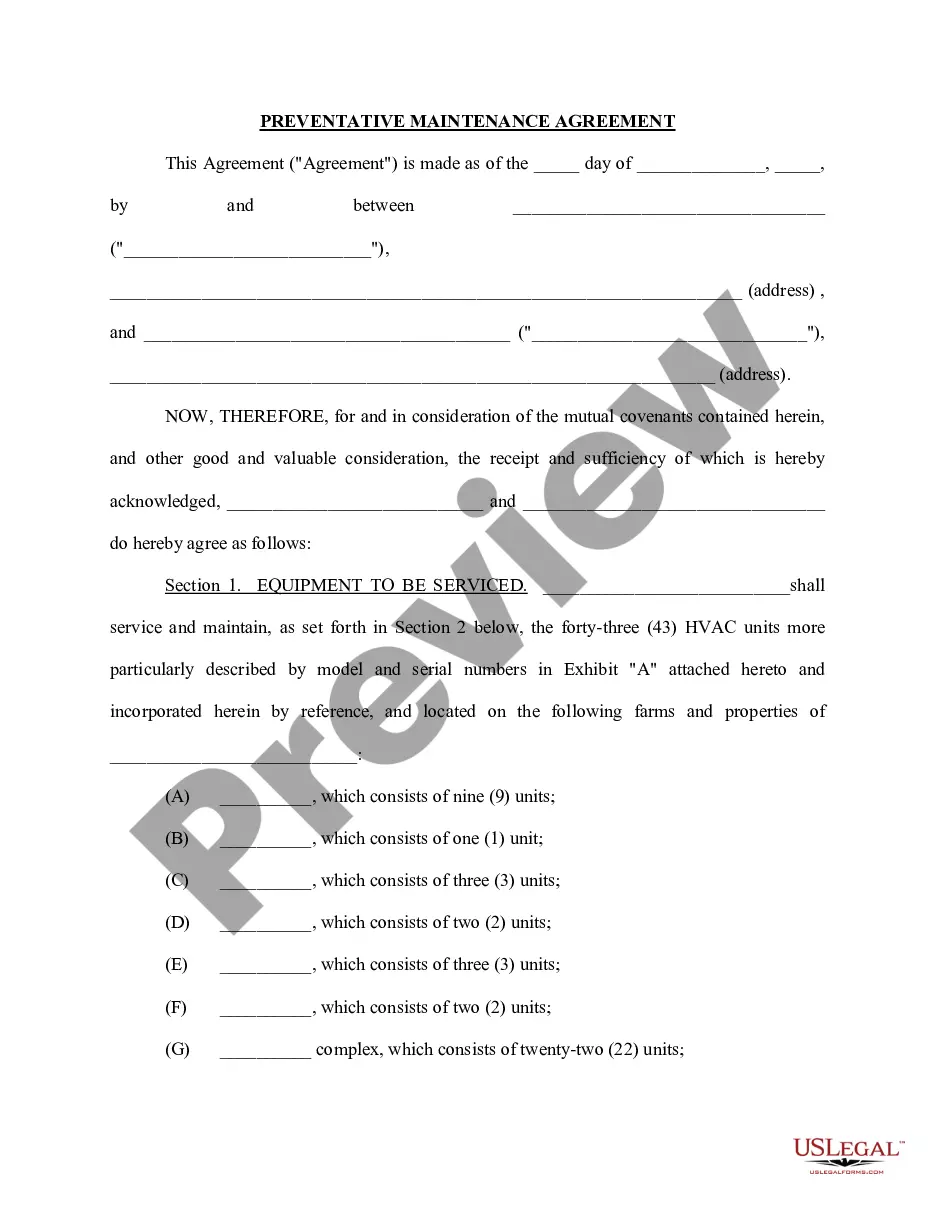
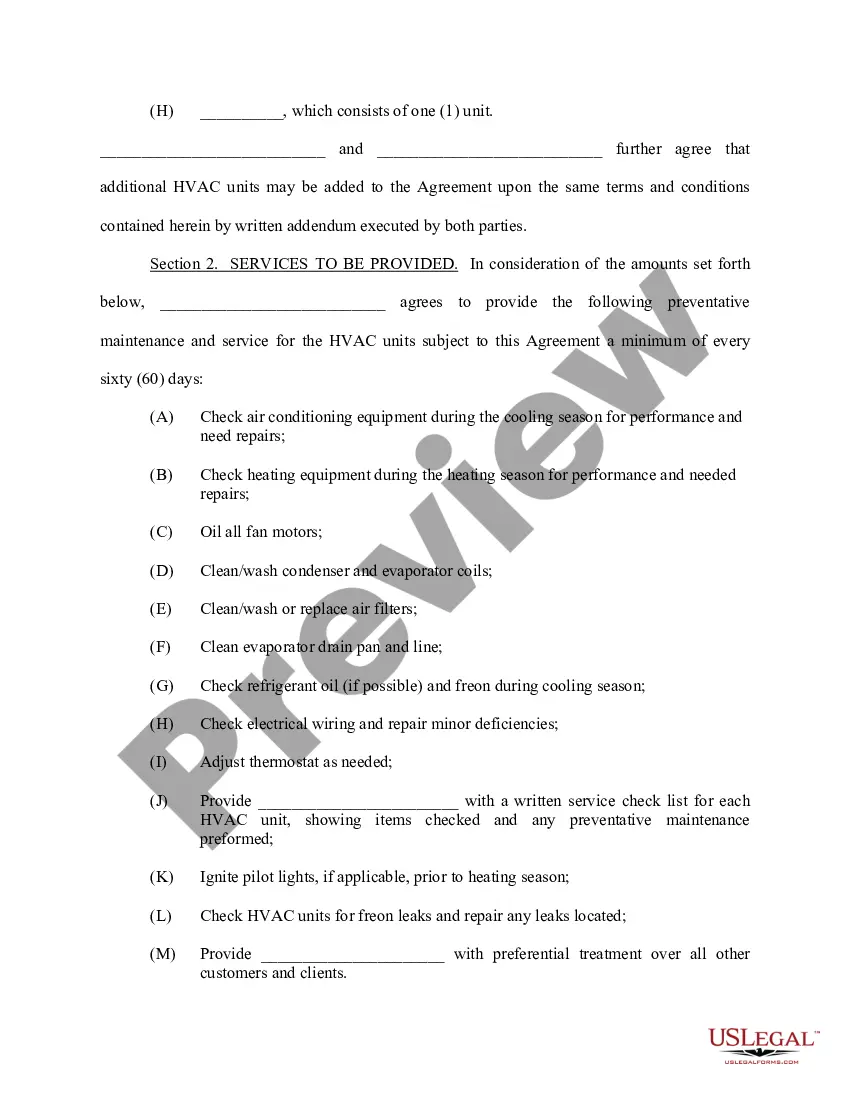
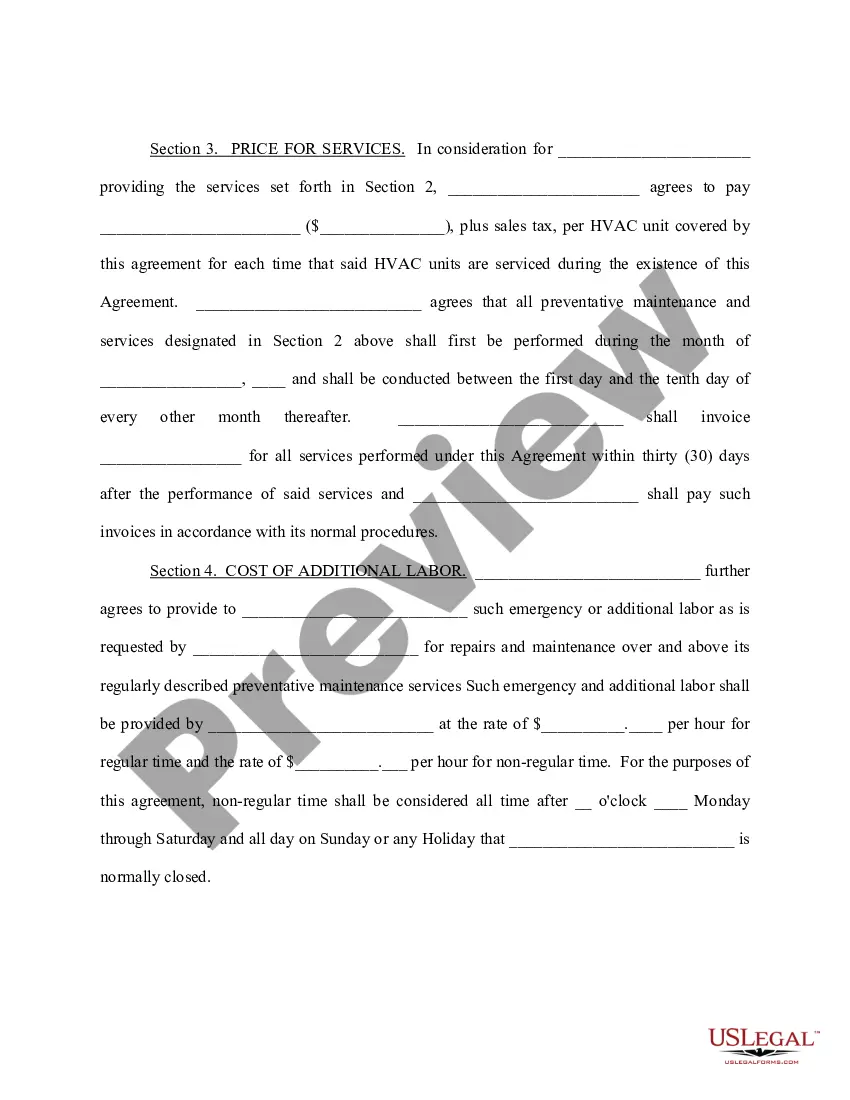
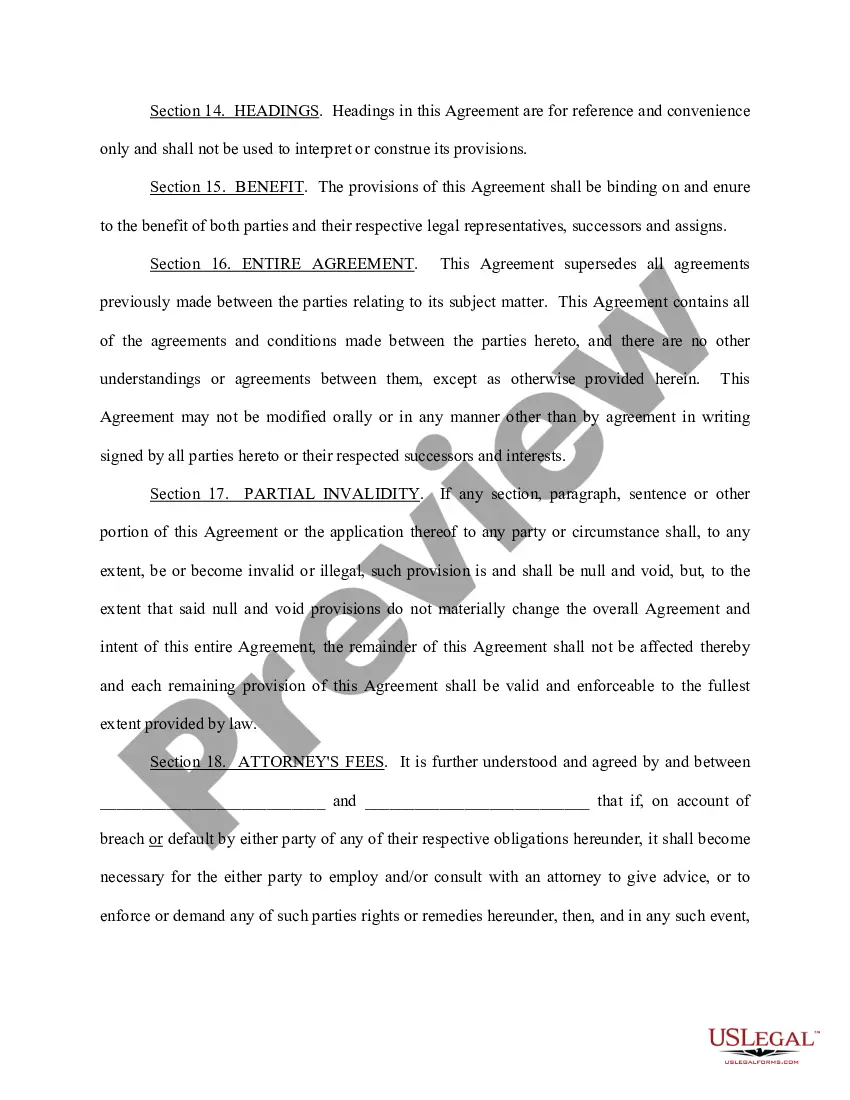
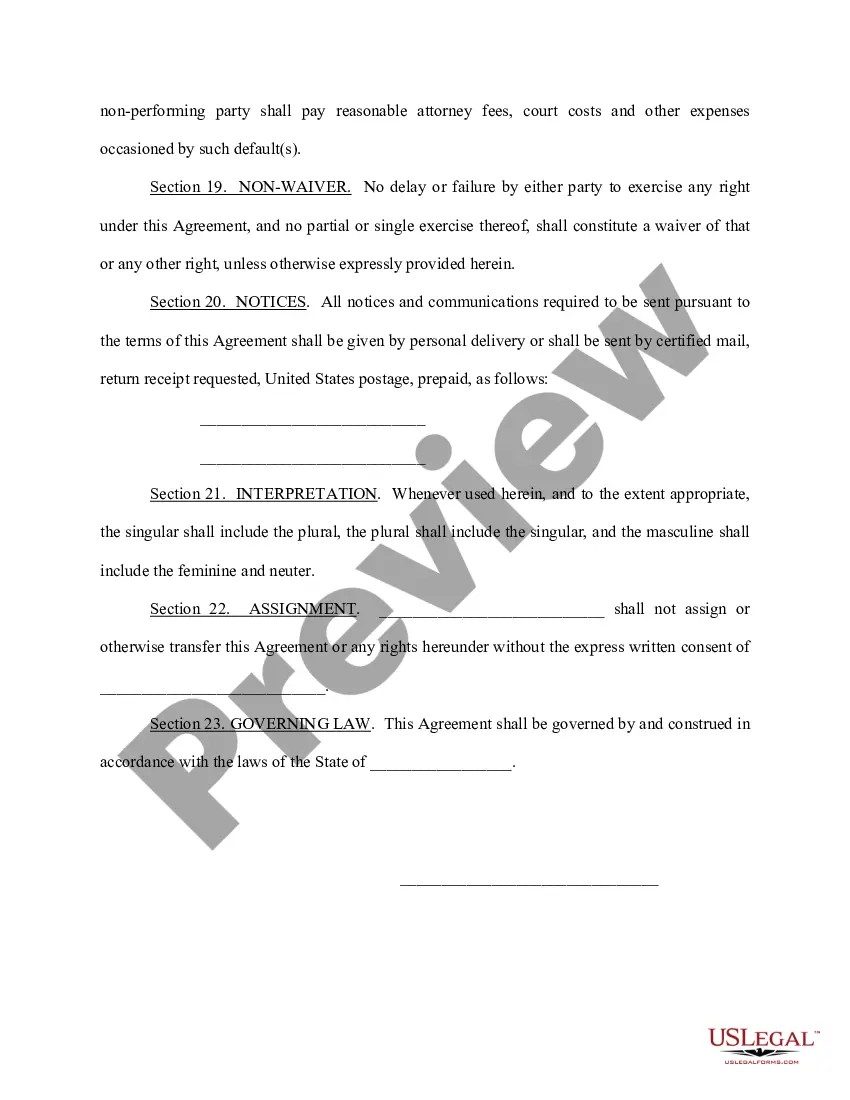
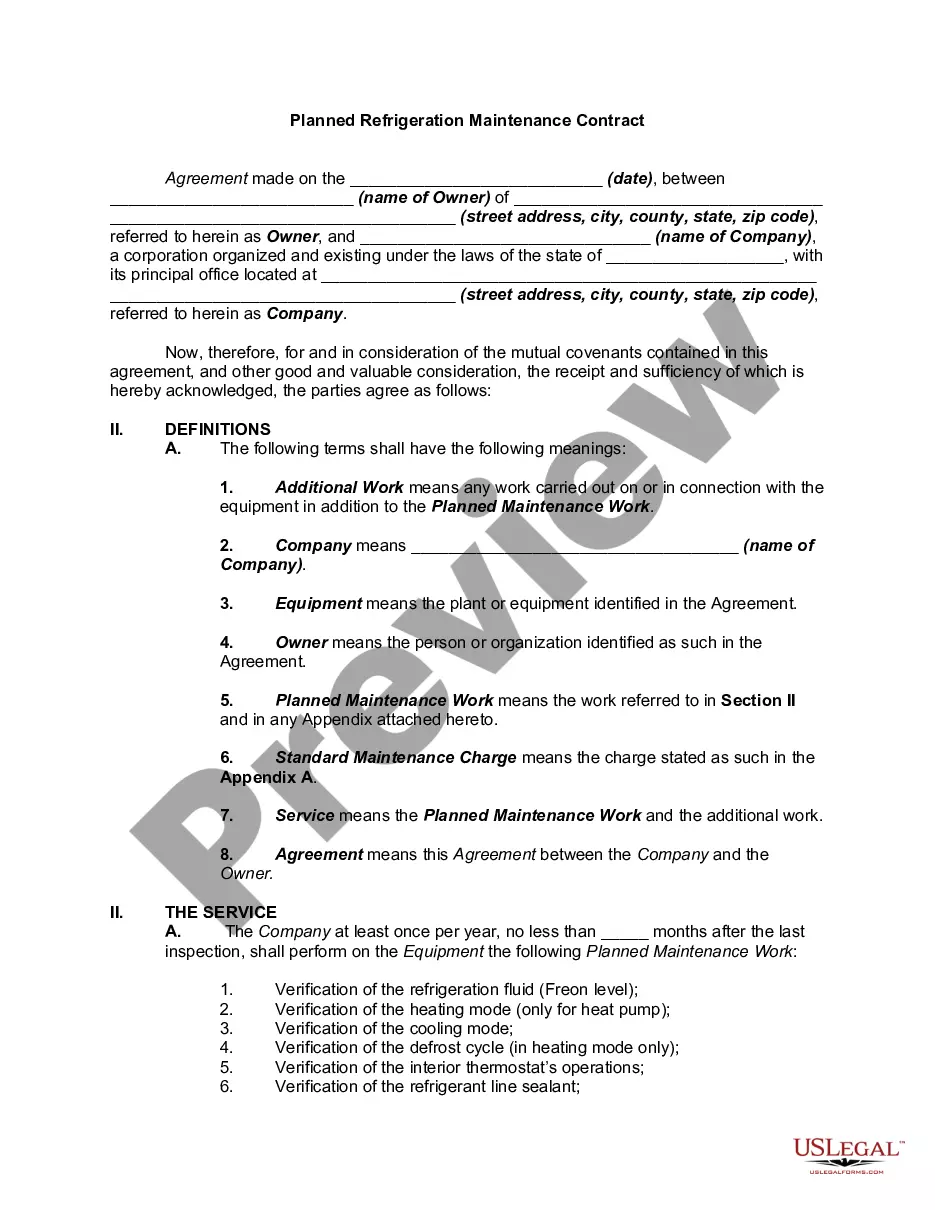
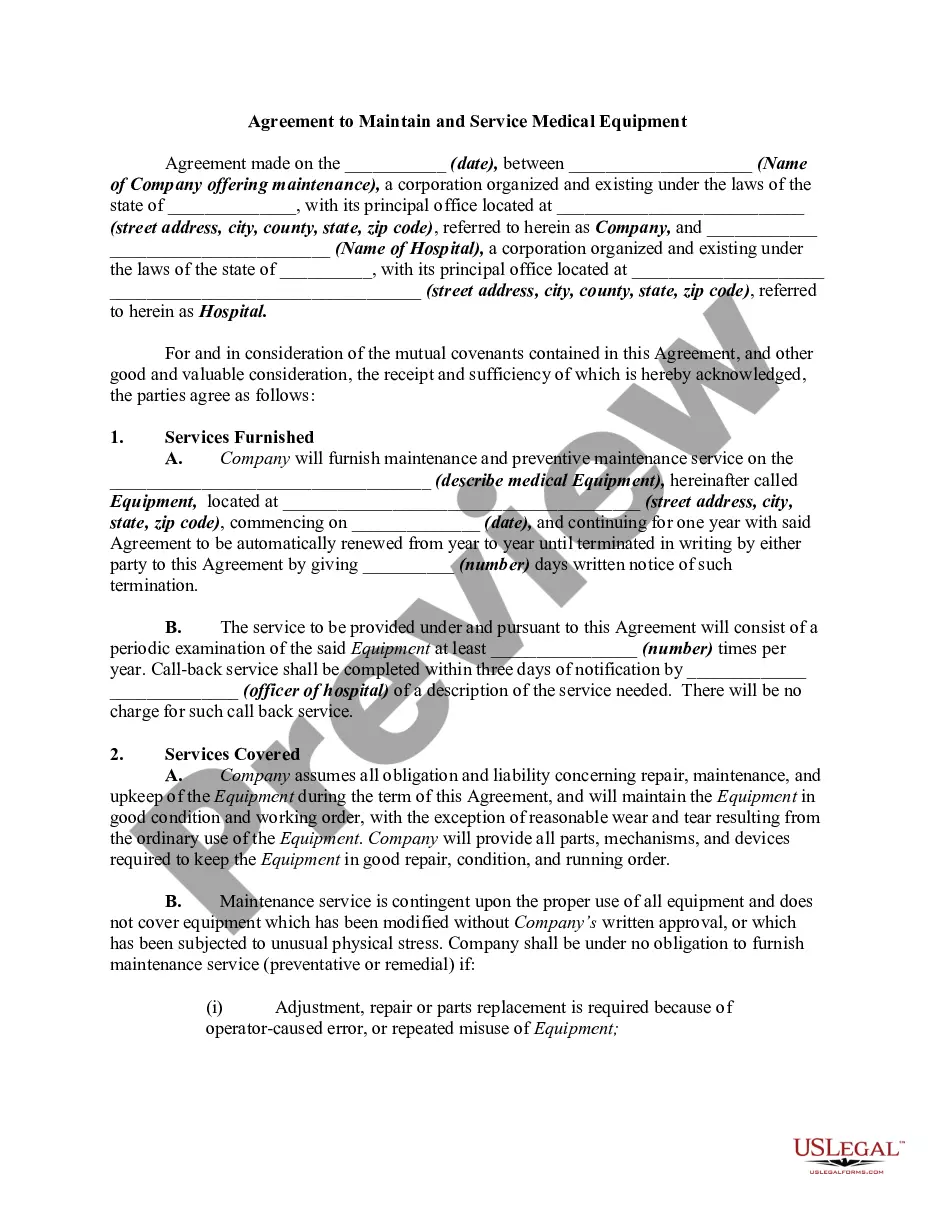
The agreement describes your ongoing HVAC maintenance services, including the scope of work, frequency of maintenance visits, duration, payment terms, and other details that need to be defined before you start a job. Your HVAC maintenance plan will likely cover regularly scheduled maintenance.
Follow the steps below to write a service-level agreement: Define the service. Your SLA will need to define and outline the service clearly. Verify service levels. Determine performance metrics. Prepare the service level agreement document. Review the SLA with all stakeholders.
Essential Elements of a Service Agreement Template: A Detailed and Actionable Guide Identifying the Parties Involved. Defining the Scope of Services. Establishing Payment Terms. Setting Contract Duration. Outlining Termination Conditions. Protecting Confidential Information. Addressing Dispute Resolution.
How to Create a Planned Maintenance Contract Full name and details of service provider and client. The type of maintenance. A disclosed scope of work. A service schedule. Payment terms. Warranties and guarantees. Information regarding legal disputes. Details on contract termination.
The agreement describes your ongoing HVAC maintenance services, including the scope of work, frequency of maintenance visits, duration, payment terms, and other details that need to be defined before you start a job. Your HVAC maintenance plan will likely cover regularly scheduled maintenance.
Drafting the Agreement List all the parties that are involved in the agreement. Outline the services that will be provided. Identify the timeline of the agreement. Outline payment and cancellation terms. Include any other relevant information. Use plain language that is easily understood.