Hvac Service Agreement Template Format In Chicago
Description
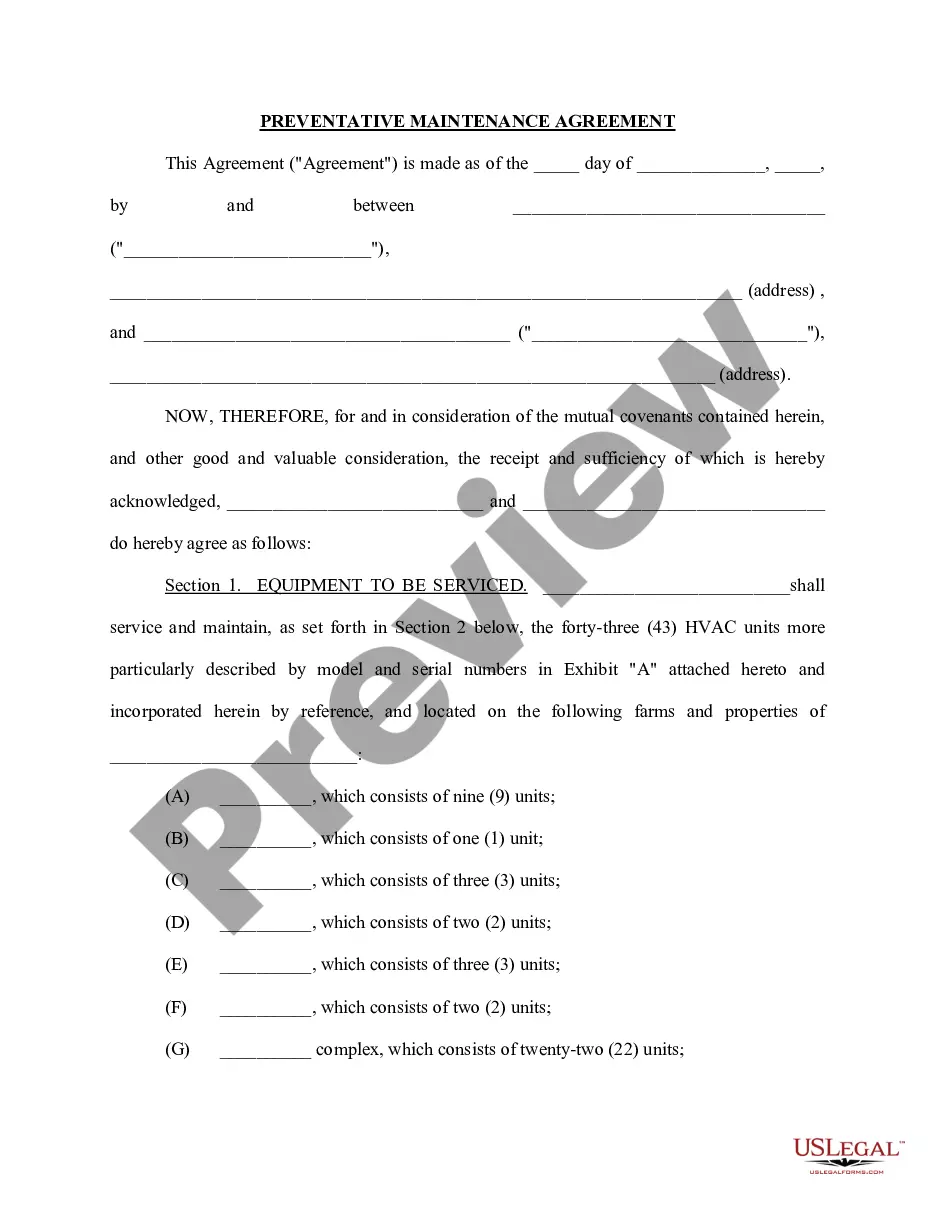
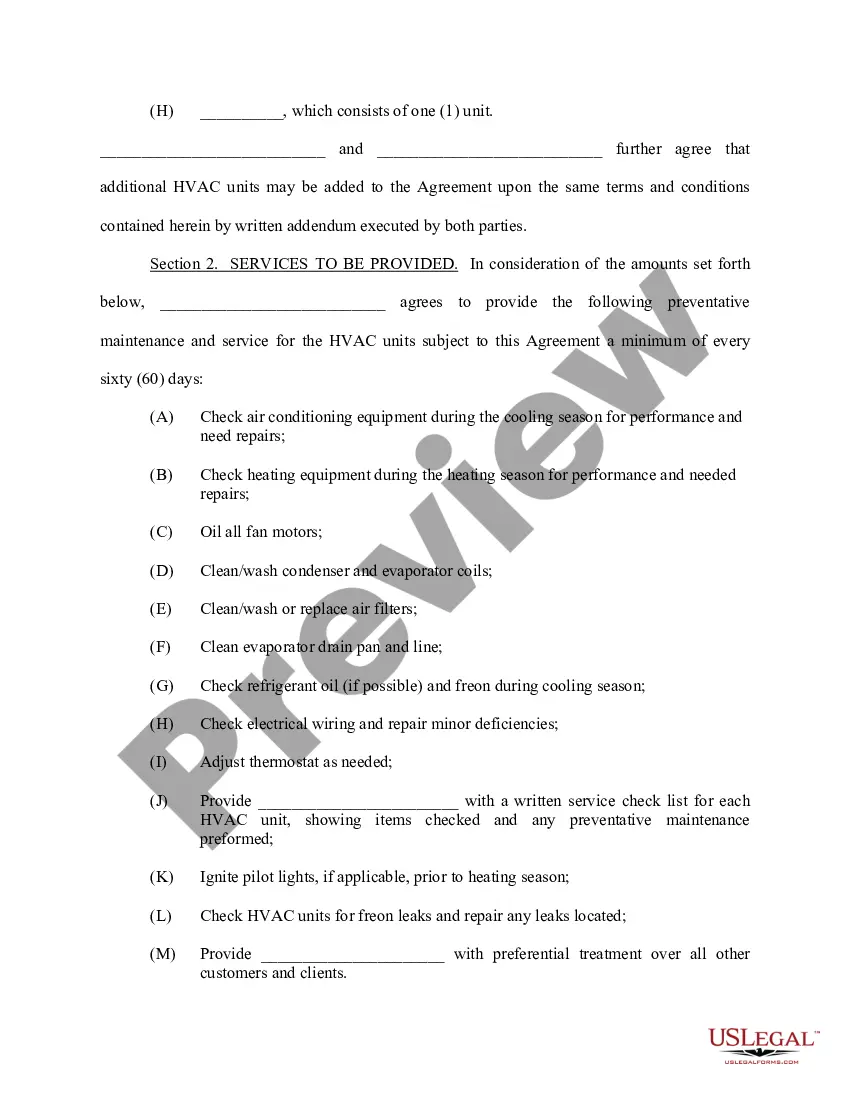
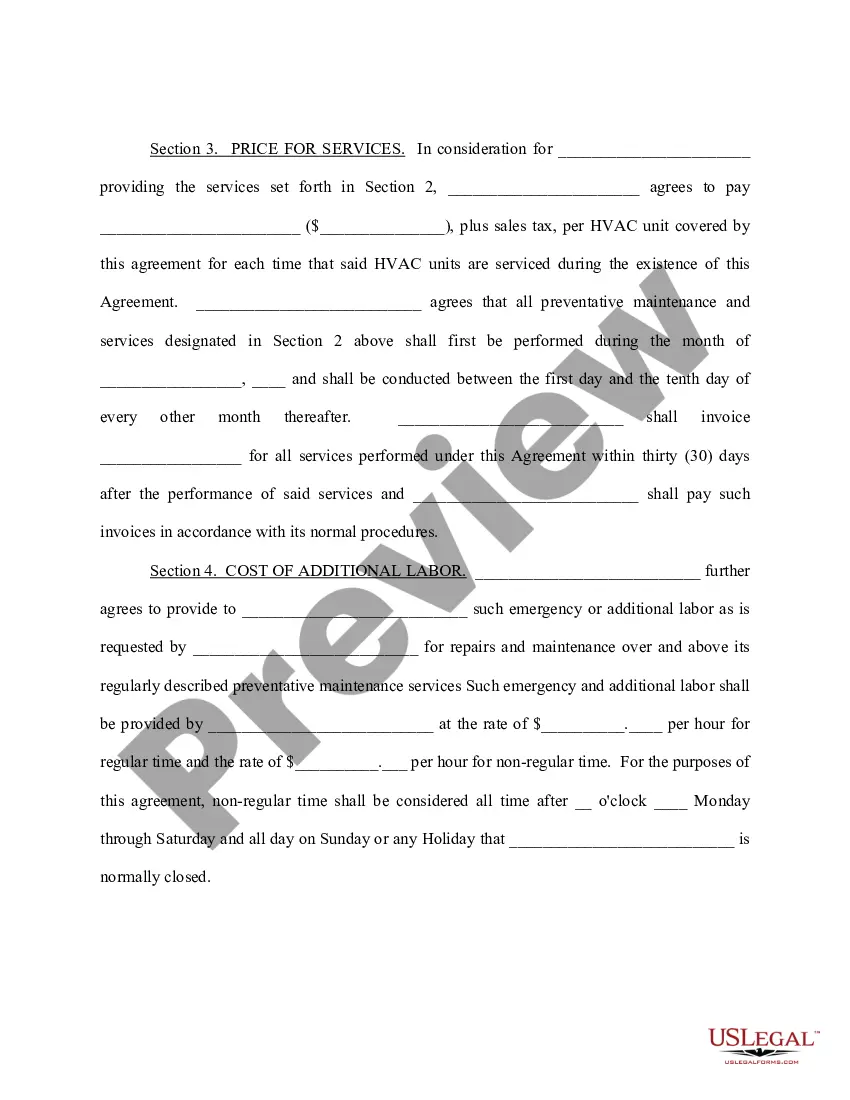
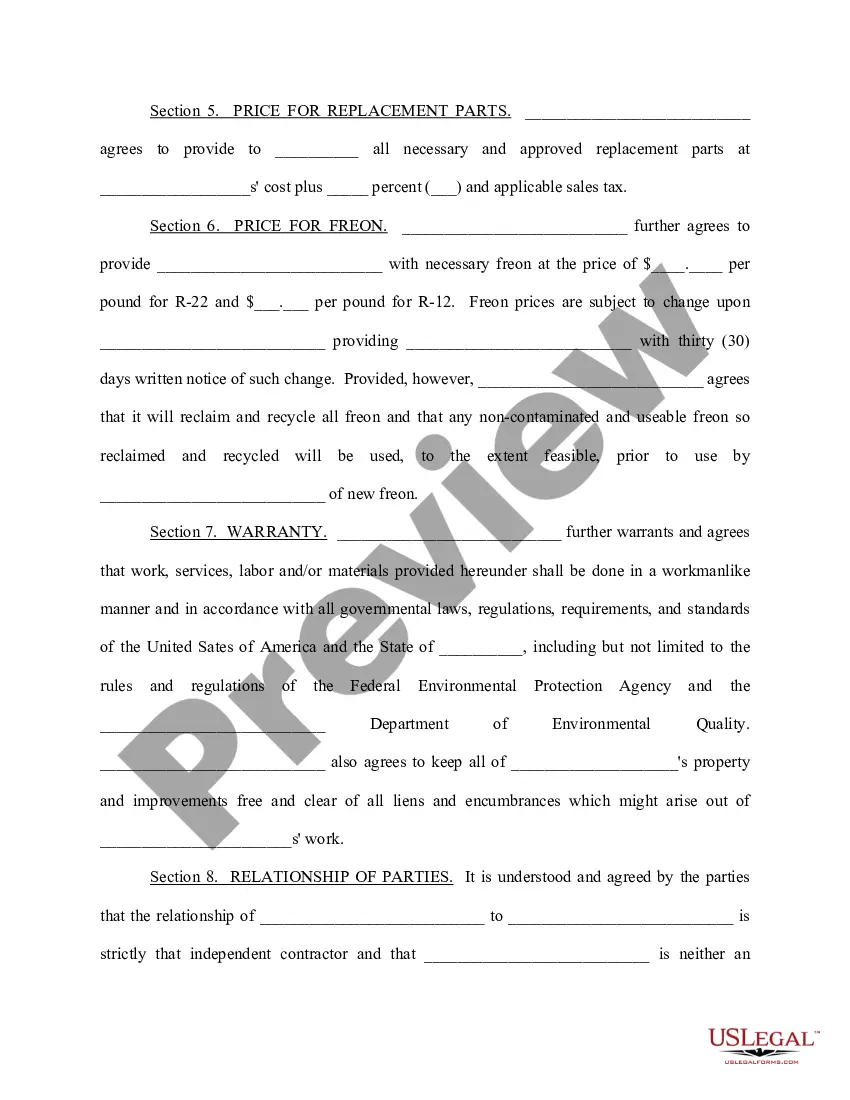
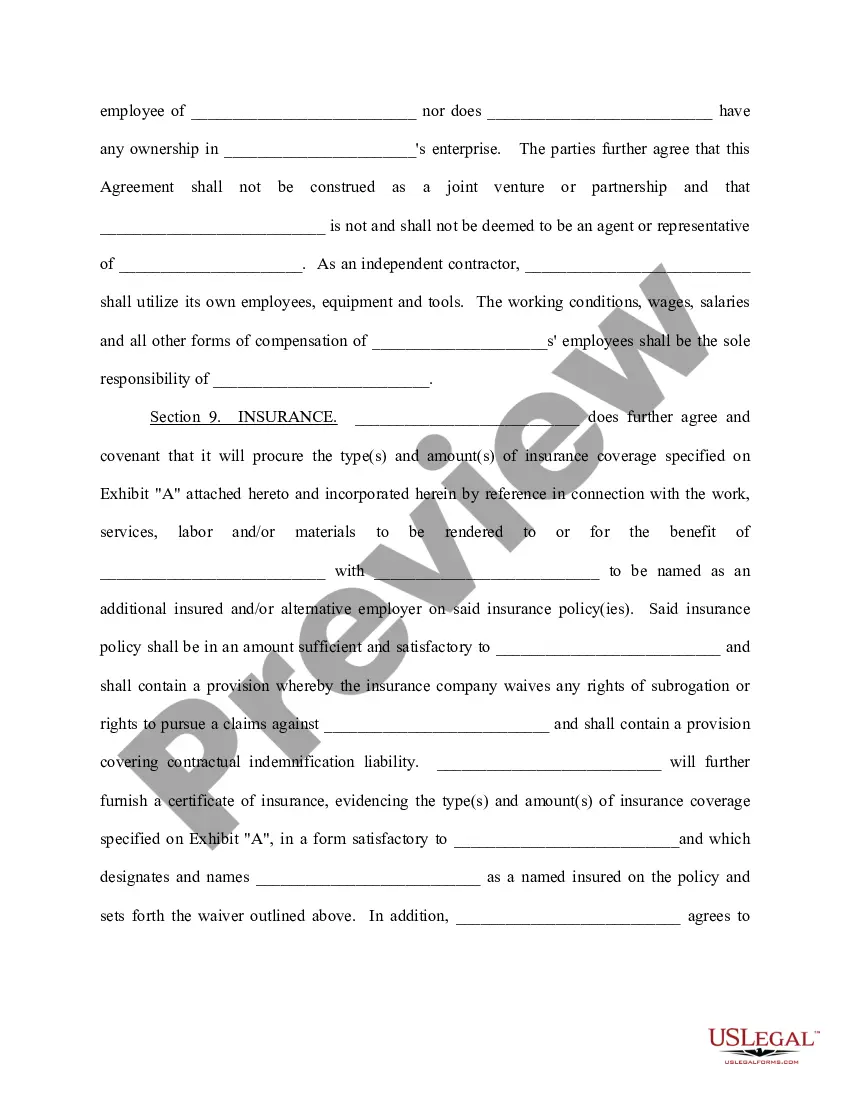
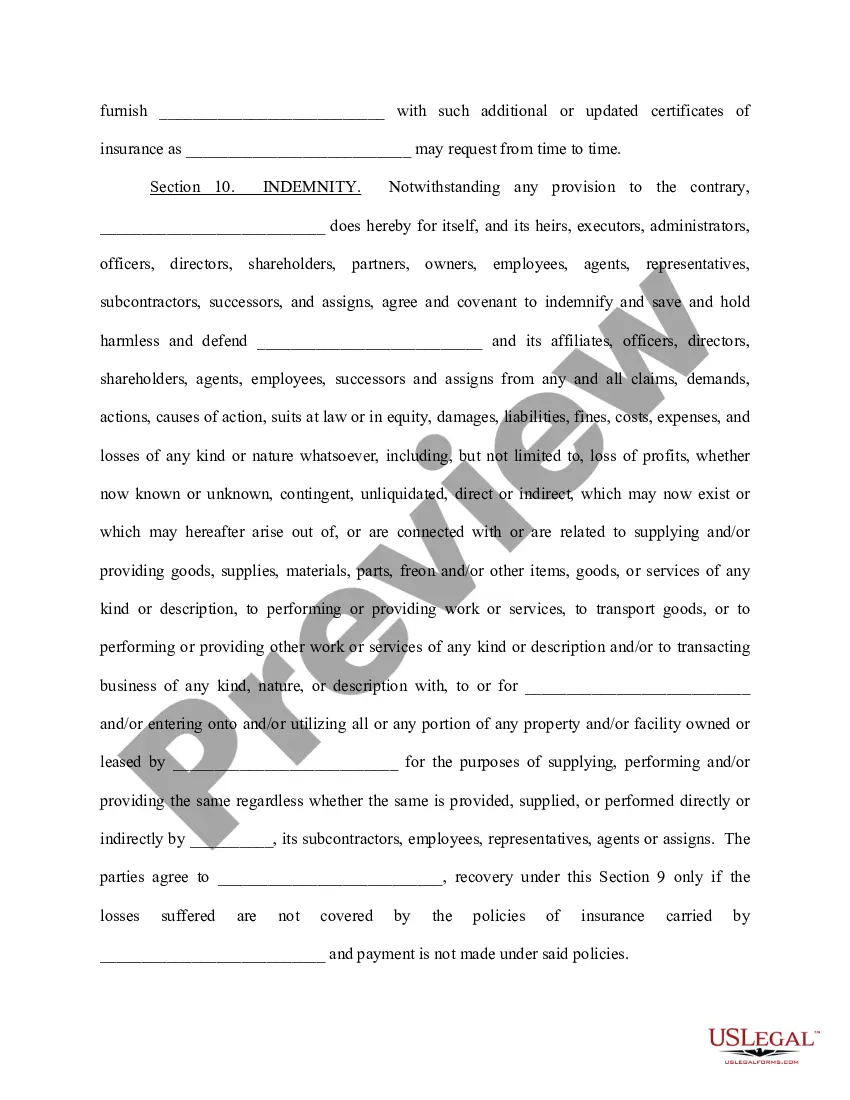
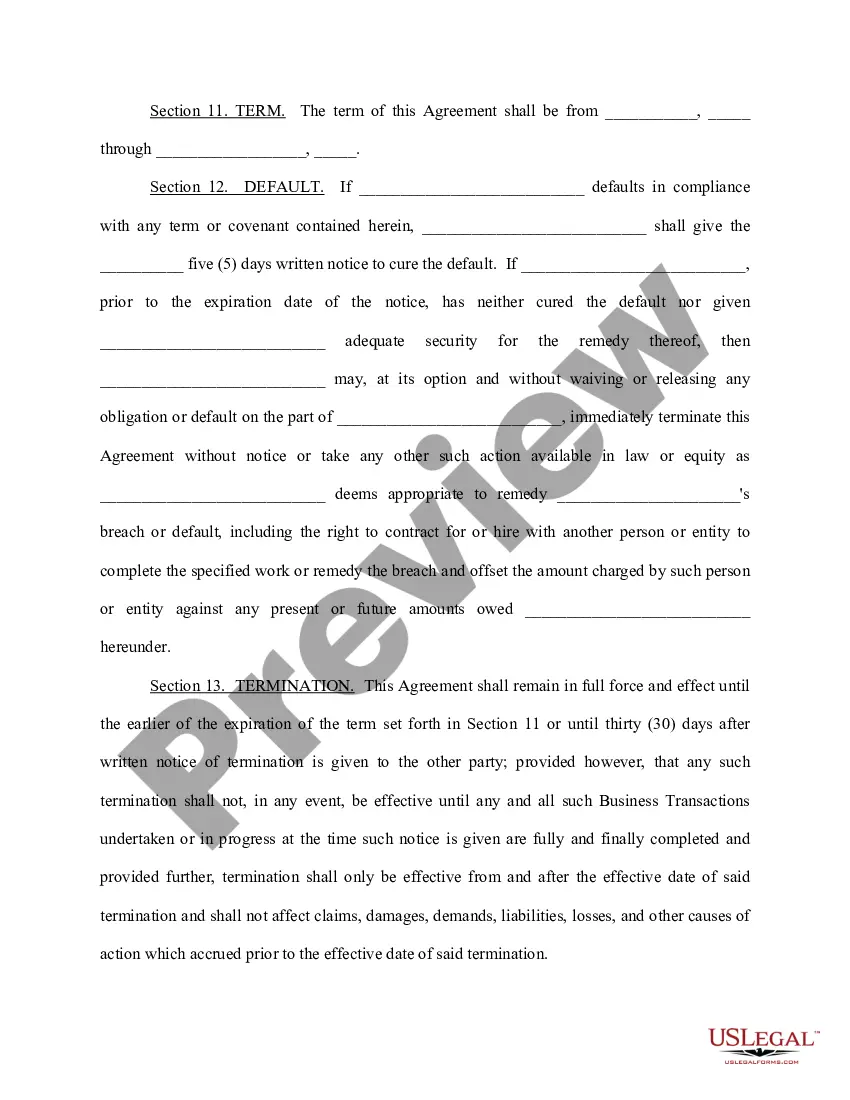
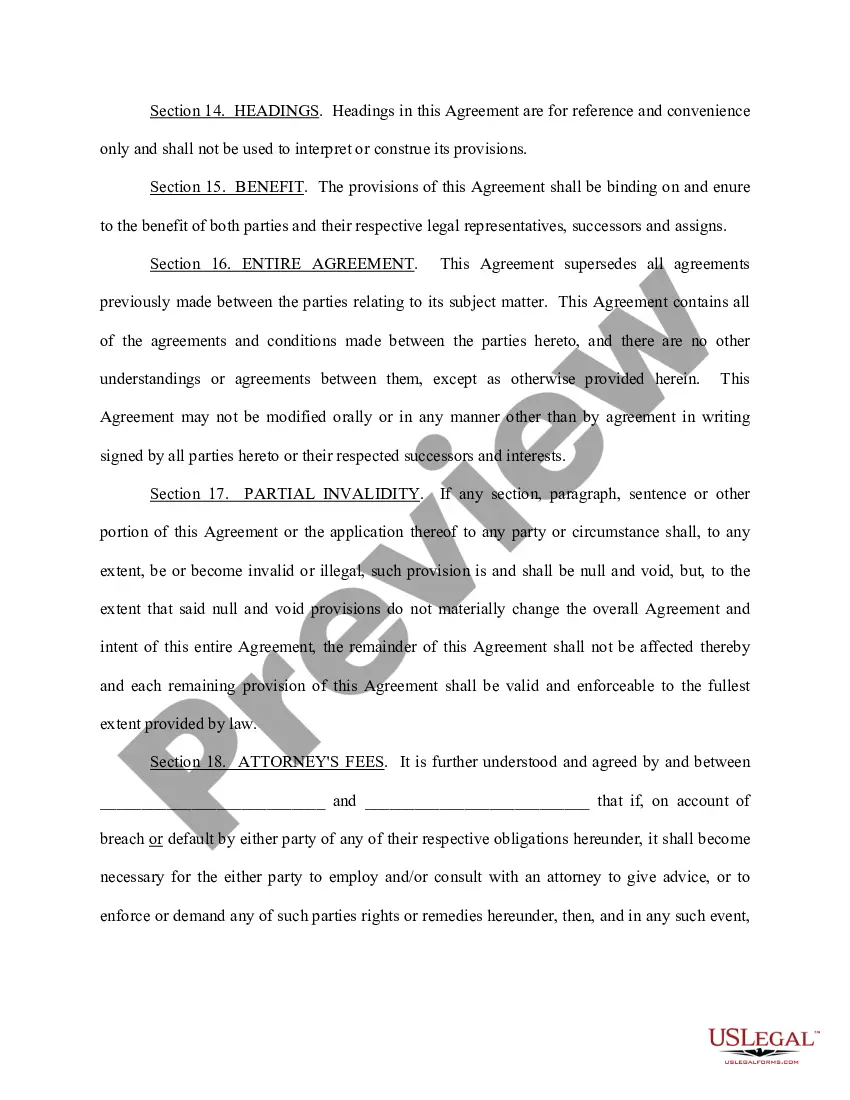
Get your form ready online
Our built-in tools help you complete, sign, share, and store your documents in one place.
Make edits, fill in missing information, and update formatting in US Legal Forms—just like you would in MS Word.
Download a copy, print it, send it by email, or mail it via USPS—whatever works best for your next step.
Sign and collect signatures with our SignNow integration. Send to multiple recipients, set reminders, and more. Go Premium to unlock E-Sign.
If this form requires notarization, complete it online through a secure video call—no need to meet a notary in person or wait for an appointment.
We protect your documents and personal data by following strict security and privacy standards.

Make edits, fill in missing information, and update formatting in US Legal Forms—just like you would in MS Word.

Download a copy, print it, send it by email, or mail it via USPS—whatever works best for your next step.

Sign and collect signatures with our SignNow integration. Send to multiple recipients, set reminders, and more. Go Premium to unlock E-Sign.

If this form requires notarization, complete it online through a secure video call—no need to meet a notary in person or wait for an appointment.

We protect your documents and personal data by following strict security and privacy standards.
Looking for another form?








Form popularity
FAQ
How do I write a Service Agreement? State how long the services are needed. Include the state where the work is taking place. Provide the contractor's and client's information. Describe the service being provided. Outline the compensation. State the agreement's terms. Include any additional clauses.
8 Ways to Increase Service Agreement Sales for Your Commercial HVAC Business Get Your Team On Board. Sell What Your Prospect Needs. Reach the Decision Makers. Sell the Program. Offer Flexible Maintenance Plans. Make Your Business Visible and Reputable Online. Improve Retention by Providing Exceptional Customer Experience.
Yes, you can write your own Terms and Conditions. Many large companies hire lawyers to write their Terms and Conditions. However, you don't need a lawyer or attorney to create legally enforceable Terms and Conditions.
Can I write my own contract? Yes, you can write your own contract. However, including all necessary elements is crucial to make it legally binding.
HVAC service agreements are designed to spot potential system weaknesses before they cause shutdowns. With a service provider regularly inspecting and servicing your HVAC equipment, potential hazards can be identified and remedied swiftly, ensuring business operations are safeguarded from HVAC-related disruptions.
Write the contract in six steps Start with a contract template. Open with the basic information. Describe in detail what you have agreed to. Include a description of how the contract will be ended. Write into the contract which laws apply and how disputes will be resolved. Include space for signatures.
How to write a service level agreement in 5 steps Define the service. Your SLA will need to define and outline the service clearly. Verify service levels. Determine performance metrics. Prepare the service level agreement document. Review the SLA with all stakeholders.
Service Agreements can be made between individuals, a business and an individual, or between two or more businesses. Having a Service Agreement in place is equally as important for service providers as for the receivers of services.
