Corporation Personal Held Without Bond In Utah
Description

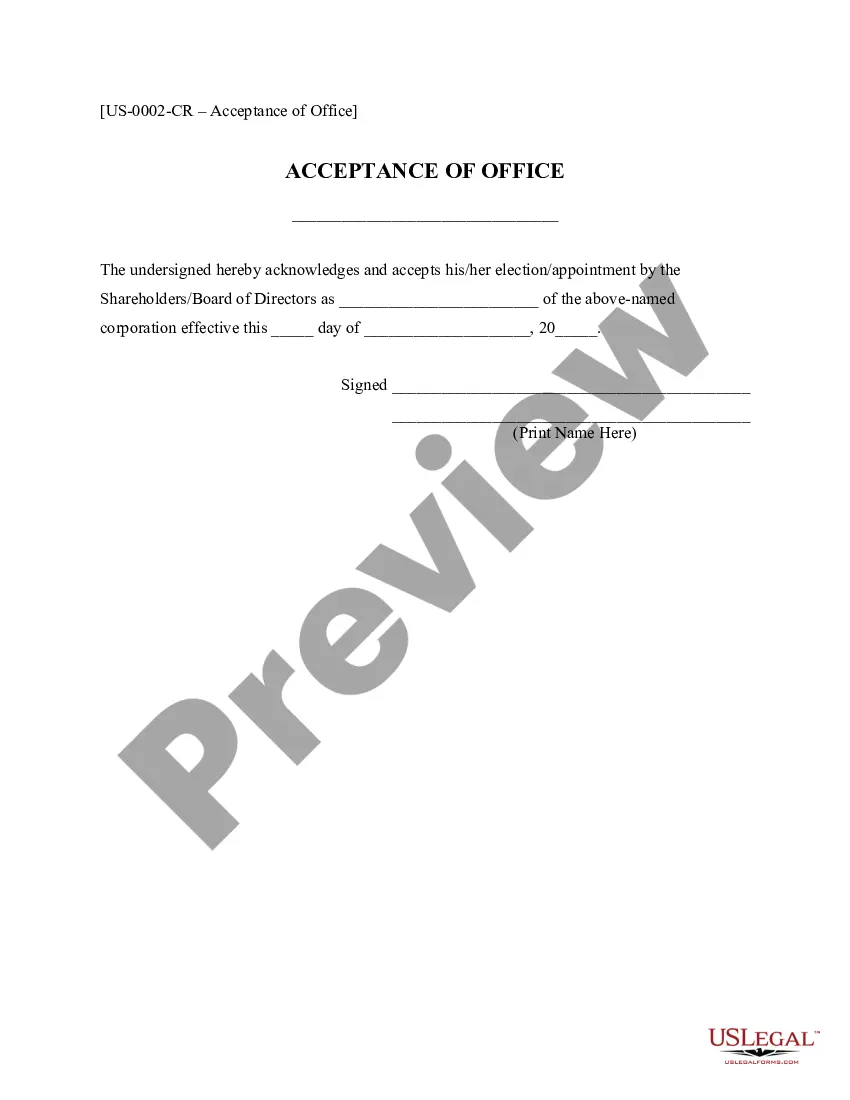
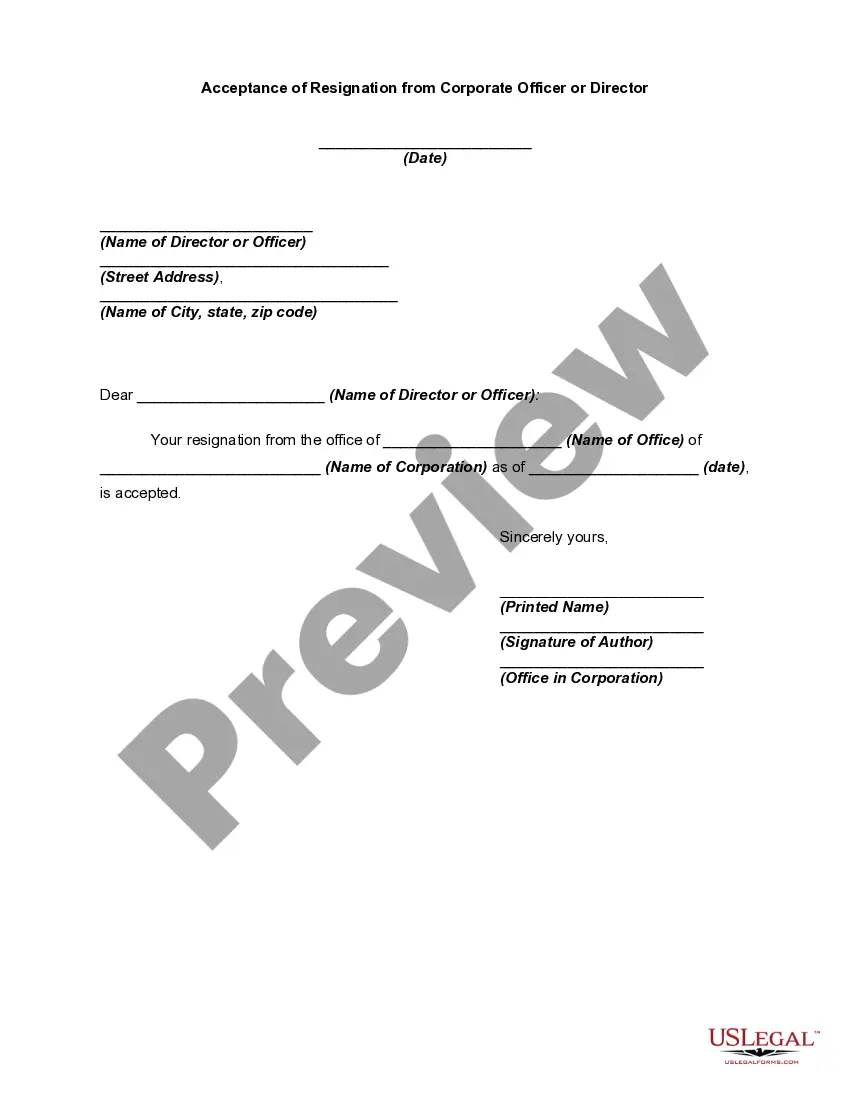
Get your form ready online
Our built-in tools help you complete, sign, share, and store your documents in one place.
Make edits, fill in missing information, and update formatting in US Legal Forms—just like you would in MS Word.
Download a copy, print it, send it by email, or mail it via USPS—whatever works best for your next step.
Sign and collect signatures with our SignNow integration. Send to multiple recipients, set reminders, and more. Go Premium to unlock E-Sign.
If this form requires notarization, complete it online through a secure video call—no need to meet a notary in person or wait for an appointment.
We protect your documents and personal data by following strict security and privacy standards.

Make edits, fill in missing information, and update formatting in US Legal Forms—just like you would in MS Word.

Download a copy, print it, send it by email, or mail it via USPS—whatever works best for your next step.

Sign and collect signatures with our SignNow integration. Send to multiple recipients, set reminders, and more. Go Premium to unlock E-Sign.

If this form requires notarization, complete it online through a secure video call—no need to meet a notary in person or wait for an appointment.

We protect your documents and personal data by following strict security and privacy standards.
Looking for another form?





Form popularity
FAQ
Most management actions are protected from judicial scrutiny by the business judgement rule: absent bad faith, fraud, or breach of a fiduciary duty, the judgement of the managers of a corporation is conclusive.
By an Action of Sole Incorporator, that individual appoints him/herself as the corporation's sole director and adopts bylaws.
How to form a C corp: A step-by-step guide for businesses Choose a business name. Select a state of incorporation. Designate a registered agent. File articles of incorporation. Draft corporate bylaws. Appoint directors. Conduct an organizational meeting. Issue stock.
For detailed formation steps, see our Utah Corporation formation guide. Step 1 – Name your Utah corporation. Step 2 – Appoint directors. Step 3 – Choose a Utah registered agent. Step 4 – File the Utah Articles of Incorporation. Step 5 – Create corporate bylaws. Step 6 – Draft a shareholder agreement.
A shareholder is a part owner of a corporation. A majority shareholder holds more than 50% of the company's shares. A director manages the corporation and may also hold shares. A business owner owns the company but does not necessarily direct the day-to-day operations.
The owners of a corporation are called “shareholders.”
Termination of appointment by removal -- Cause -- Procedure. A person interested in the estate may petition for removal of a personal representative for cause at any time. Upon filing of the petition, the court shall fix a time and place for hearing.
����� Shareholders: Owners of the corporation in proportion to their ownership of corporate stock outstanding. These people may be the same (ie., a director, officer and shareholder), but usually not.
Answer and Explanation: Common stockholders are the ones considered as the real and true owners of a corporation.
How to Start A Corporation In Utah Name Your Corporation. Designate a Registered Agent. Submit Articles of Incorporation. Get an EIN. File the Beneficial Ownership Information Report. Write Corporate Bylaws. Hold an Organizational Meeting. Open a Corporate Bank Account.

