Corporation Personal Held With Temperature Control In Texas
Description

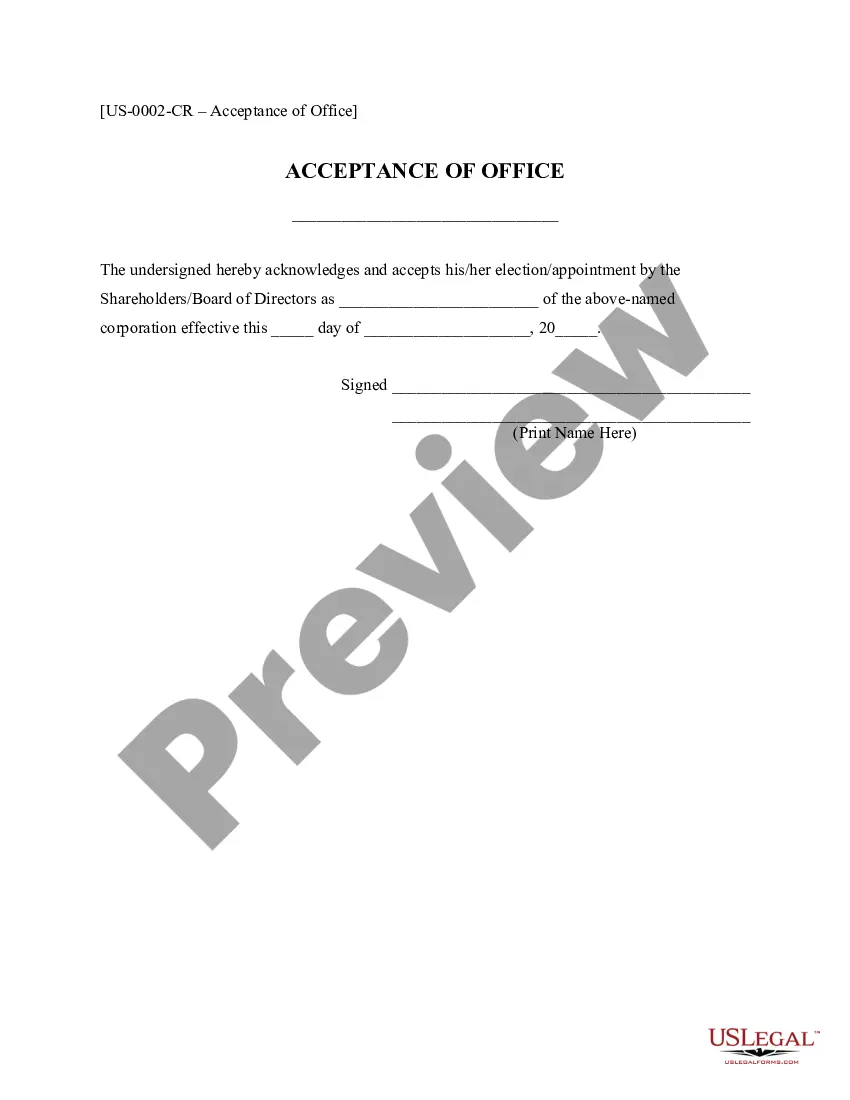
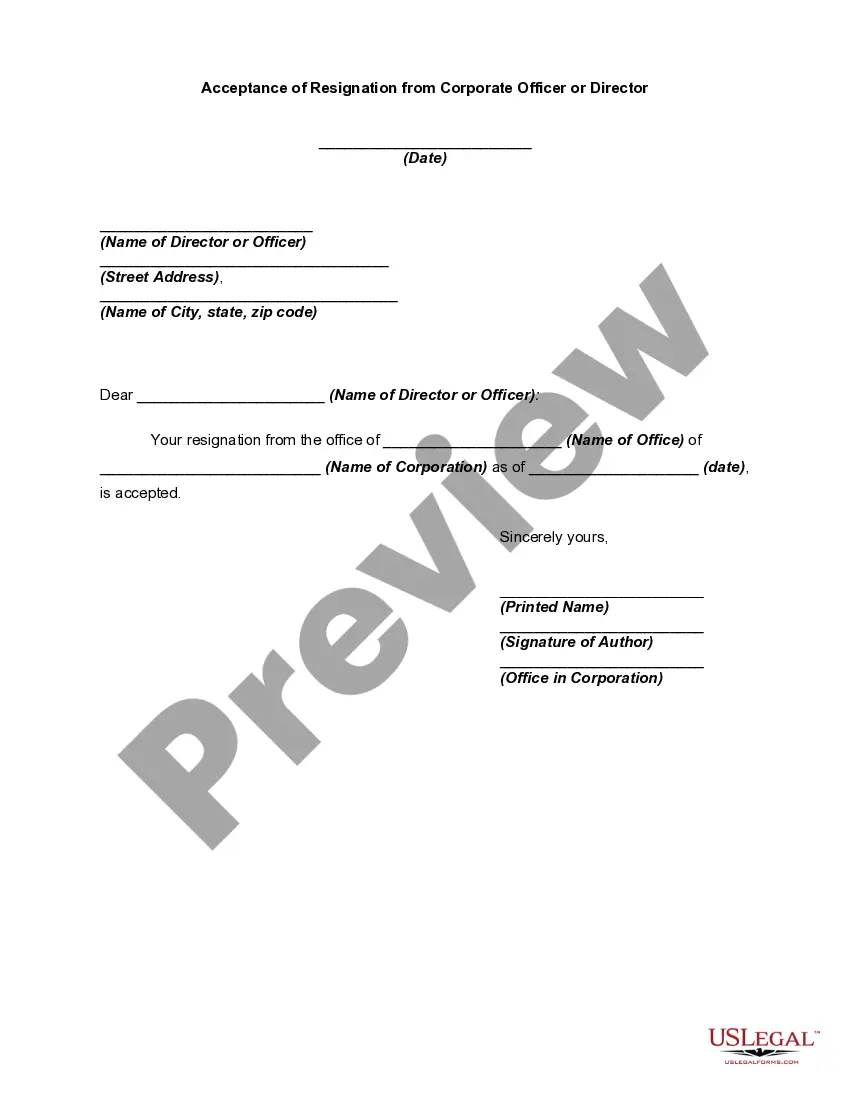
Get your form ready online
Our built-in tools help you complete, sign, share, and store your documents in one place.
Make edits, fill in missing information, and update formatting in US Legal Forms—just like you would in MS Word.
Download a copy, print it, send it by email, or mail it via USPS—whatever works best for your next step.
Sign and collect signatures with our SignNow integration. Send to multiple recipients, set reminders, and more. Go Premium to unlock E-Sign.
If this form requires notarization, complete it online through a secure video call—no need to meet a notary in person or wait for an appointment.
We protect your documents and personal data by following strict security and privacy standards.

Make edits, fill in missing information, and update formatting in US Legal Forms—just like you would in MS Word.

Download a copy, print it, send it by email, or mail it via USPS—whatever works best for your next step.

Sign and collect signatures with our SignNow integration. Send to multiple recipients, set reminders, and more. Go Premium to unlock E-Sign.

If this form requires notarization, complete it online through a secure video call—no need to meet a notary in person or wait for an appointment.

We protect your documents and personal data by following strict security and privacy standards.
Looking for another form?










Form popularity
FAQ
No, you cannot sell barbecue from your home in Texas since meat is listed as a prohibited food to sell under the Texas Cottage Food Law. Although you can't sell meats and other barbecued foods due to food safety, you can sell homemade barbecue sauce.
No, you cannot sell barbecue from your home in Texas since meat is listed as a prohibited food to sell under the Texas Cottage Food Law. Although you can't sell meats and other barbecued foods due to food safety, you can sell homemade barbecue sauce.
A cottage food production operation is limited to an annual gross income of $50,000 or less from the sale of food produced at the cottage food production operation.
The requirements may vary depending on the location and specific regulations, but here are some general guidelines: Health and Safety Regulations. Layout and Design. Ventilation and Exhaust Systems. Fire Safety. Flooring and Wall Materials. Commercial-Grade Appliances and Equipment. Handwashing Stations. Food Storage.
The Texas Cottage Food Law allows individuals to sell certain foods made in home kitchens, without having to get a food manufacturers' license, use a commercial kitchen, or be subject to inspections by the state or local health departments.
Permits & Regulations for Home-Based Food Business in Texas You do not need a permit from the local health department to start a home-based food business in Texas.
You need a license to produce packaged foods in your city, county and/or state. This is practically unobtainable in a home kitchen. You're better off finding a small regional copacker/bottler.
Yes, you can actually sell that from your home. That is something you can sell under Texas cottage food laws. And that has to be something that's made in your own kitchen, and it has to be packaged and, of course, labeled correctly.
Food that has not been used within two hours, should either be reheated until it is steaming hot and put back in hot holding or chilled down as quickly as possible to 8°C or below. If it has been out for more than two hours throw it away.
Keep TCS food outside of the danger zone (410F and 1350F; 50C and 570C ): Pathogens grow within this temperature range. If food is held in this range for 4+ hours, throw it out.

