Corporation Personal Held Without Bail In Suffolk
Description

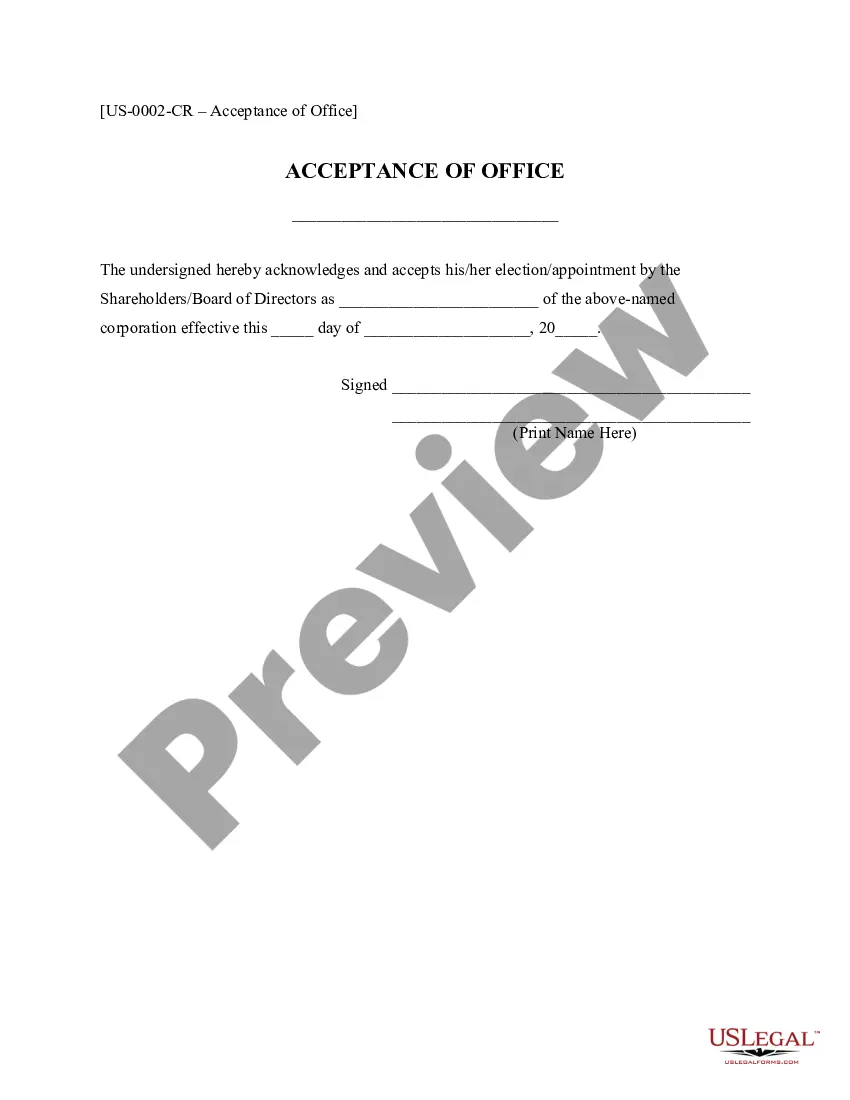
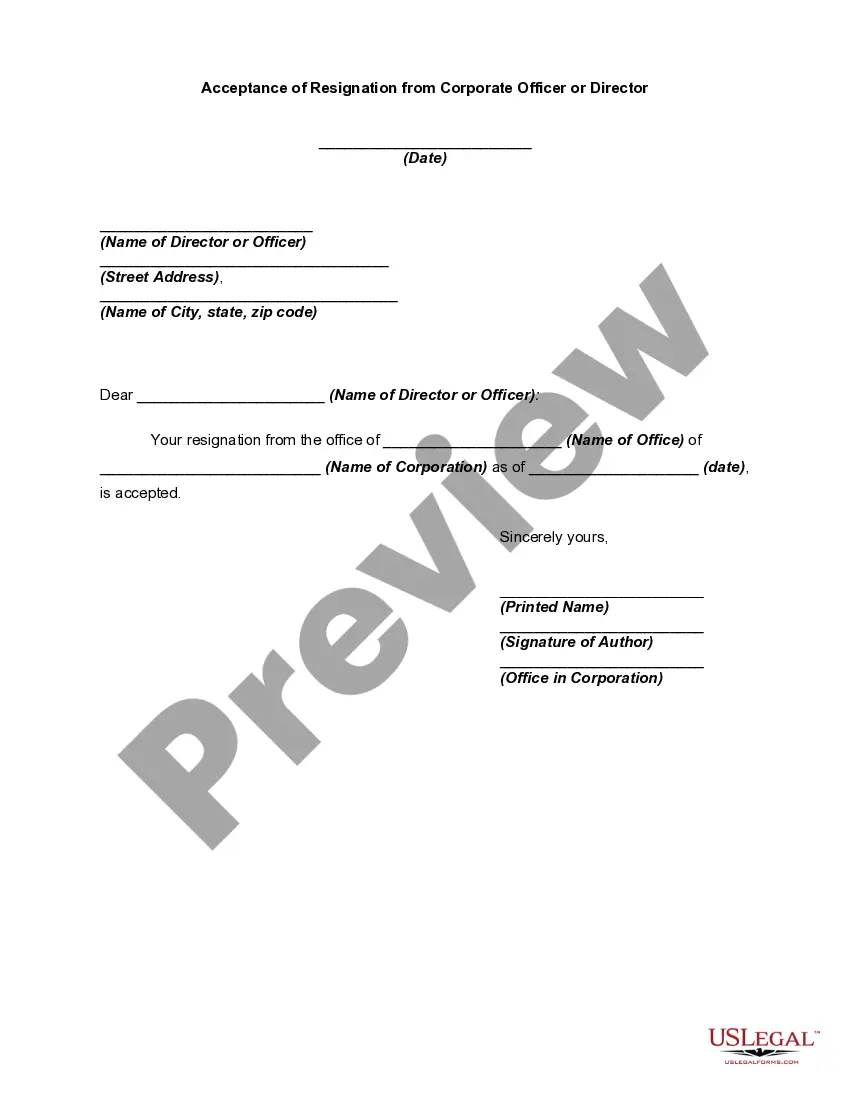
Get your form ready online
Our built-in tools help you complete, sign, share, and store your documents in one place.
Make edits, fill in missing information, and update formatting in US Legal Forms—just like you would in MS Word.
Download a copy, print it, send it by email, or mail it via USPS—whatever works best for your next step.
Sign and collect signatures with our SignNow integration. Send to multiple recipients, set reminders, and more. Go Premium to unlock E-Sign.
If this form requires notarization, complete it online through a secure video call—no need to meet a notary in person or wait for an appointment.
We protect your documents and personal data by following strict security and privacy standards.

Make edits, fill in missing information, and update formatting in US Legal Forms—just like you would in MS Word.

Download a copy, print it, send it by email, or mail it via USPS—whatever works best for your next step.

Sign and collect signatures with our SignNow integration. Send to multiple recipients, set reminders, and more. Go Premium to unlock E-Sign.

If this form requires notarization, complete it online through a secure video call—no need to meet a notary in person or wait for an appointment.

We protect your documents and personal data by following strict security and privacy standards.
Looking for another form?

Form popularity
FAQ
You do not need a lawyer to sue in Small Claims Court. But you may hire one, if you want. The other side may also hire a lawyer. The Court will not give you a lawyer.
If the defendant has no contact with your state, you may be able to sue in the location in your state where the contract was signed, but you generally have to sue in the state where the person you're suing lives or does business. Out-of-state small claims lawsuits tend to be expensive and unwieldy.
page version of this information is available at the courthouses. The maximum you can sue for Is $5000. You must be a individual at least 18 years old, or an association, or municpal corporation, to file a Small Claim in Suffolk District Court. On the form, request Day Court or Night Court.
Maximum Time in Jail Without Bond California Penal Code Section 825 says that a person arrested in California must be brought before a judge within 48 hours to be charged or released.
California Penal Code Section 825 says that a person arrested in California must be brought before a judge within 48 hours to be charged or released. These rules prevent law enforcement from holding suspects indefinitely while providing sufficient time to collect evidence and decide whether to take the case forward.

