Corporation Personal Held Without Bond In Queens
Description

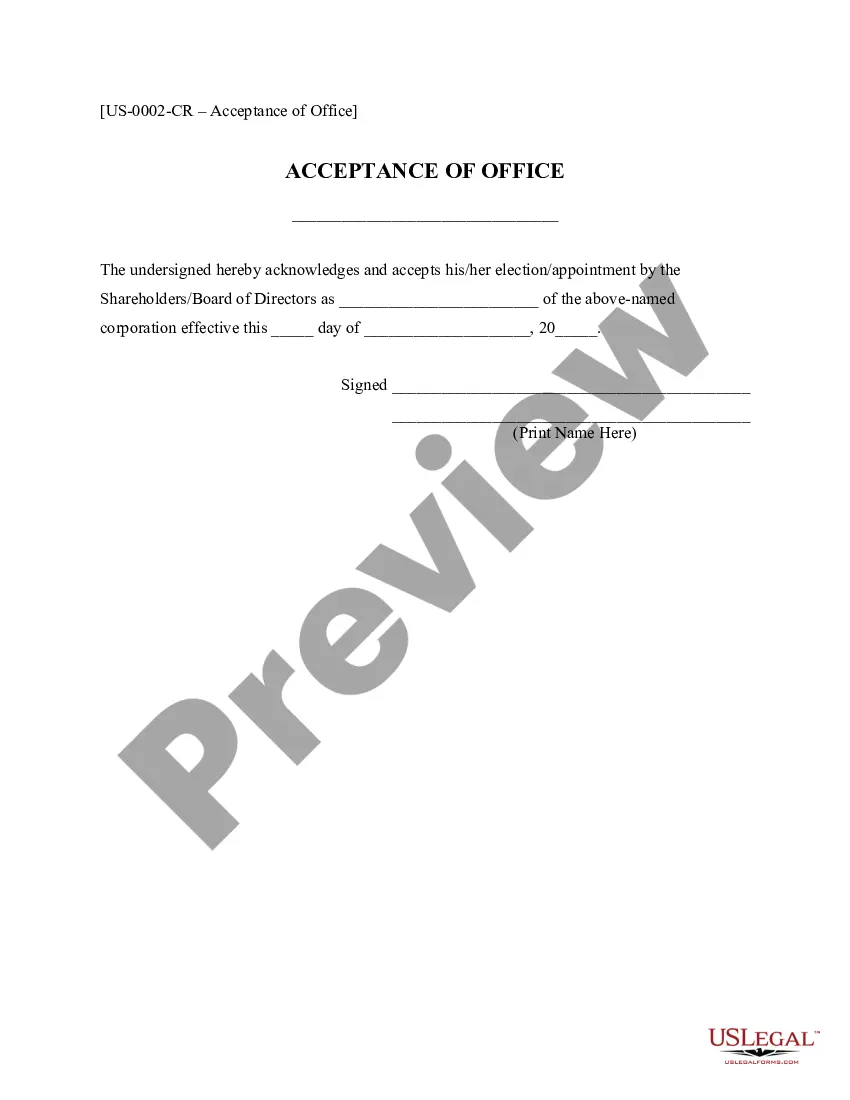
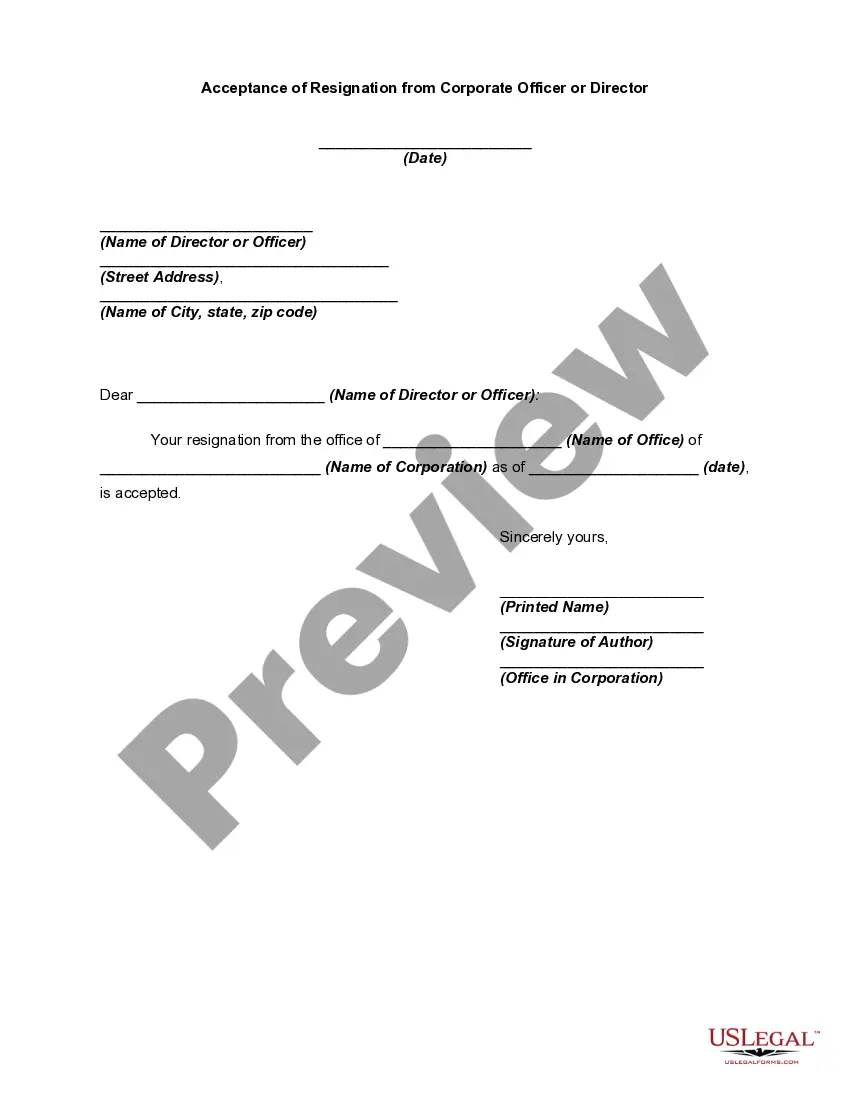
Get your form ready online
Our built-in tools help you complete, sign, share, and store your documents in one place.
Make edits, fill in missing information, and update formatting in US Legal Forms—just like you would in MS Word.
Download a copy, print it, send it by email, or mail it via USPS—whatever works best for your next step.
Sign and collect signatures with our SignNow integration. Send to multiple recipients, set reminders, and more. Go Premium to unlock E-Sign.
If this form requires notarization, complete it online through a secure video call—no need to meet a notary in person or wait for an appointment.
We protect your documents and personal data by following strict security and privacy standards.

Make edits, fill in missing information, and update formatting in US Legal Forms—just like you would in MS Word.

Download a copy, print it, send it by email, or mail it via USPS—whatever works best for your next step.

Sign and collect signatures with our SignNow integration. Send to multiple recipients, set reminders, and more. Go Premium to unlock E-Sign.

If this form requires notarization, complete it online through a secure video call—no need to meet a notary in person or wait for an appointment.

We protect your documents and personal data by following strict security and privacy standards.
Looking for another form?




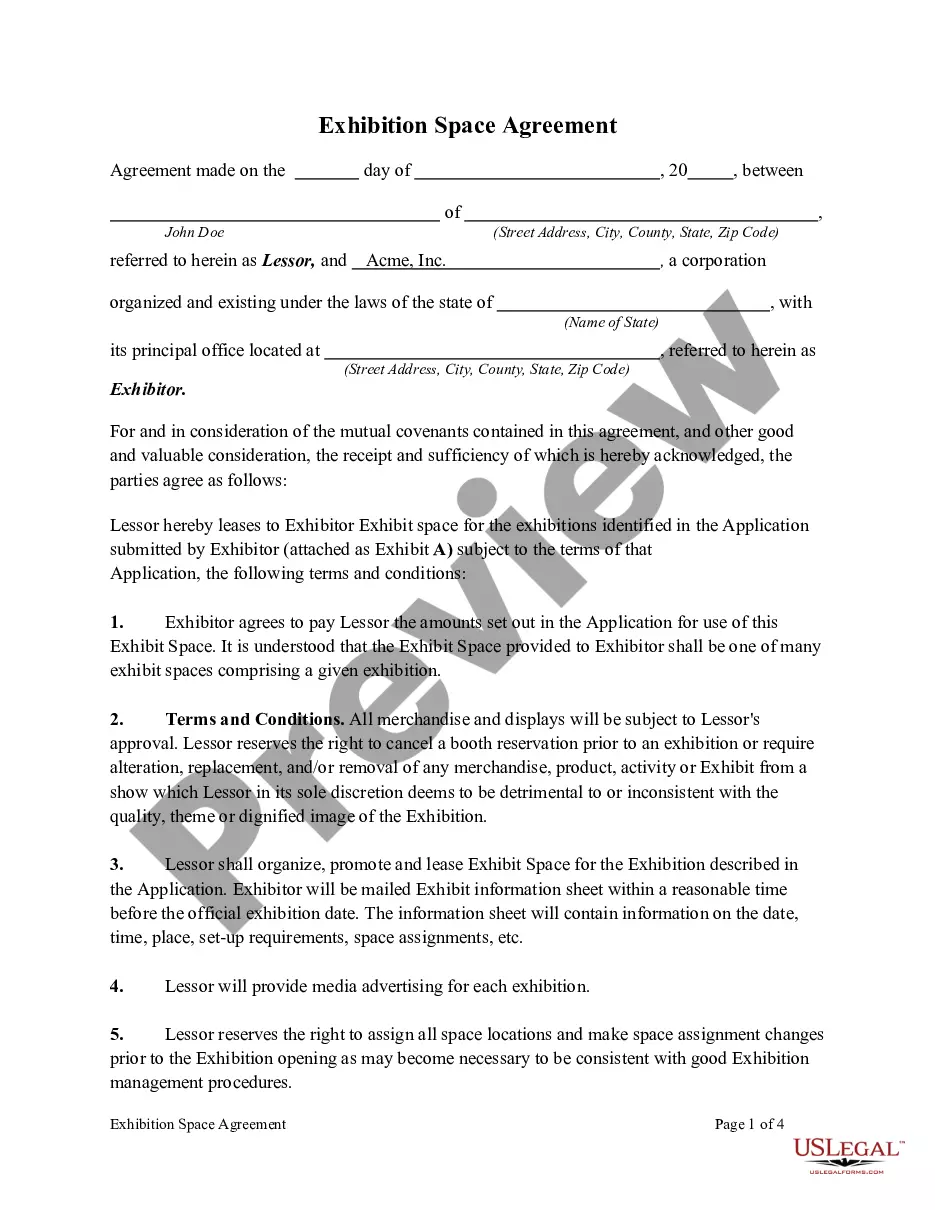




Form popularity
FAQ
If you can't make bail, you remain in custody until your court date—a timeline that could span weeks or months.
If you or a loved one are remanded without bond, it means there is no chance for release before a trial date. Instead, you will be required to remain in jail until your hearing.
Ing to The New York Times, "While New Jersey, California, Illinois and other states have limited the use of bail, New York is one of the few states to abolish bail for many crimes without also giving state judges the discretion to consider whether a person poses a threat to public safety in deciding whether to ...
Voluntary dissolution is generally a two-step process: Obtaining written consent from the Tax Department1 (which will check to see if the corporation owes back taxes and if it has filed all its returns)2; and. Filing paperwork with the New York Department of State, including a Certificate of Dissolution.
The TR-570 form is utilized by the New York Department of Finance for requests related to Limited Liability Companies (LLCs) and Limited Liability Partnerships (LLPs). This form facilitates the collection of necessary information from businesses to ensure compliance with state regulations.
Service on a corporation shall be made by delivering the process to an officer, director, or general agent, or cashier or assistant cashier (as defined in cases interpreting this law) or any other agent authorized by appointment or by law to receive service. CPLR 311.
Per, New York's state statutes (Article 3: Section 302 for LLCs and Section 305 for corporations), registered agents are legally required in New York. At a minimum, your registered agent must list a physical address on the public record and be present at that address during business hours.
Service of subsequent papers, however, usually may be done by First Class Mail. Rules regarding service must be strictly observed, especially with respect to service of process, since such service gives notice of the existence of the case and effectuates the court's jurisdiction (power) over a person.
4) What is a Notice of Intention to File a Claim? A Notice of Intention to File a Claim is an optional document that a potential claimant may serve upon the defendant to extend the time period to serve and file a claim.
Service on a corporation shall be made by delivering the process to an officer, director, or general agent, or cashier or assistant cashier (as defined in cases interpreting this law) or any other agent authorized by appointment or by law to receive service. CPLR 311.

