Resign Director From Private Limited Company In Palm Beach
Description

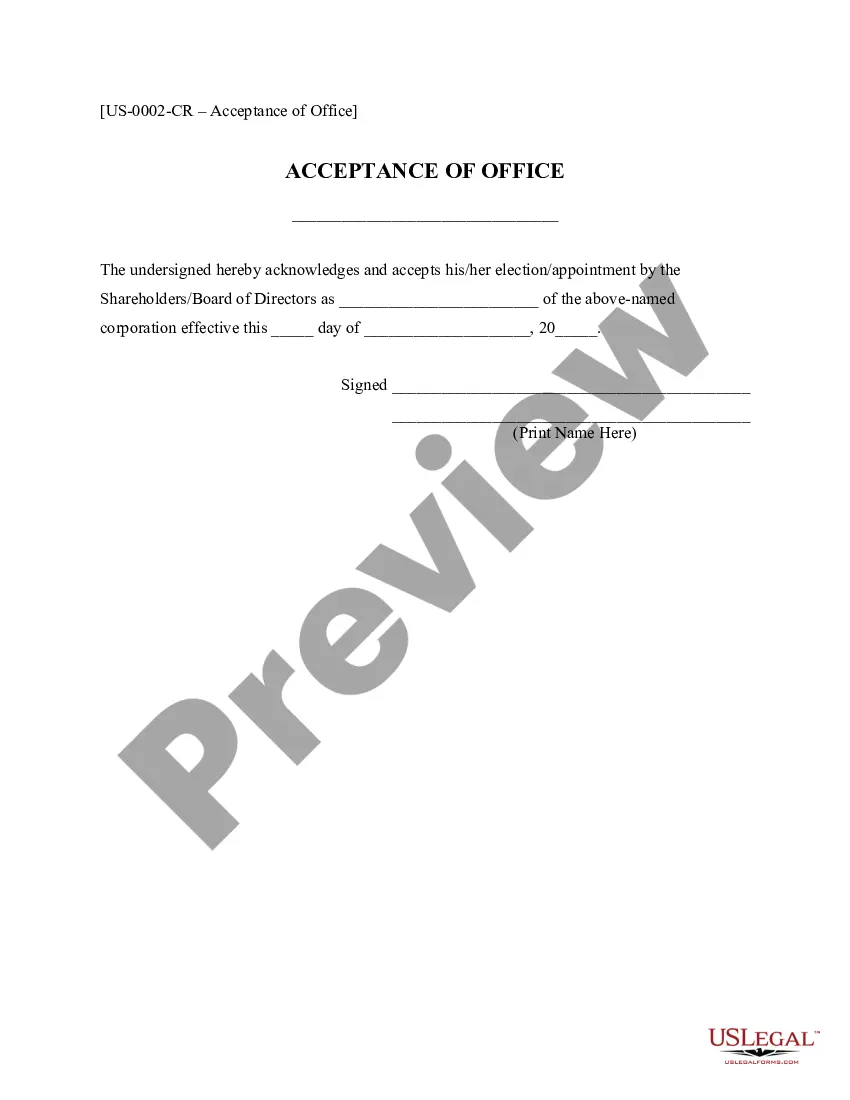
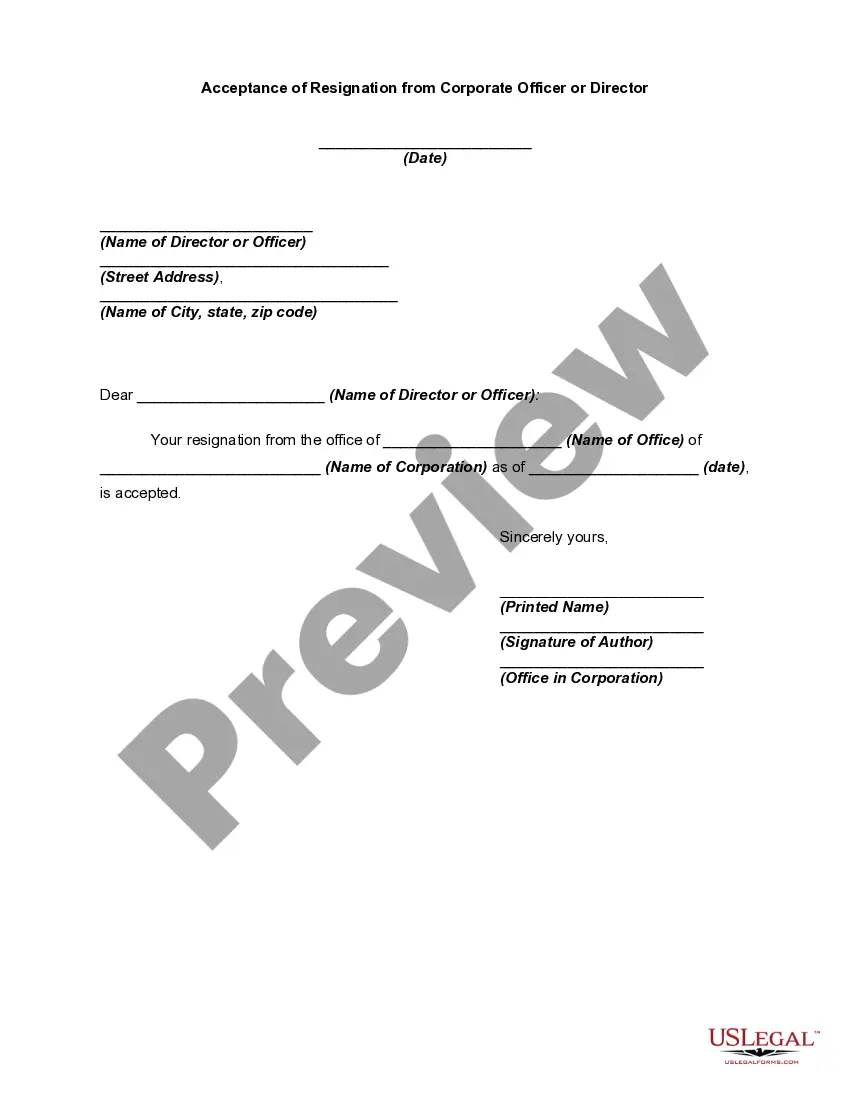
Get your form ready online
Our built-in tools help you complete, sign, share, and store your documents in one place.
Make edits, fill in missing information, and update formatting in US Legal Forms—just like you would in MS Word.
Download a copy, print it, send it by email, or mail it via USPS—whatever works best for your next step.
Sign and collect signatures with our SignNow integration. Send to multiple recipients, set reminders, and more. Go Premium to unlock E-Sign.
If this form requires notarization, complete it online through a secure video call—no need to meet a notary in person or wait for an appointment.
We protect your documents and personal data by following strict security and privacy standards.

Make edits, fill in missing information, and update formatting in US Legal Forms—just like you would in MS Word.

Download a copy, print it, send it by email, or mail it via USPS—whatever works best for your next step.

Sign and collect signatures with our SignNow integration. Send to multiple recipients, set reminders, and more. Go Premium to unlock E-Sign.

If this form requires notarization, complete it online through a secure video call—no need to meet a notary in person or wait for an appointment.

We protect your documents and personal data by following strict security and privacy standards.
Looking for another form?
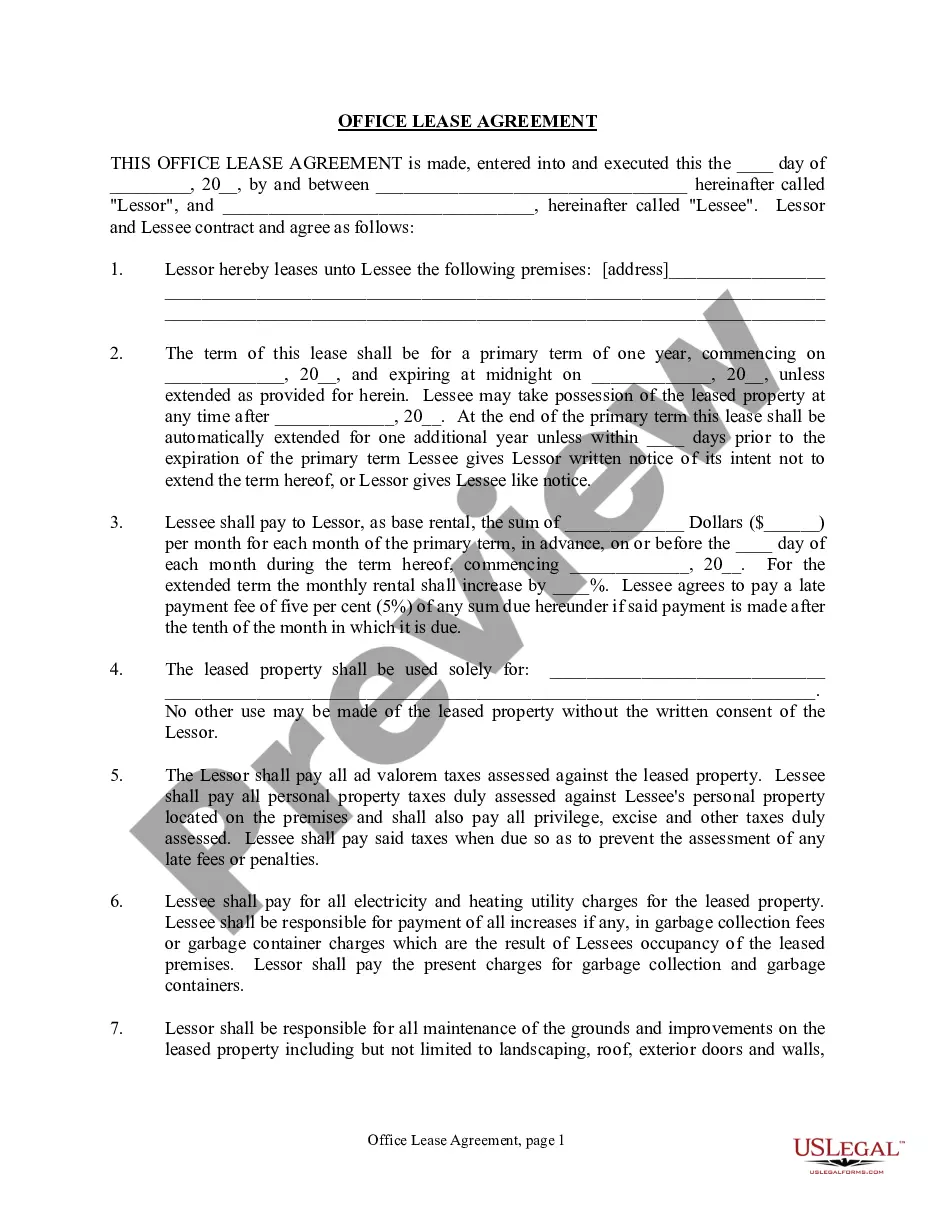



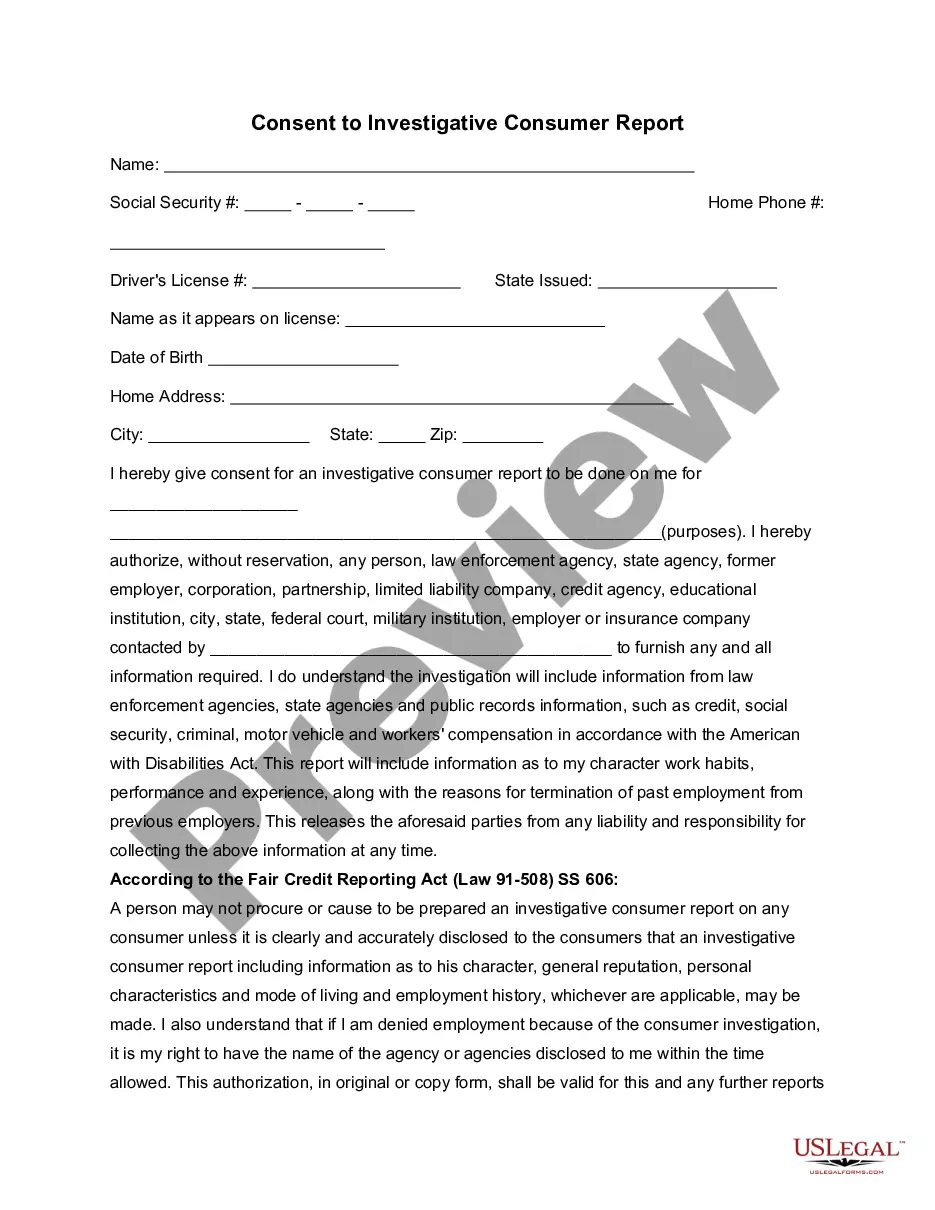




Form popularity
FAQ
Inform the other directors of the company and let them know of your resignation in writing. Inform other stakeholders including clients, partners and suppliers, and ensure they have a new point of contact. Let Companies House know about your resignation by filing the relevant information.
A form of policy requiring the directors of a Delaware corporation to offer to resign from the board of directors on the occurrence of certain triggering events, such as failing to receive a majority of votes cast in an election or experiencing a change in occupation.
Typically, a director can resign at any time by formal notice in writing to the company (i.e. the board of directors). The Articles may also set out a requirement for the resigning director to notify the members (i.e. shareholders) of the company and any period of notice.
Ideally this should take the form of a written notice, either left at or send to the company's registered office, stating your intention to resign and the date this is to be effective from.
A director may resign from his office by giving a notice in writing to the company and the Board shall on receipt of such notice take note of the same and the company shall intimate the Registrar in such manner, within such time and in such form as may be prescribed and shall also place the fact of such resignation in ...
A Company by ordinary resolution in an Annual general meeting or an extra ordinary General meeting can remove a director. Special Notice about the resolution to remove a director shall be issued to the members. A copy of the said notice to be send to the director to be removed also.
A director can resign as a director of a company by giving written notice of your resignation to the company at its registered office. a proprietary company may, by resolution, remove a director from office and may, by resolution, appoint another person as a director instead.
A director may resign from his office by giving a notice in writing to the company and the Board shall on receipt of such notice take note of the same and the company shall intimate the Registrar in such manner, within such time and in such form as may be prescribed and shall also place the fact of such resignation in ...
To resign as a company director, you need to file form TM01 with Companies House. You will also need to inform any fellow directors, in writing, of your intention to resign and serve any notice period as laid out in your employment contract.
A Company by ordinary resolution in an Annual general meeting or an extra ordinary General meeting can remove a director. Special Notice about the resolution to remove a director shall be issued to the members. A copy of the said notice to be send to the director to be removed also.

