Corporation Personal Held Within A Corporation In Maryland
Description

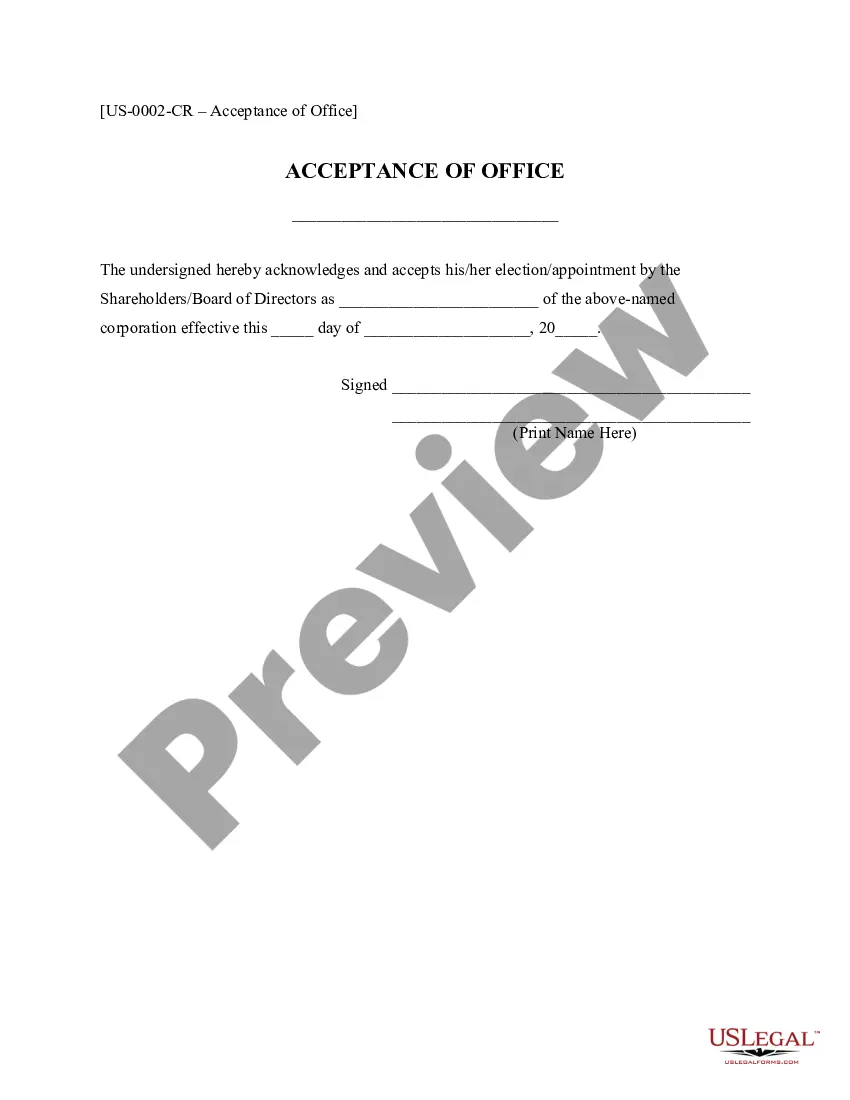
Get your form ready online
Our built-in tools help you complete, sign, share, and store your documents in one place.
Make edits, fill in missing information, and update formatting in US Legal Forms—just like you would in MS Word.
Download a copy, print it, send it by email, or mail it via USPS—whatever works best for your next step.
Sign and collect signatures with our SignNow integration. Send to multiple recipients, set reminders, and more. Go Premium to unlock E-Sign.
If this form requires notarization, complete it online through a secure video call—no need to meet a notary in person or wait for an appointment.
We protect your documents and personal data by following strict security and privacy standards.

Make edits, fill in missing information, and update formatting in US Legal Forms—just like you would in MS Word.

Download a copy, print it, send it by email, or mail it via USPS—whatever works best for your next step.

Sign and collect signatures with our SignNow integration. Send to multiple recipients, set reminders, and more. Go Premium to unlock E-Sign.

If this form requires notarization, complete it online through a secure video call—no need to meet a notary in person or wait for an appointment.

We protect your documents and personal data by following strict security and privacy standards.
Looking for another form?






Form popularity
FAQ
Sometimes, business owners can be held personally liable for their company's debts or legal issues through a legal process known as “piercing the corporate veil.” This could put personal assets—like your home, car, and bank accounts—at risk if a creditor or individual sues you personally for the business's problems, ...
A business asset is an item of value owned by a company. Business assets span many categories. They can be physical, tangible goods, such as vehicles, real estate, computers, office furniture, and other fixtures, or intangible items, such as intellectual property.
Personal property generally includes furniture, fixtures, office and industrial equipment, machinery, tools, supplies, inventory and any other property not classified as real property.
Personal property generally includes business property, including furniture, fixtures, office and industrial equipment, machinery, tools, supplies, inventory, and any other property not classified as real property.
Business personal property (BPP) insurance covers the equipment, furniture, fixtures and inventory that you own, use or rent inside your workspace. Basically, it covers almost everything except the building itself.
Personal property is a type of property that includes any movable object or intangible asset of value that can be owned by a person and is distinct from real property. Examples include vehicles, artworks, and patents.
A corporation is an incorporated entity designed to limit the liability of its owners (called shareholders). Generally, shareholders are not personally liable for the debts of the corporation. Creditors can only collect their debts by going after corporate assets.
A Maryland personal property return (Form2) must be filed by all sole proprietorships and general partnerships if they possess (own, lease, rent, use or borrow) business personal property or need a business license. A business which fails to file this return will likely receive an estimated assessment.
If there is more than one personal representative, the return must be made jointly by all. If there is no personal representative appointed, every person in actual or constructive possession of any property of the decedent is required to make and file a return.
All corporations, limited liability companies (LLCs), limited liability partnerships (LLPs), and limited partnerships must file personal property returns with the Department of Assessments and Taxation.

